Checking It Yourself
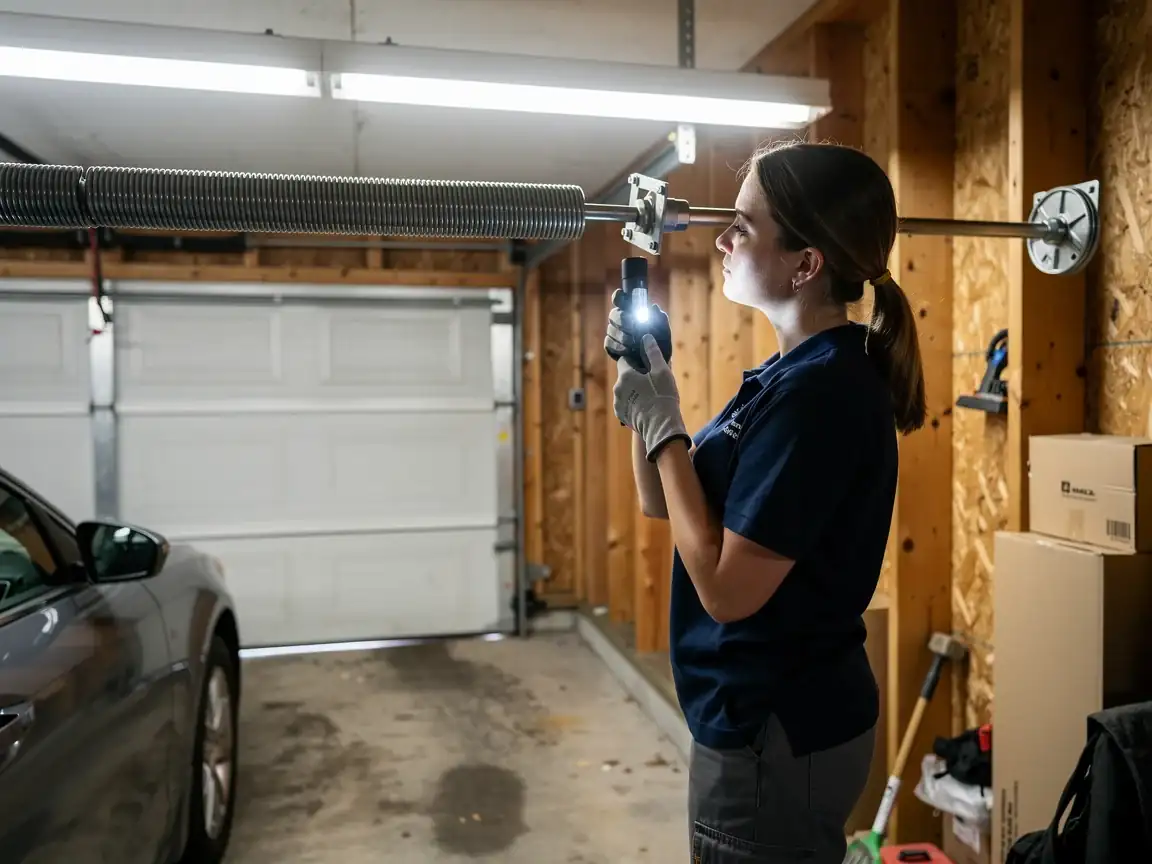
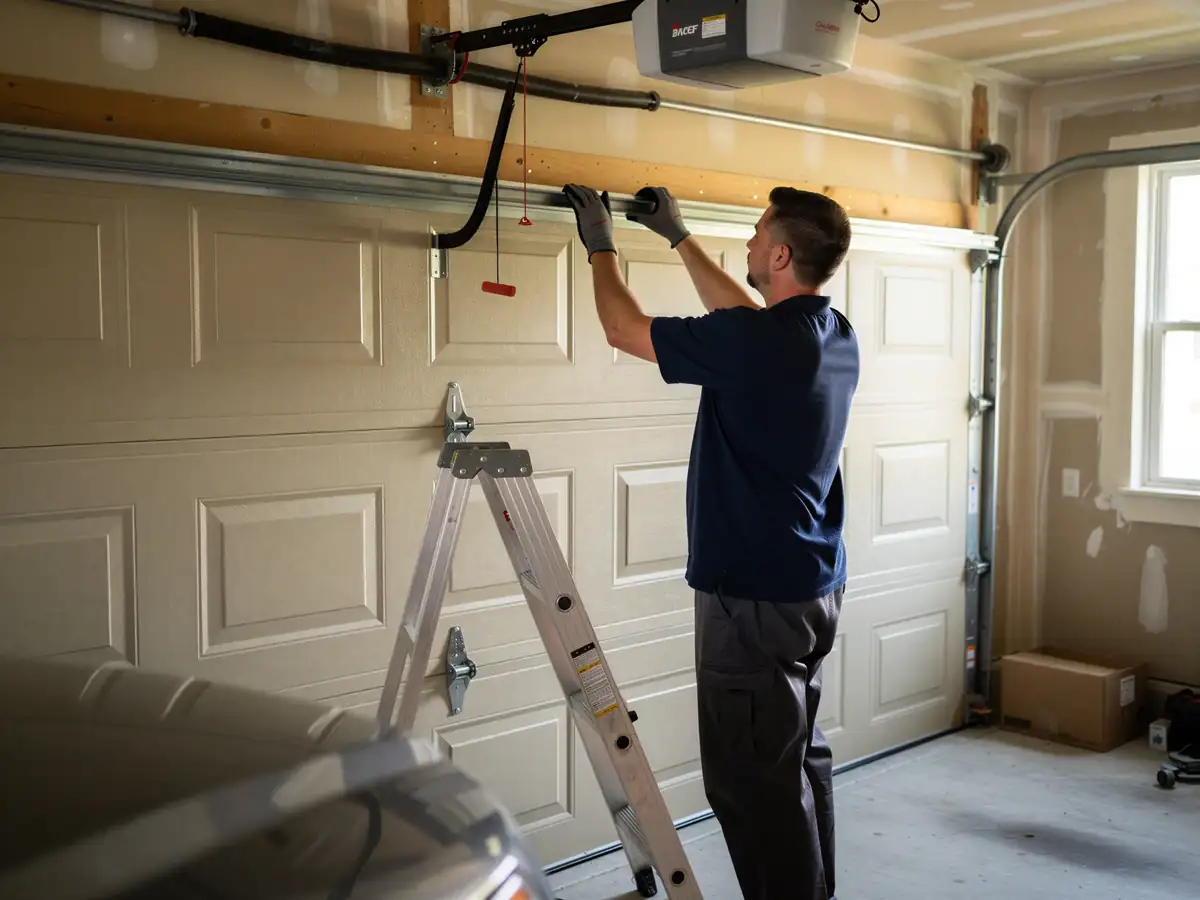
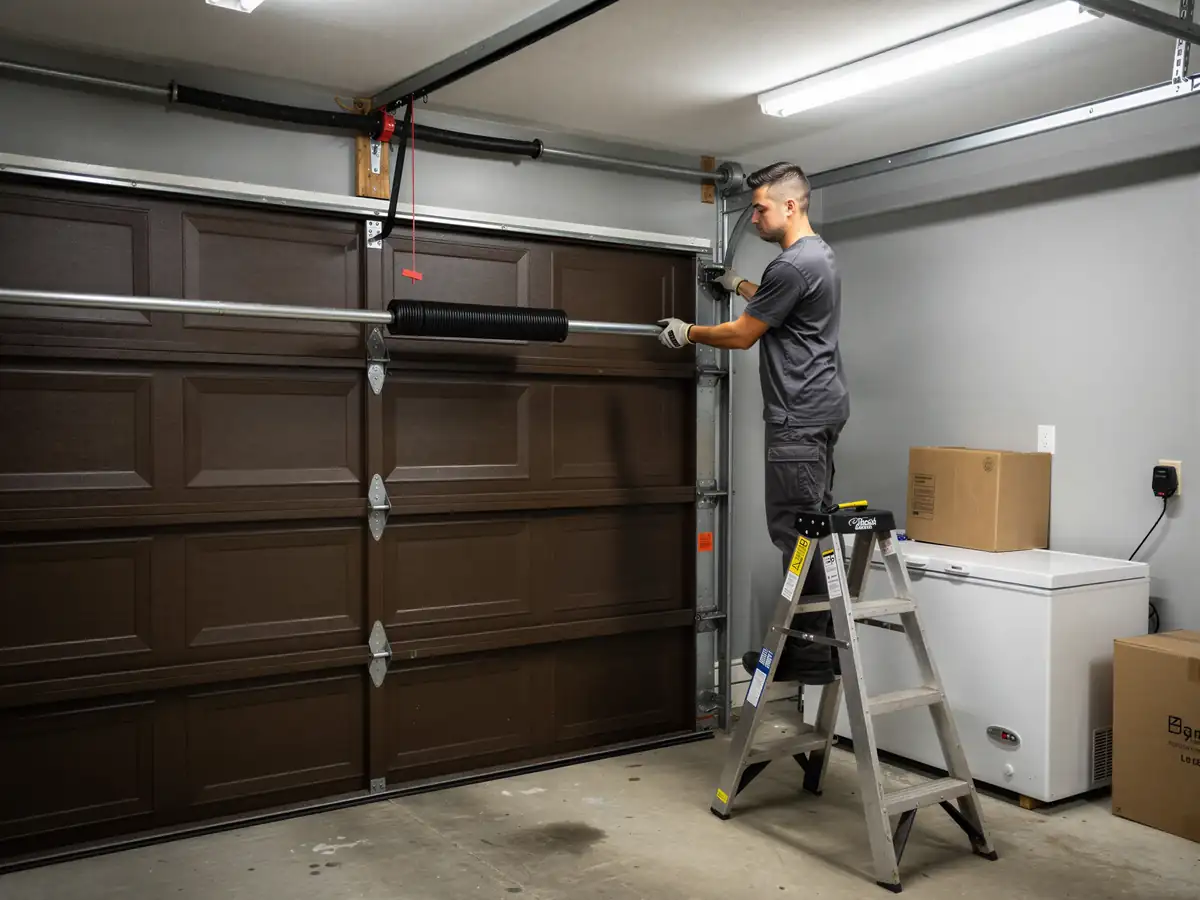
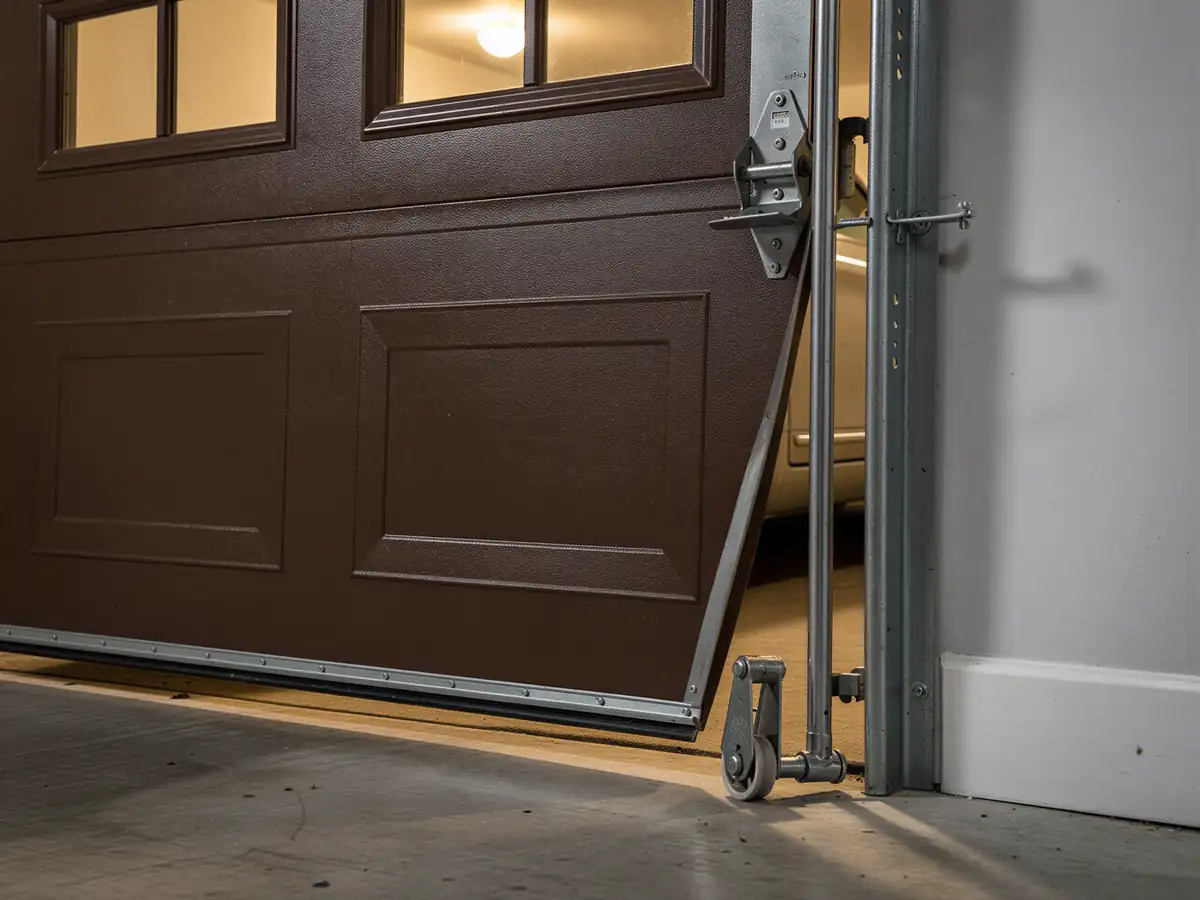
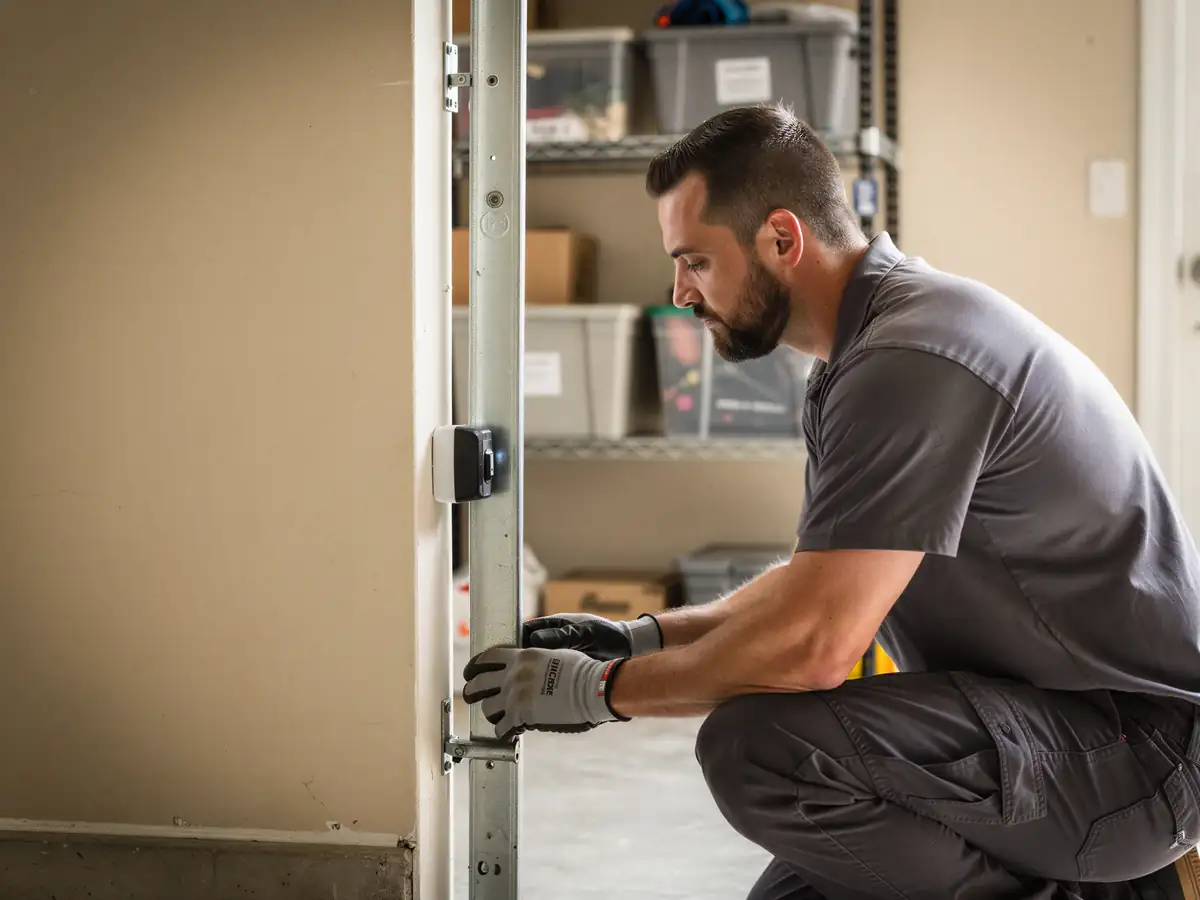
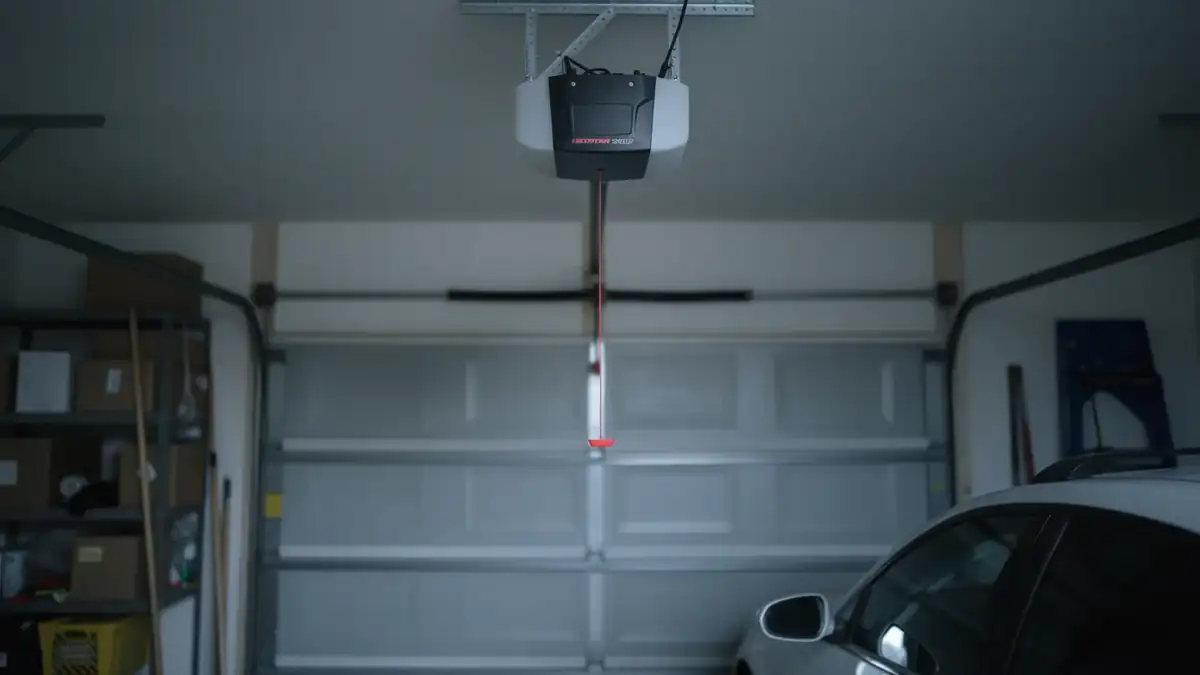
Before you assume the opener itself is dead, pull the red release cord and see if the door moves freely by hand. If it's heavy or binds partway, the problem is the door and springs, not the opener, and no amount of opener troubleshooting will fix that. Check the wall switch for a lit indicator, check the outlet the opener plugs into (a tripped GFCI near the unit is a common and boring cause of a "dead" opener), and look at the safety sensors near the floor for a blinking light that means misalignment.
If you've got a battery backup unit, check whether the backup light is on or whether it's cycled through its battery already. A lot of the openers in this area predate battery backup as a standard feature, especially in houses from the 1980s and 90s, which make up the bulk of the stock across the 32 communities this company works in. Those units simply won't move the door at all without grid power. That's not a defect, it's just the generation of hardware they are. Worth knowing before you spend twenty minutes pressing a remote that was never going to do anything.
How Local Conditions Play In
This area sits in a cold moderate climate band
Which doesn't mean brutal winters, but it does mean enough cold mornings each year to matter for a motor and a chain that were already working harder than they should. Grease in an older trolley rail thickens when the temperature drops, and a worn opener that was already struggling in August will stall out entirely on a 28-degree morning in January. That's usually the week we get the most calls about openers that "just stopped."
Houses here went up anywhere from 1938 to 2013
With the median landing around 1983, so there's a wide spread of opener ages and opener types sitting behind all those doors - from original chain-drive units bolted in during the Reagan administration to newer belt-drive models installed in the last decade. An opener that's thirty-plus years old wasn't built with the circuit boards or capacitors to handle repeated cold-start stress indefinitely, and that shows up as the kind of intermittent failure that's hard to diagnose over the phone.
What Is Going On
Two separate things get lumped together as "the opener's broken": the opener motor failing, and a power cut taking the whole unit offline. With 97,161 households and roughly half of them in owner-occupied houses across this service area, a lot of garages have an opener that's never lost power long enough to reveal whether its backup battery even still holds a charge - until it does.
When the power actually goes out, a standard opener without backup battery does nothing at all, which is normal and not a fault condition. The manual release cord is there for exactly this. What's less obvious is that a power cut can also trip the opener's travel limits or scramble its memory on older models, so when power comes back the door might reverse immediately or refuse to close all the way. That's a reset issue, often fixable by holding the learn button, not a sign the whole unit needs replacing.
What Changes With the Season
Short version: cold mornings are when opener weaknesses show up, not when they start. A motor that's been slow to lift a door through spring and summer heat will finally stall in winter, and that's often the first time an owner notices anything's wrong. Given the median household income here runs around $55,671, a lot of people reasonably want to know whether a sluggish opener is worth repairing or worth replacing outright before it fails on the coldest morning of the year. For an opener already past 15-20 years old, repair gets harder to justify once parts for that era stop being easy to source.
We don't carry parts for every opener ever made - some older boards are genuinely obsolete, and on those the honest answer is replacement, not a repair that'll fail again in a season. If your opener is newer and just needs a sensor realignment or a limit reset after a power cut, that's a quick fix and not worth replacing hardware over.