Checking It Yourself
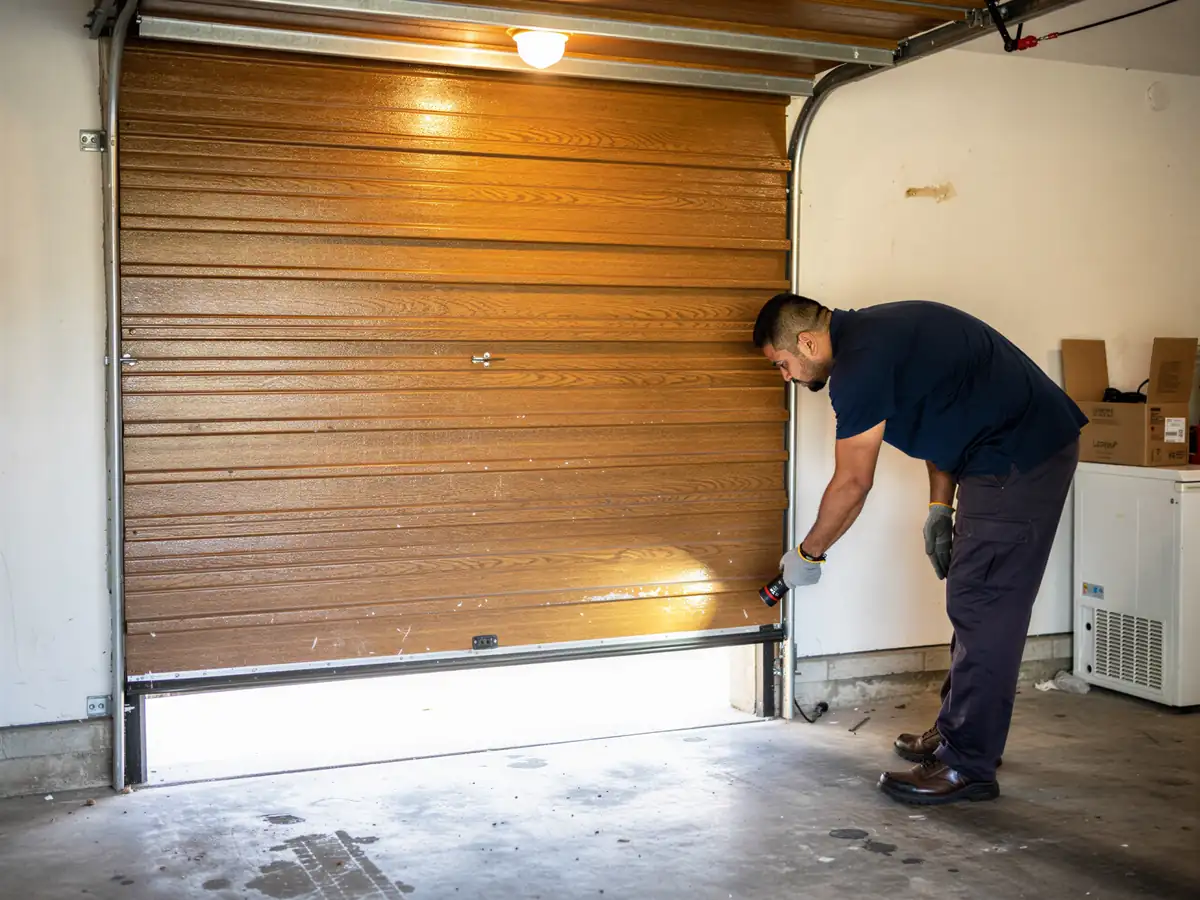
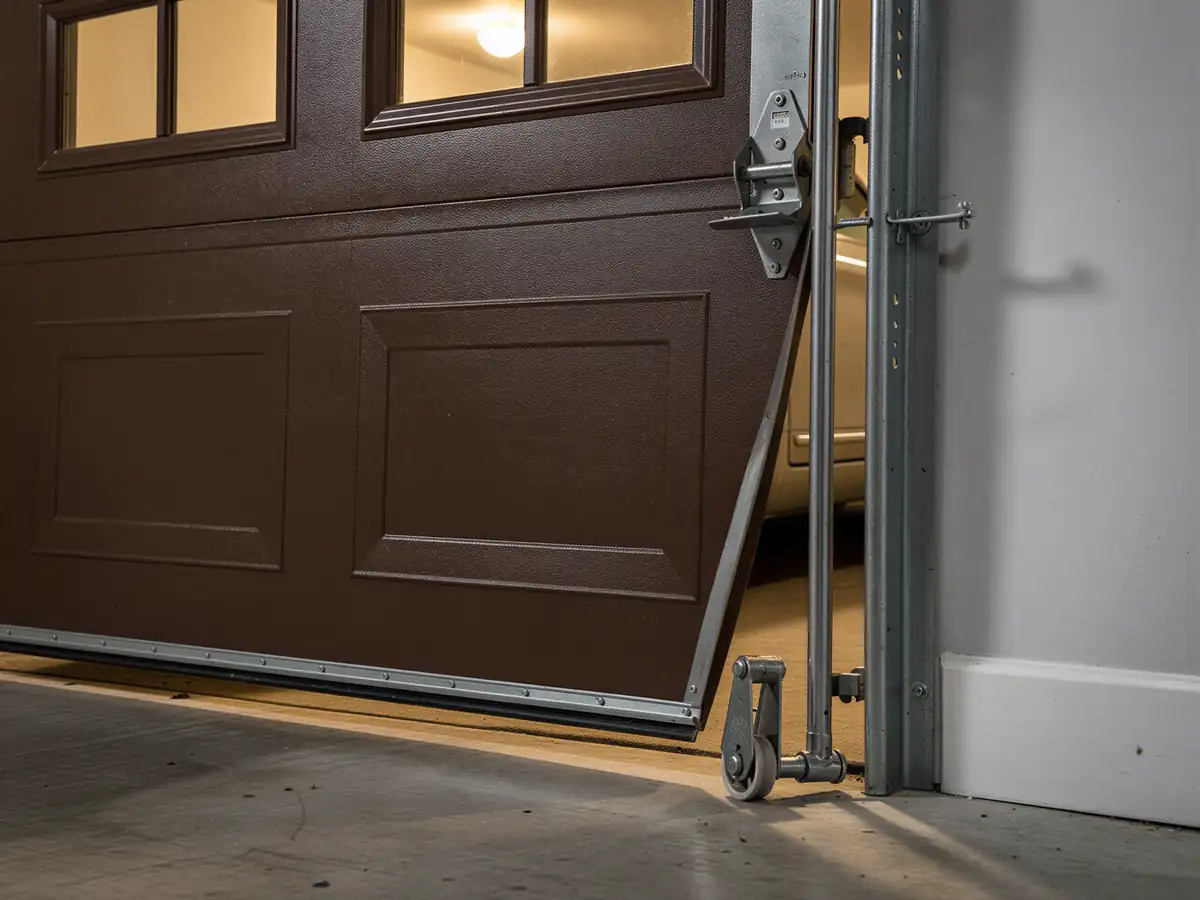
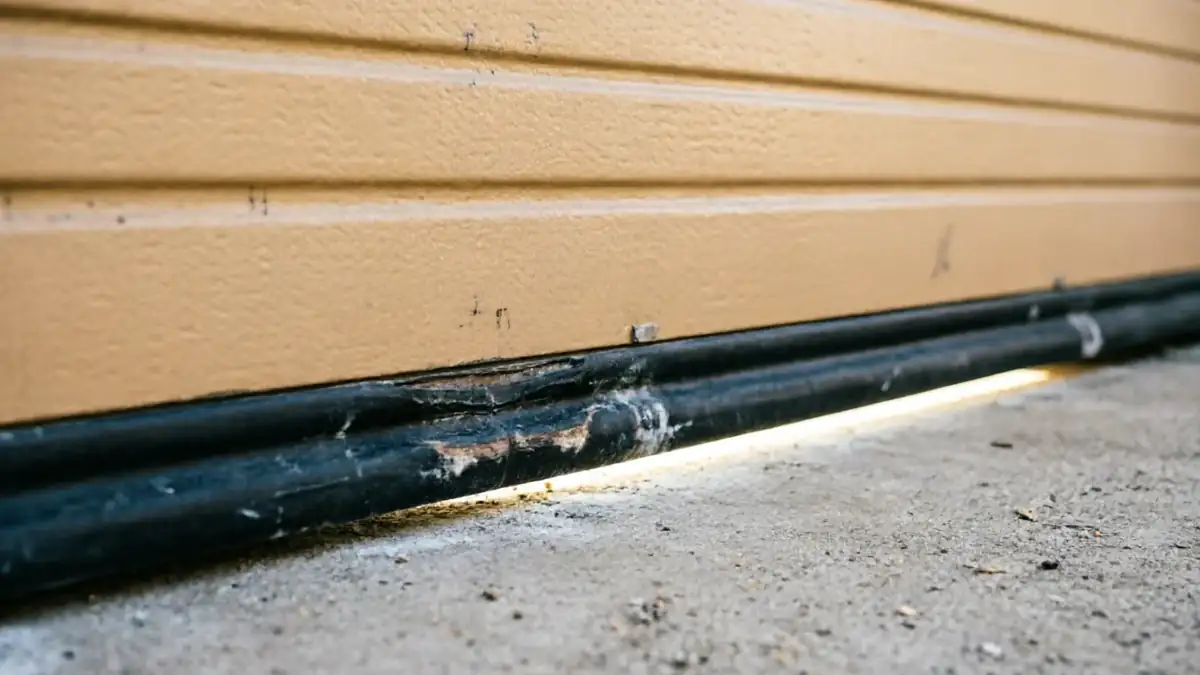
Start at the bottom of the door. The flat rubber strip along the floor, called the astragal, is the first seal to fail because it takes the most abuse from grit and water. Close the door and look for daylight along the bottom edge - if you can slide a sheet of paper under it in more than one spot, the seal has flattened or torn and isn't doing its job anymore.
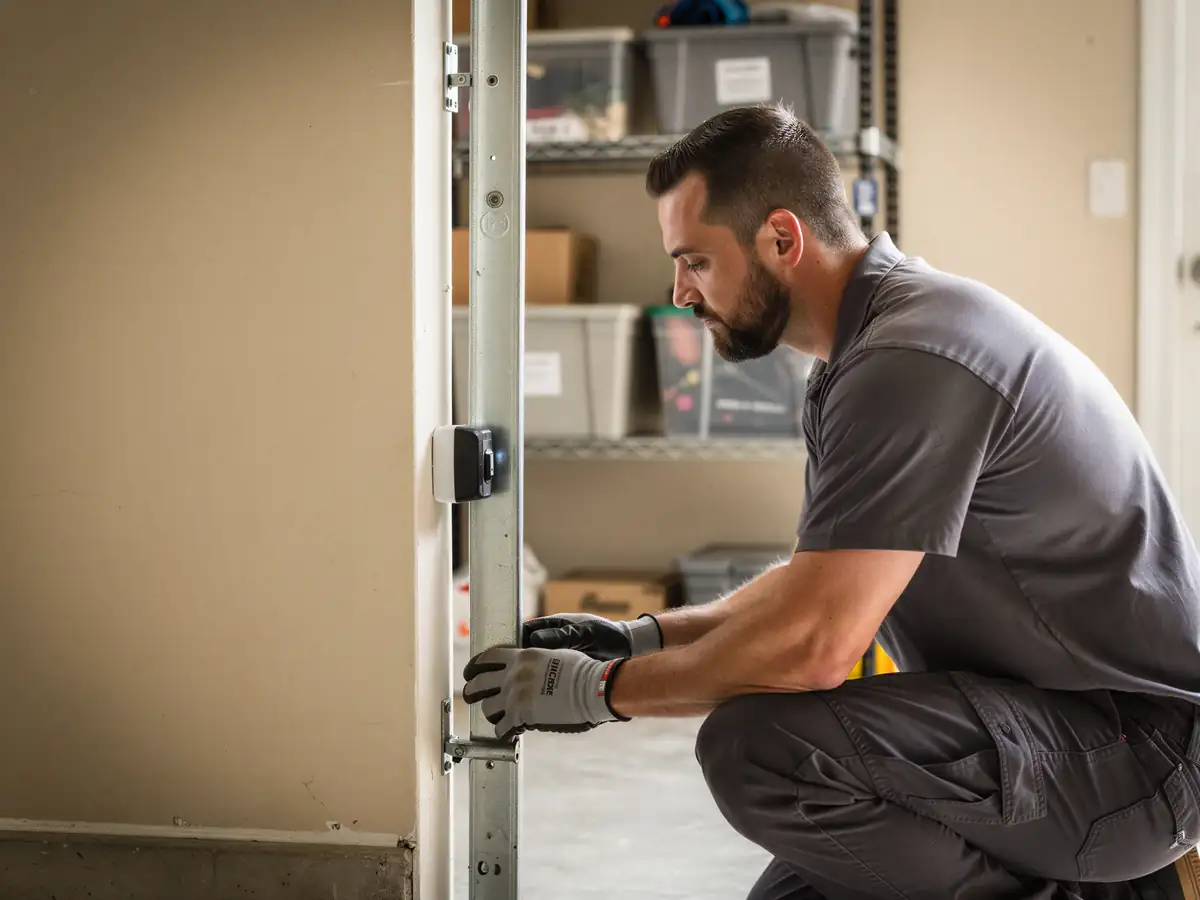
Next check the side and top jamb seals, the vinyl strips tacked to the frame the door closes against. On houses built through the 1980s and 90s, which make up most of the stock in this area, these are often the original builder-grade strips or a first replacement from decades back. Press on them - if the rubber is stiff instead of springy, or cracked where it bends, it's past the point of sealing anything.
Feel along the panel seams too, especially on steel doors with foam-backed panels. Cold air finds the gap between panels before it finds the big gaps, and a drafty seam at shoulder height usually means a panel has warped slightly off true. That's a repair call, not a seal replacement.
How Local Conditions Play In
Greer sits in a cold-moderate climate band
Not the deep freezes you get further inland, but enough cold snaps through winter to work rubber seals hard without ever giving them a real summer bake to soften back out. That freeze-thaw cycling, even a mild version of it, is what shortens the life of bottom astragals and jamb seals faster than homeowners expect.
Houses here were mostly built in the 1980s and 90s
Spread across more than thirty named areas in the broader service footprint, with the overall stock running from 1938 up to 2013. The older end of that range, and a good chunk of the 80s and 90s builds too, used door frames and jamb seals that were never rated for the sustained cold-moderate cycling this area gets. If your seals are original to a house from that era, they've had thirty-plus years of a climate they weren't built to handle this long.
What Is Going On
Most draft complaints trace back to one of three things: a compressed or torn bottom seal, a jamb seal that's shrunk away from the frame, or a door that's slightly out of square on its track so the seals never meet evenly even when they're in good shape.
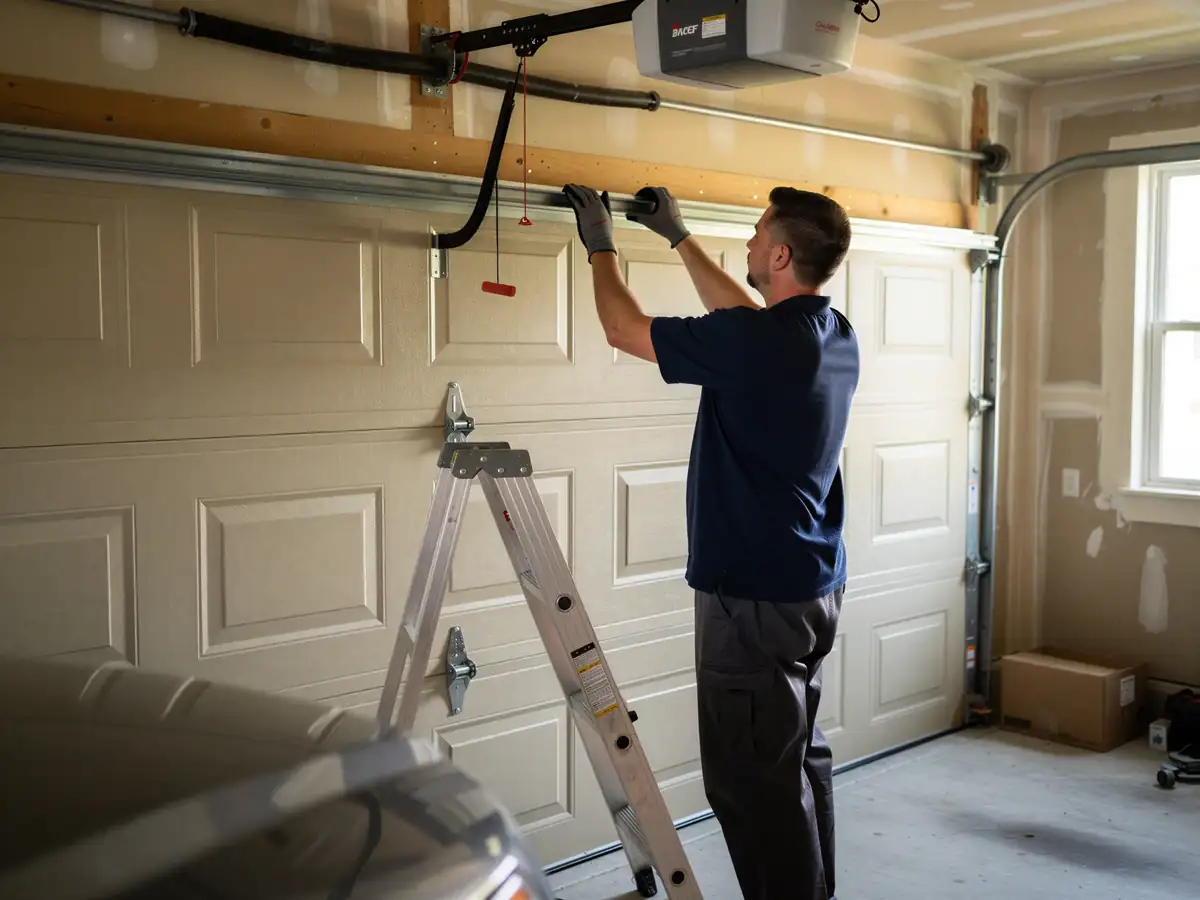
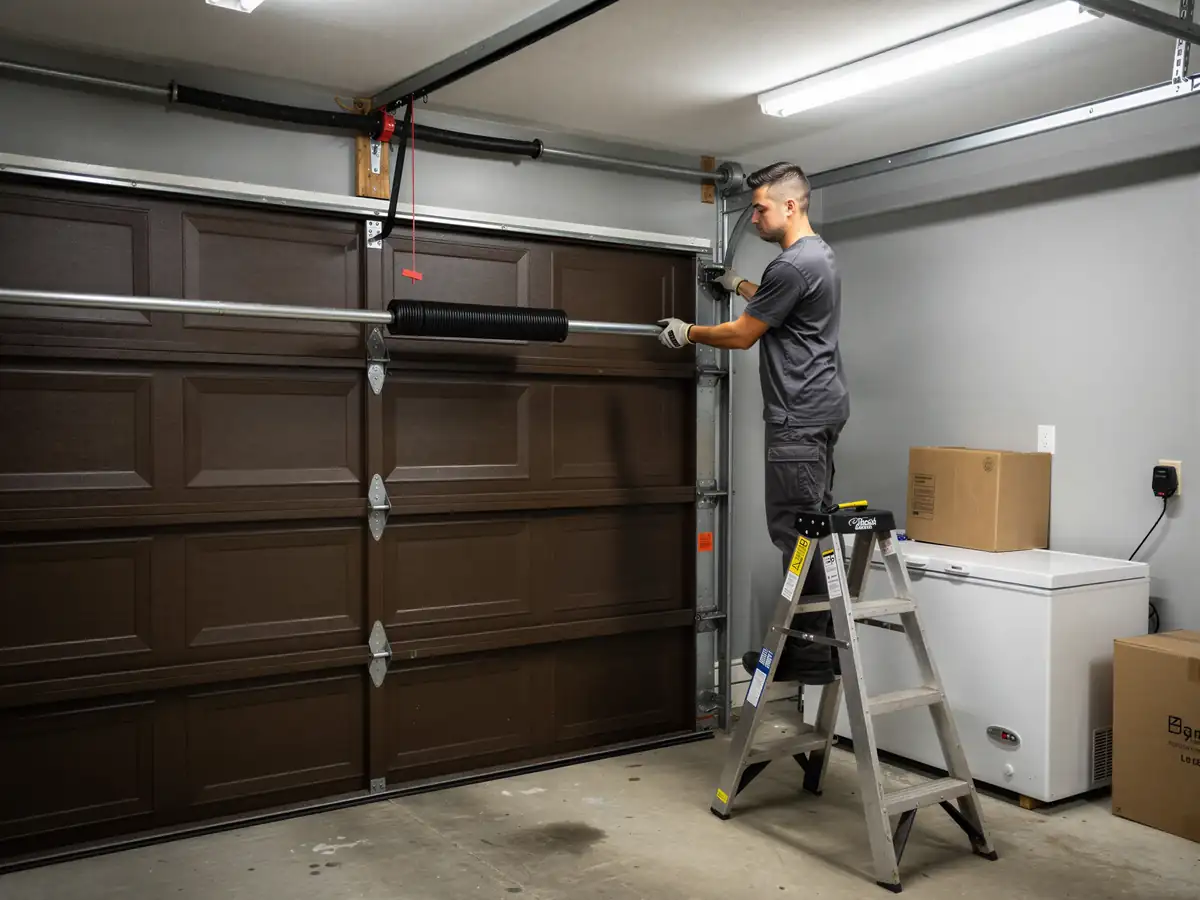
On the 1980s and 90s builds that make up most of this area's housing, the third issue shows up more than people expect. Steel tracks from that era were set with less tolerance for a house settling over decades, and a quarter inch of drift at the hinge side is enough to leave a visible gap even with brand-new weatherstripping installed. Swapping the seal without checking the track just gets you a new seal failing against the same gap in a year.
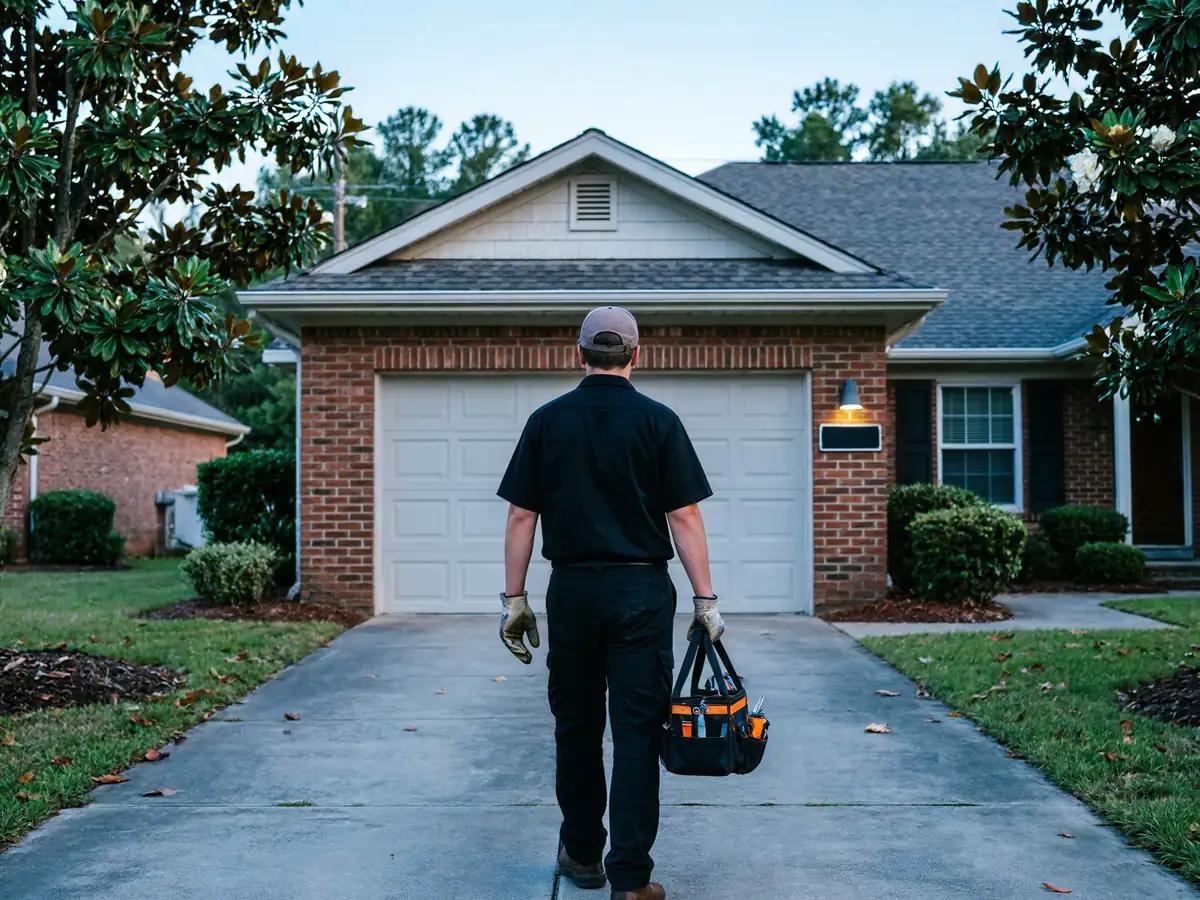
I'll be straight about a limit here: I can tell you what a seal swap costs to do right, but I'm not going to guess at your exact gap or track condition without a look at the door. Every house on this side of Greer settles a little differently.
What Changes With the Season
Winter is when the draft becomes obvious - cold air finds every gap, and a seal that was fine in August suddenly lets in a stream of air in January. That's also when rubber seals are stiffest and most likely to crack if they're already brittle, so a seal that looks intact in warm weather can still fail the first hard cold snap.
Spring and fall are the better time to actually fix it. The rubber is pliable enough to seat properly against the frame, and you're not fighting a seal that's gone rigid in the cold while you're trying to set it. Given the cold-moderate pattern here, that window usually runs a few weeks either side of the coldest stretch, not the dead of winter itself.
Summer heat doesn't do much damage to seals directly in this climate band, but it does mean a gap you ignored all winter is now letting conditioned air out instead of cold air in. The draft doesn't go away with the seasons - it just changes which bill it shows up on.