Checking It Yourself
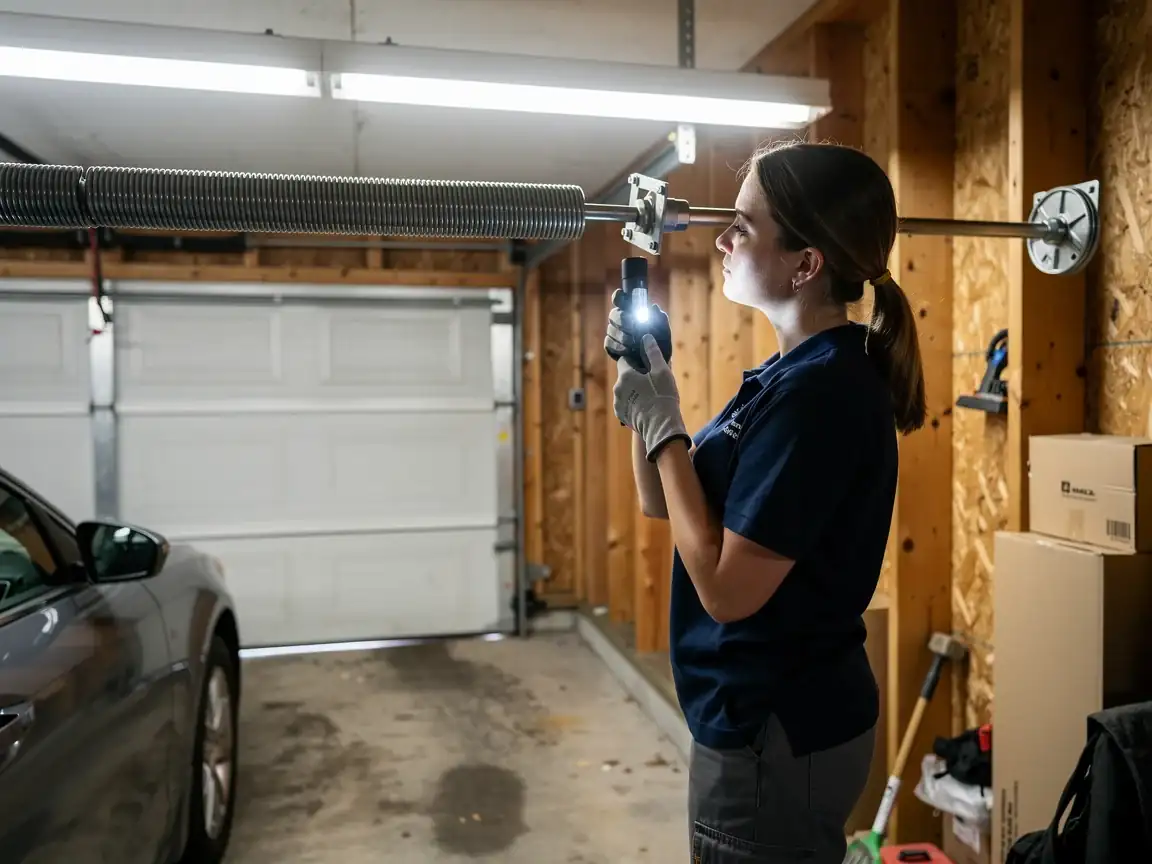
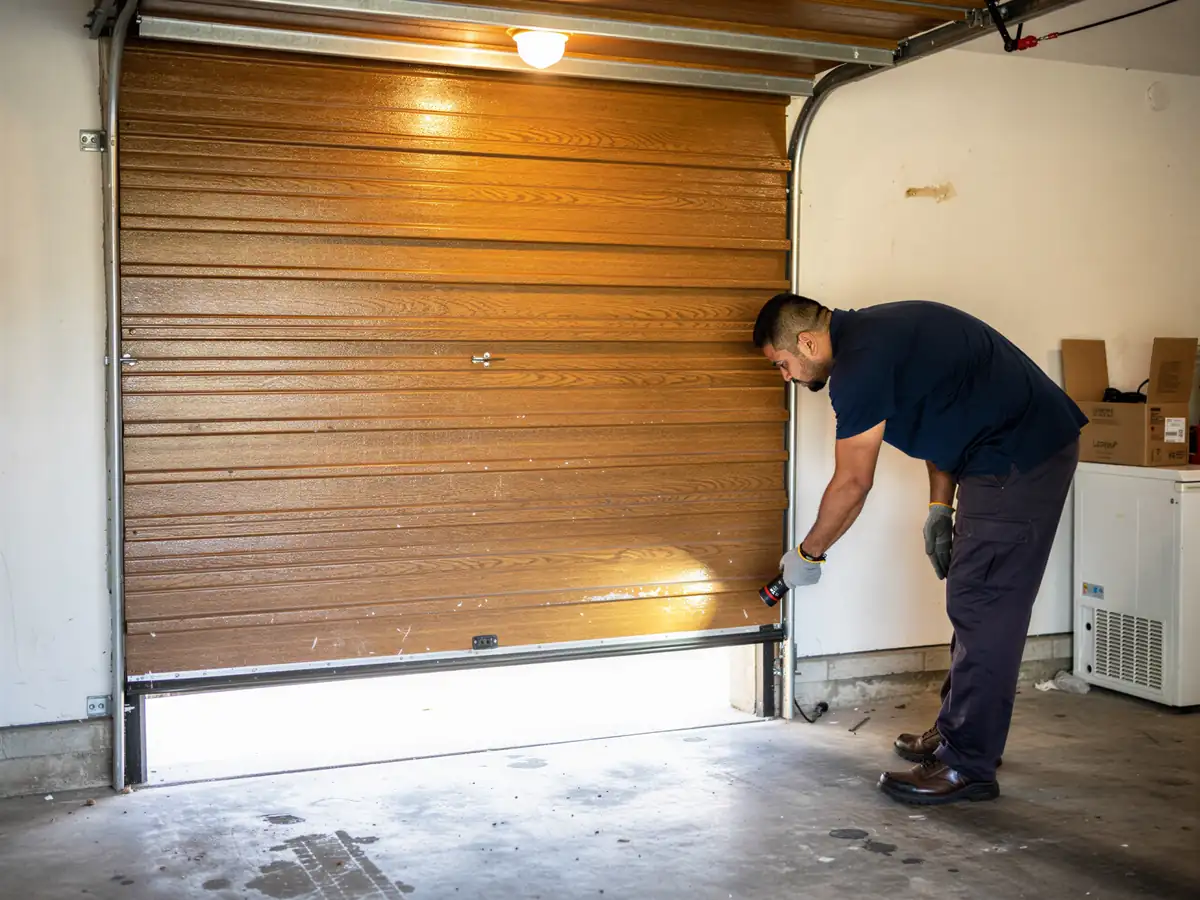
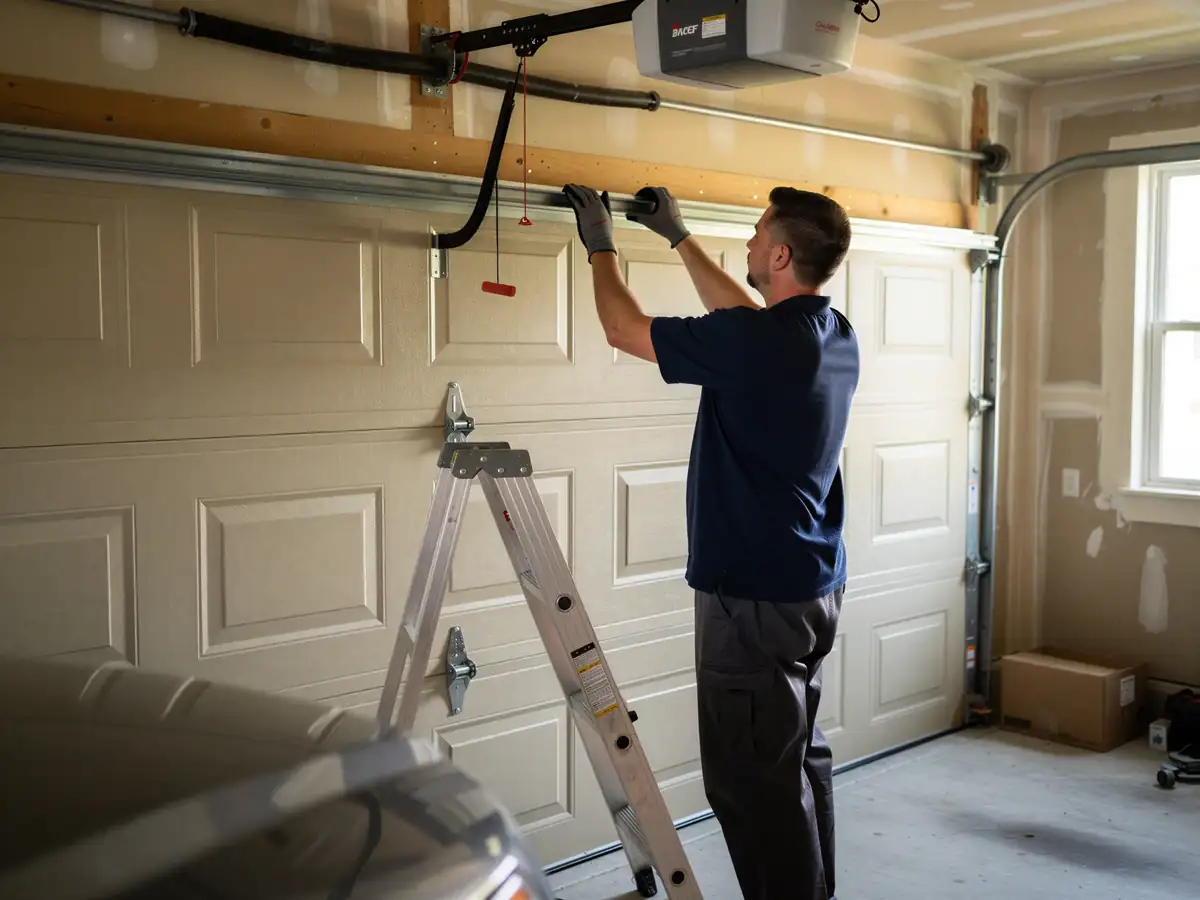
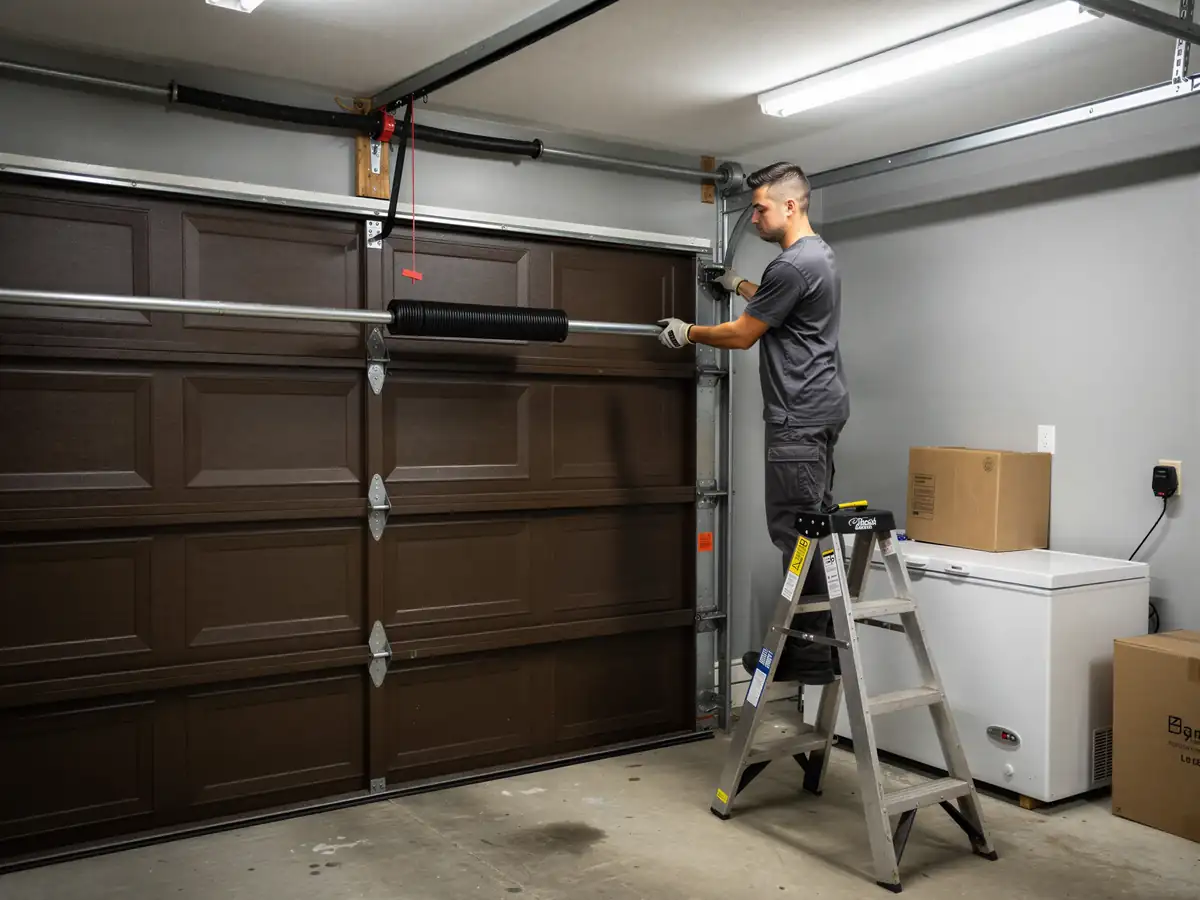
Before you call anyone, open and close the door by hand with the opener disconnected. If it moves smoothly and stays wherever you let go, the springs are still doing their job. If it drops like a stone or fights you on the way up, that's a spring problem, not an opener problem, and it's worth fixing on almost any door regardless of age.
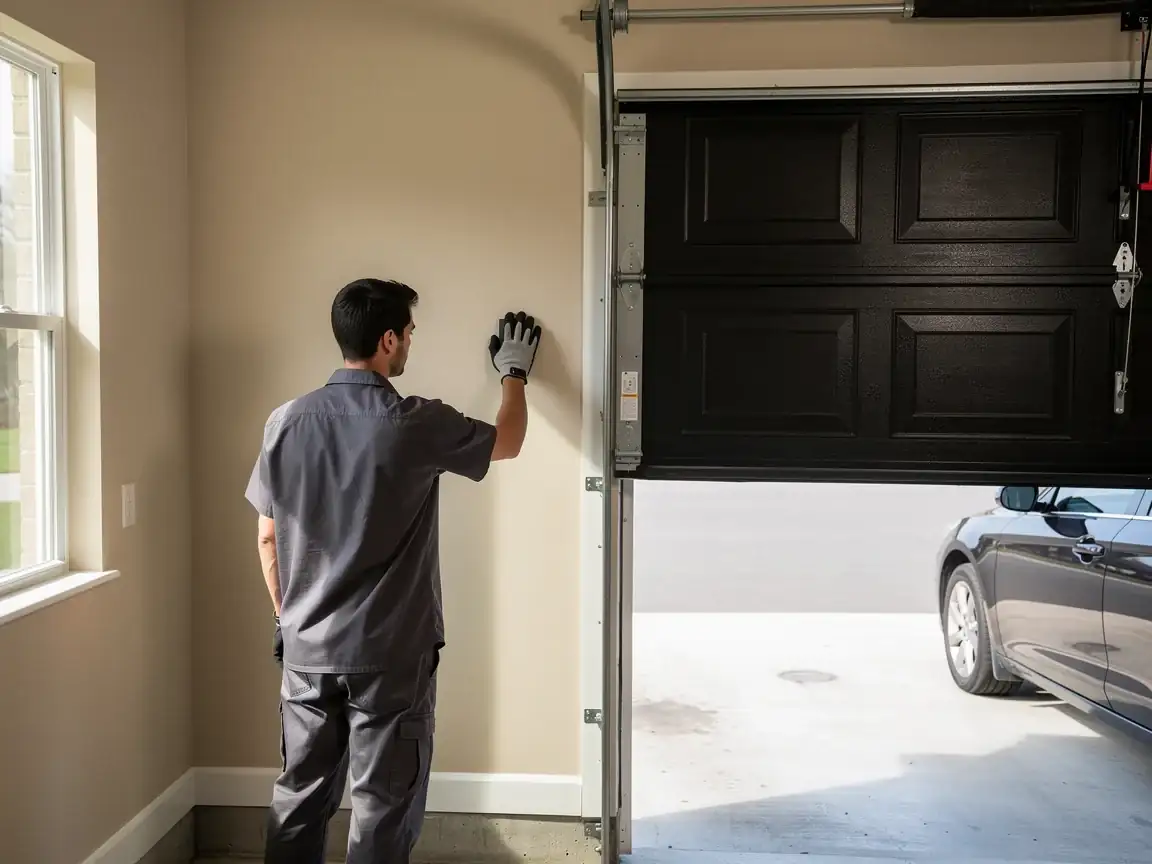
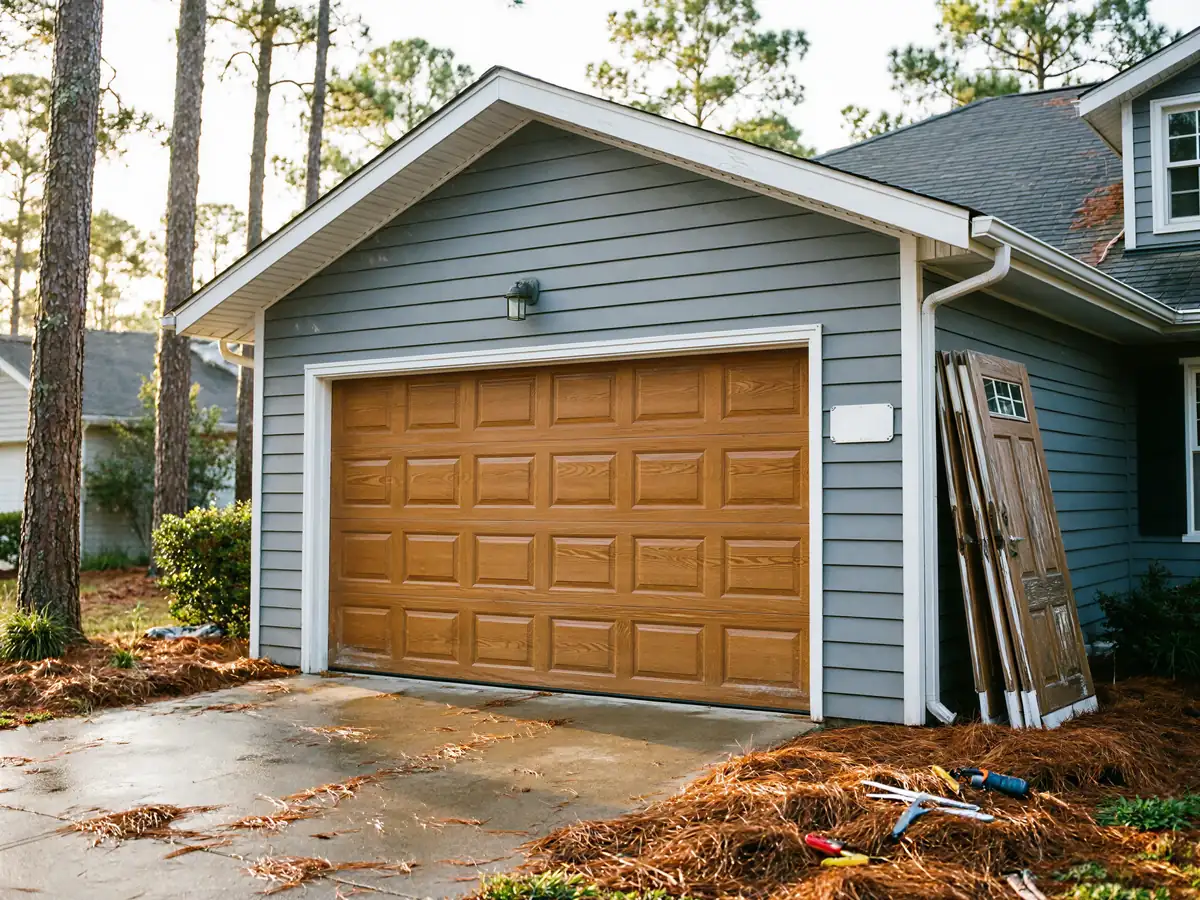
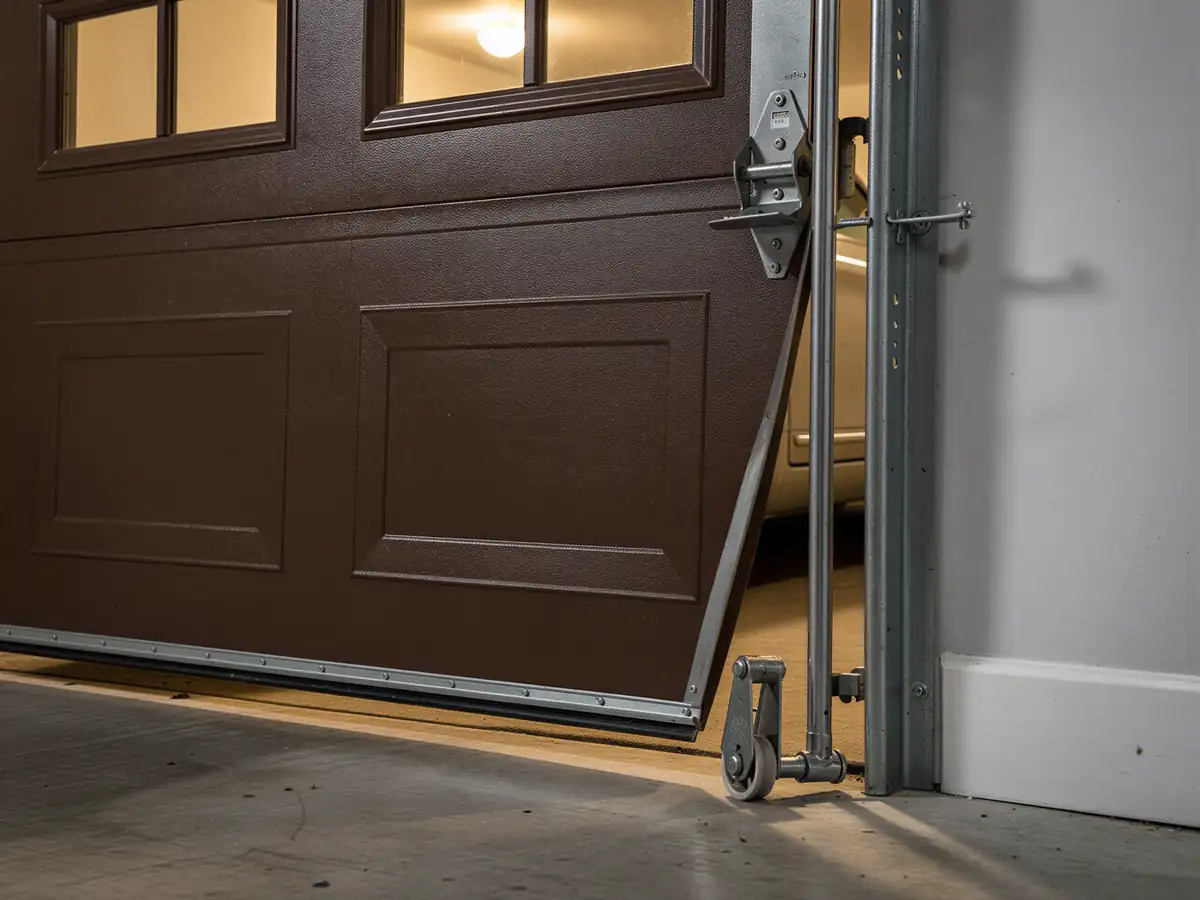
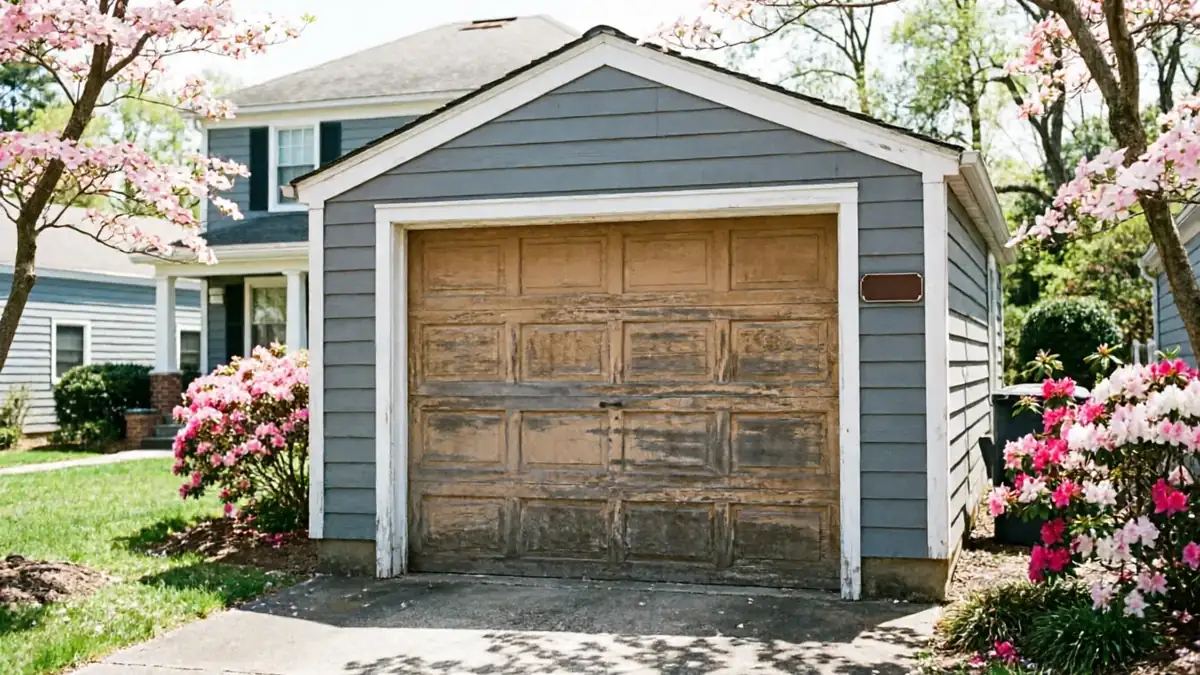
Check the track for rust pitting and look at the bottom panel for water staining or soft spots. A lot of houses around Greer went up in the 1980s and 90s, and doors from that era are often steel sandwich panels with a thin foam core. If the foam has broken down and the panel flexes when you press on it, that's a structural call, not a cosmetic one.
Listen to the rollers too. Grinding or popping on a door from the 1983 median build year usually means the original steel rollers are still in there and never got swapped for nylon. That's a cheap fix and almost always worth doing before you consider anything bigger. Write down what you hear and see - it saves time on the phone and helps you ask the right questions when someone comes to look at it.
How Local Conditions Play In
Greer sits in a cold-moderate climate band
Which means the area gets real winter swings but not the deep-freeze extremes that crack hardware outright. What that does instead is work on doors slowly - steel contracts in the cold, humidity swings in spring and fall, and a torsion spring that's already near the end of its cycle count tends to fail right at a temperature change rather than at the hottest or coldest point of the year.
With 48,742 owner-occupied houses across this service area
And housing running from 1938 up through 2013, you get a wide spread of hardware generations on the road. A door built to the code and spring tension of the early 1980s wasn't engineered with the same cycle life as something installed in the last ten years, so age alone tells you a lot about what's likely worn even before a tech lifts the door.
- 48,742 owner-occupied
What Is Going On
Most of what we see on older doors around here comes down to three things: springs that have outlived their rated cycles, hardware that was never upgraded when the opener was replaced, and panels that absorbed enough moisture over the decades to lose their shape.
A door is worth fixing when the track is still straight, the frame is square, and the failure is isolated to one part - a spring, a cable, a roller set. Those are bolt-on repairs on almost any door built in the last 80-plus years of this area's housing stock, because the basic geometry of a residential garage door hasn't changed that much.
Where it stops being worth fixing is when the panel itself is delaminating or the bottom section has rusted through from years of ground moisture. At that point you're paying for labor to patch something that'll keep failing. We'll tell you straight when we think that's the case - it doesn't help either of us to fix the same door twice in a year.
What Changes With the Season
In a cold-moderate climate, the hardest stretch on an older door is the first real cold snap after a mild fall - metal that's gone soft in warm weather has to deal with sudden contraction, and that's when a weak spring or a stressed cable usually lets go.
Spring is the other pressure point. Humidity swings after winter can swell wood-trim doors and tighten tolerances on steel ones just enough to make an already-worn roller start grinding. If your door is from anywhere in the wide range of ages common to houses here - and across the 32 named areas in this region, most of that stock dates to the 1980s and 90s - it's worth a quick check before the weather turns rather than after something breaks on the coldest morning of the year.