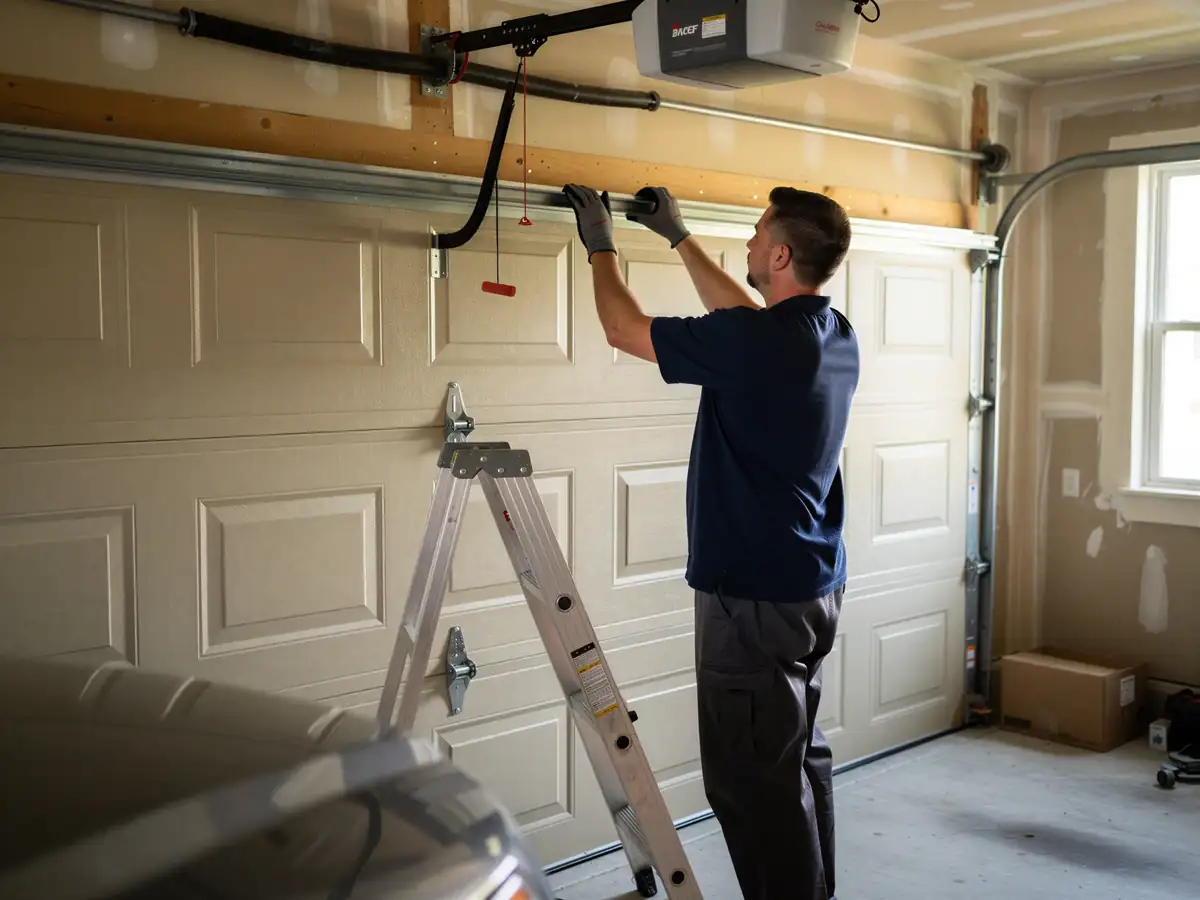
The Symptom
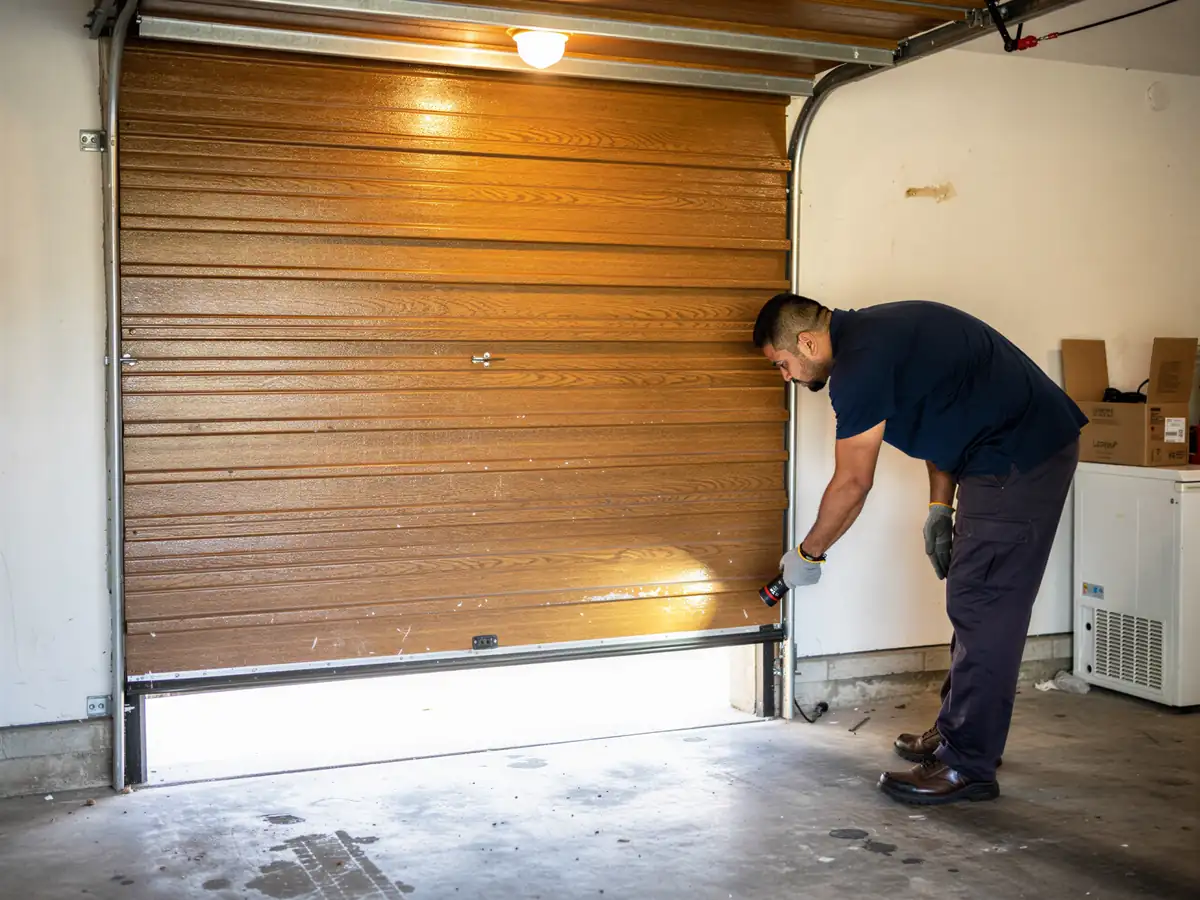
The opener chain-whips, grinds, or just hums and goes nowhere. Sometimes the light flashes and the door won't budge past a foot off the floor. Sometimes it opens fine and then slams down on its own. None of that means the door itself is bad - it usually means the opener is done, or it was never matched to the door in the first place.
Greer's housing runs from 1938 up through 2013, with the bulk of it dating to the 1980s and 90s. That range matters here specifically because an opener installed on a house from the early stretch of that span is working against hardware nobody designed it for - older trolley rail, a lighter door, mounting brackets that were never meant to carry a modern belt-drive unit. A straight swap, old unit out and new unit bolted to the same bracket, is how you end up back here in six months.
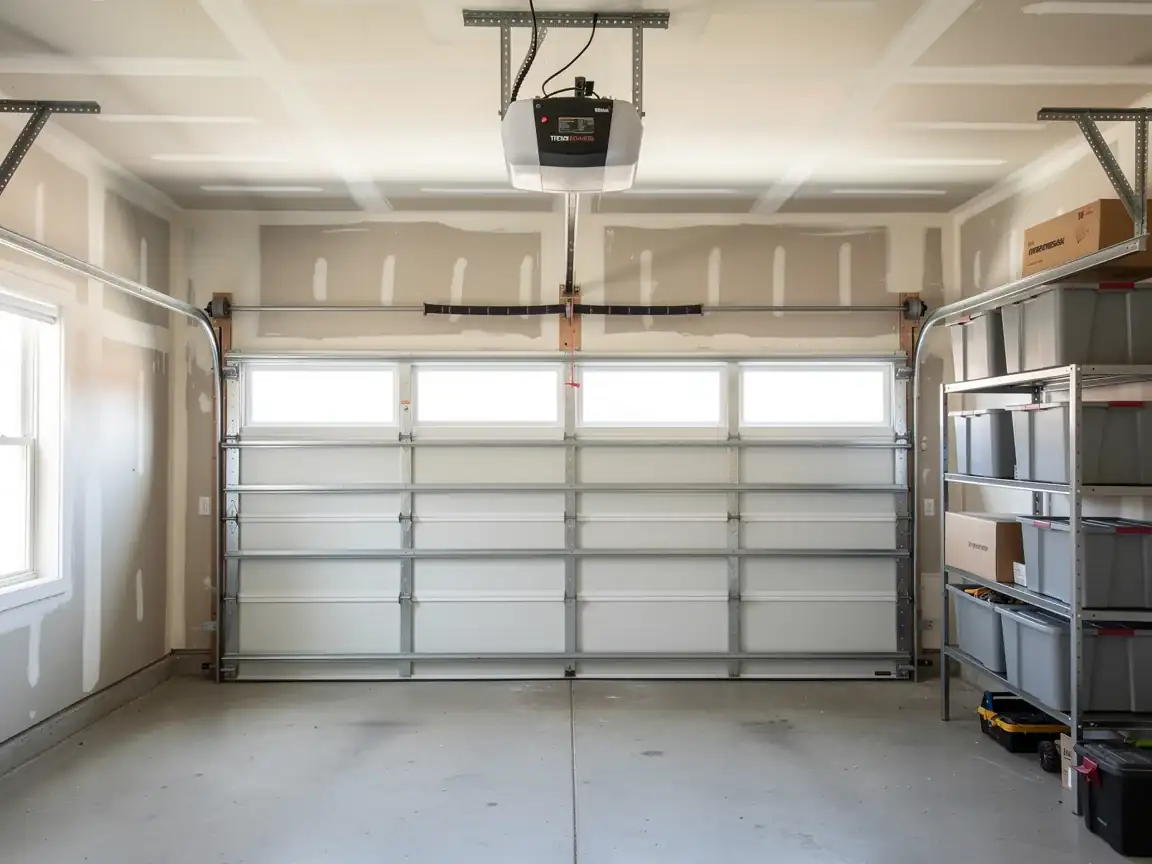
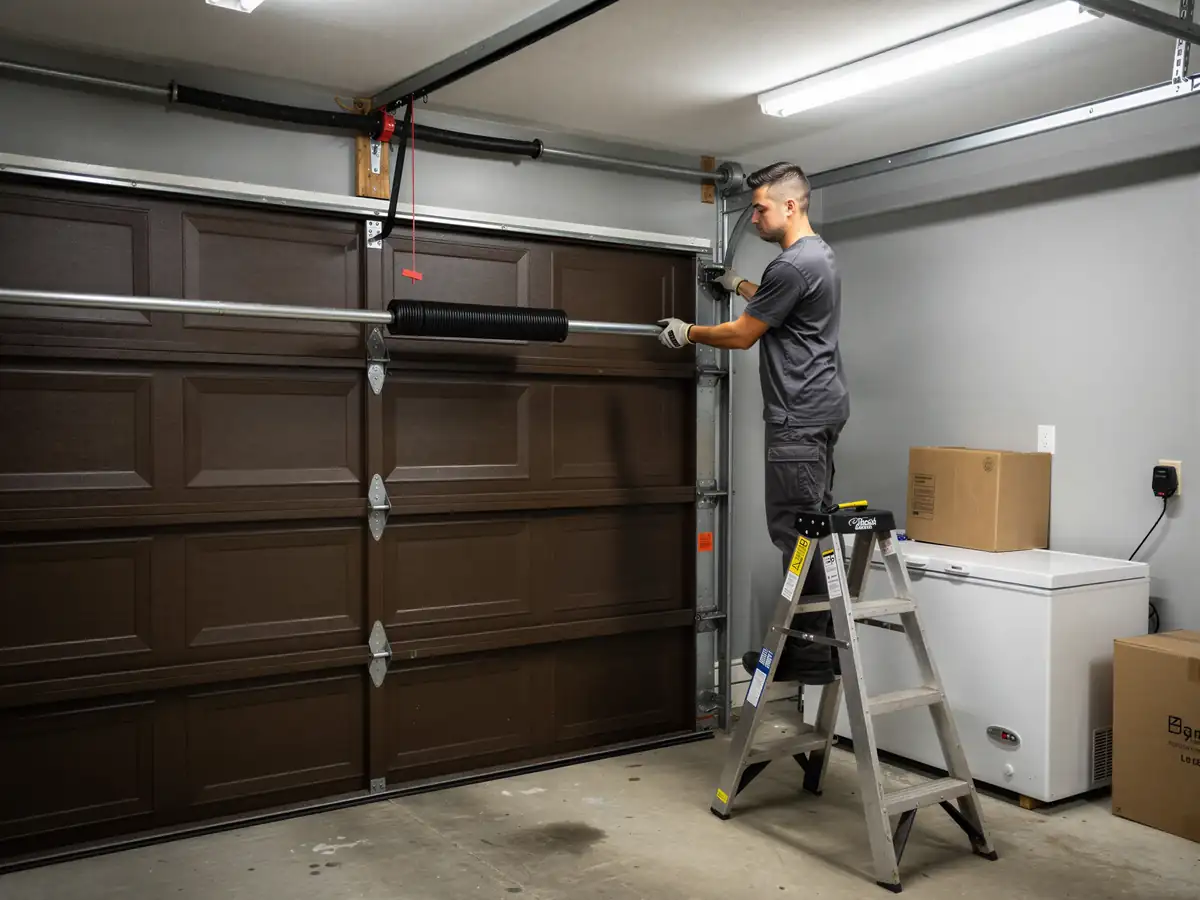
If your opener is original to a house built decades ago, the fix usually isn't a new opener on the old mount. It's checking the rail, the arm, and the header bracket before anything gets powered on.
The Cost of This Job
We're not going to put a number here that doesn't hold up once we're standing in your garage
What drives the cost on this job is the stuff you can't see from the driveway: whether the header above the door needs reinforcing, whether the existing wiring is usable or needs to be run fresh, whether you want a chain, belt, or wall-mount unit, and whether the door itself is heavy enough to need a beefier motor.
Households across this area range widely in income
With a median around $55,671, and we see that reflected in what people ask for - some want the simplest reliable unit, others want battery backup and smartphone control. Both are reasonable. What's not reasonable is quoting a flat price over the phone before anyone's looked at the bracket, the door weight, and the wiring. We'll tell you the real number on site, before we touch anything.
One honest limitation
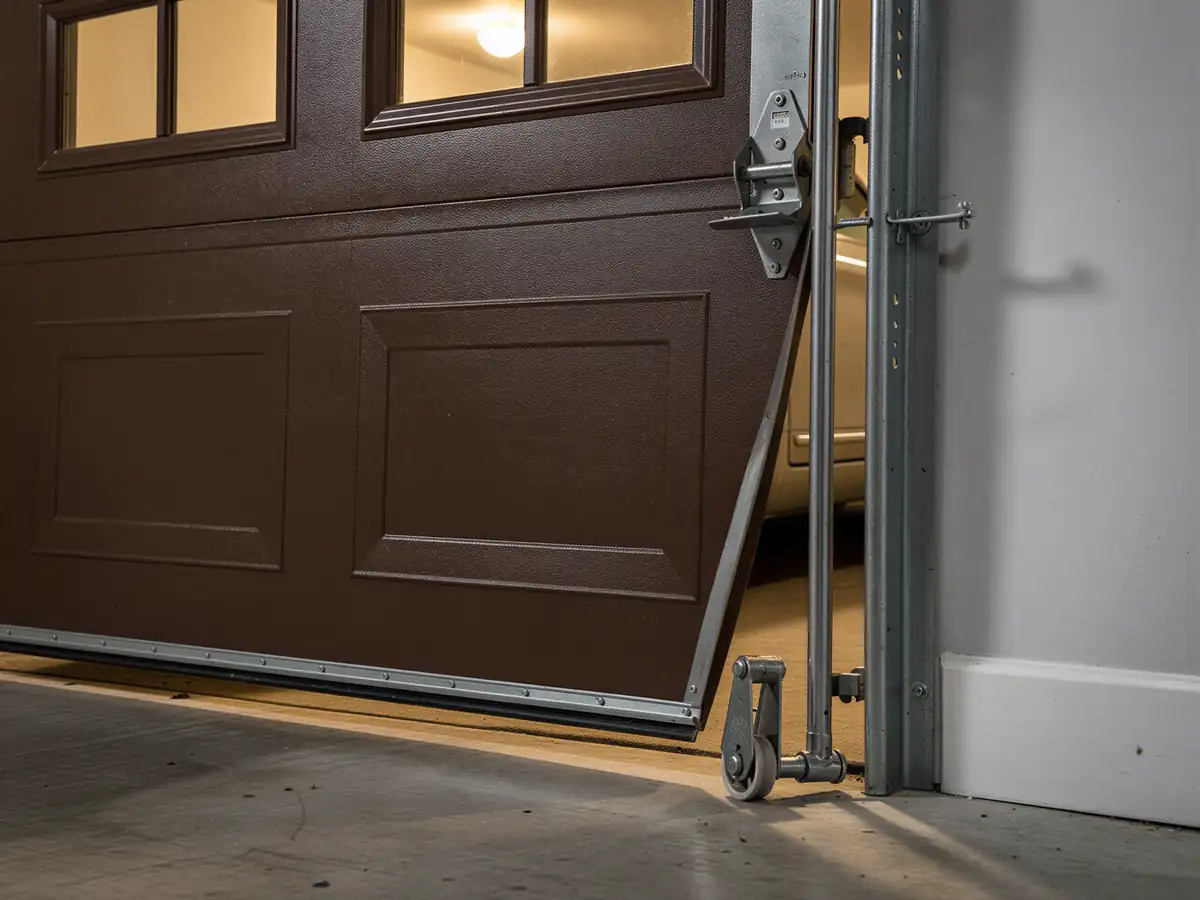
If your garage door itself is sagging, off-track, or has a cracked panel, installing a new opener on it is a waste of money. We'll say so rather than bolt a new motor to a door that needs replacing first.
Booking a Visit
We cover Greer and the towns around it - Duncan, Taylors, Lyman, Wade Hampton, Startex, Wellford, Reidville, Five Forks, Inman Mills, Inman, Mauldin, Sans Souci, Fairforest, Travelers Rest, Dunean, Arcadia, Parker, Berea, Southern Shops, Gantt, Campobello, Saxon, Roebuck, Valley Falls, Welcome, Boiling Springs, Fountain Inn, Slater-Marietta, Landrum, and Woodruff - for this same opener work.
When you call, tell us the brand if you can read it off the unit, whether it's chain or belt, and roughly how old the door is. That lets us bring the right rail length and bracket hardware instead of making a second trip. If you don't know any of that, that's fine too - we'll figure it out on site.
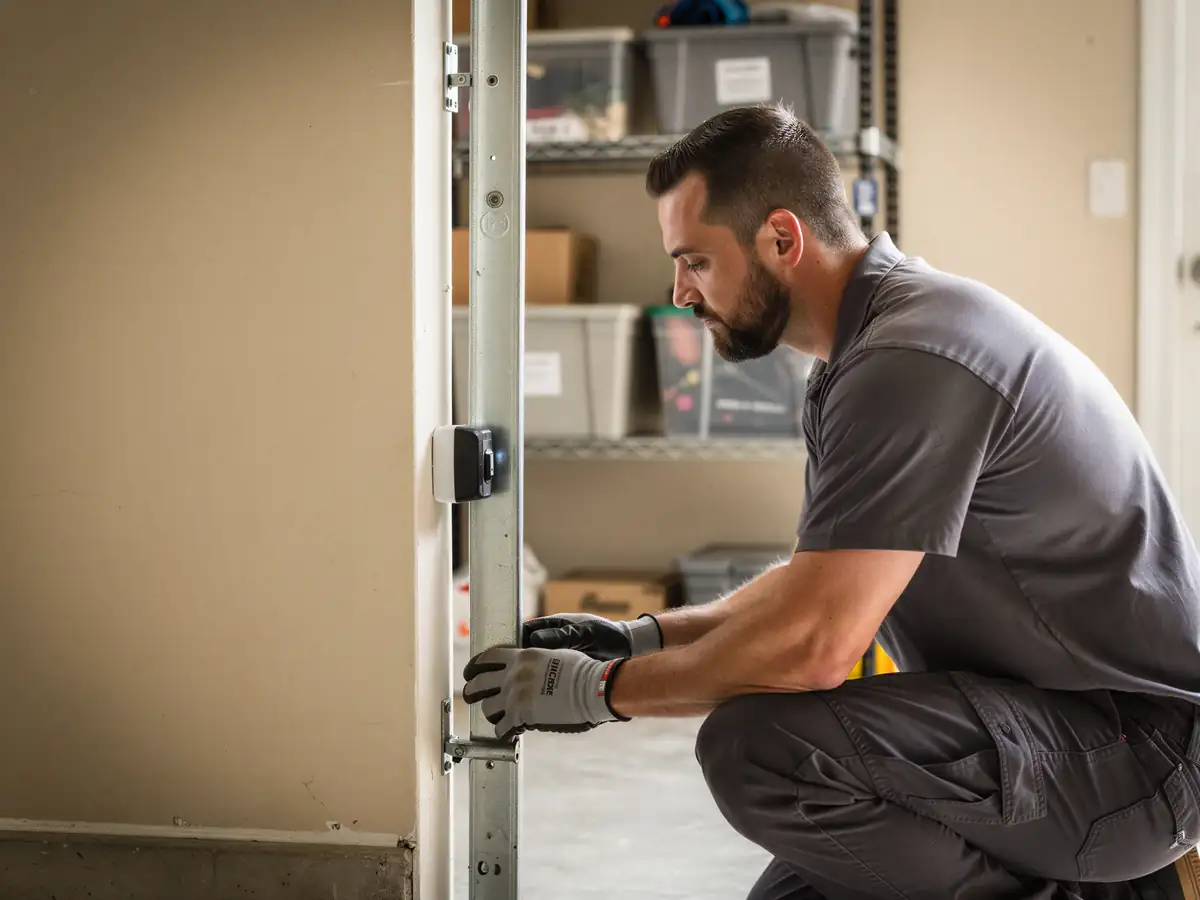
We book this as a single visit in most cases: removal of the old unit, inspection of the header and track, and install and programming of the new one, including the remotes and keypad. If the bracket needs rebuilding or the wiring needs to be rerun, we'll tell you that before we start, not after.
What Causes It Around Here
Two things line up in Greer's favor against it. First, the age spread - homes from 1938 to 2013, with most of the stock from the 1980s and 90s - means a lot of openers installed during the original building boom are reaching the end of their service life around the same time, especially chain-drive units from the 80s and 90s that were never updated with modern safety sensors.
Second, the climate band here is cold-moderate, which means winter cold snaps and summer humidity swings both put stress on the gears and belts inside an opener housing that was never sealed for it. A motor that's fine in May can seize or slip in a hard January cold snap, especially if it's already fifteen-plus years old.
Put those two together and you get a predictable pattern: opener failures cluster in houses from the older end of that 1938-2013 range, and they tend to show up right as the weather swings hard one way or the other. It's not bad luck. It's the age of the stock and the climate doing what they do to a part with moving metal and a belt.