What Was Built Here
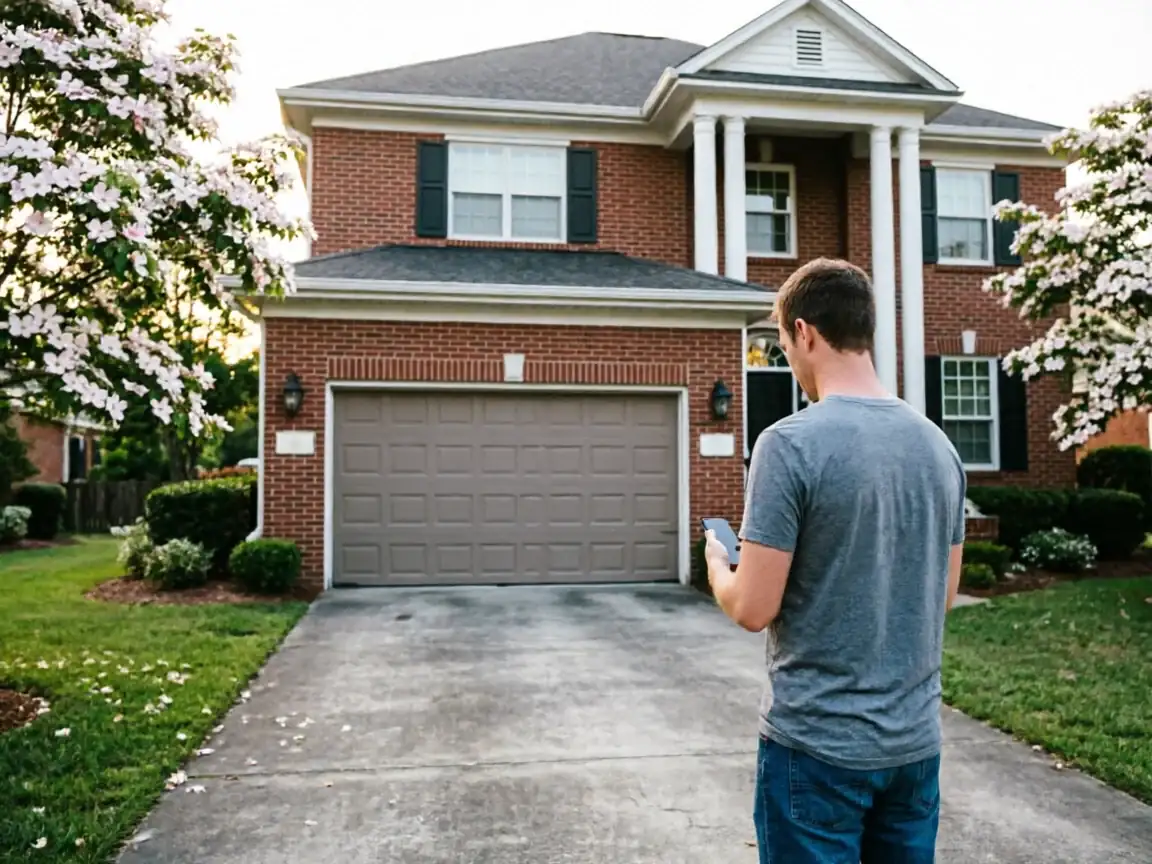
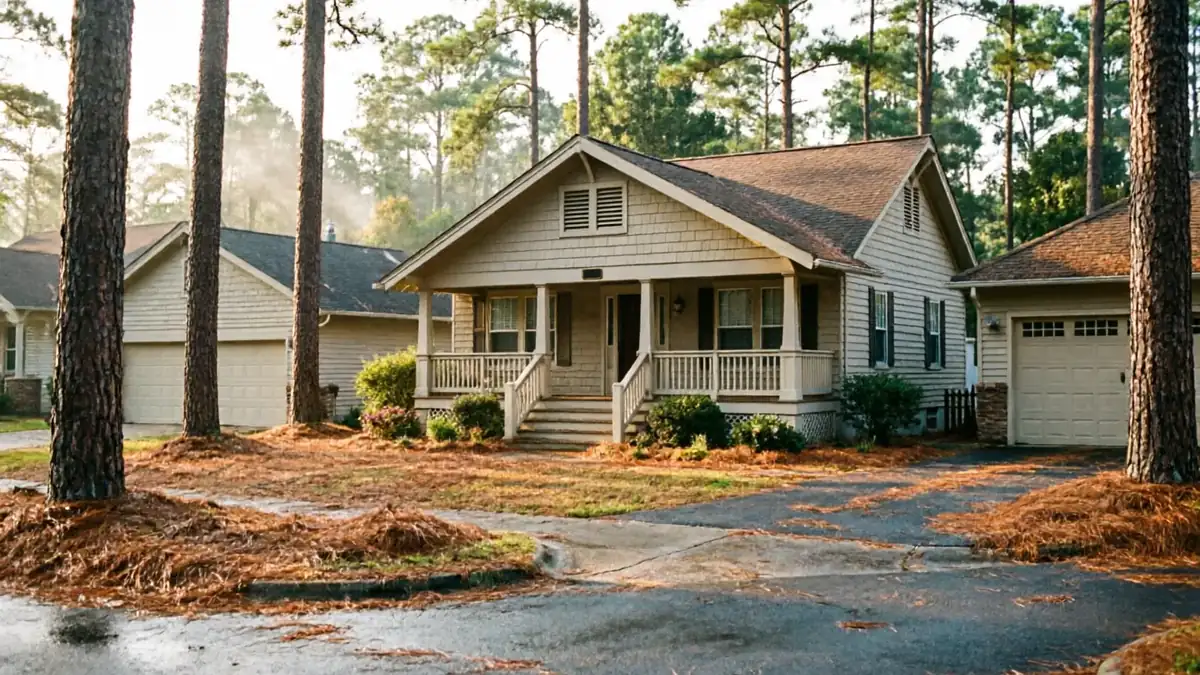
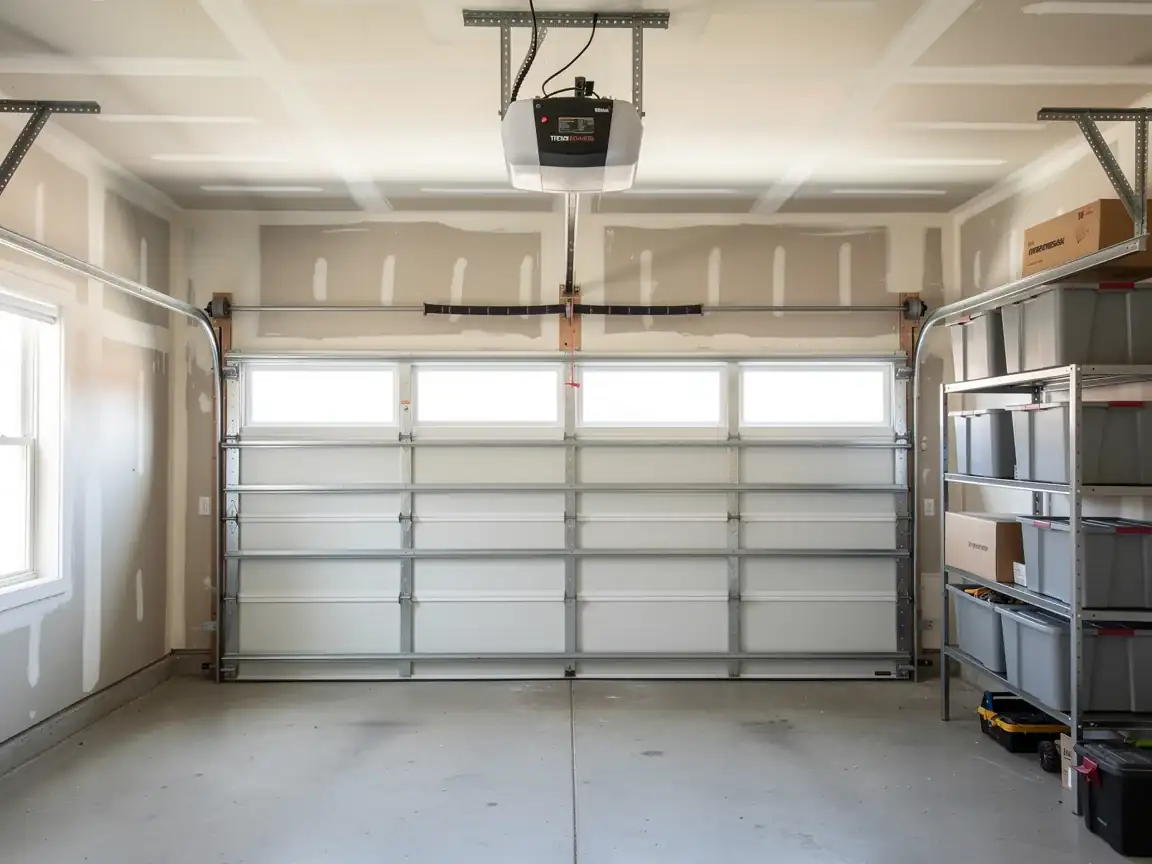
Taylors sits right on the service area's own midpoint: a median year built of 1983, which lines up with the broader area's 1938-to-2013 range and its own 1983 median. That's not a coincidence of the data - it means the subdivisions around Taylors went up in the same wave as most of the territory we cover, rather than skewing older or newer than the rest. With roughly 9,346 households in Taylors itself, against 97,161 households and 48,742 owner-occupied houses across the full service area, this is a smaller, denser pocket of that same early-80s build-out. Median household income here runs $71,747, noticeably higher than the $55,671 median for the broader area. That income gap matters in a practical way: more of these homeowners replace an aging opener or a dented panel outright instead of nursing it along for another five years. The housing is not new construction and it is not pre-war stock either - it's squarely the first wave of steel-panel, chain-drive-opener garage doors, now forty-plus years into their service life.
How That Shows Up in the Door
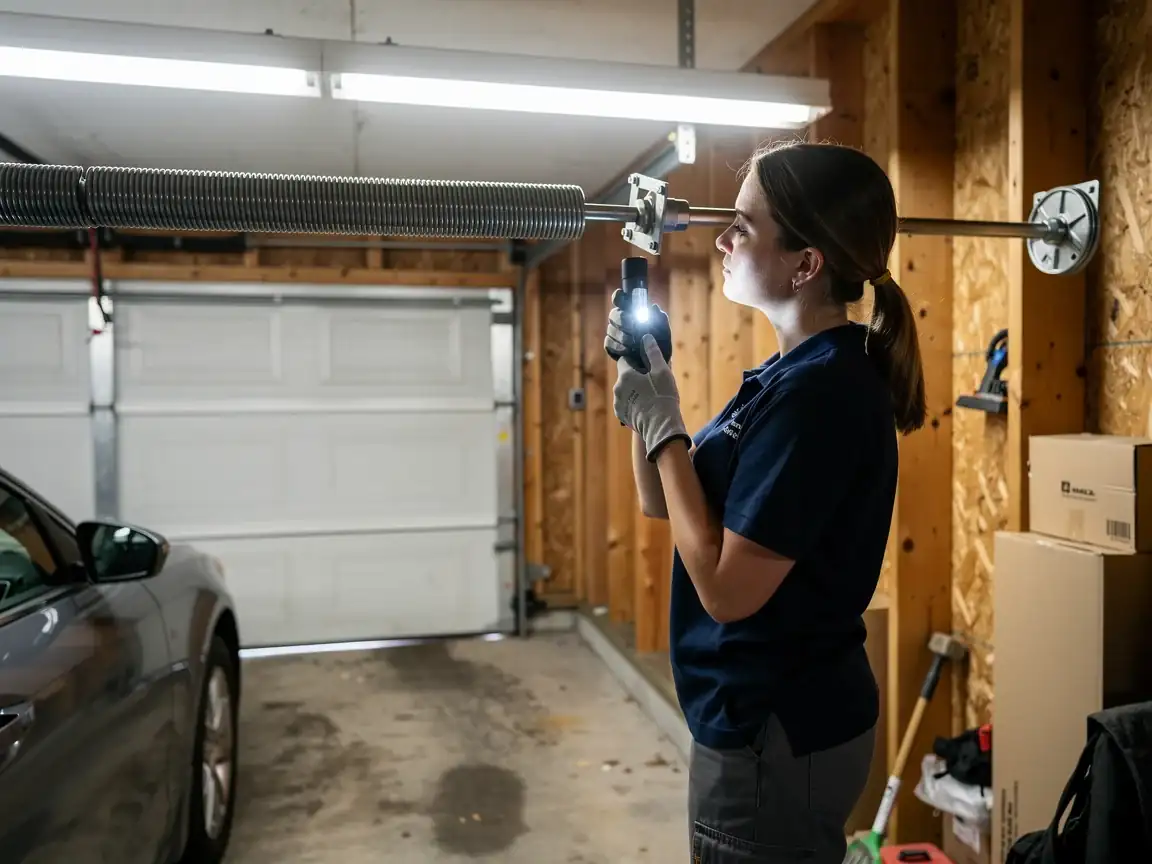
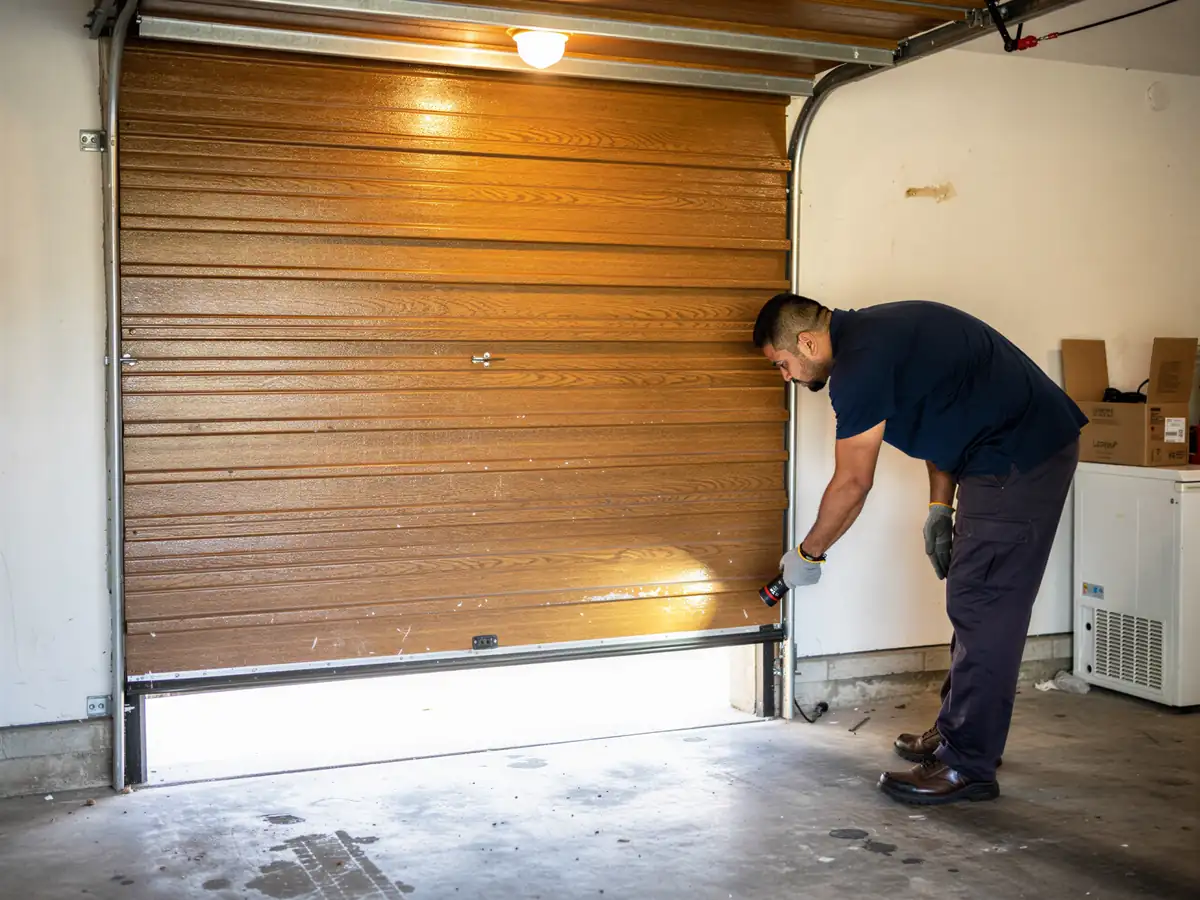
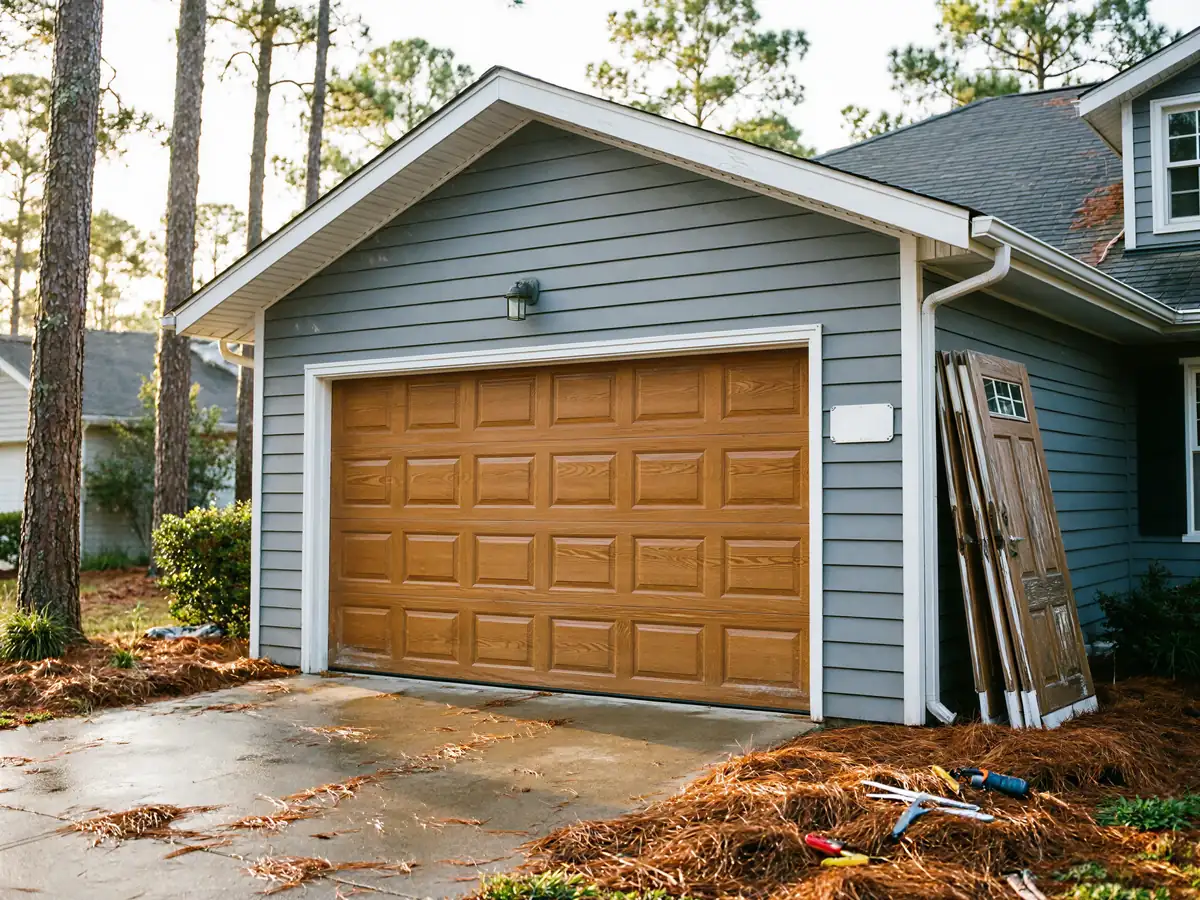
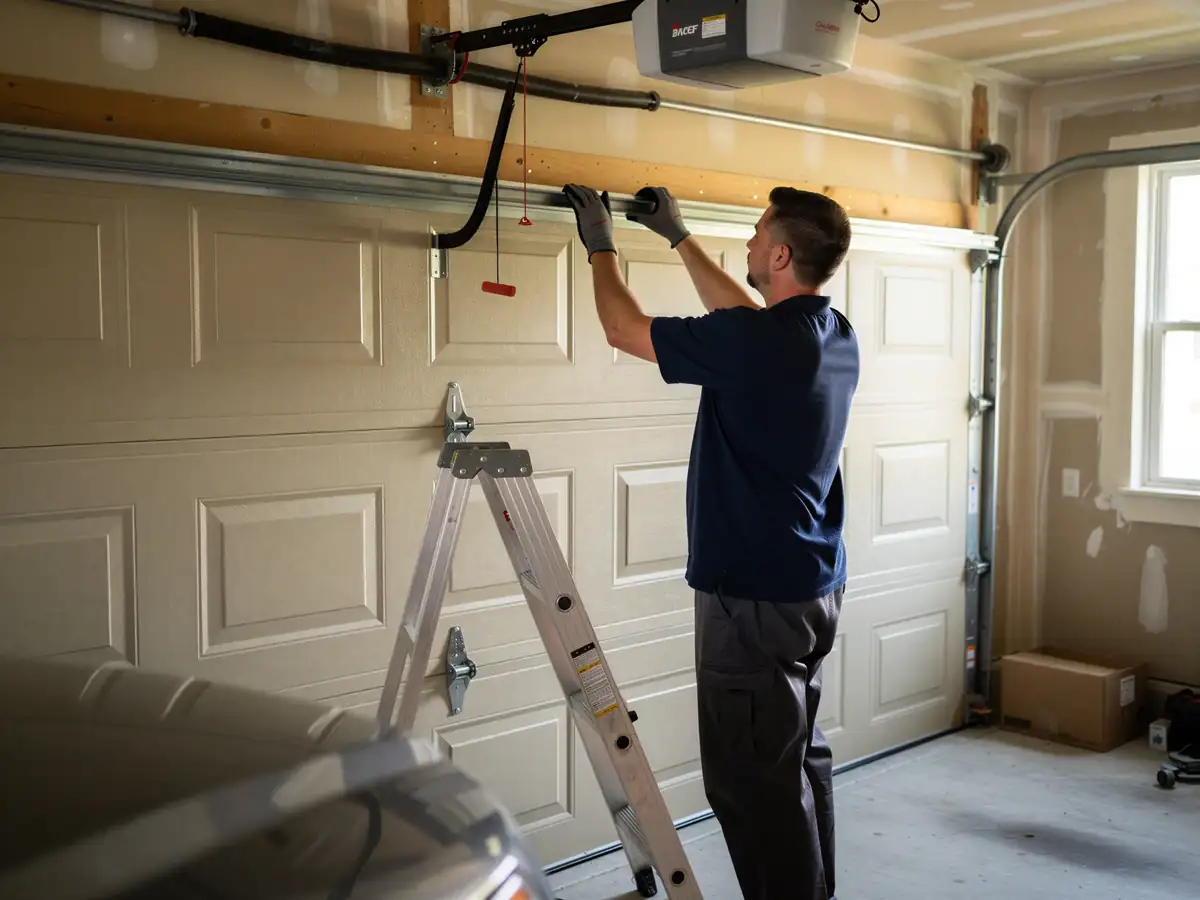
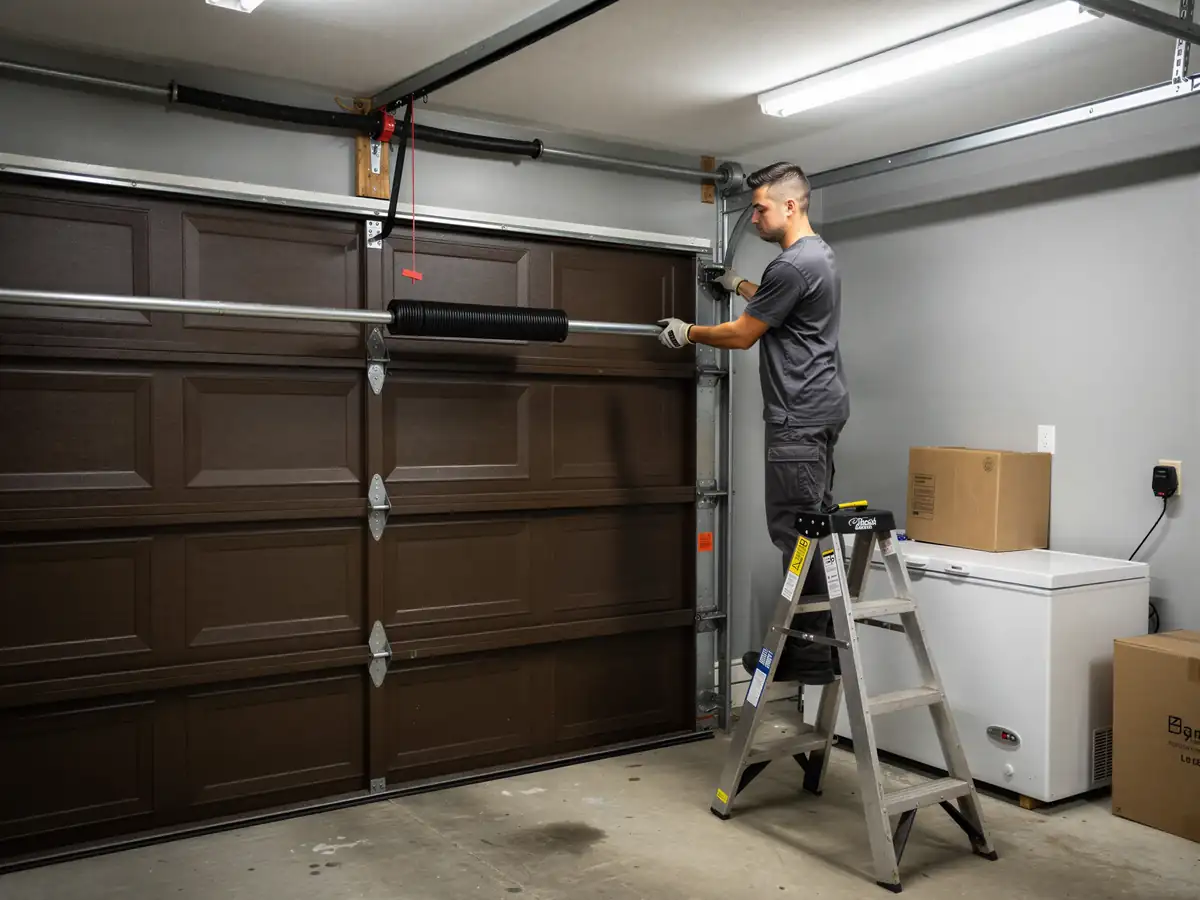
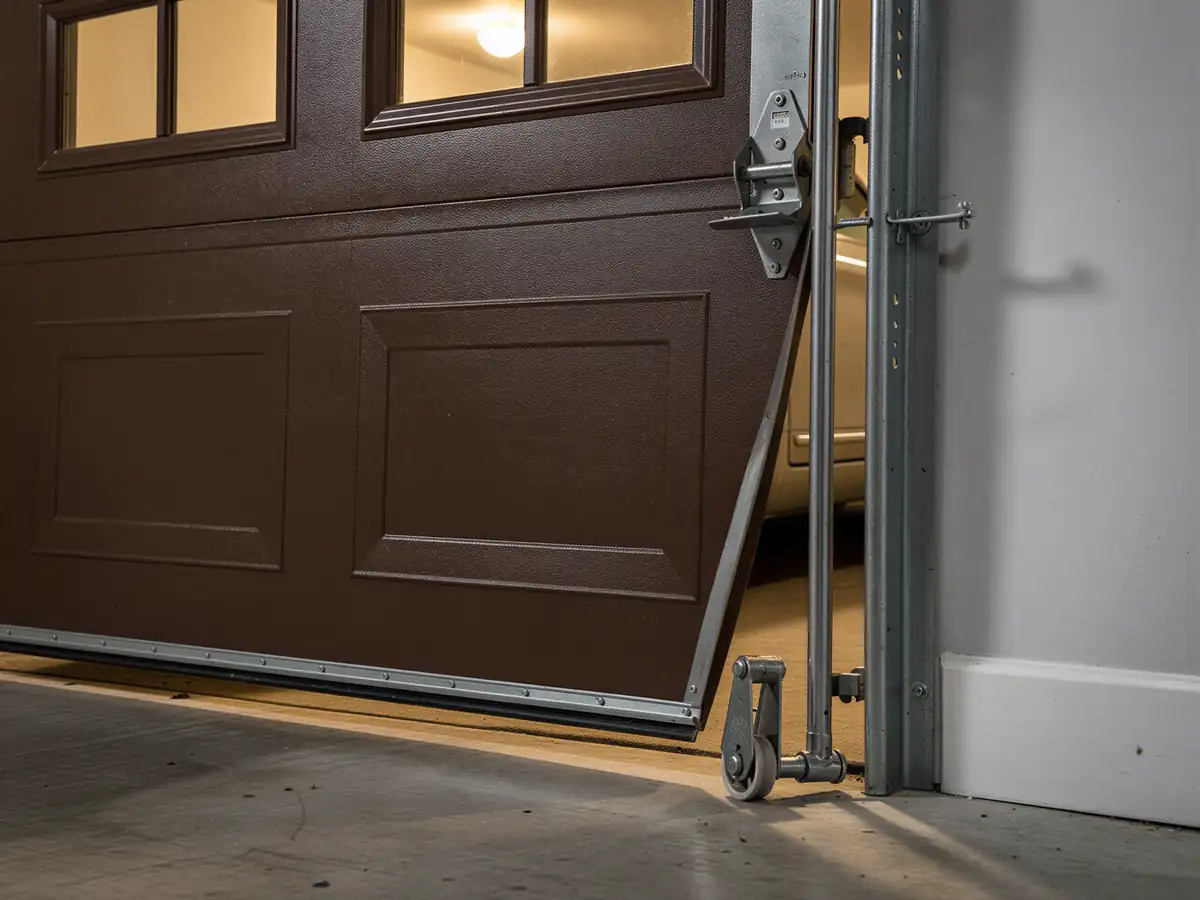
The service area sits in a cold-moderate climate band, and that has a real effect on hardware this old. Steel contracts in winter cold, which is rough on springs that are already fatigued from four decades of cycling - a spring that's been creaking all fall is the one that snaps on the first hard freeze. Nylon rollers and worn weatherseal both stiffen up in cold weather, so a door that drags a little in October can bind completely by January. Garage doors built when Taylors' housing stock went up weren't engineered with today's insulation standards in mind, either, so a lot of these doors are single-layer steel with no thermal break - fine for a mild fall day, less fine once the cold sets in and the opener has to work harder to move a door that's stiffer than it was built to be. We can't make a forty-year-old door insulate like a new one; a full replacement is usually the honest answer once the panels themselves are the problem, not just the hardware.
How Soon We Can Come Out
We run out of Greer, and Taylors is about 5 miles from there - one of the closer stops on our route, not a separate branch or depot. We don't post a guaranteed response window because it depends on where the truck already is that day, but the short drive from Greer means Taylors doesn't sit at the back of the line. One honest limitation: if your opener needs a specific logic board or a spring size that isn't something we carry stocked on the truck, that part can take a few days to come in, and we'll tell you that up front rather than promise same-day on something we can't get our hands on yet.