The DIY Question
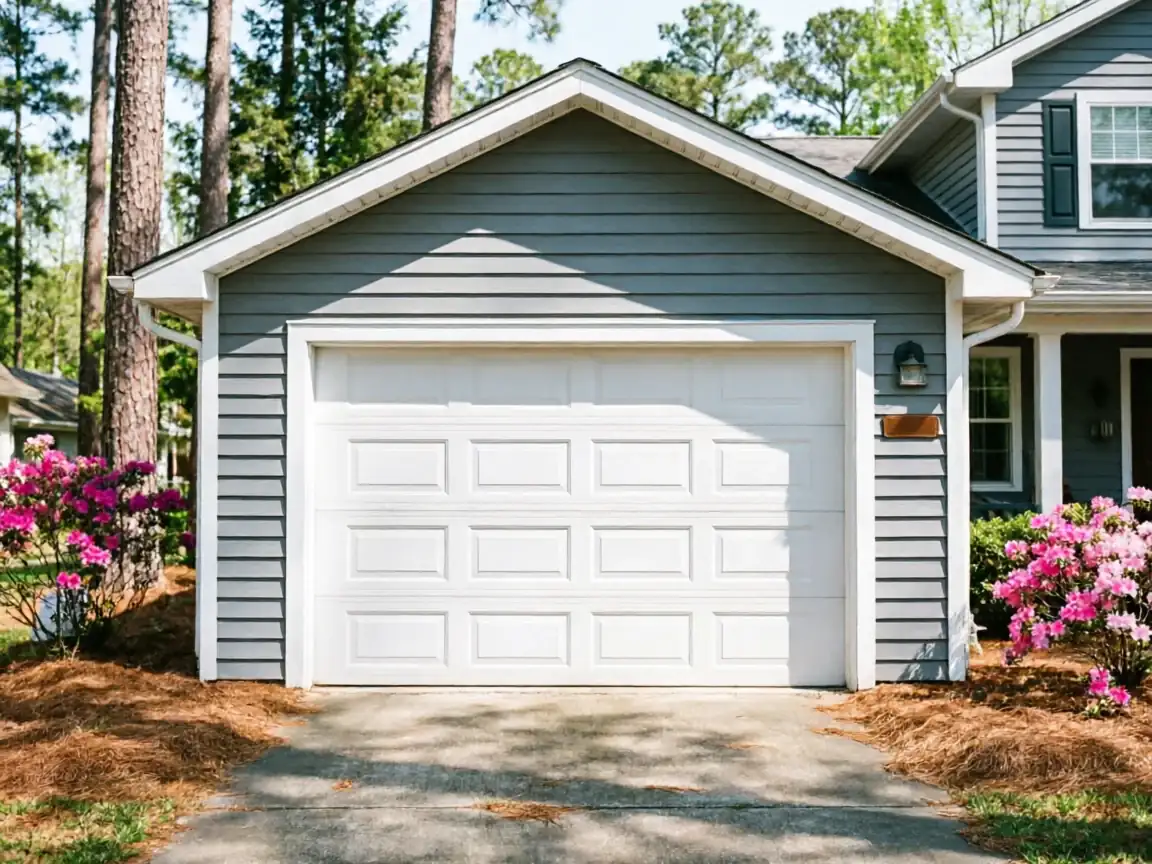
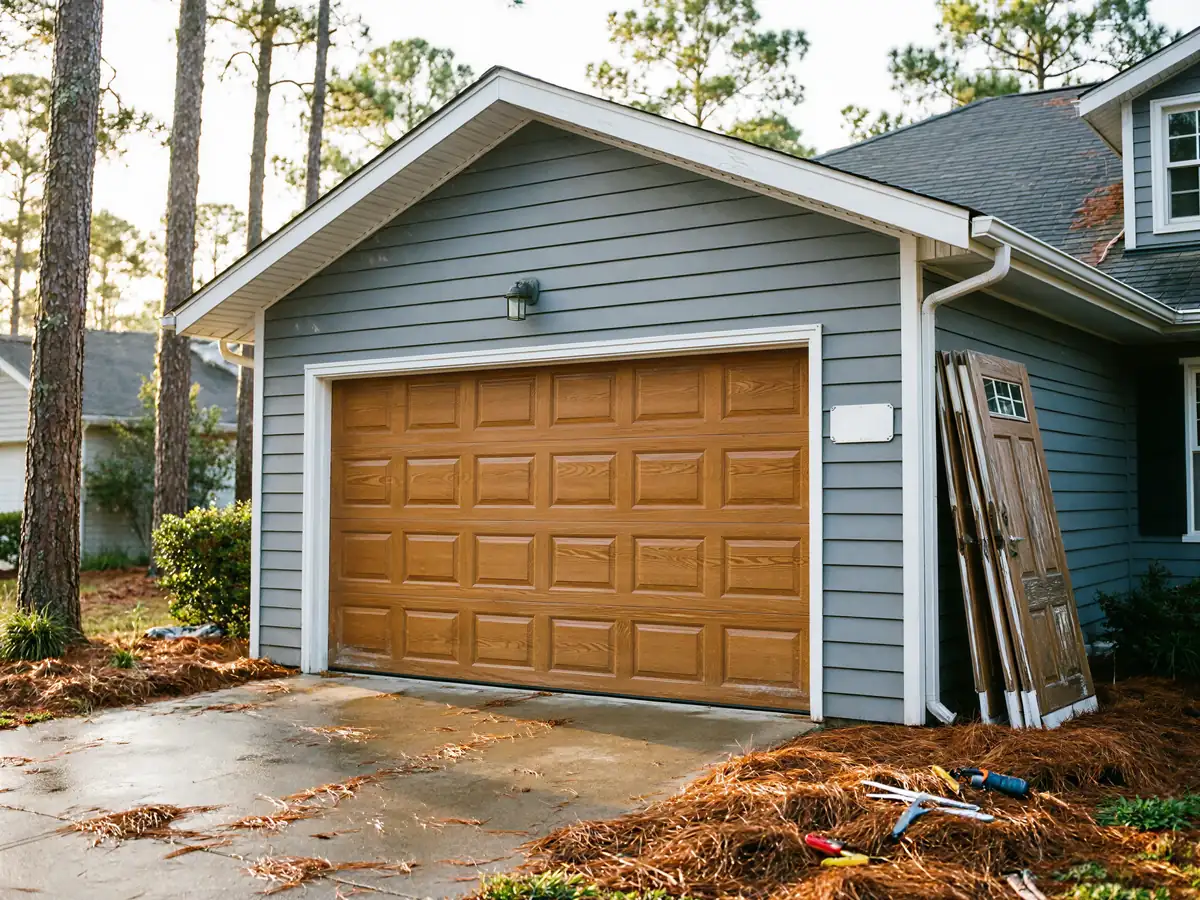
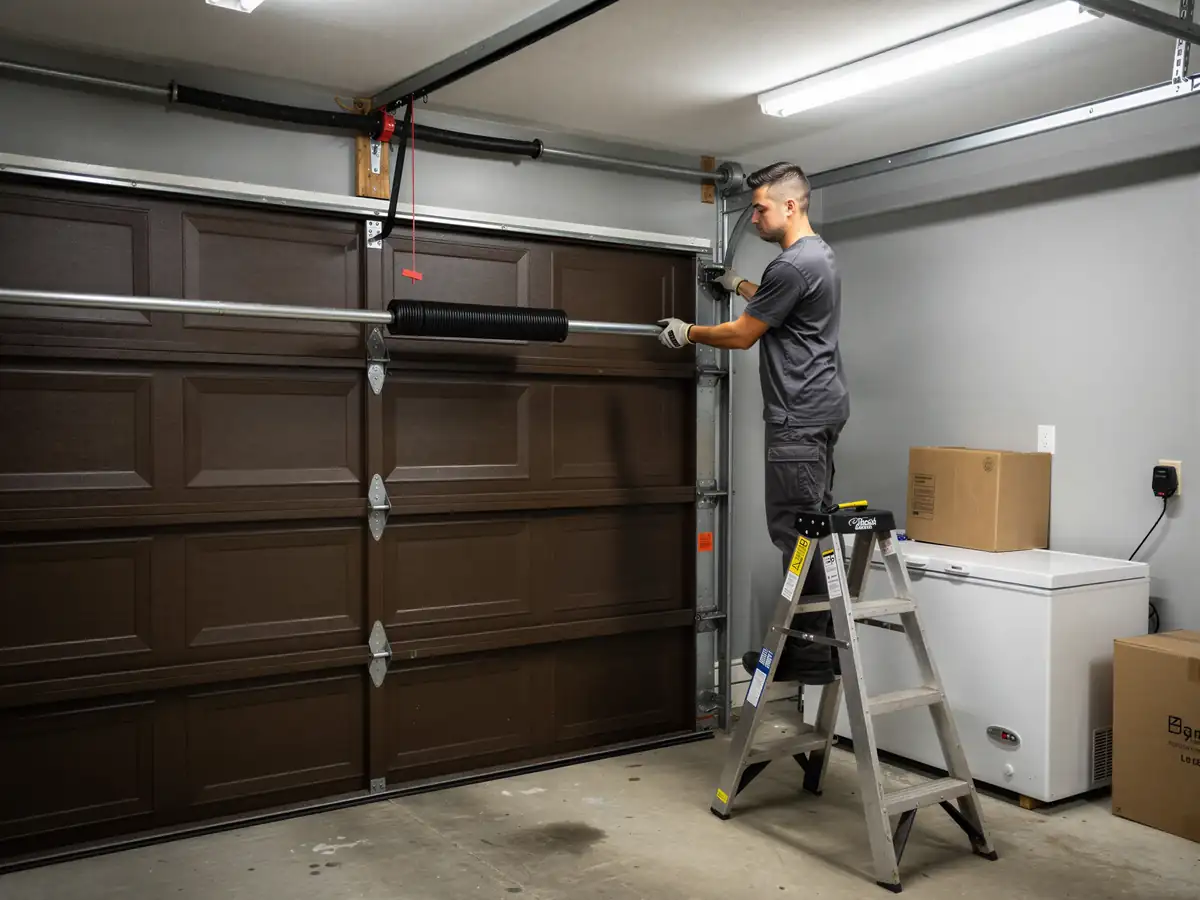
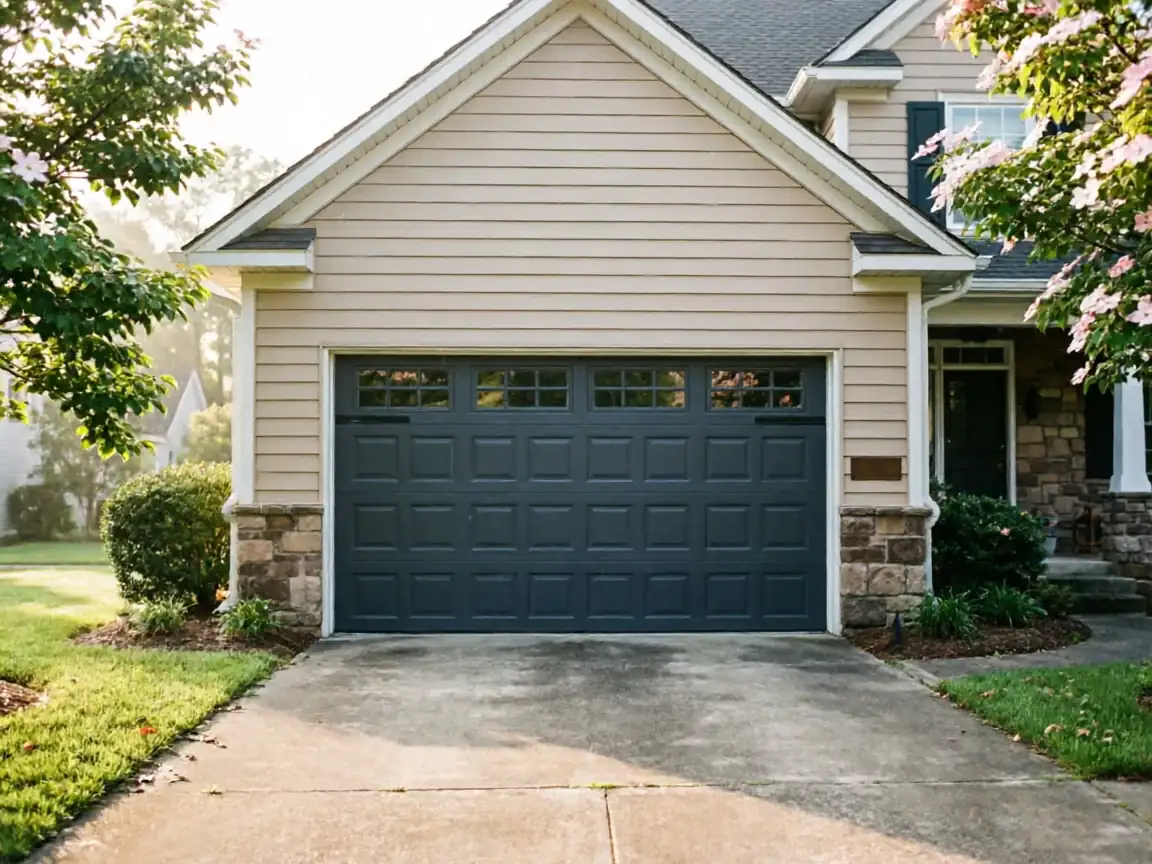
A lot of the doors we see in Taylors are steel sectional units installed when the house was built, somewhere close to 1983 for the typical place out here. That's a 16-by-7 double or an 8-by-7 single, non-insulated or lightly insulated steel panel, running on torsion springs mounted above the opening rather than the extension-spring setups you'd find on much older builds. That era of hardware is heavier and more standardized than what came before it, which is good news if you're trying to figure out what you're dealing with.
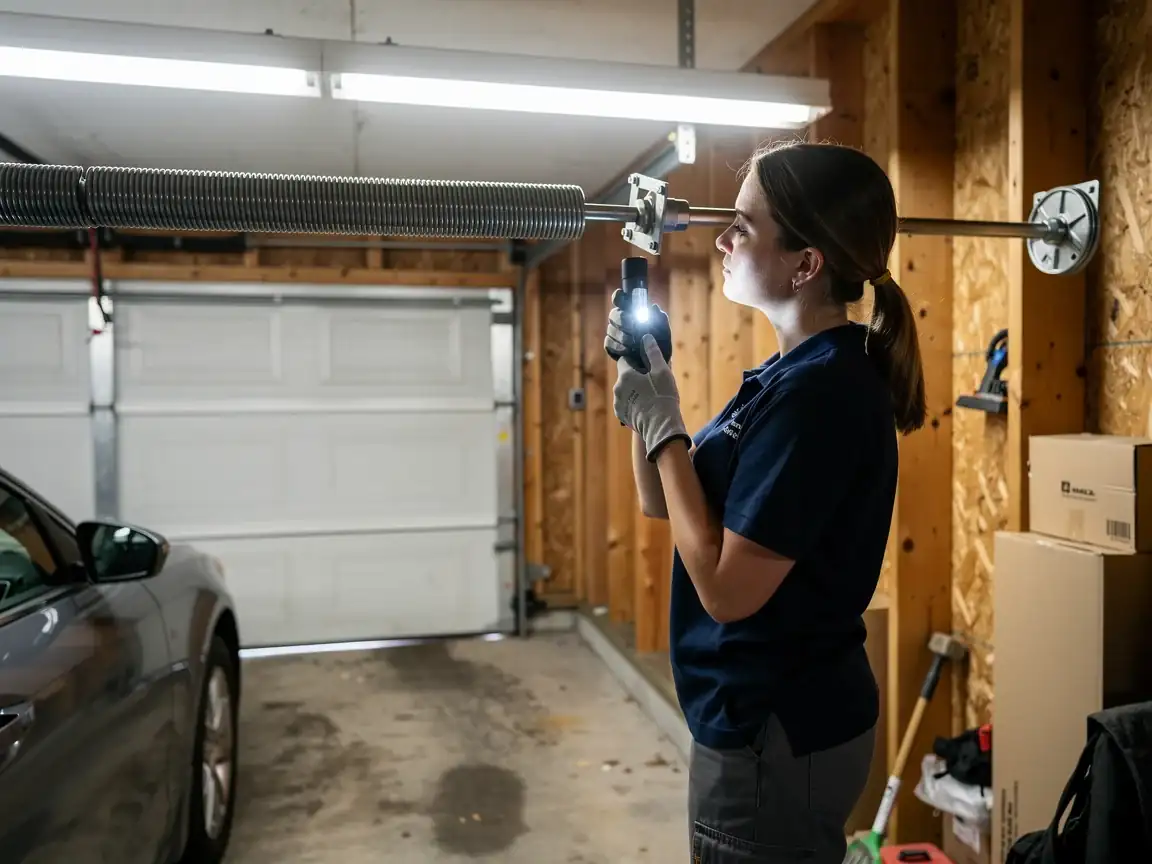
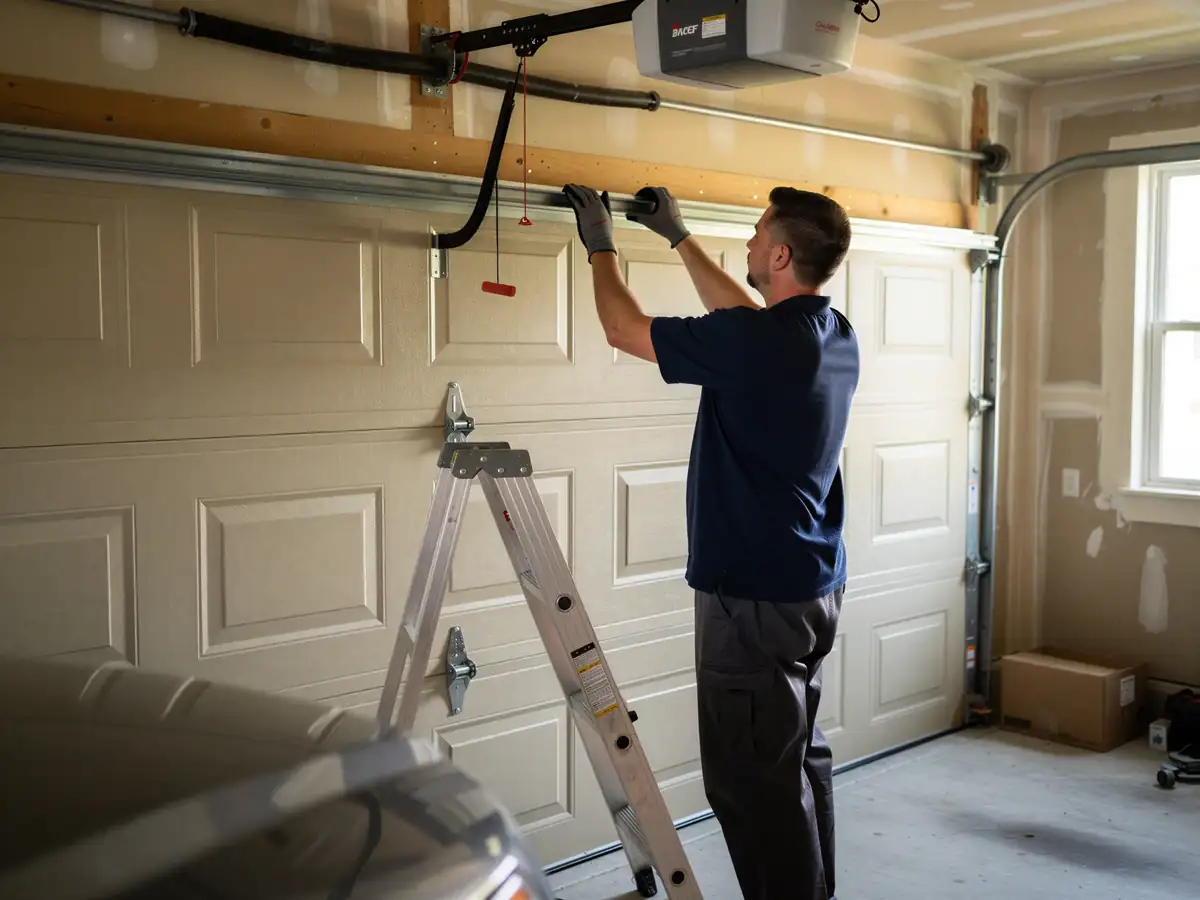
Swapping a broken roller or tightening a loose track bracket is within reach for most homeowners with basic tools and patience. Springs are not. A torsion spring under tension can break a finger or worse, and the winding bars needed to do it safely aren't something most garages have lying around. If the door won't open, or opens unevenly, or the cable has come off the drum, that's a call, not a weekend project. We'd rather tell you that up front than have you find out the hard way.
What the Fix Involves
On a steel door from the early-to-mid 1980s, the most common job is spring replacement
Because torsion springs are rated for a cycle count and houses this age have been through a lot of open-close cycles by now. We pull the old spring, match the wire size and wind to the door's weight and drum setup, and reset the cables and drums so the door tracks even on both sides.
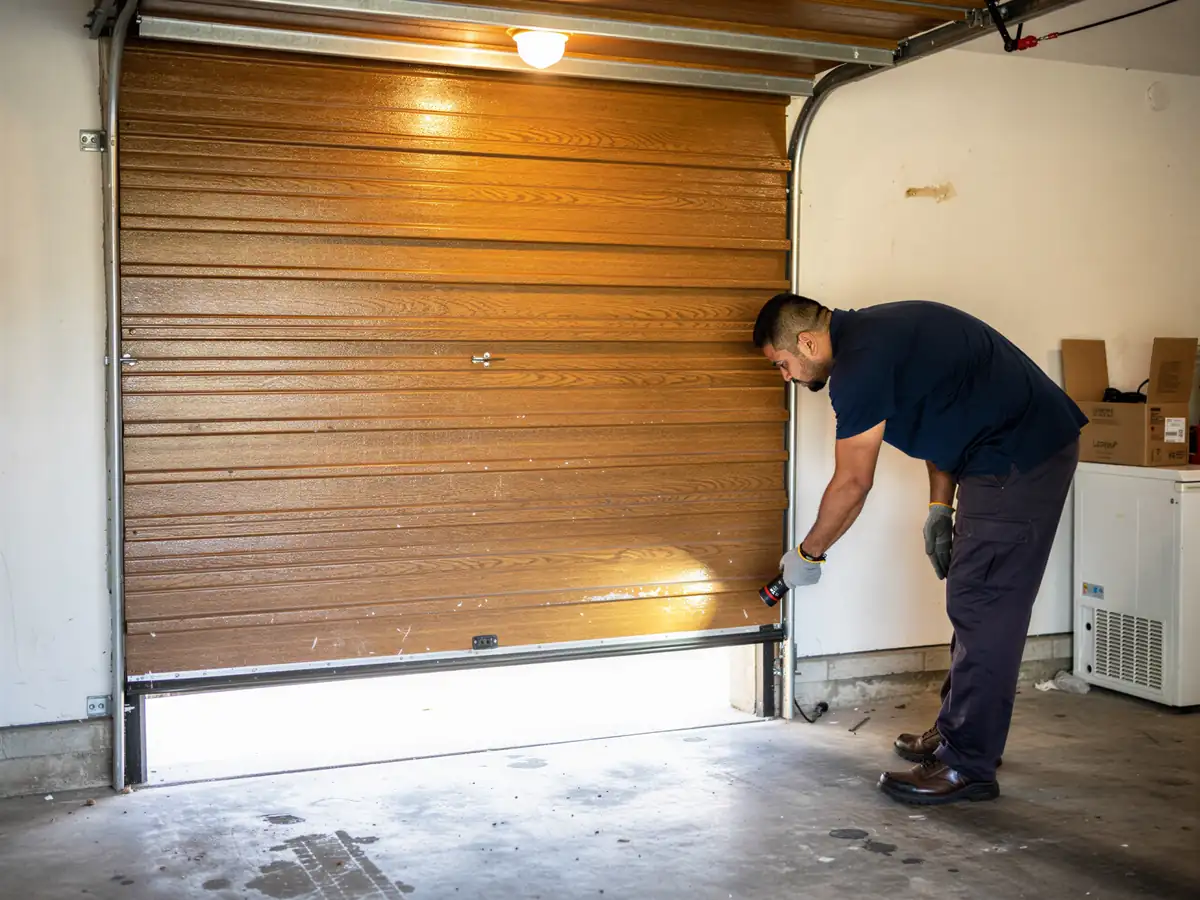
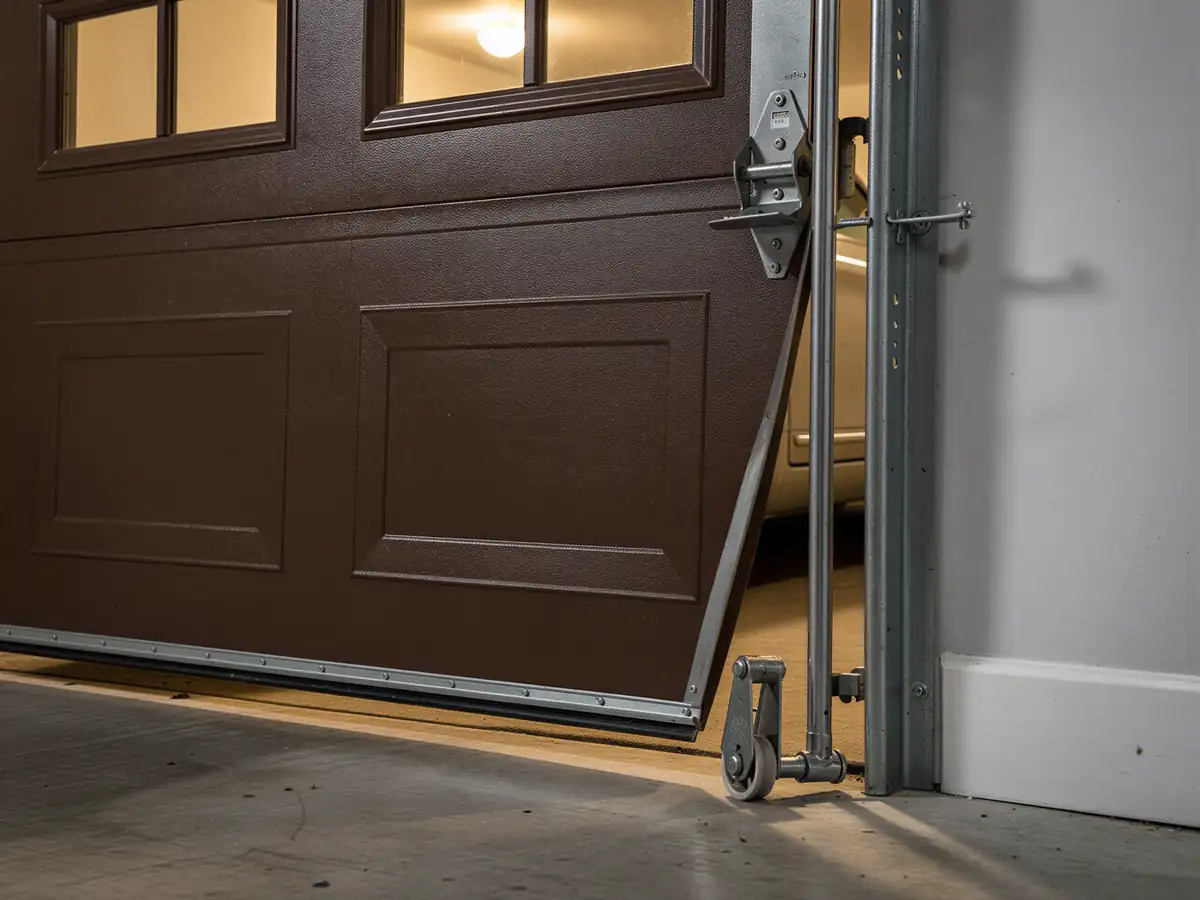
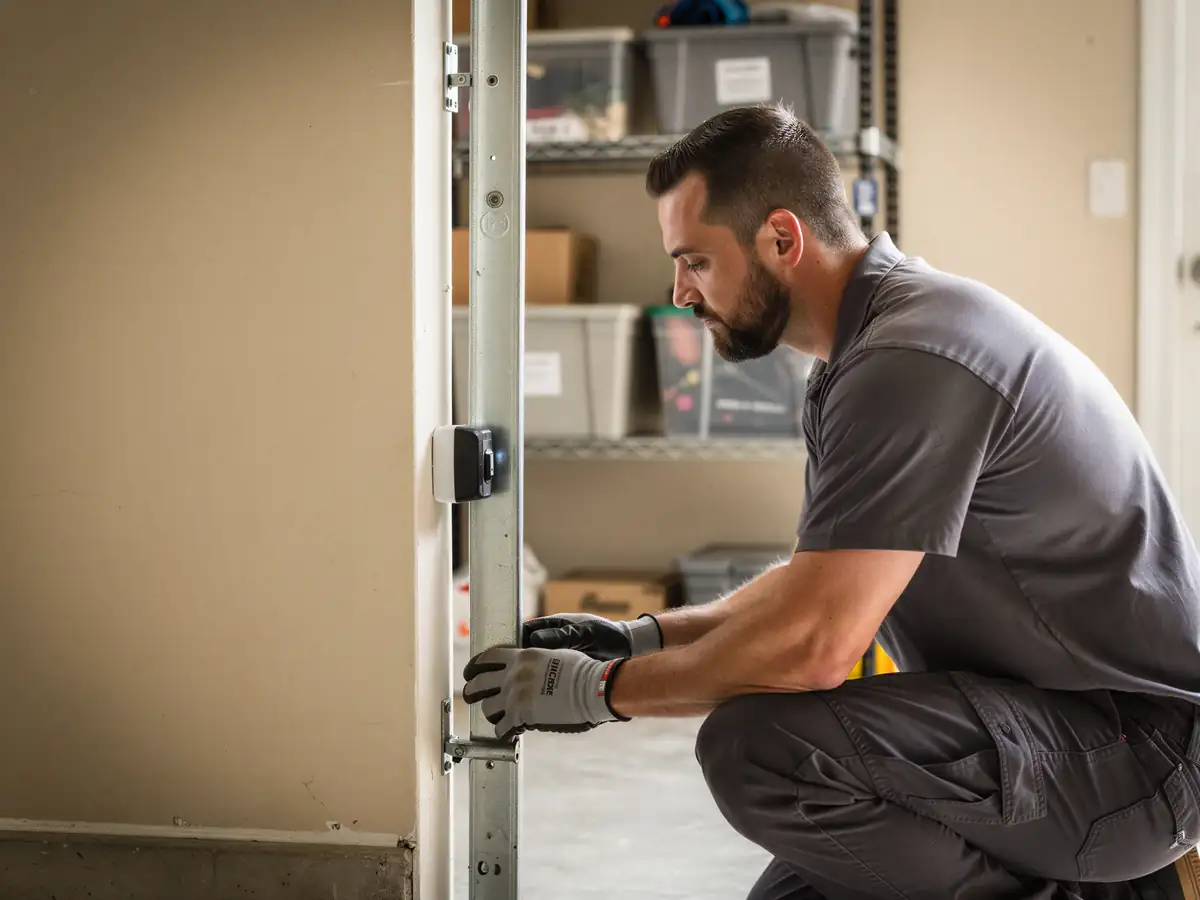
The second most common job is hardware on the track itself
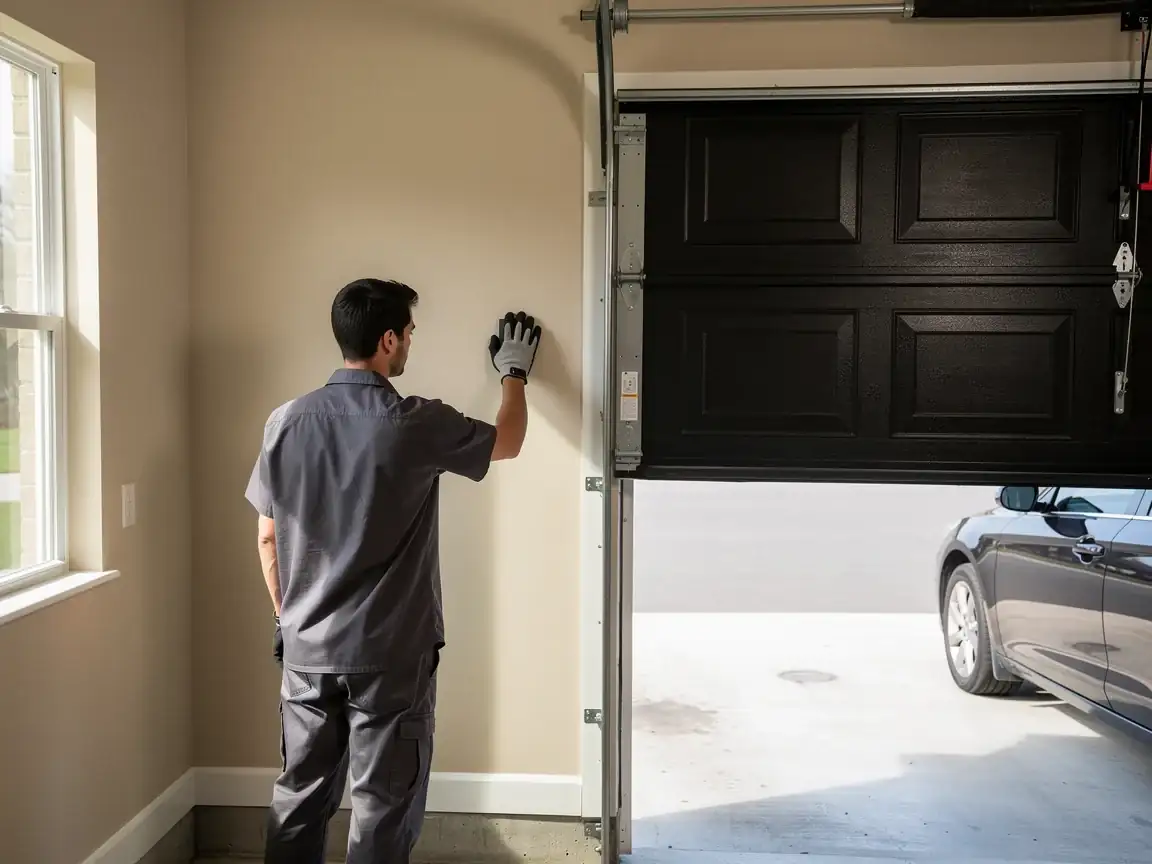
Rollers that have worn out of round, hinges that have stretched their screw holes, or a bottom bracket that's rusted at the weld. None of that is exotic work, but it has to match the existing track gauge, and on a door this age the track gauge isn't always what a big-box replacement kit assumes.
We don't try to patch a panel that's rusted through at the bottom corner
Which is something we do see on doors this age that have sat low near grade. At that point you're buying a new bottom section, or in some cases a new door, rather than sinking labor into one that's going to fail again in the same spot.
What Causes It Around Here
Taylors sits in a moderate-cold climate band, so the big driver of wear isn't heat damage the way it might be further south or further from the mountains - it's the freeze-thaw swing through winter that works on steel fasteners, bottom seals, and any spring that's already near the end of its rated cycles. A spring that would have had another year left in a milder climate gives out a season early here.
House age plays into it too. A door installed when the home went up in the early 1980s is now well past the point where original torsion springs are still doing fine. We're not saying every door of that vintage needs work today, but when a call comes in from a house of that era, a tired spring or a drum that's worked loose is usually near the top of the list before we even get a truck there.
Booking a Visit
We work out of Greer, and Taylors is about 5 miles out, so getting a truck to you isn't a long haul. We don't run a separate office or depot in Taylors - it's covered as part of the same service territory as the rest of the area around Greer. When you call, tell us the door's rough age if you know it and what it's doing (won't open, opens crooked, makes a bang when it goes up) and we'll have a better idea of what to bring before the truck leaves.