The DIY Question
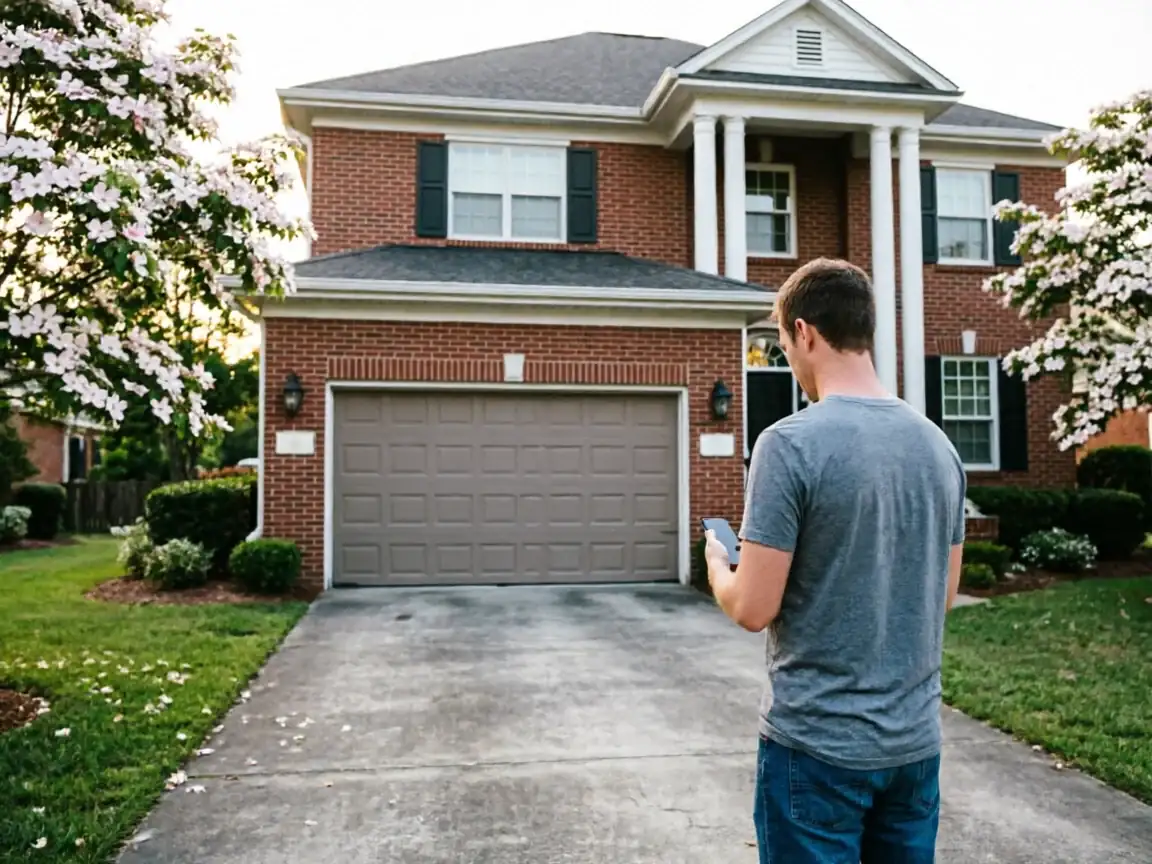
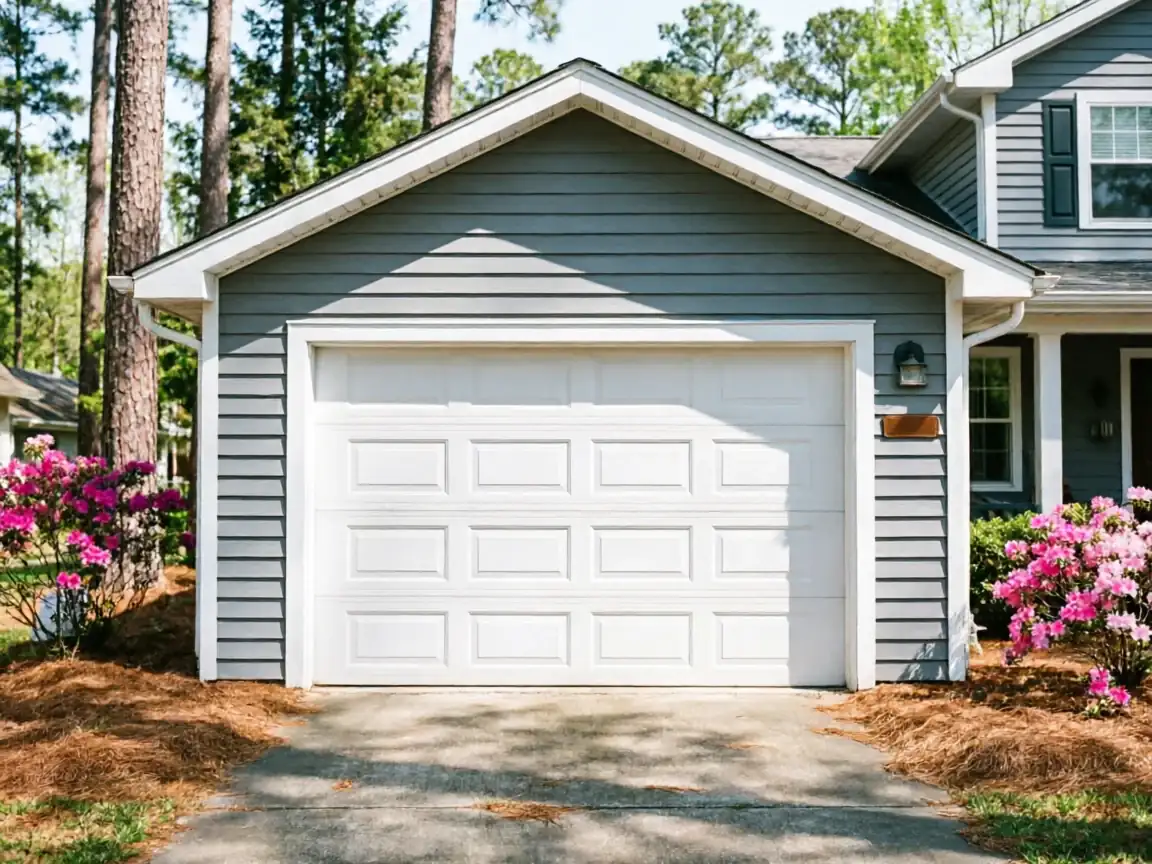
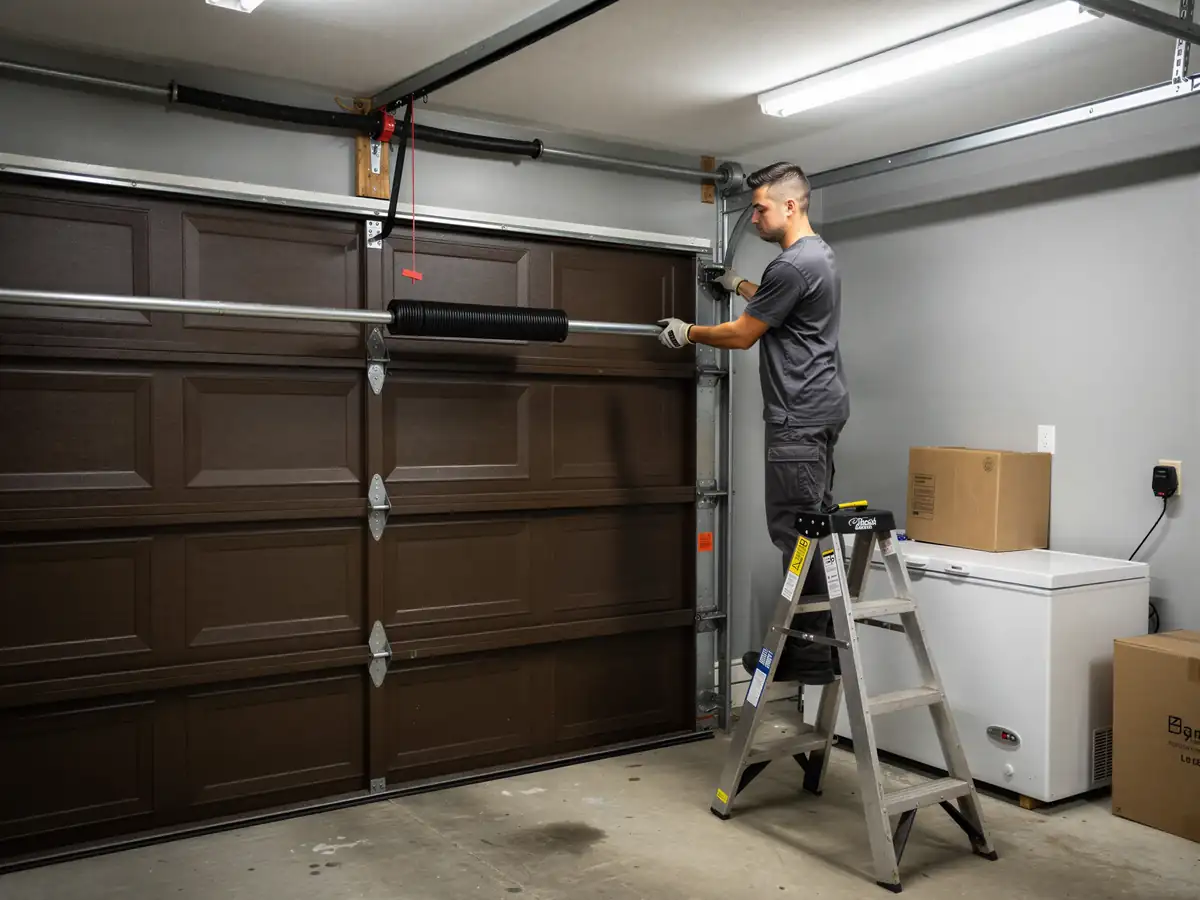
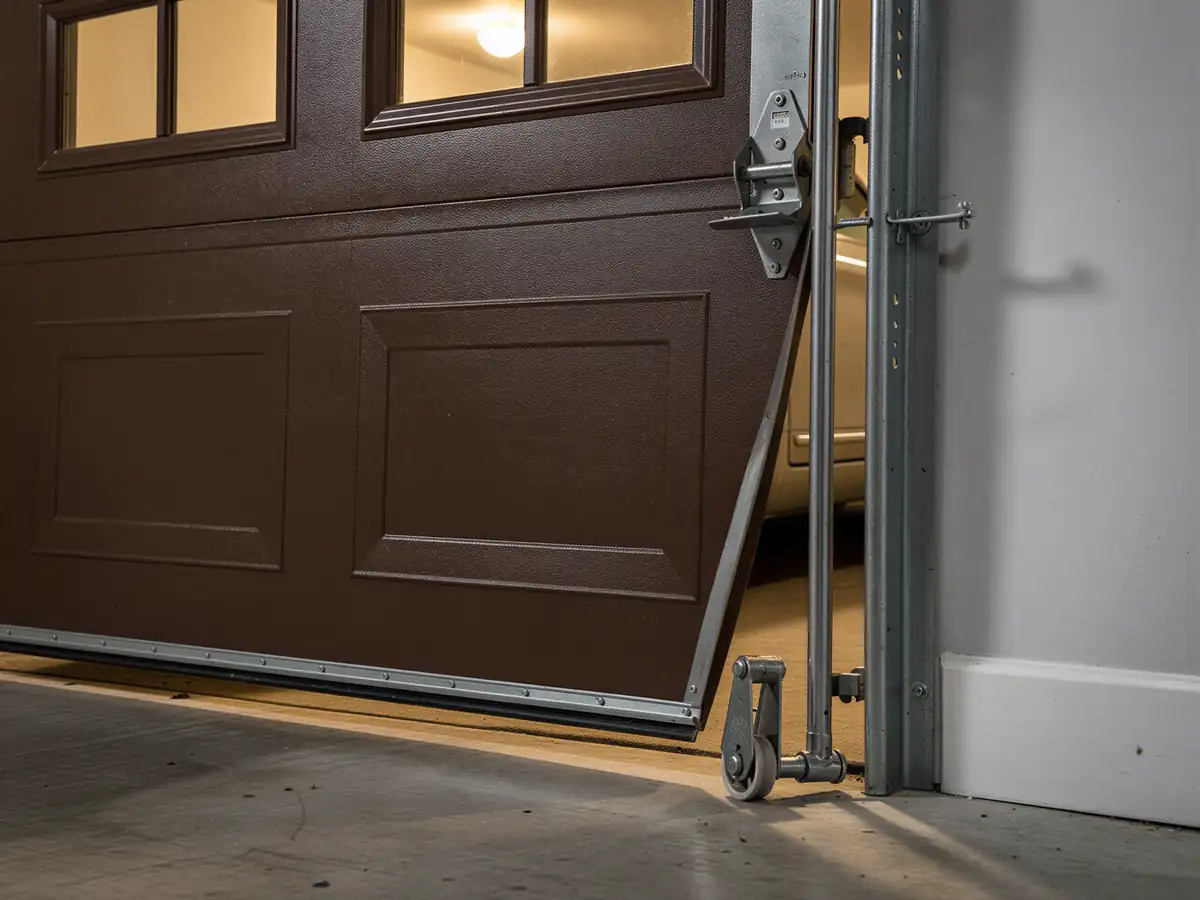
A lot of the doors we'd replace in Taylors are original to houses built around 1983, which puts them squarely in the wave of construction that defined this corner of the service area through the 80s and 90s. That matters for the DIY question more than most people expect. A door from that era is usually a steel sectional panel on extension springs or an early torsion setup, and the track alignment and headroom clearances were measured for that specific door, not for whatever a big-box store sells off the shelf today.
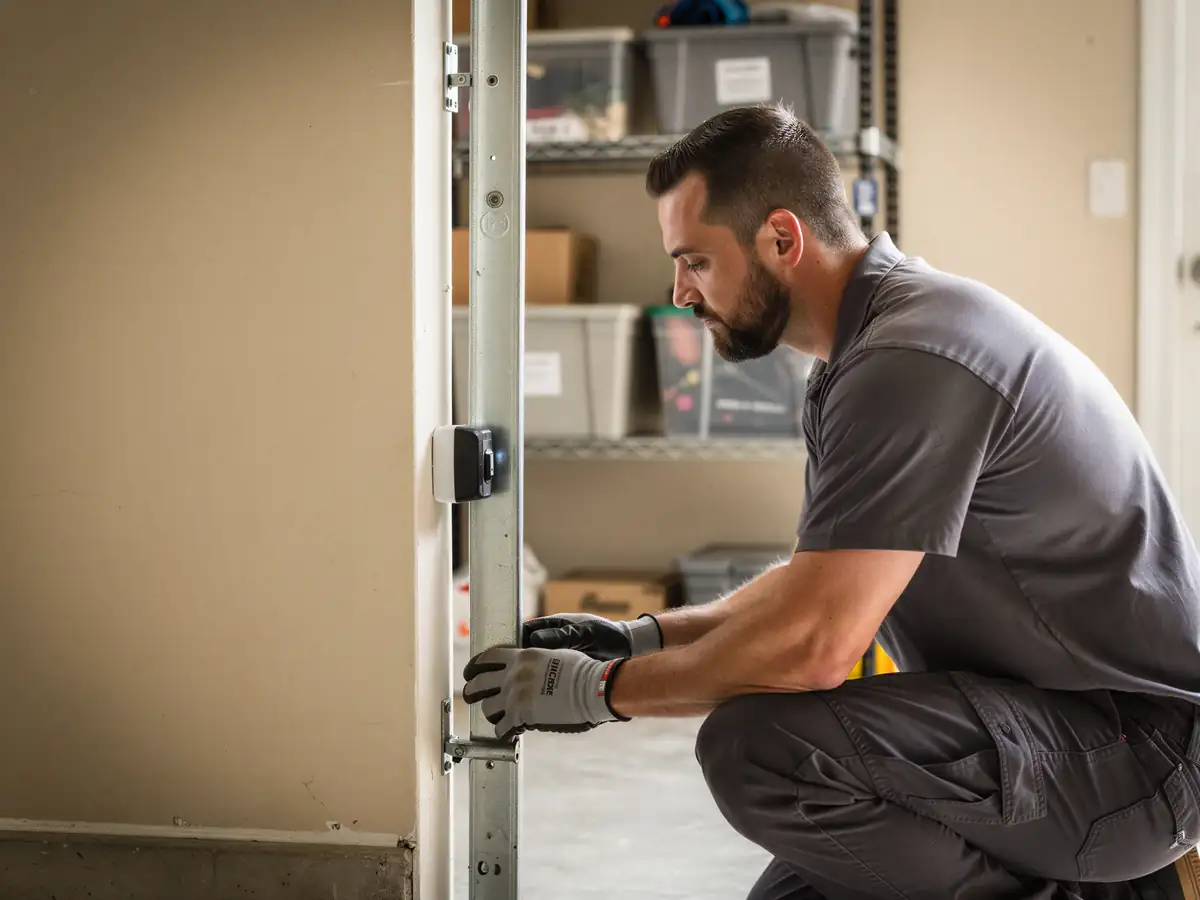
Swapping a door yourself isn't impossible, but getting the track plumb, the spring tension right, and the opener bracket mounted to framing that's over 40 years old is where people get hurt or wreck a new door in the first install. If you're comfortable with torque wrenches and you understand spring tension, some of the lighter work - trim, weatherstripping, cosmetic hardware - is reasonable to handle yourself. The door itself, the springs, and the opener mount are not where we'd suggest saving the labor cost.
What the Fix Involves
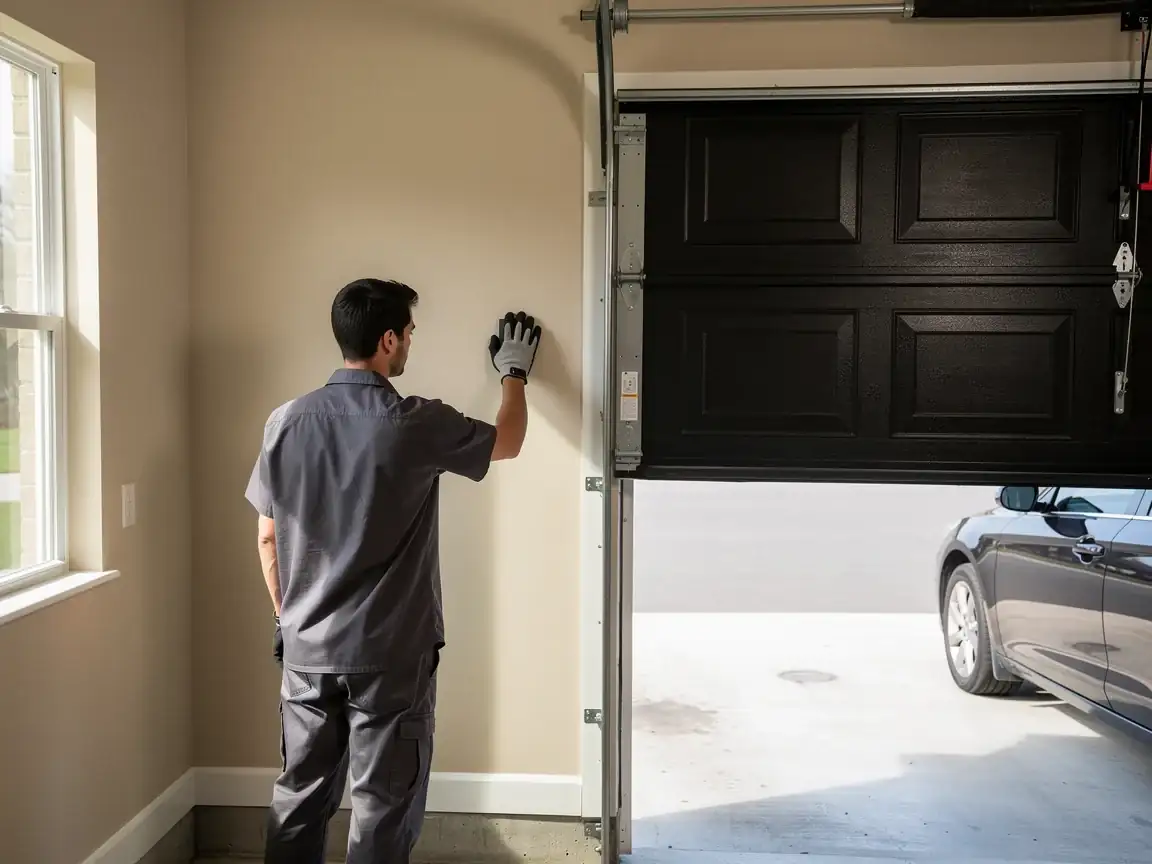
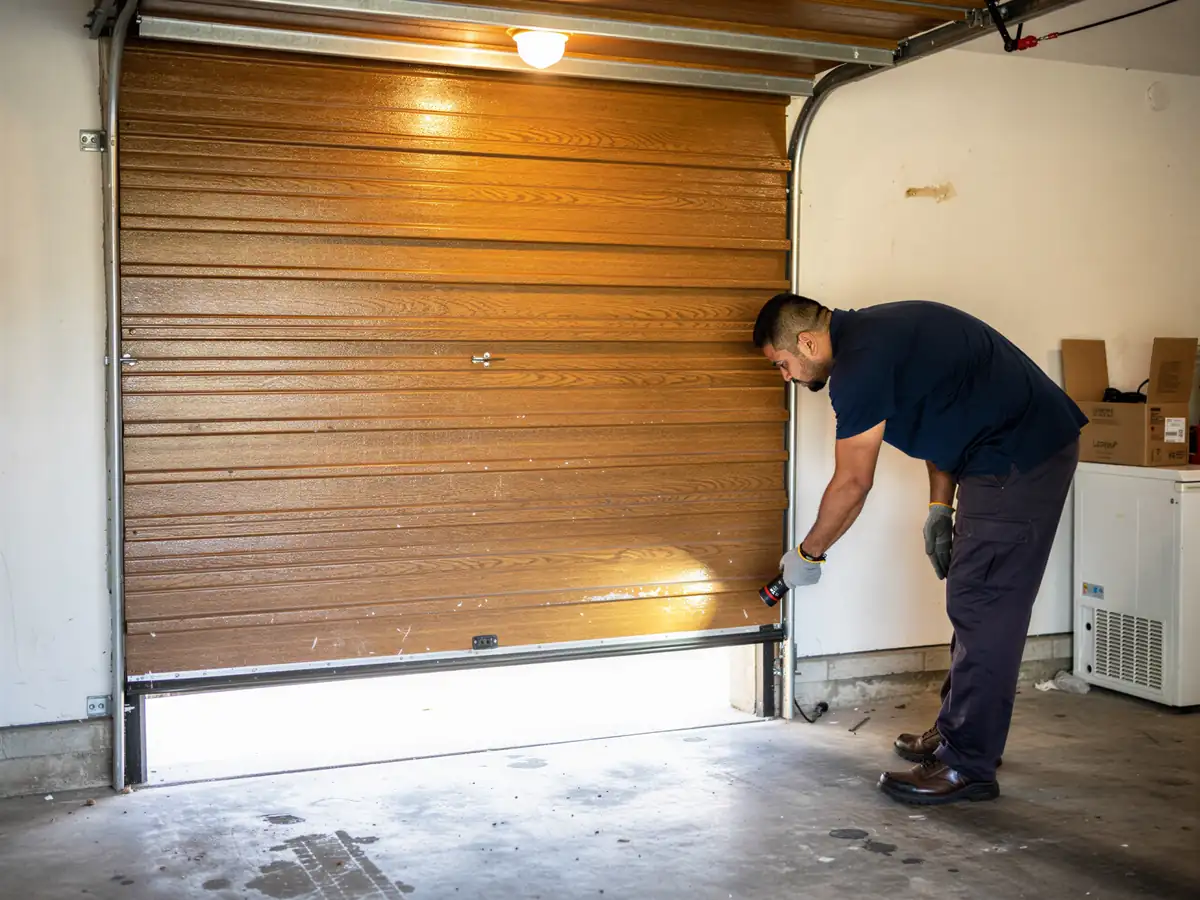
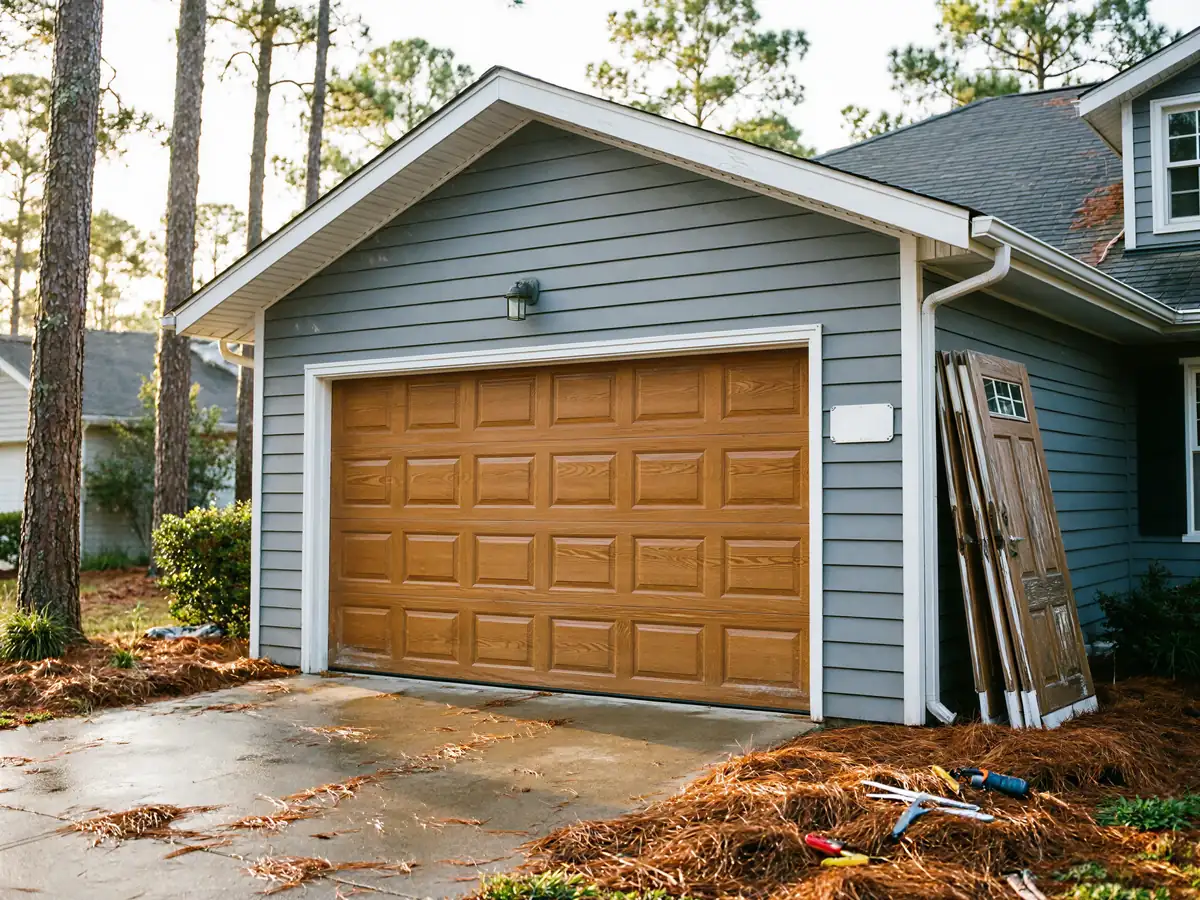
A new install in a Taylors home usually starts with pulling the old door and track off the original jamb
Checking whether that jamb is still square after four decades of settling, and shimming or reinforcing it before the new track goes up. Because so much of the housing stock here dates to the early 80s, we're often working with openings that were framed to older lumber dimensions, which means the new door and track get fitted to the house rather than the house getting modified to fit a standard kit.
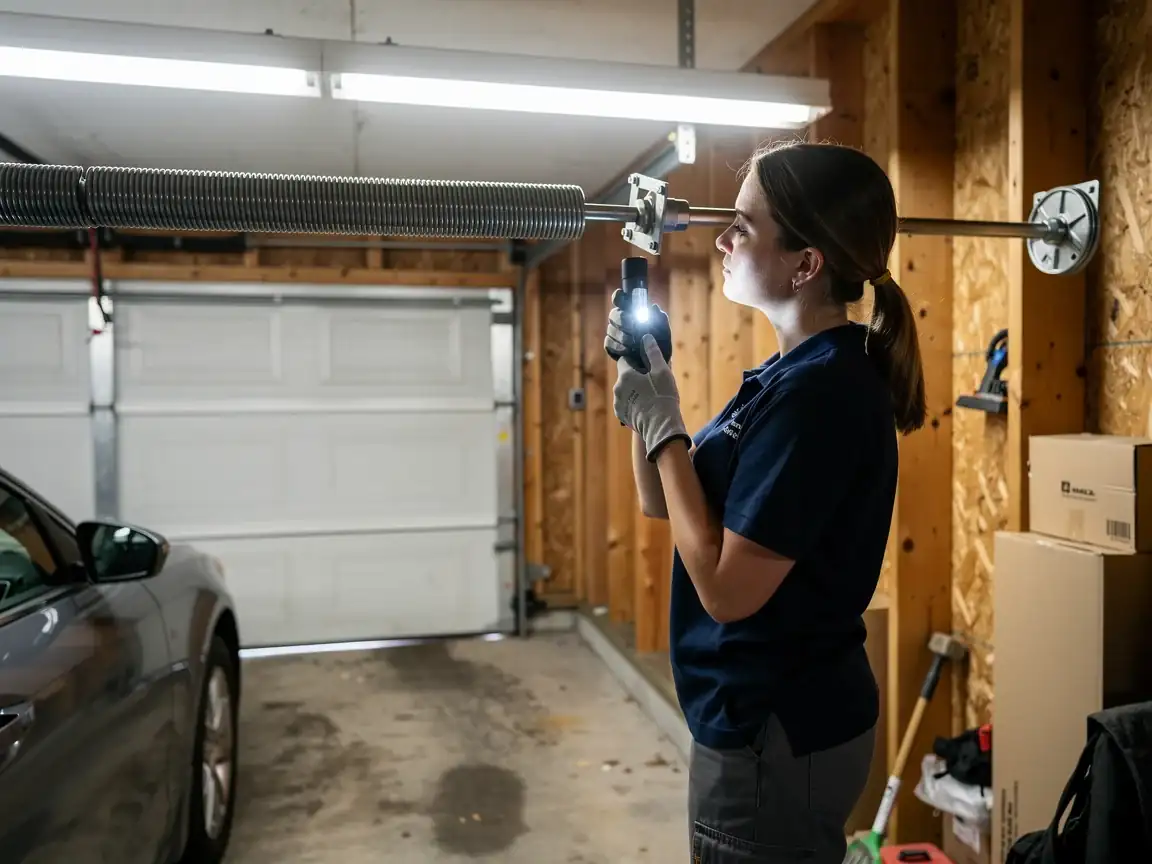
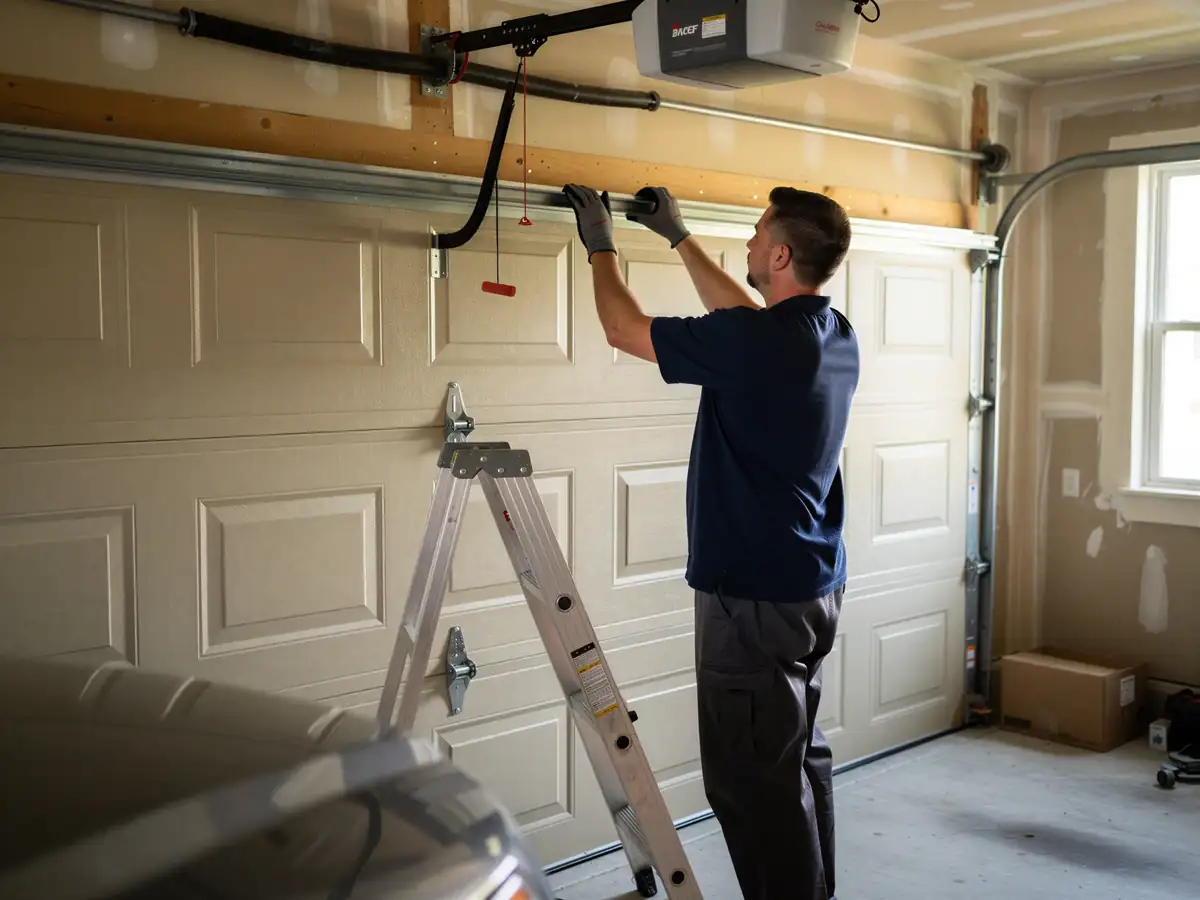
We also check headroom and backroom clearance against the new door's spring system
Since torsion hardware needs more vertical space than the older extension-spring setups common in houses from this build era. The opener gets mounted fresh rather than reused, and we test balance and travel limits before calling the job done. We don't do cosmetic trim carpentry beyond what's needed to seat the door properly - if the surrounding wood needs real repair work, that's a separate call.
What Causes It Around Here
The push toward full replacement in Taylors usually comes from one of two directions. First, age: a door original to a house built in 1983 is well past the point where parts are easy to source, and patching a 40-year-old panel often costs close to what a new door runs. Second, the climate here sits in a cold-moderate band, which means winter mornings put real stress on uninsulated steel panels and older seals - gaps widen, panels warp slightly at the seams, and the door stops sitting flush.
Household income in Taylors runs higher than the broader service area median - $71,747 here against $55,671 across the wider area - and that shows up in which replacements we see: more owners choosing insulated doors and quieter openers up front rather than patching an old setup repeatedly. That's a reasonable call on a house built in the early 80s, where the original door has usually outlived its hardware anyway.
Booking a Visit
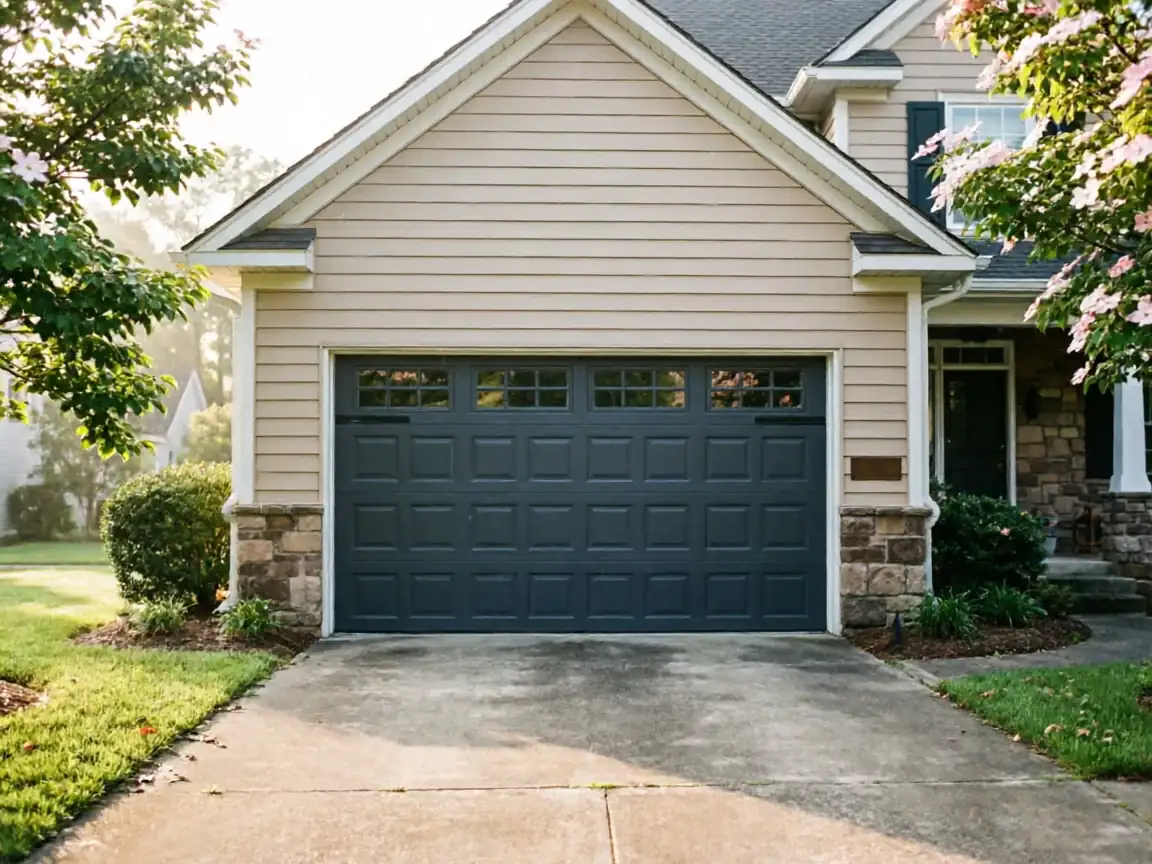
Taylors sits about five miles from our shop in Greer, so getting a crew out here doesn't add meaningful time to scheduling a visit. We come to you - there's no separate Taylors location, just a short drive from Greer to look at the opening, confirm measurements, and walk through door options before anything gets ordered.
Because Taylors is one of 32 named areas across a service area with 97,161 households, we see a wide range of door ages and openings, but the early-80s build era is common enough here that we usually know what we're walking into before we measure. See our full Taylors service area page for what else we cover nearby, or check our main installation page for Greer for the broader rundown of what a new install job includes.
The Cost of This Job
We don't have a flat number to quote without seeing the opening, the door style, and whether the framing needs any shoring up
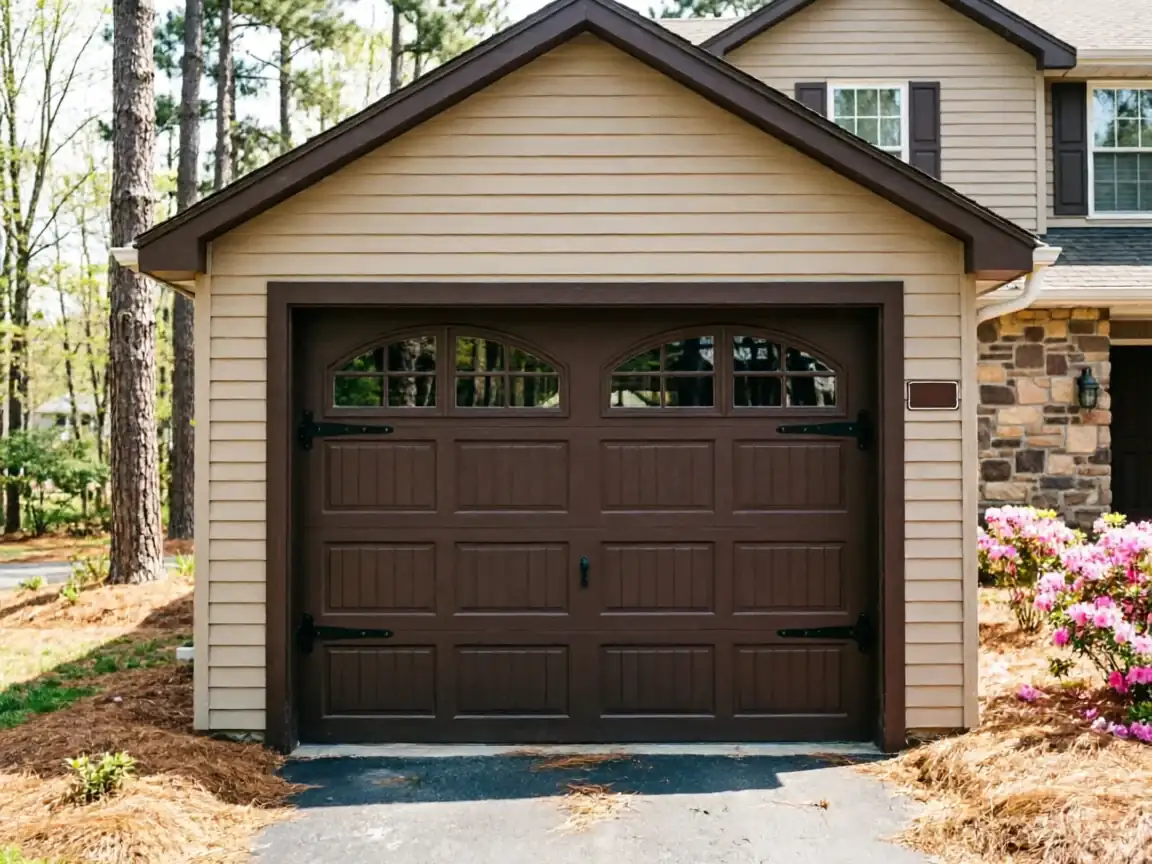
And for houses built around 1983, that last part varies more than people expect. What we can say is that insulated steel doors tend to be the more common ask in Taylors given the income level here and the cold-moderate winters, and that pushes the job slightly above a bare-bones uninsulated panel.
One honest limitation
If the opening itself is out of square or the header has shifted with the house's settling, that adds labor beyond the door and track cost, and we won't know the full scope until we're standing in front of it. We'd rather tell you that upfront than quote low and surprise you later.