Booking a Visit
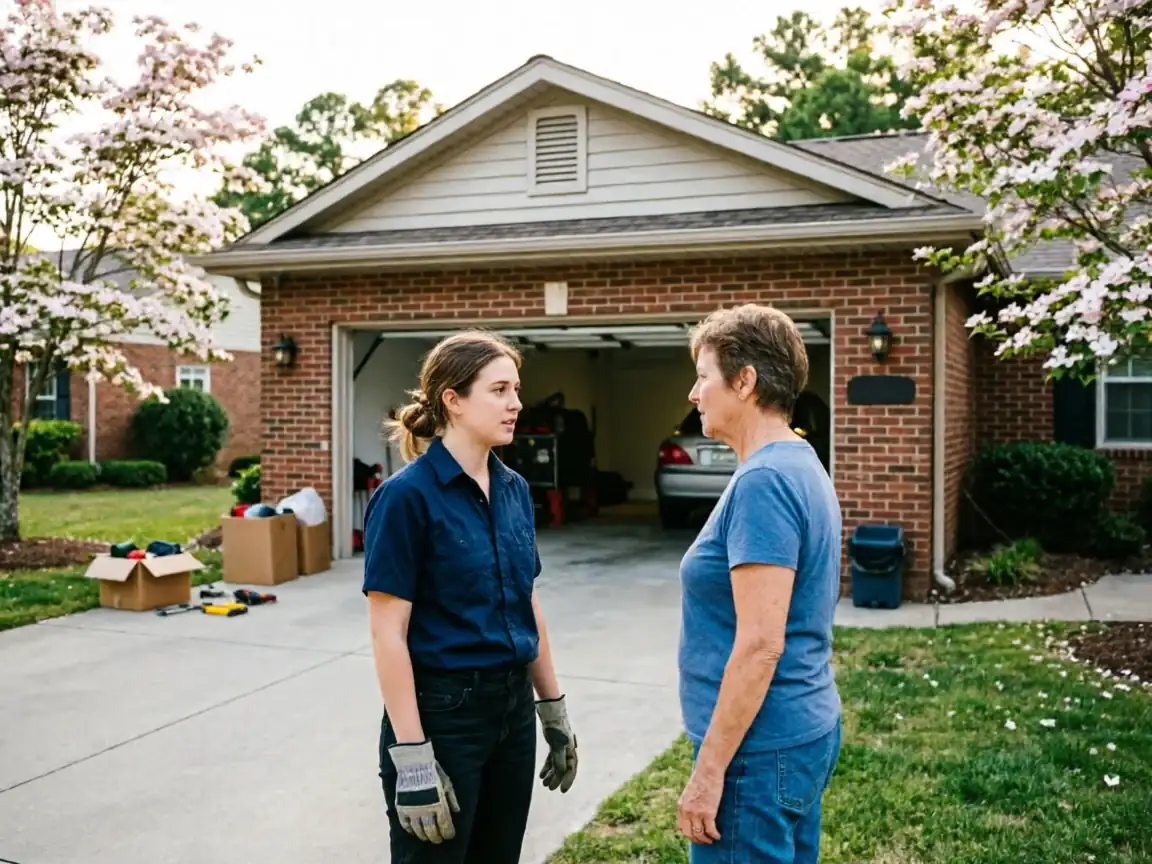
We run this job out of our Greer shop, and Wellford sits about eight miles down the road from there. There's no branch office or drop-box in Wellford itself - when you call, you're booking a truck that drives in, does the job, and drives back. That means we ask a few more questions up front than a shop sitting on your street would: what the door looks like, roughly how old the house is, whether the opener is original or already replaced. It saves a second trip. For most Wellford calls we can tell you over the phone whether we're looking at a spring, a cable, or an opener board before the truck ever leaves Greer. If you want to see who else in the area we cover, that's laid out on our service area page, but for a Wellford job specifically, the short version is: one appointment, one visit, parts on the truck for the doors this town actually has.</p>
We don't keep a Wellford-specific schedule separate from the rest of our route, so same-day isn't something we promise here - we fit the drive into the day's run.
What Causes It Around Here
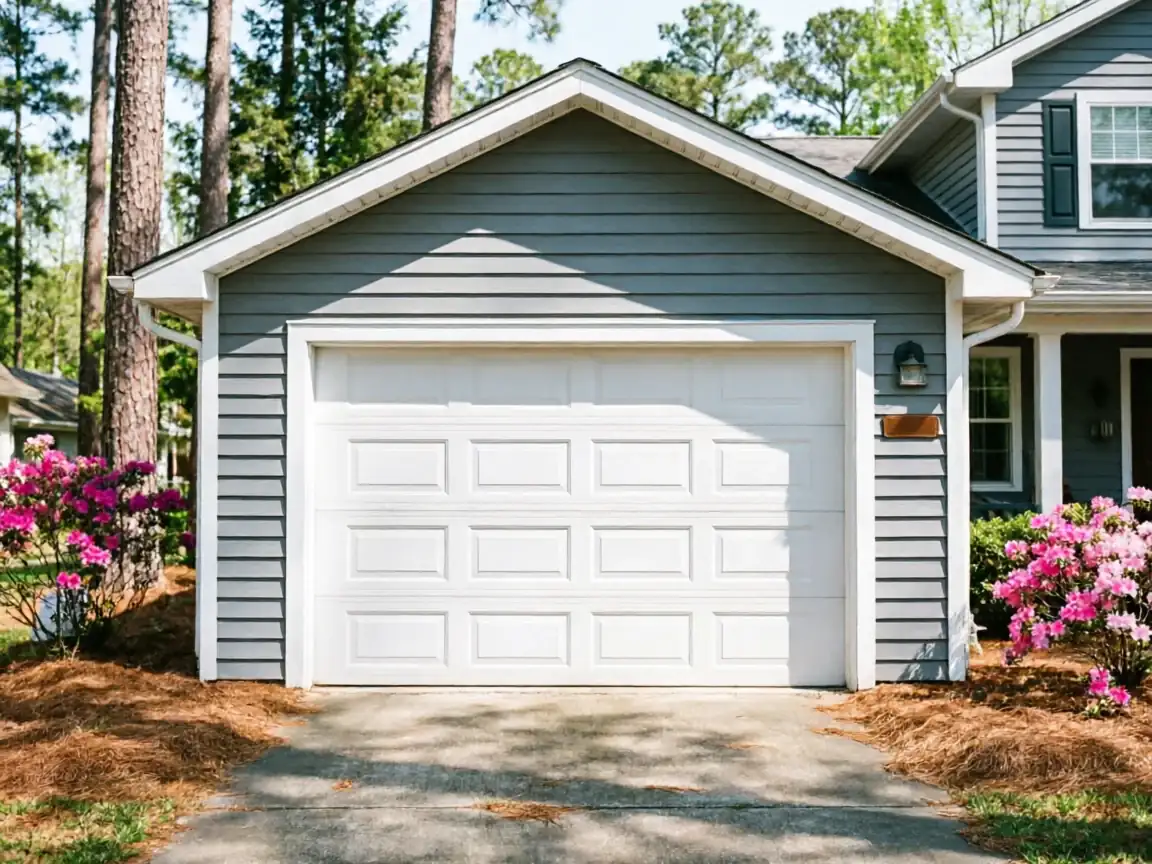
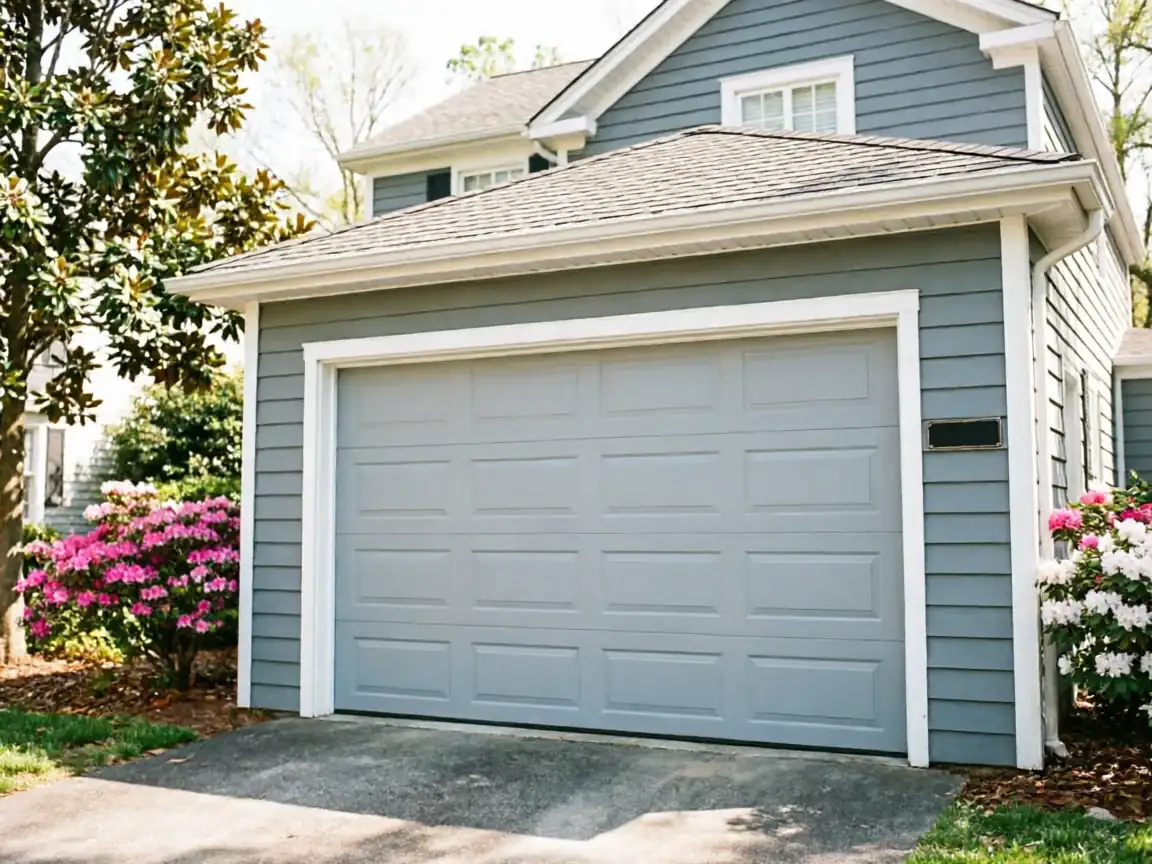
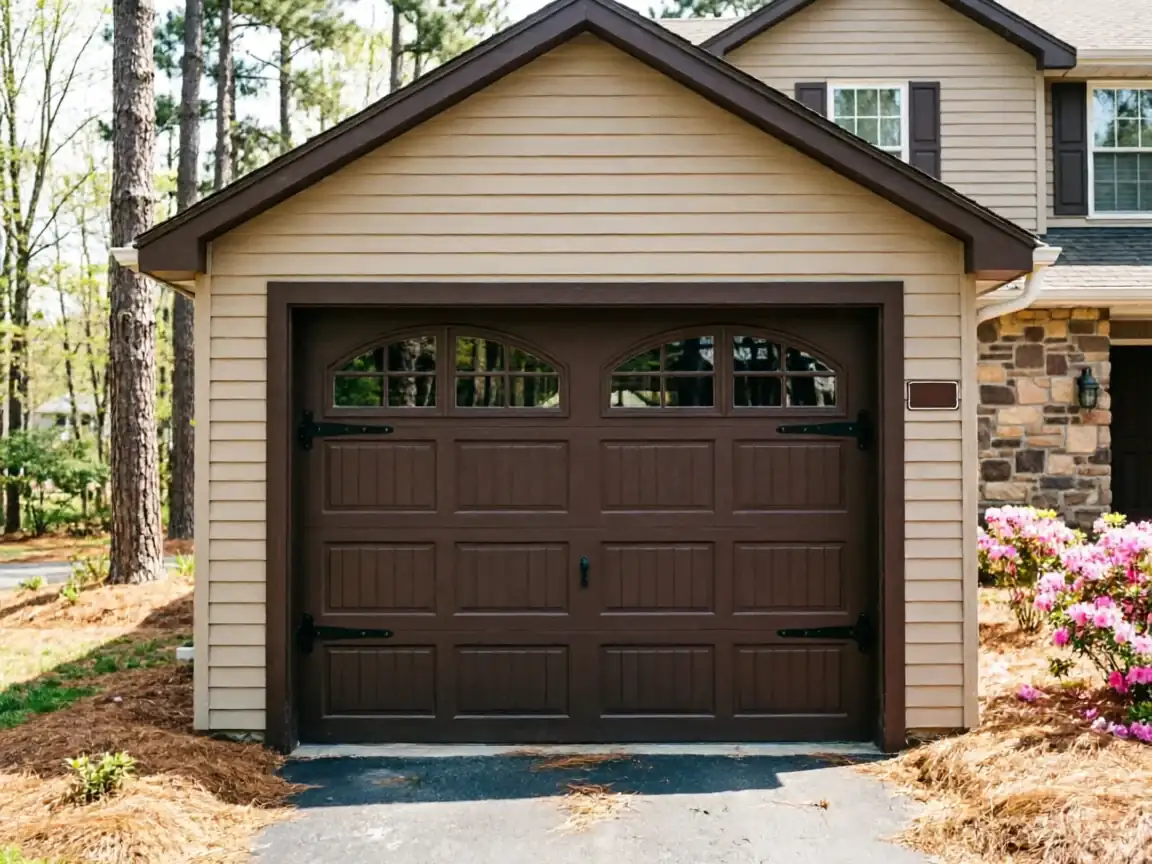
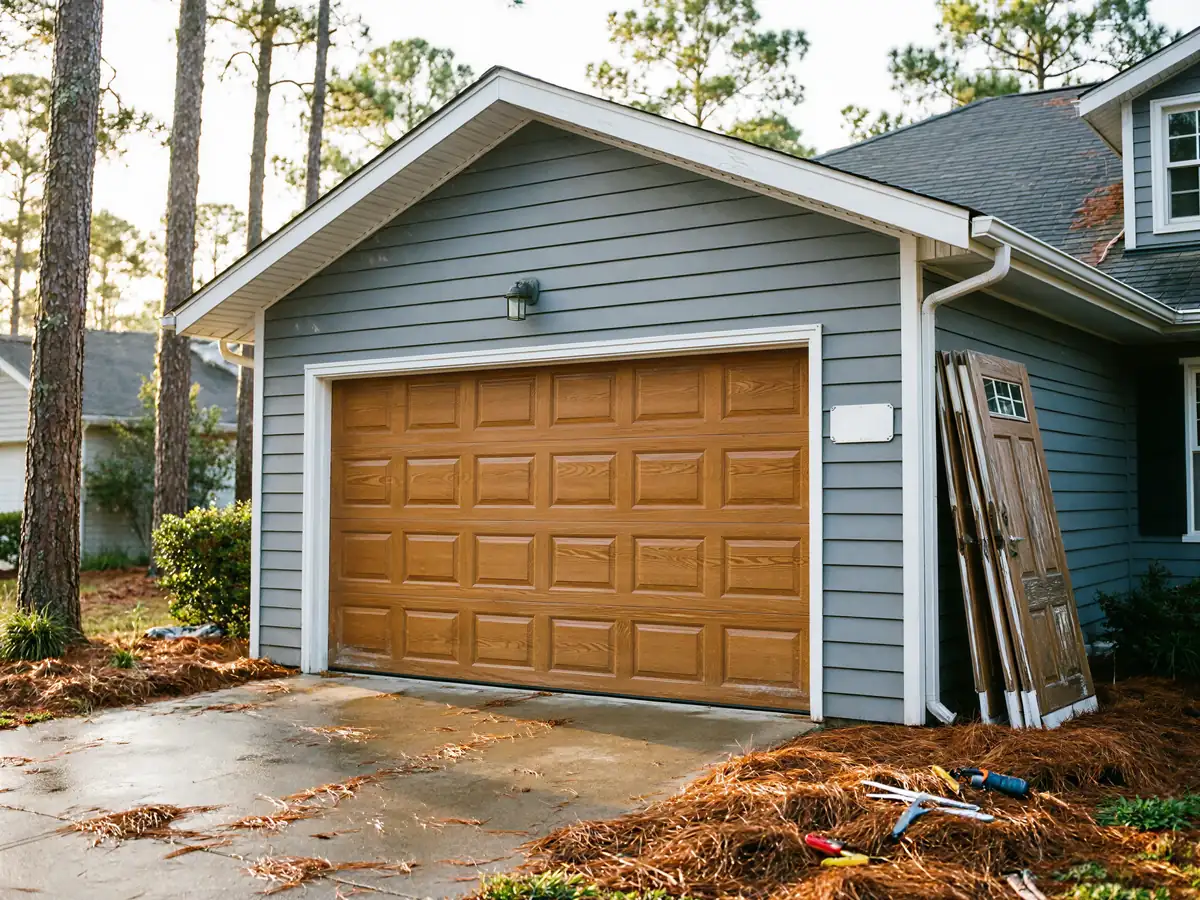
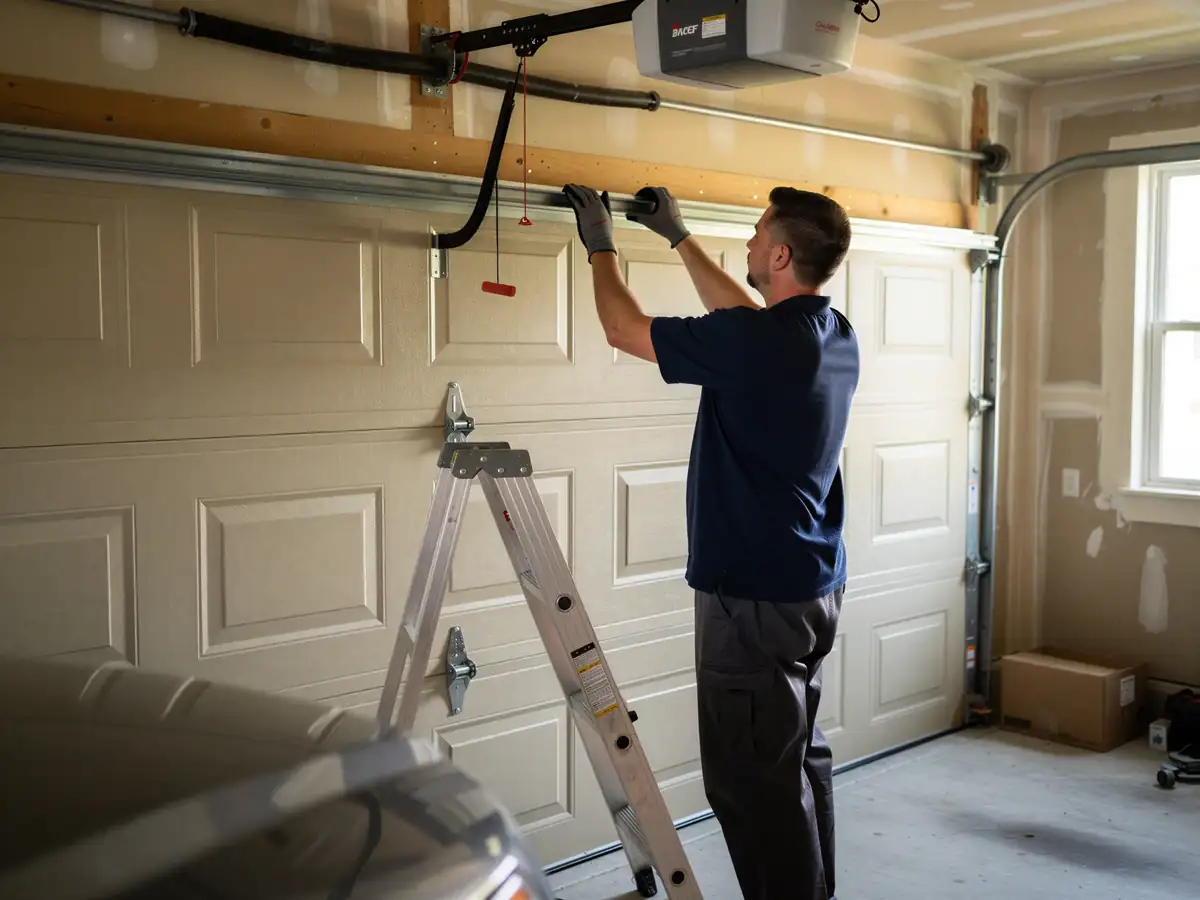
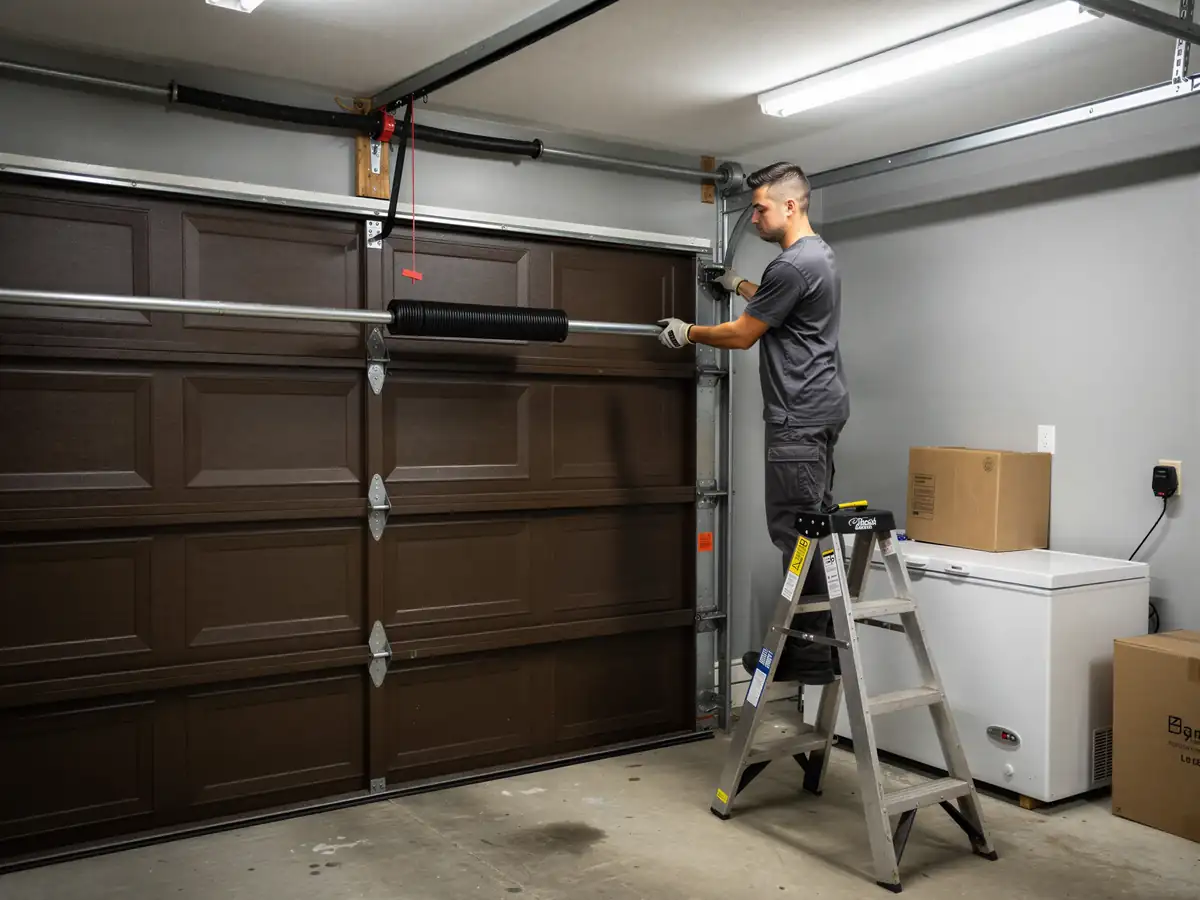
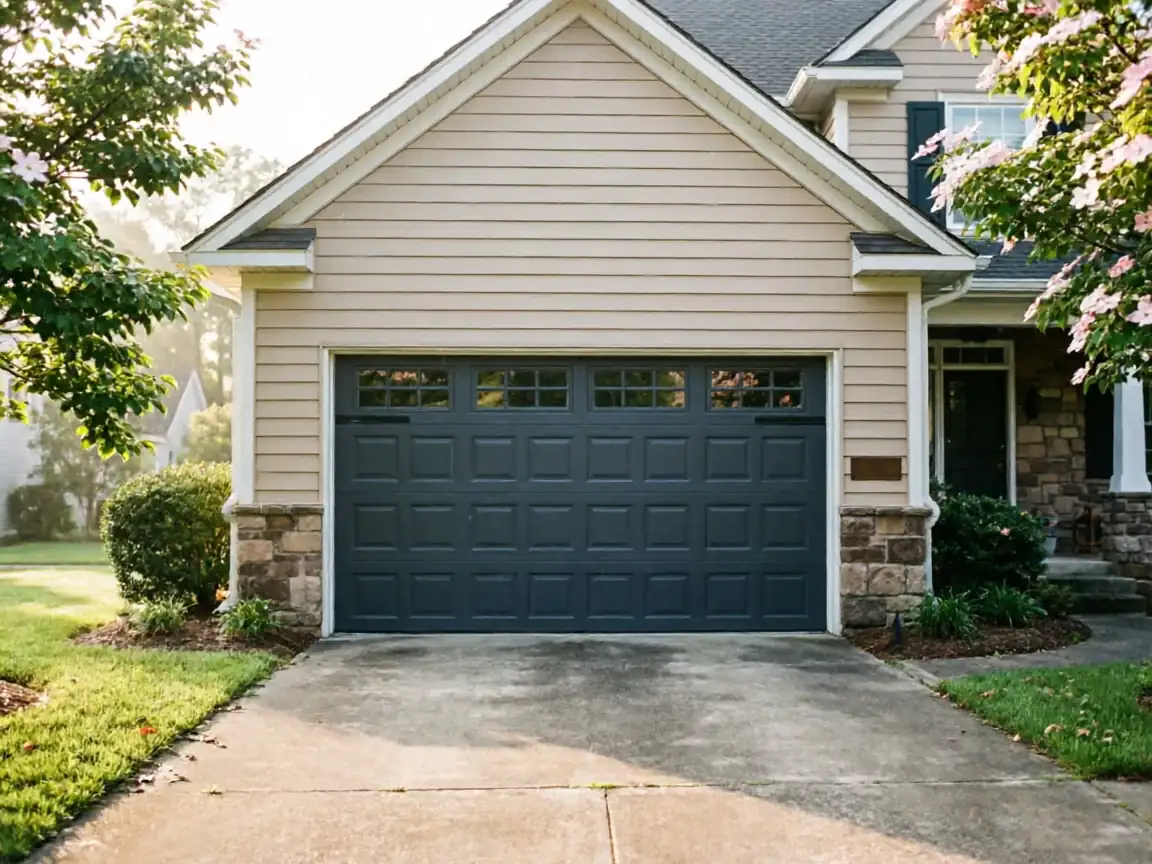
Wellford's housing stock centers on a median build year of 1996, which puts most garage doors here a generation newer than the oldest stock elsewhere in the Greer service area. That means steel sectional panels, torsion springs mounted above the door rather than side-mount extension springs, and chain or belt-drive openers rather than the older screw-drive units. The wear pattern follows the equipment: torsion springs on a door this age are reaching or past the point where the original spring has done its cycle count, especially on doors used daily for a two-car garage. The area sits in a cold-moderate climate band, and the swing between summer heat and winter cold each year works on steel tracks and nylon rollers - metal contracts, rollers that were already worn start binding, and a door that was fine in August starts grinding by January. None of that is unique to one street in Wellford; it's a function of the age of the housing stock plus the climate this part of South Carolina sits in, and it shows up consistently on calls from this part of our route.
What Can Go Wrong
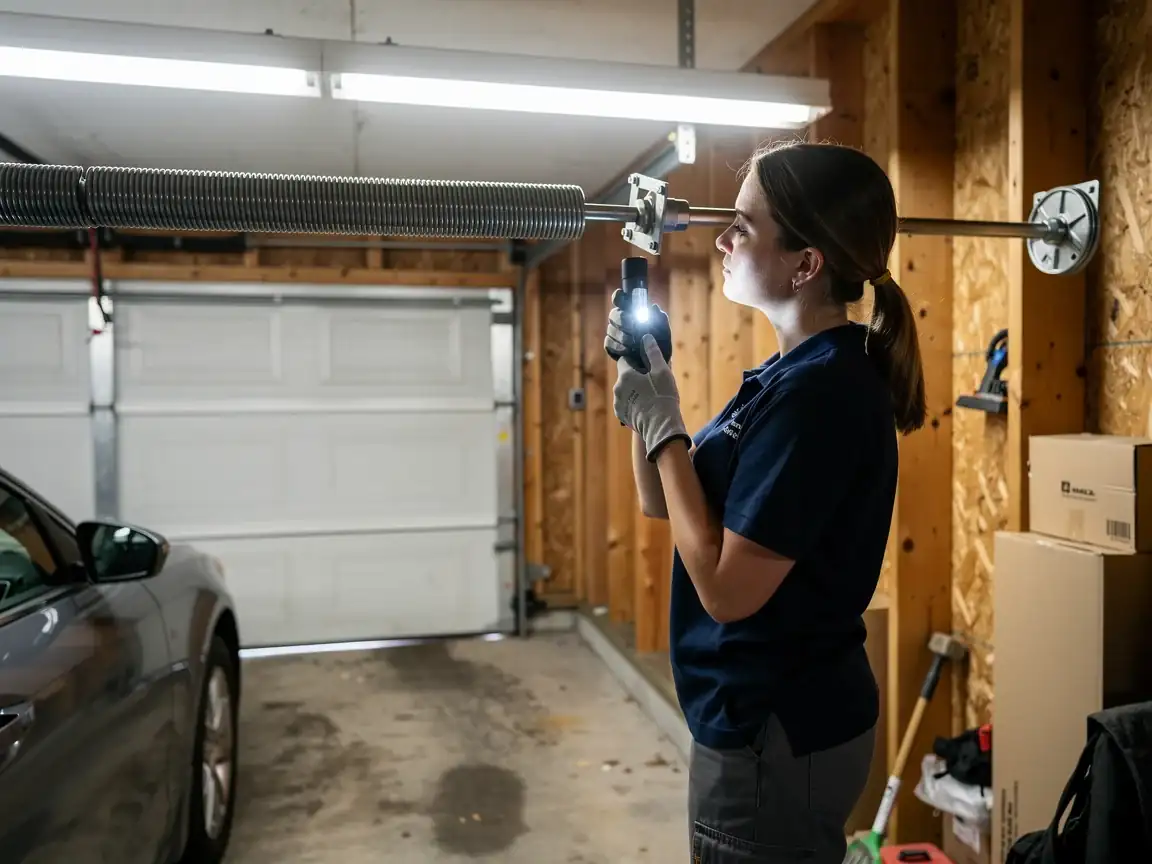
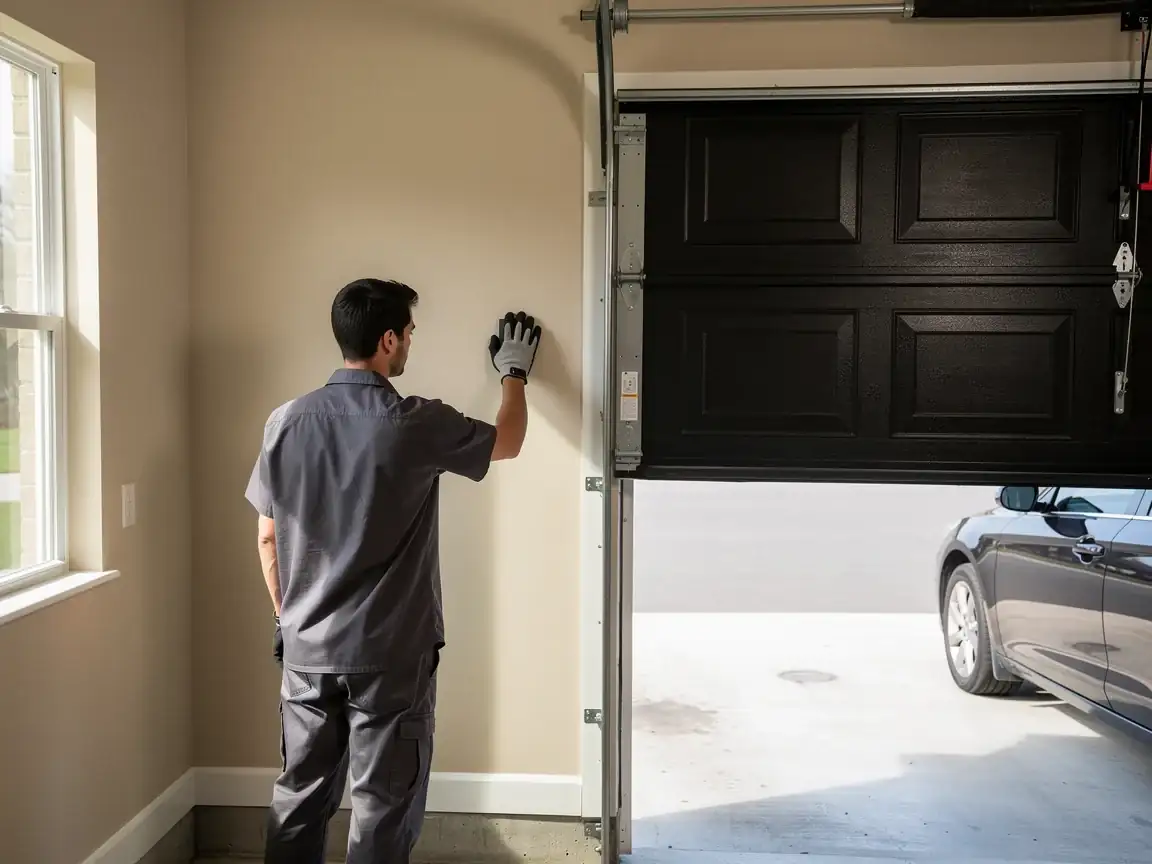
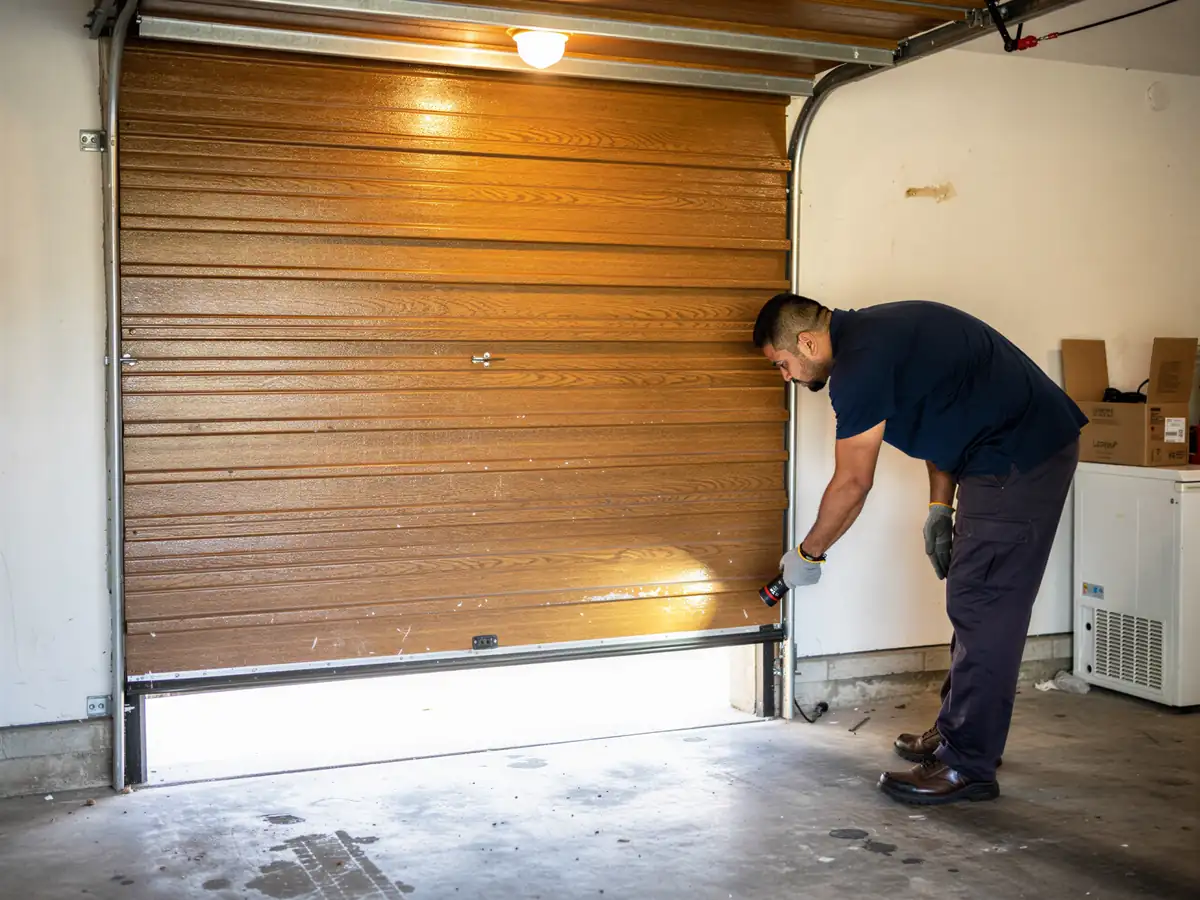
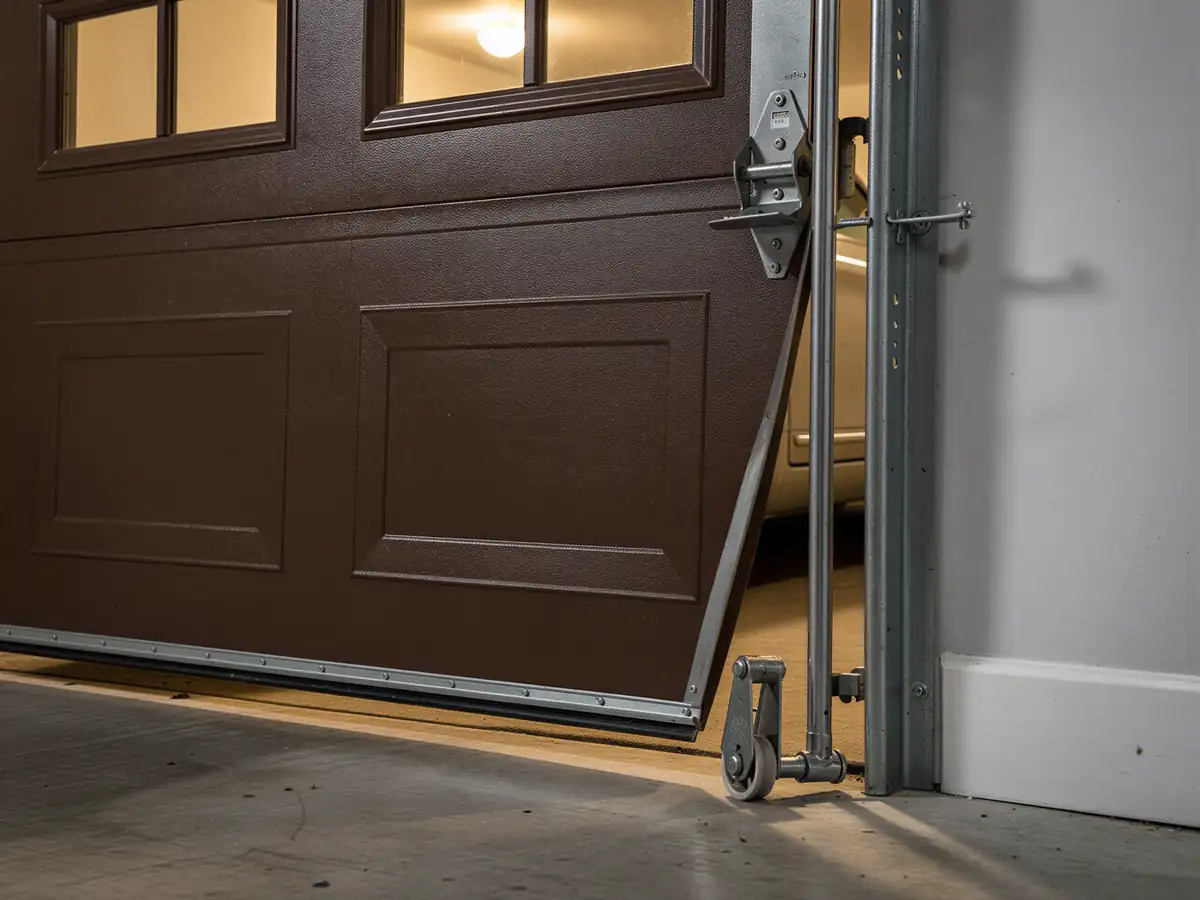
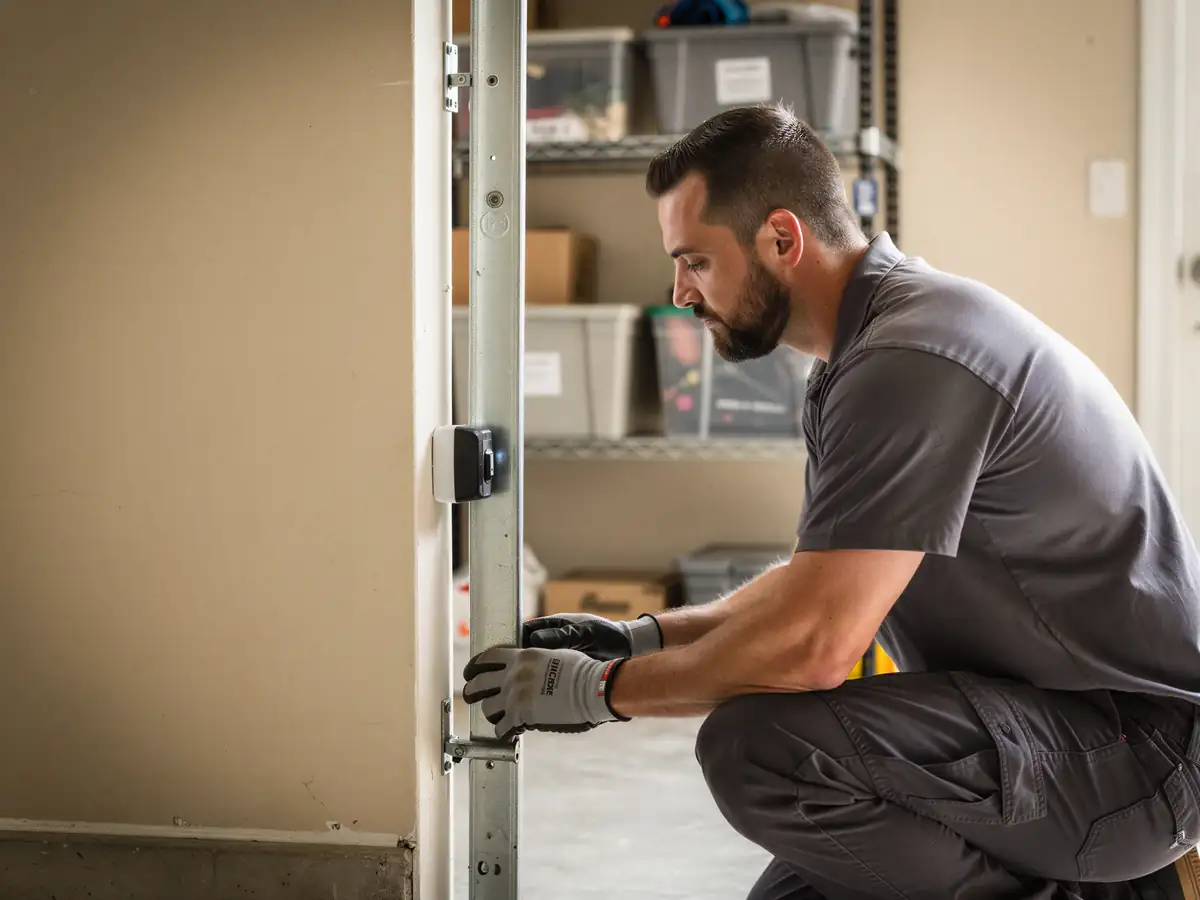
On a door from this era, the most common call is a broken torsion spring - the door won't lift, or it lifts a few inches and stalls, and the opener strains against the weight instead of the spring doing its job. Second most common is a worn roller or a bent track from years of use, which shows up as a door that shudders or catches partway through its travel. Cables fray eventually, especially on doors that see daily use for two vehicles, and when one goes the door can hang crooked or drop on one side. Openers from the mid-1990s to early 2000s sometimes still have original logic boards or drive gears, and those fail outright rather than gradually - one day it works, the next it doesn't respond to the remote or the wall button at all. We also see doors where the bottom panel has taken weather damage or a bump from a car bumper; on steel sectional doors that's usually a single-panel replacement, not a whole-door job, which keeps the repair smaller than owners expect.
Parts We Carry
Because most Wellford doors fall into the mid-1980s-through-2000s range common across this part of the service area, we stock torsion springs sized for standard 16-by-7 and 9-by-7 steel sectional doors, standard-duty rollers, galvanized lift cables, and track sections that fit factory hardware from that era. We also carry common belt and chain-drive opener parts - drive gears, sensor pairs, remote boards - for the openers that tend to show up on houses built in the 1990s. What we don't carry on the truck as standard stock: parts for older wood or one-piece doors, since that's a smaller share of what we see out this way, and specialty or imported hardware. If your door turns out to need one of those, we'll tell you straight that it's a second trip rather than try to force a fit with what's on the truck.