Booking a Visit
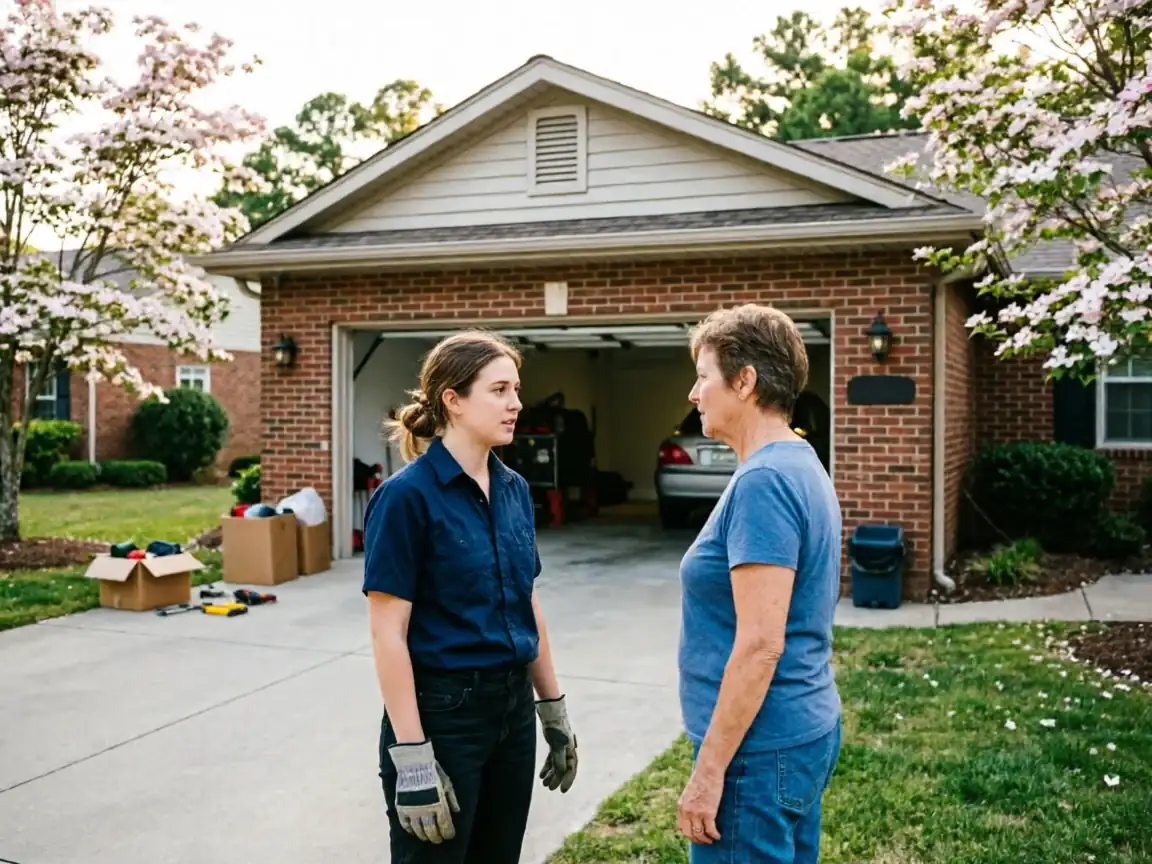
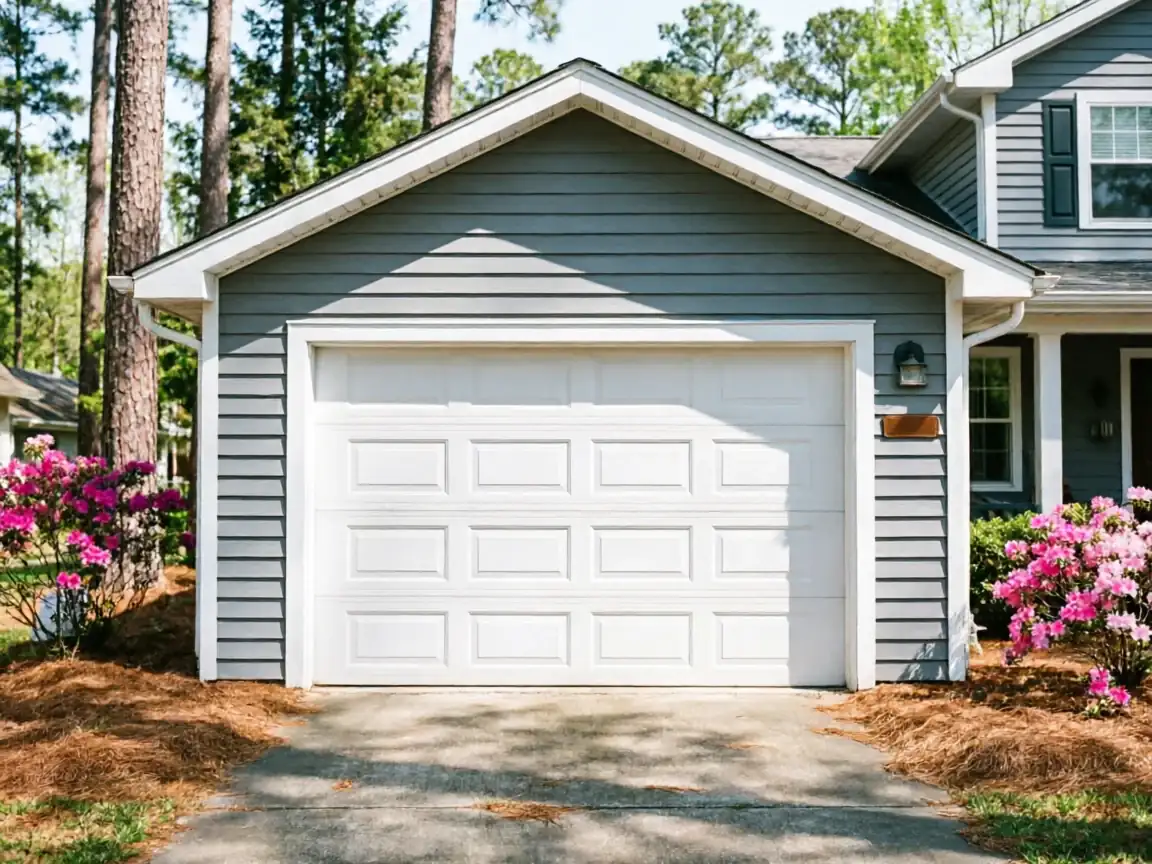
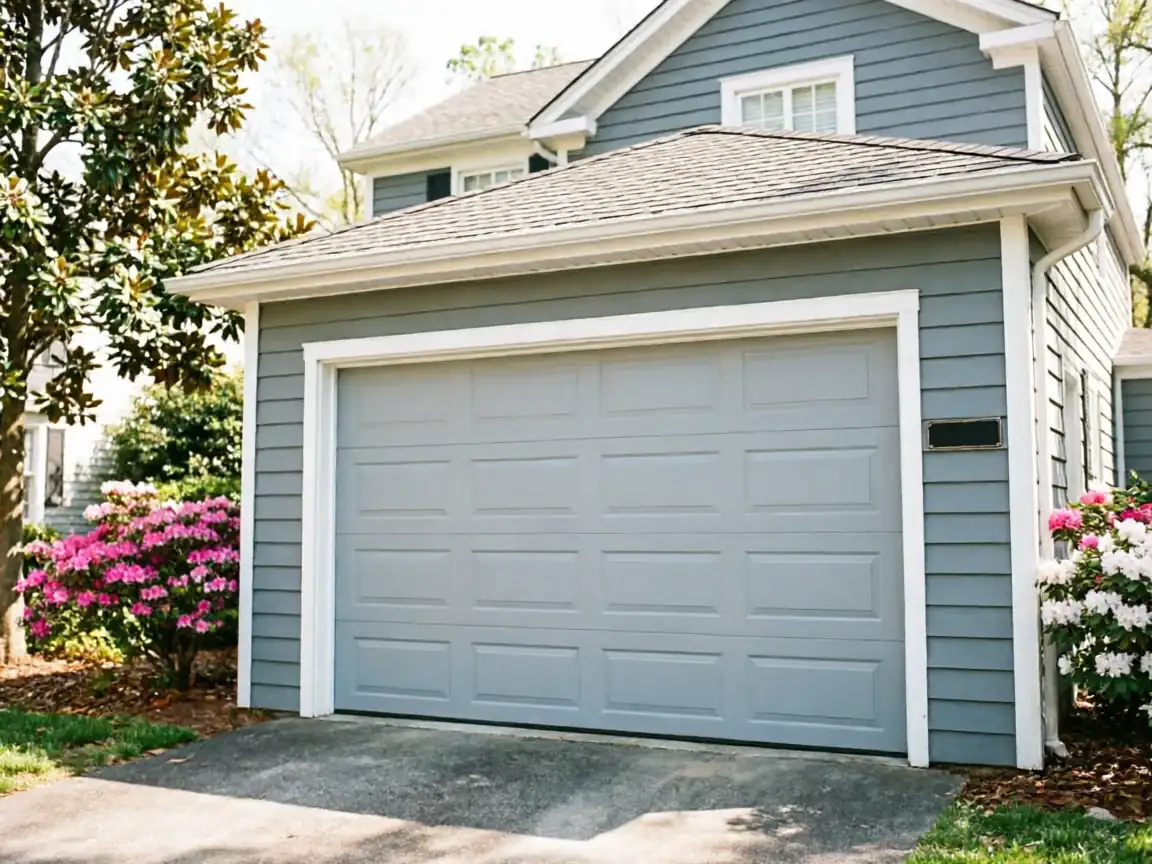
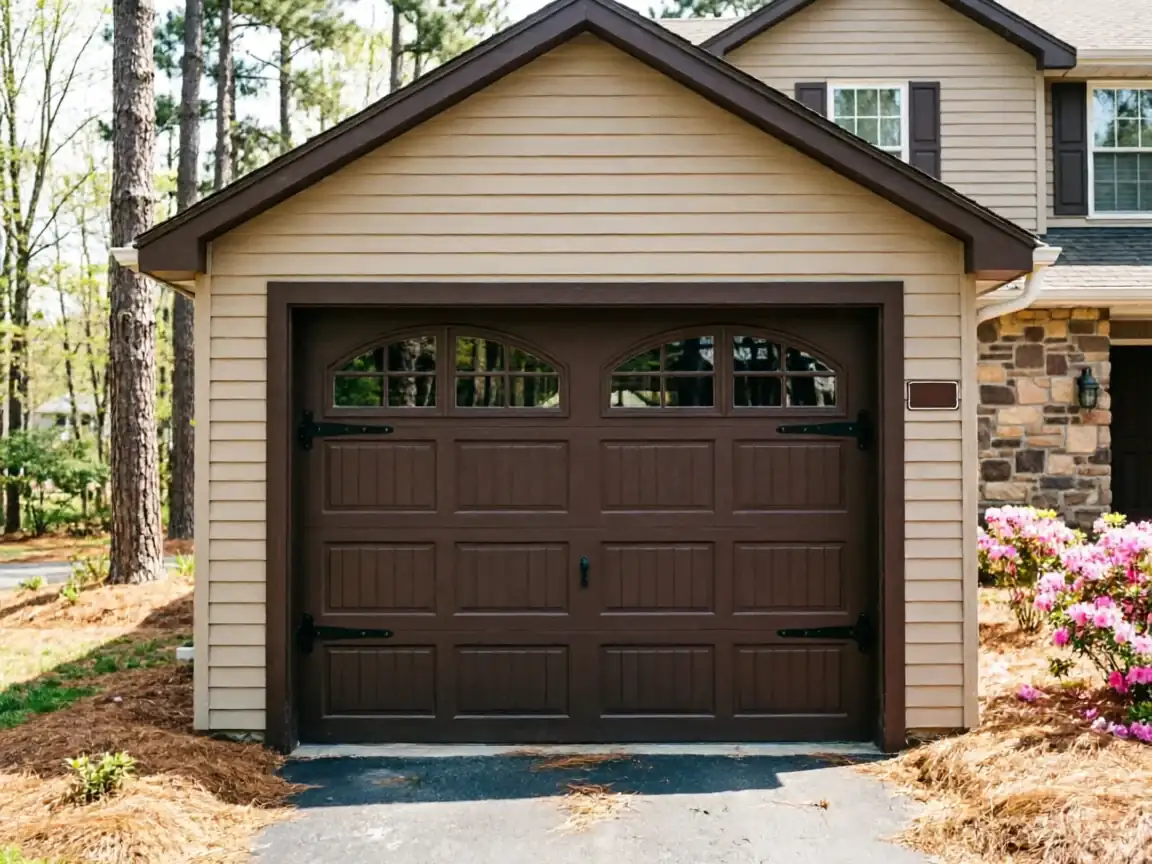
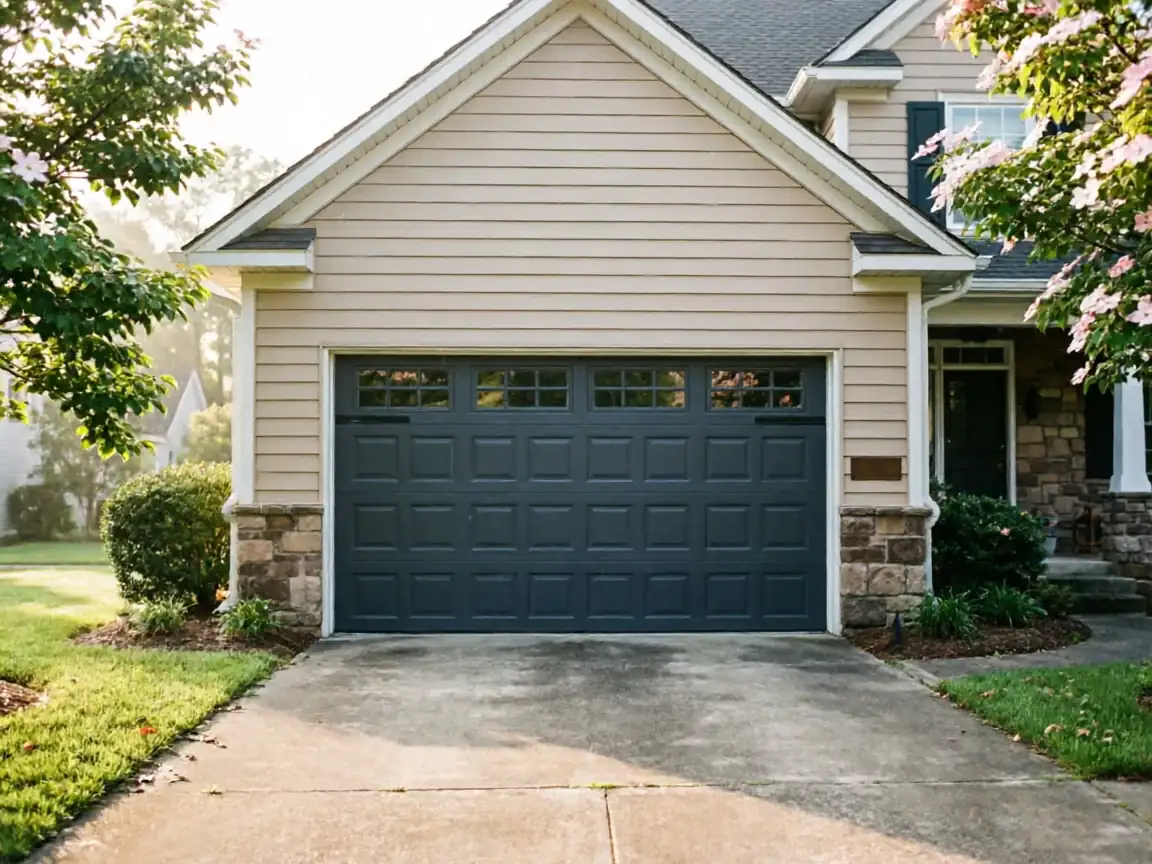
Wellford sits about 8 miles from our shop in Greer, and we run installation crews out there on a scheduled basis rather than keeping a truck parked in town. When you call about a new door, we'll ask the age of your house and a photo of the current opening - with most Wellford homes built after 1996, we're usually looking at a standard steel sectional opening already set up for torsion spring hardware, which makes measuring and ordering straightforward. We don't keep a branch location in Wellford itself, so visits are scheduled trips from Greer, not same-hour drop-ins. If you need the work done around a specific date, tell us up front and we'll plan the route accordingly. We serve the wider area including Duncan, Taylors, and Lyman on the same loop, so a Wellford appointment often lines up with other stops nearby, which can help with scheduling flexibility on both ends.
What Causes It Around Here
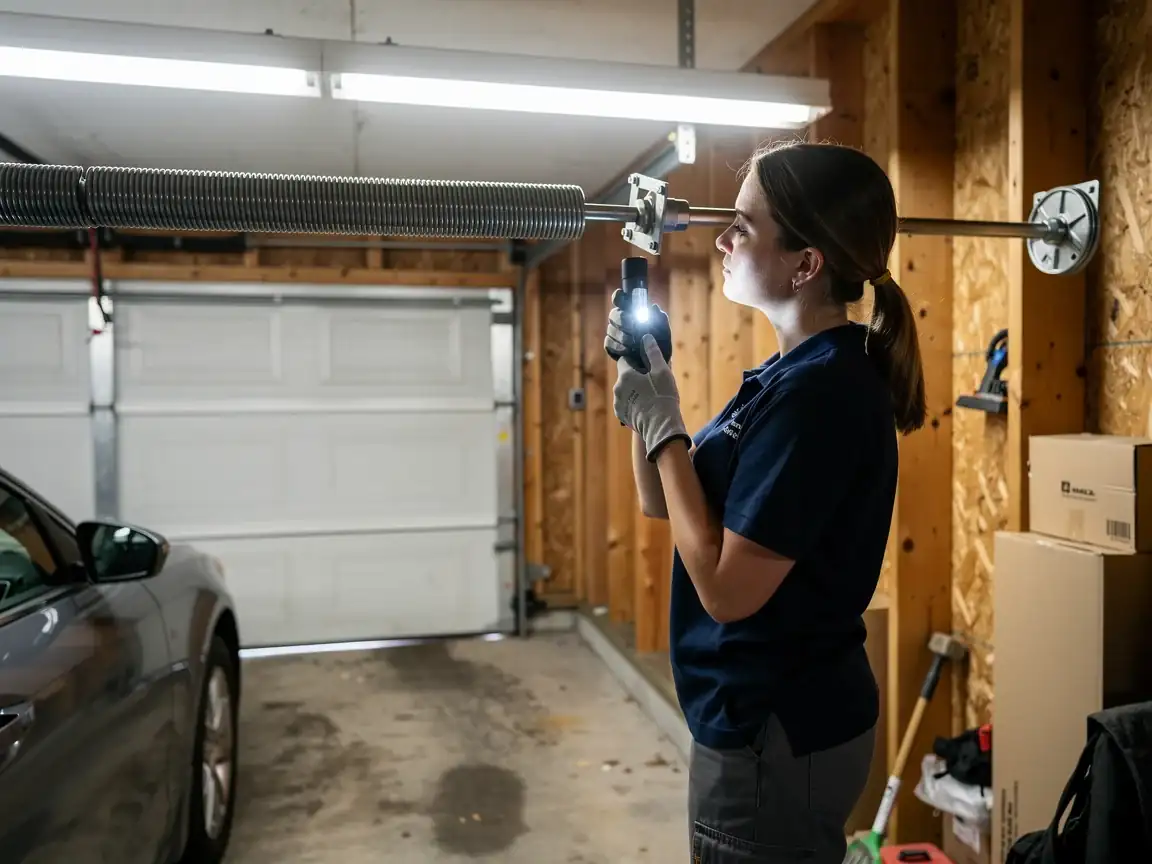
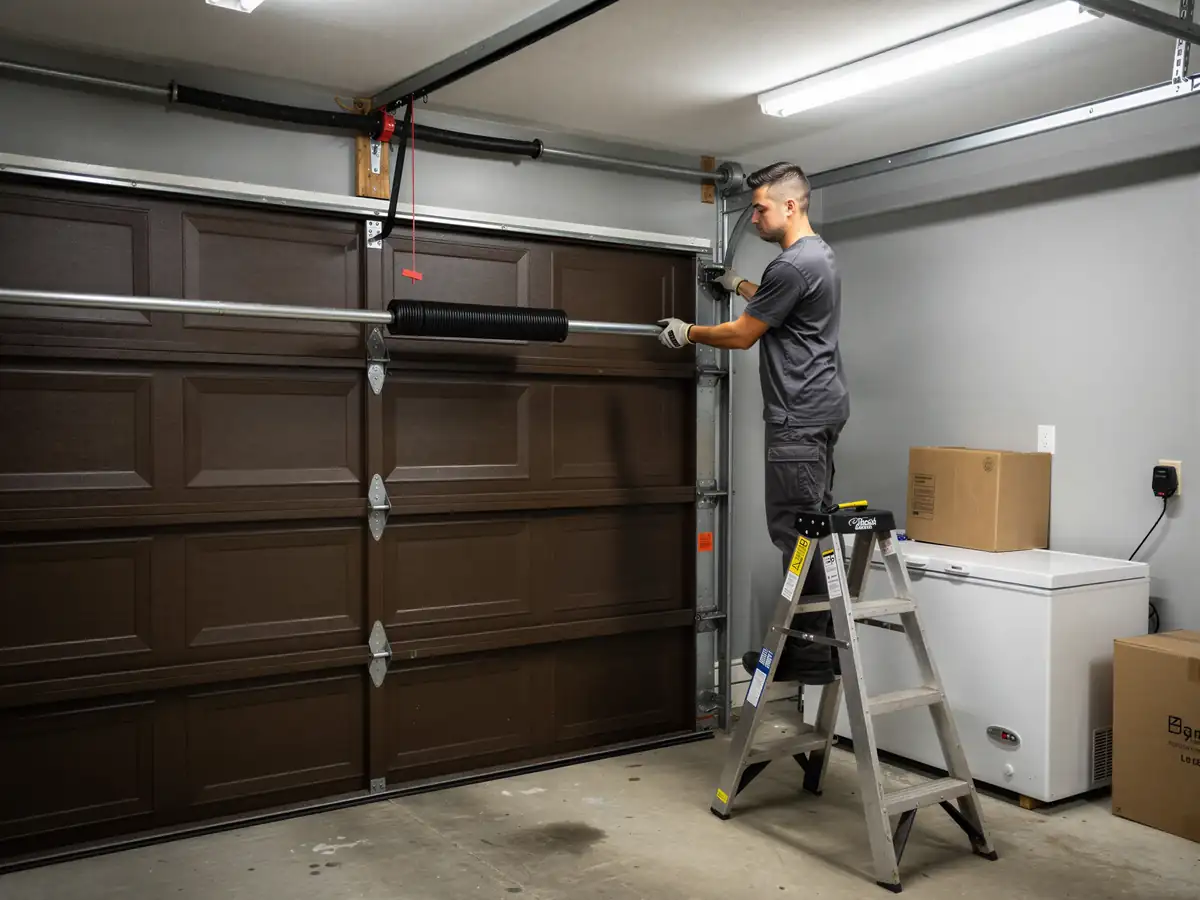
Wellford's housing stock skews newer than a lot of the surrounding service area - median build year around 1996, versus a broader median of 1983 across the territory we cover. That matters because a door built in the mid-90s was almost always installed with torsion spring hardware from the factory, not the older extension-spring setups common on pre-1980s construction. The upside is that most replacement jobs here are straightforward swaps onto existing torsion rails rather than full hardware conversions. The downside: 90s-era steel doors are reaching the point where the original springs and rollers are simply worn out from three decades of cycles, which is the main reason we get new-installation calls from this part of town rather than repair calls.
What Can Go Wrong
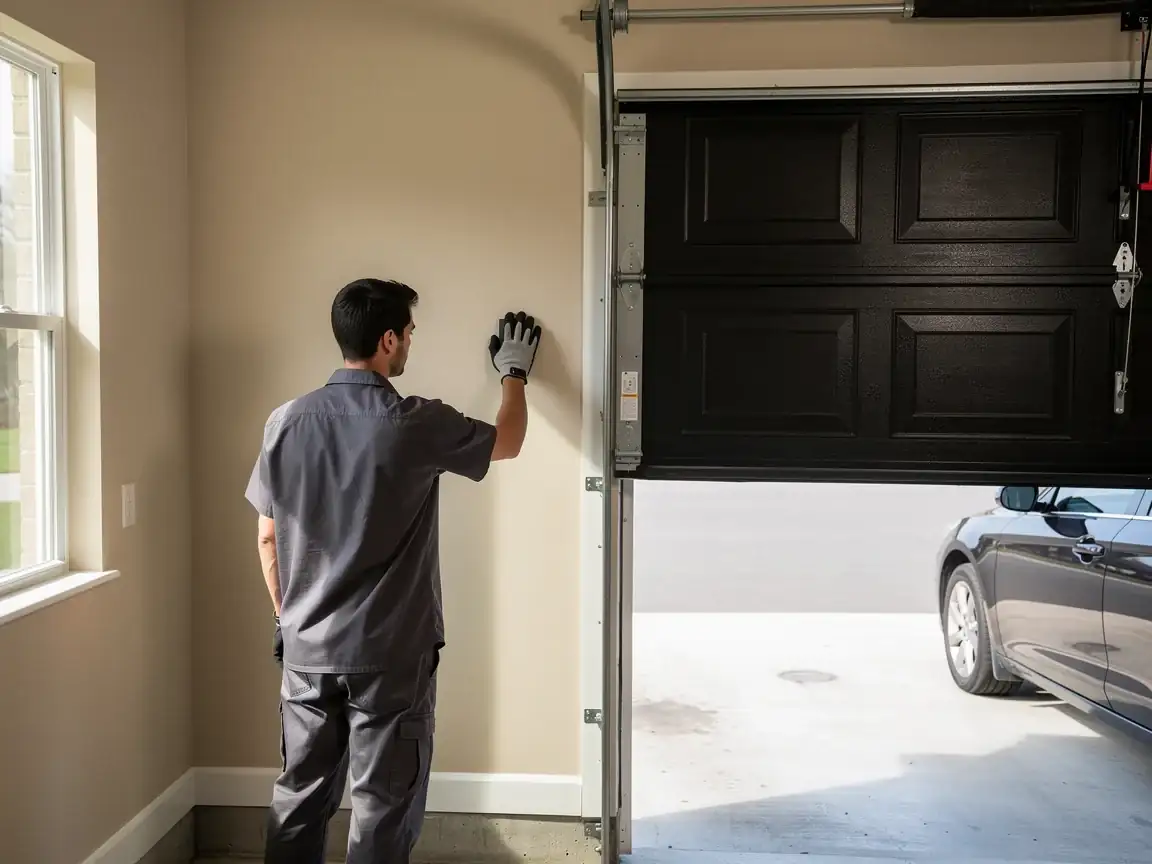
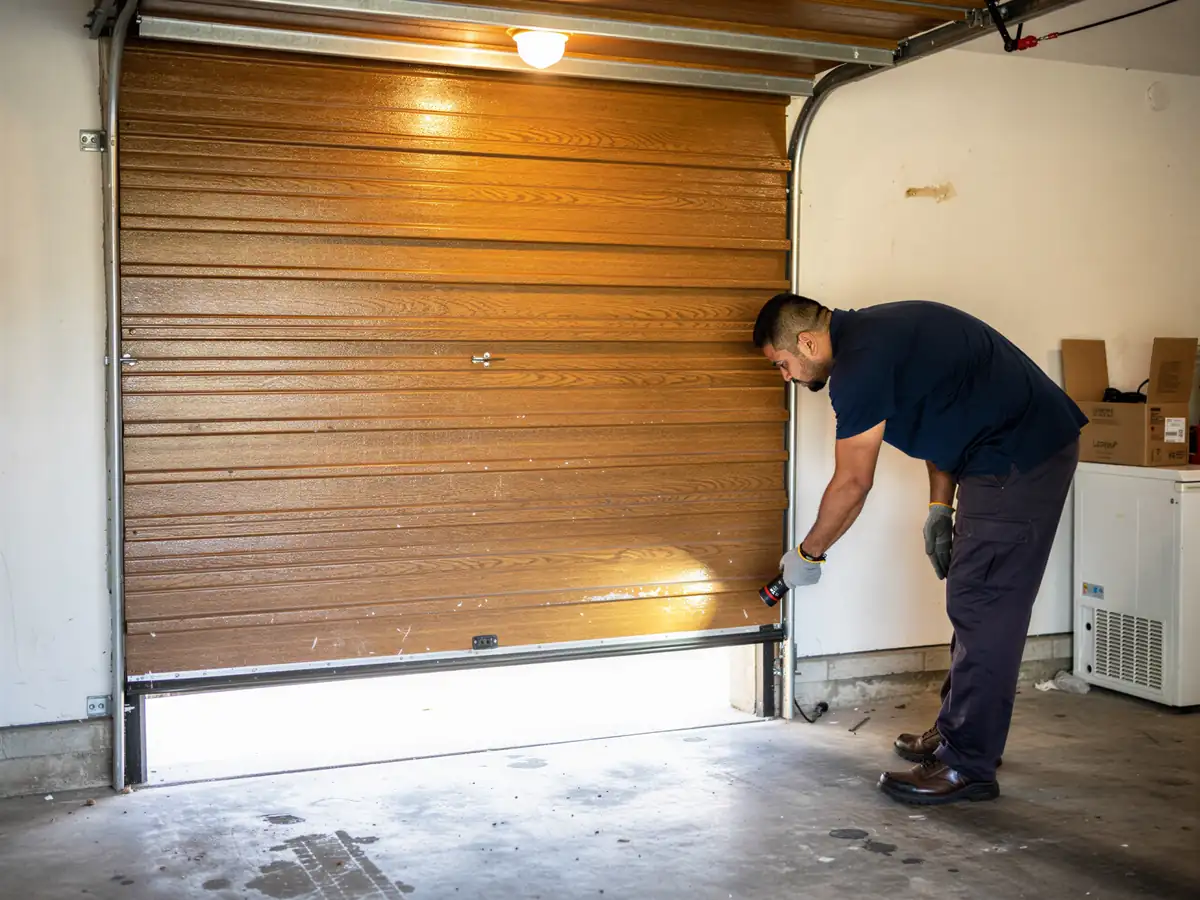
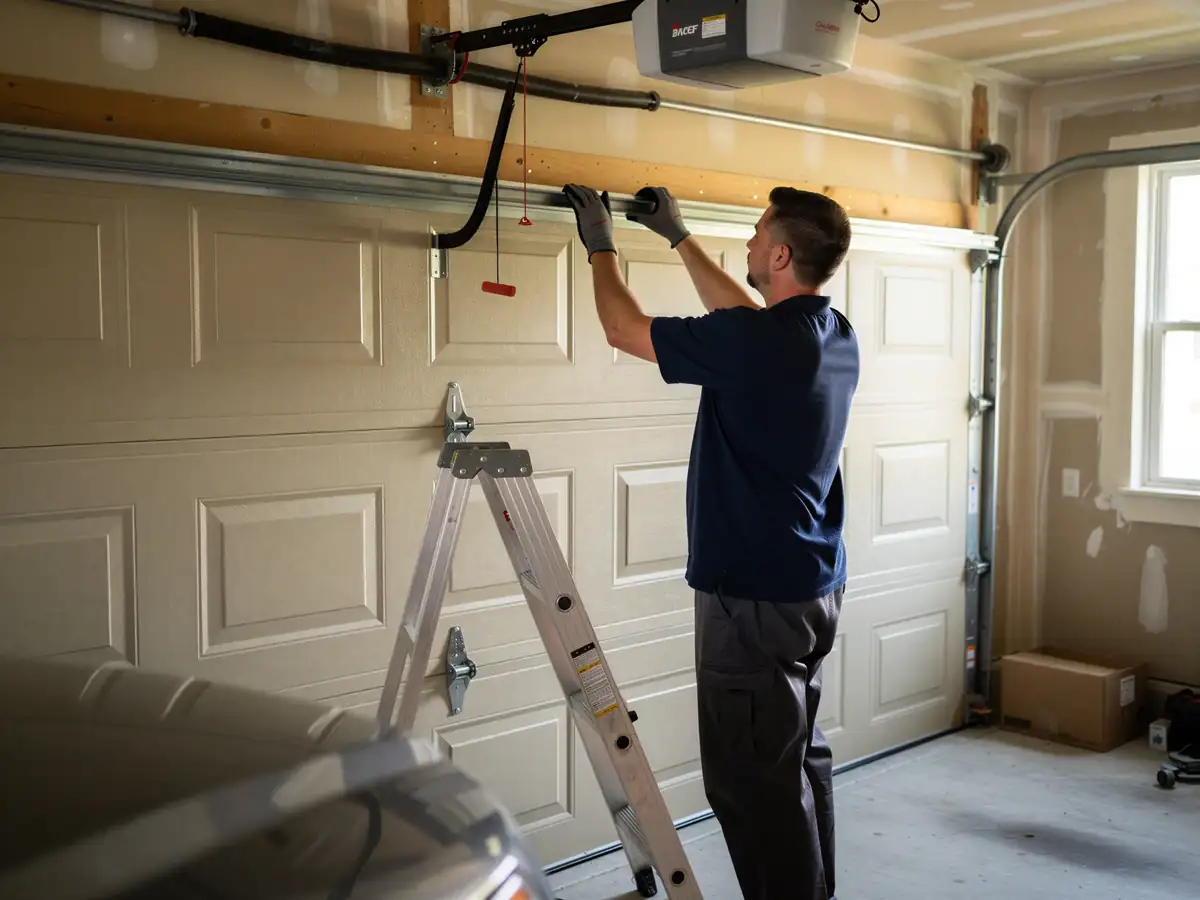
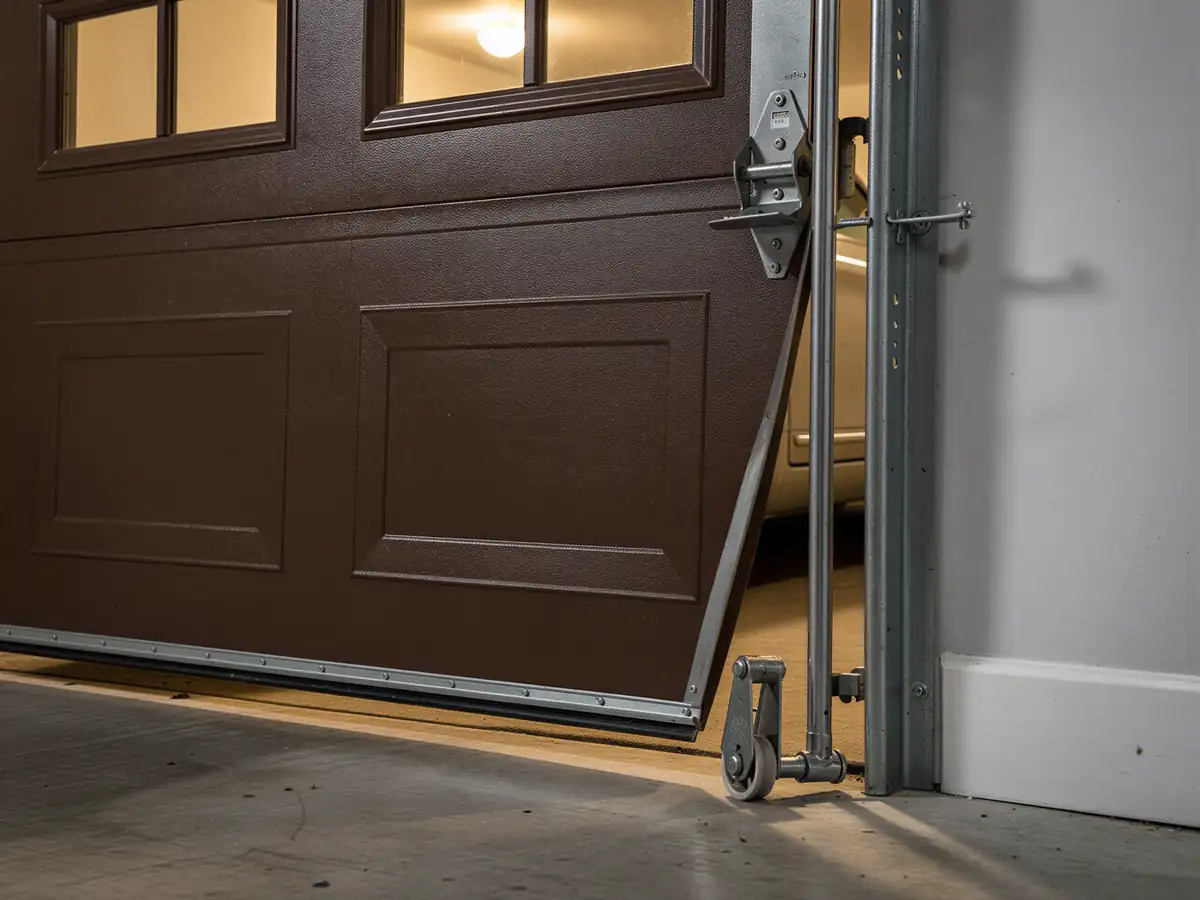
On a door this age, the opening itself is rarely the problem - framing from a mid-90s build is standard dimension and plumb. What trips up installs is the track alignment left behind by the original door, especially if it was ever replaced once already with a mismatched panel height. We also see openers from that era still wired in that don't meet current safety-reversal expectations, which we flag before swapping the door rather than after. One honest limit: if your framing has settled or shifted over nearly 30 years, that's a carpentry fix outside a straight door install, and we'll tell you that up front rather than force a door into an opening that isn't square.
Parts We Carry
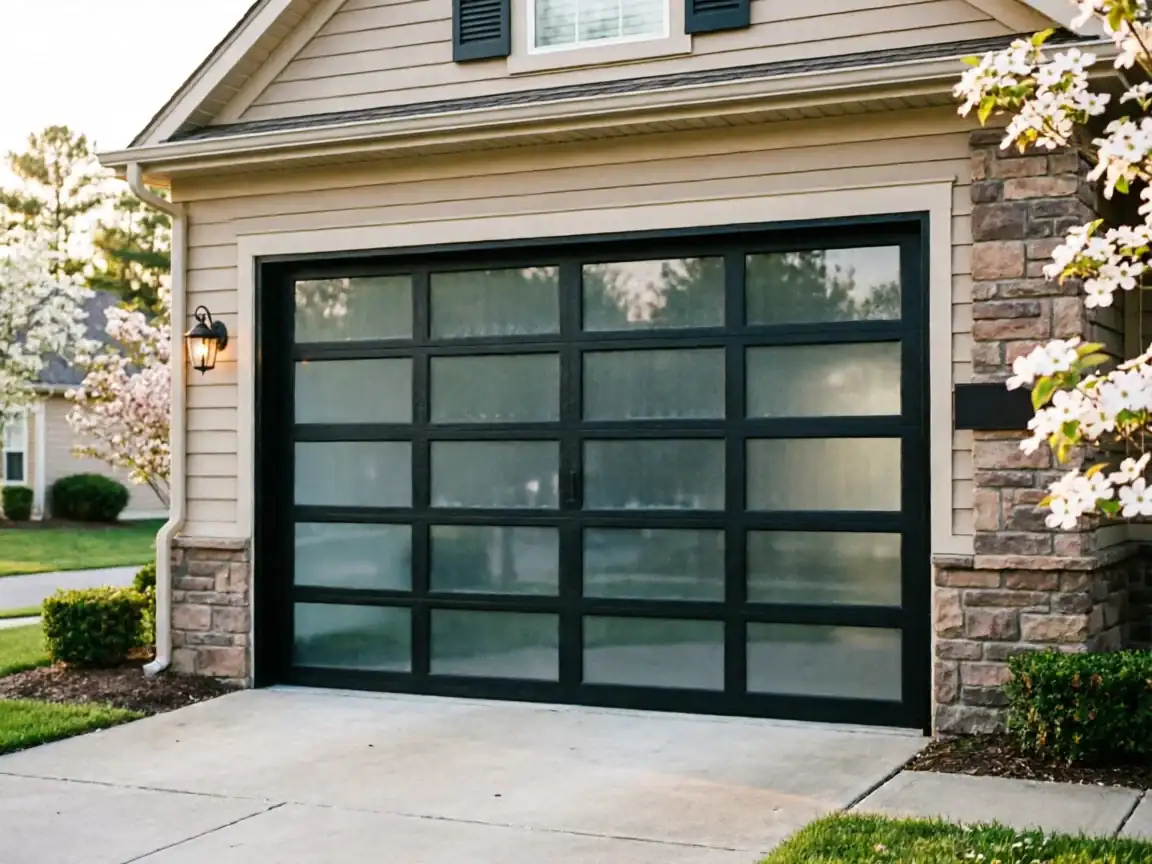
For the steel sectional doors typical of 1990s-built homes in this area, we stock standard torsion springs sized to common door weights and the matching rollers and cable sets. What we don't keep on hand is custom millwork or wood-composite panels - those are special-order through the manufacturer, and lead time runs longer than a stocked steel door. If your opener is original to the house, we'll check it against current safety-reversal standards before reusing it on the new door rather than assuming it still passes.