Booking a Visit
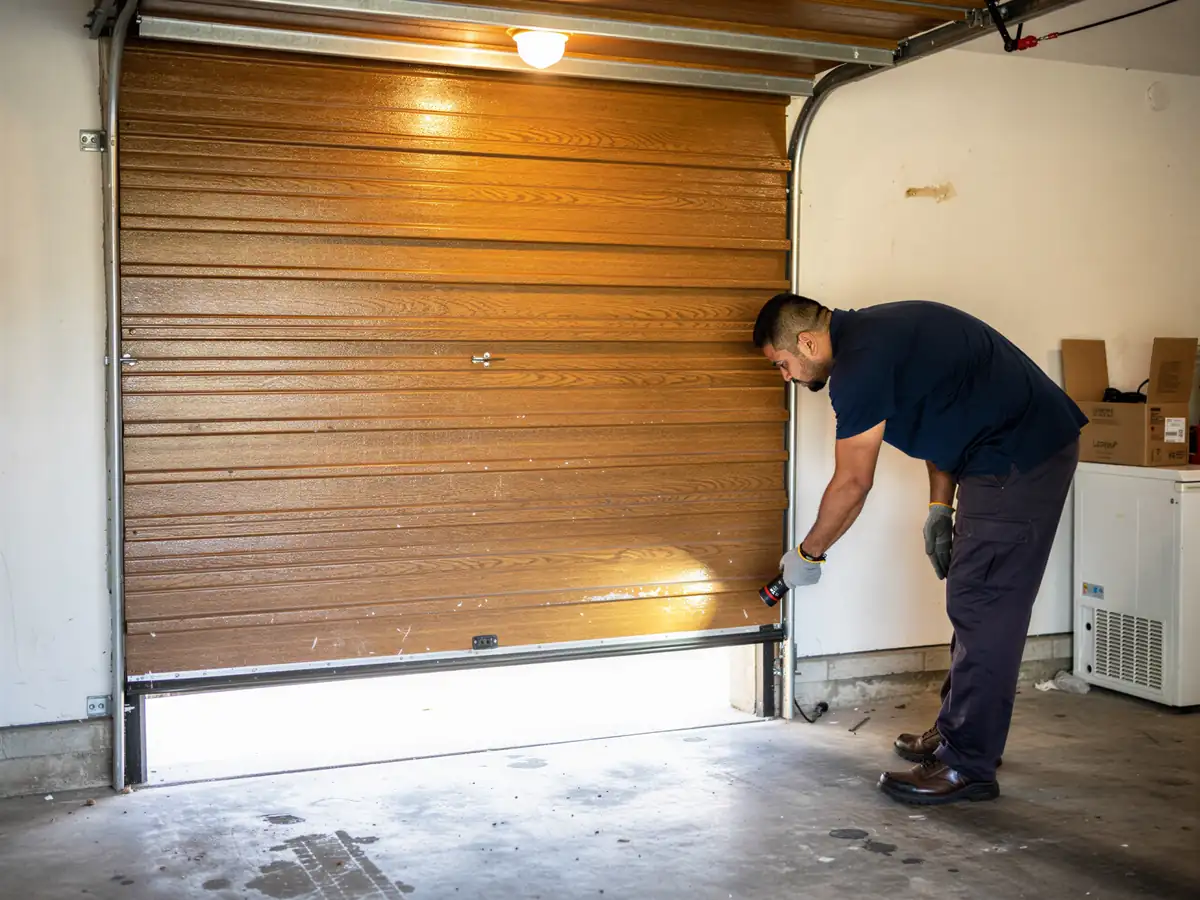
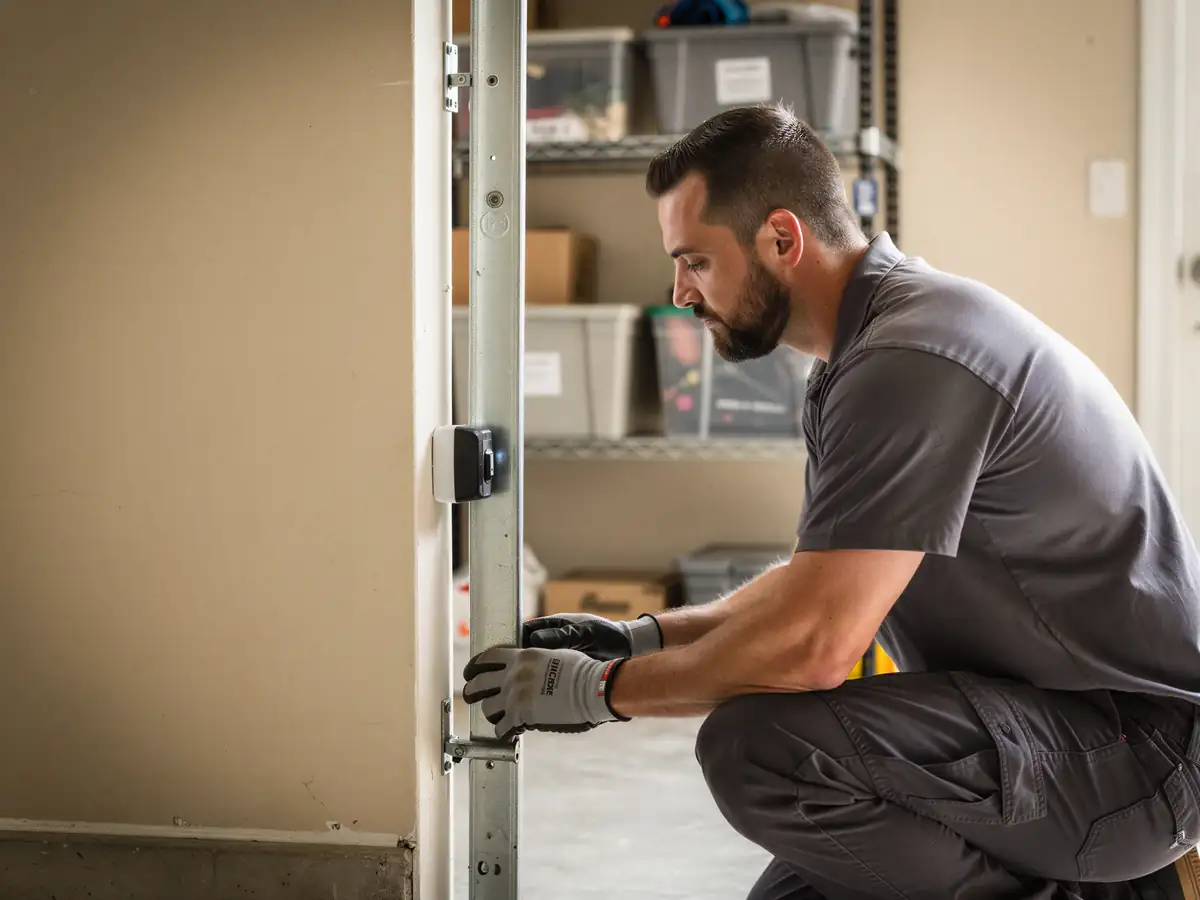
Wellford is a small place, around 1,136 households by our count, sitting about 8 miles out from our shop in Greer. That size matters for how we schedule. We're not running a branch office in Wellford, so a maintenance visit here gets booked as a drive-out trip, same as we'd plan for any of the smaller communities past the Greer line. We won't promise a same-day slot just because you're close to the highway. What we can do is group Wellford calls together when the schedule allows, which keeps the trip worth making for both of us. If your opener is making a new noise or a panel's started to sag, call ahead rather than waiting for it to get worse - a spring that's starting to fray costs less to replace on a maintenance visit than after it lets go. Book through the site or give us a call, and we'll find a day that works for the drive.
What Causes It Around Here
Wellford's housing stock runs newer than a lot of the Greer service area - the median build year here is 1996, a decade or so past the 1983 median across the wider 32-area footprint we cover. That newer stock means less of the original-hardware trouble you see in older sections, but it doesn't mean no trouble. This part of South Carolina sits in a cold-moderate climate band, and that swing between summer humidity and winter cold is hard on garage door hardware regardless of age. Torsion springs lose temper faster with repeated freeze-thaw cycling. Steel tracks pick up rust at the mounting bolts when moisture sits on them overnight and bakes off by afternoon. Nylon rollers, even on a door installed in the late '90s, start to crack at the edges once they've logged enough seasonal temperature swings. None of this is damage you can see from the driveway - it shows up as a door that's gotten louder, or an opener that strains a half second longer than it used to.
What Can Go Wrong
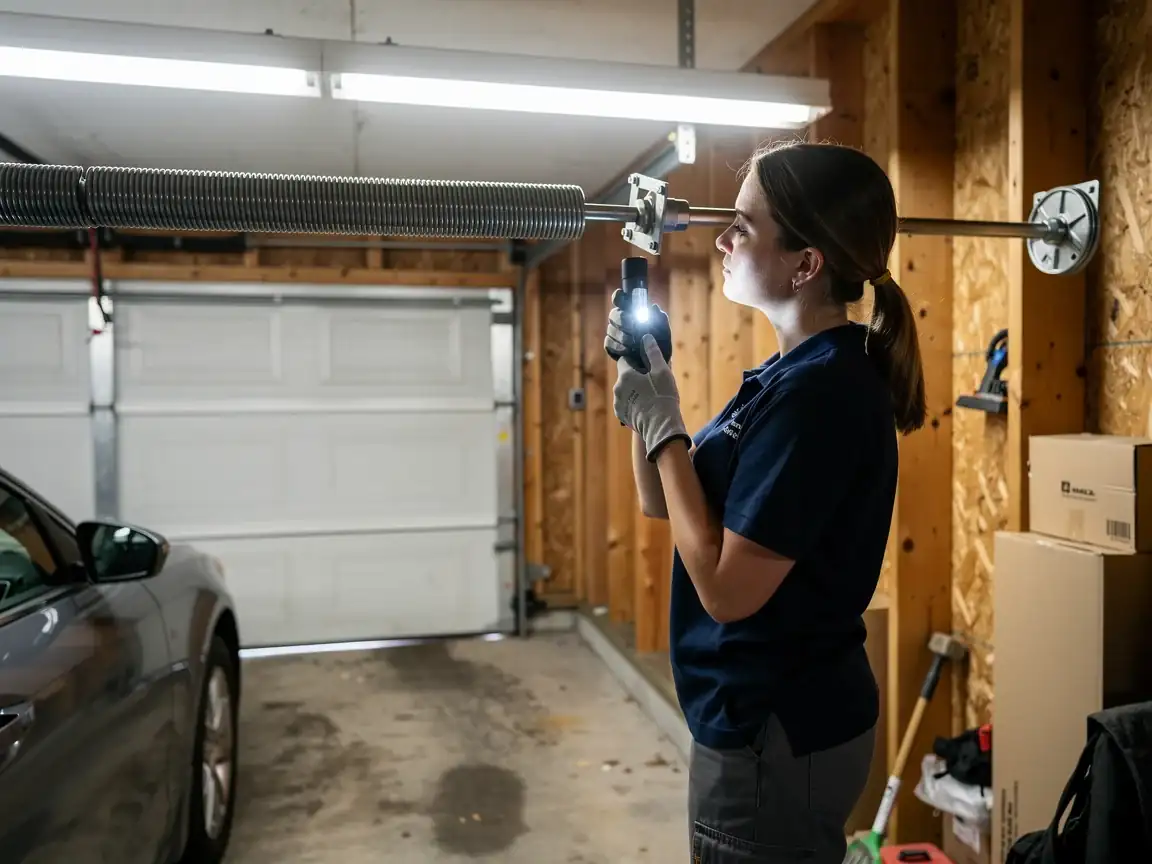
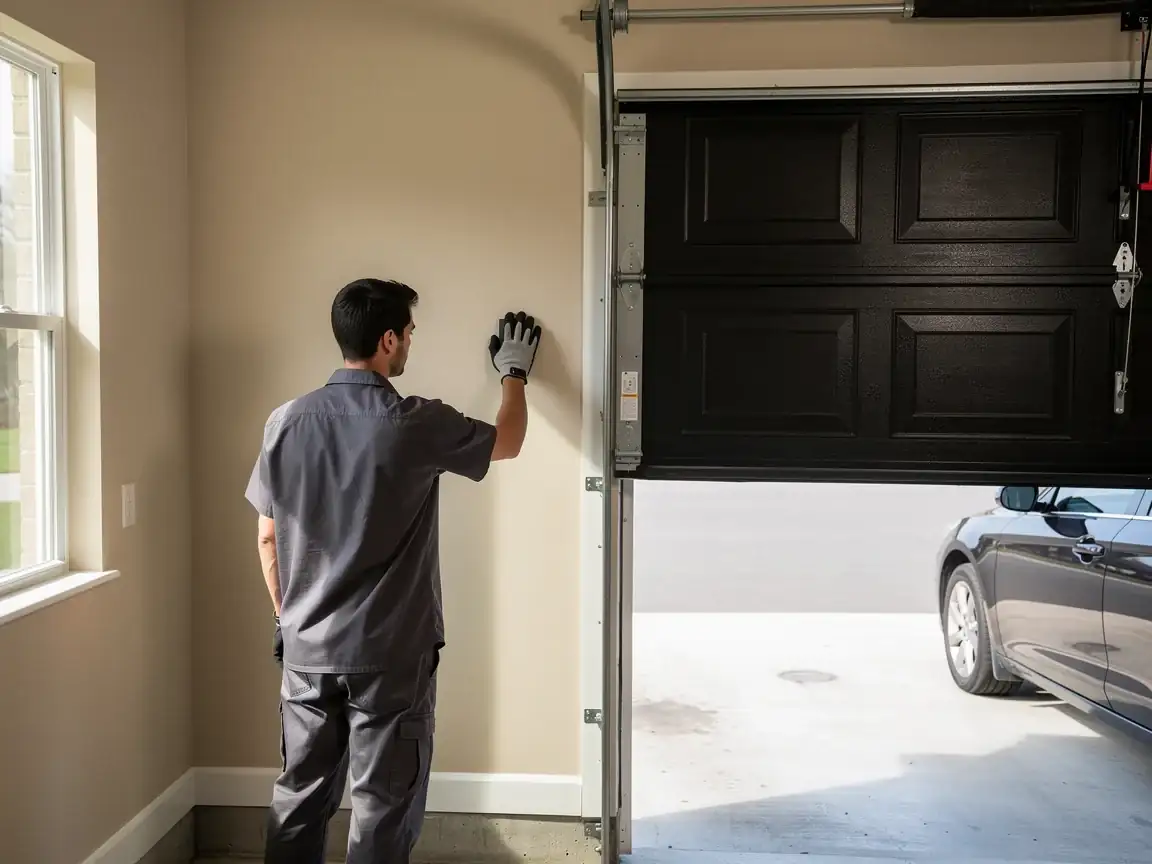
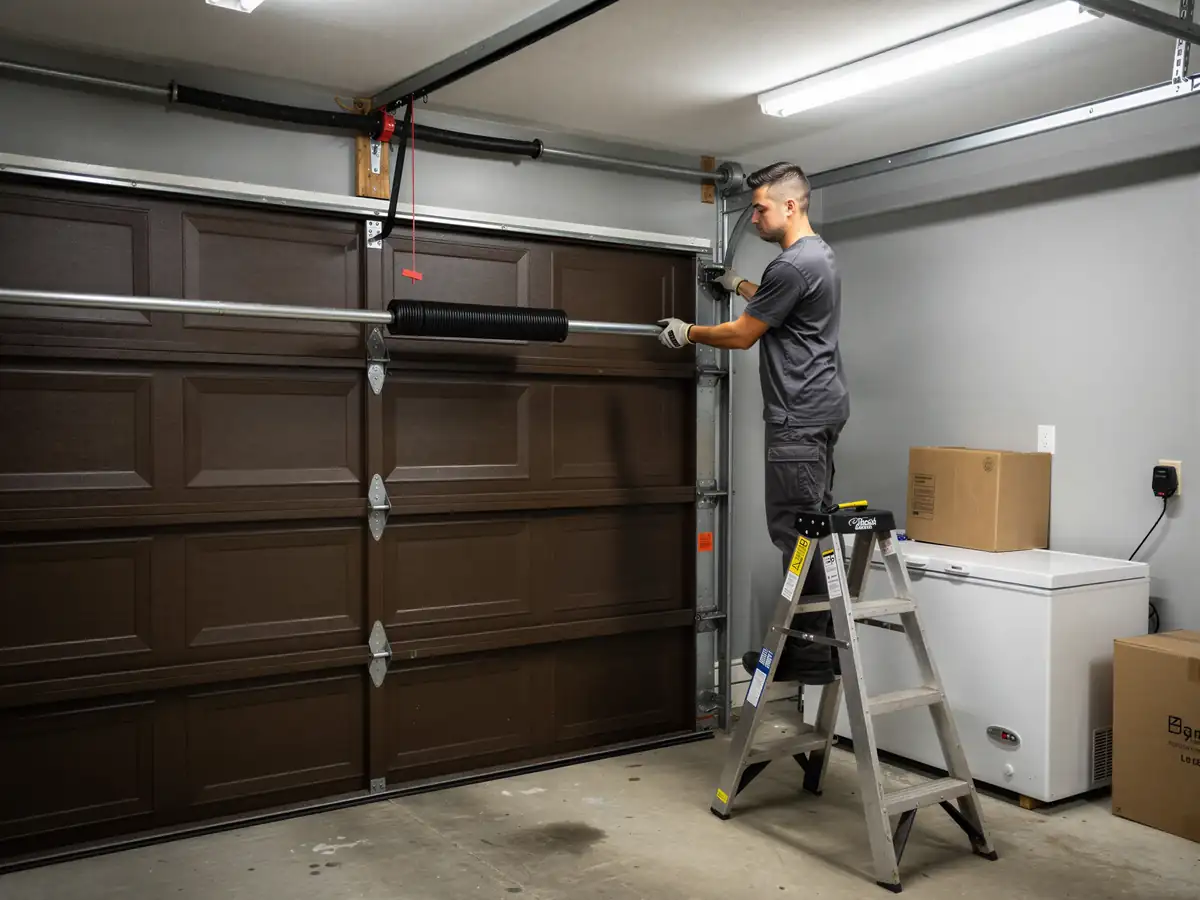
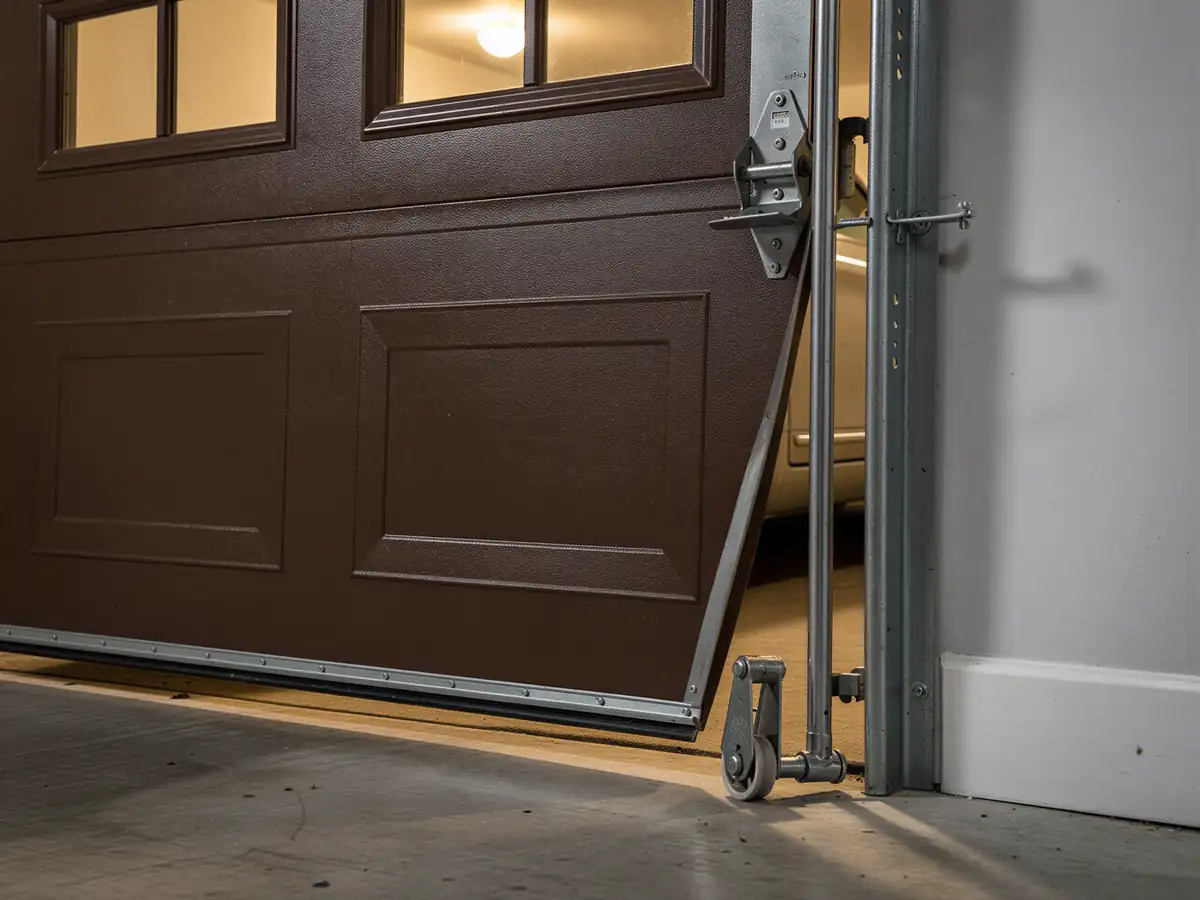
On a door built around the Wellford-area median of the mid-1990s, the failure points we see most are springs losing their wind, center bearings drying out, and the photo-eye sensors on openers getting jarred out of alignment over the years. A spring that's lost tension doesn't always snap outright - sometimes it just stops doing its job, and the opener motor takes over the load it was never built to carry, which burns out the motor faster. Cables fraying at the drum are another one, usually invisible until a panel comes down crooked. We also see a fair number of openers from that era still running on original logic boards, which can't always talk to newer keypad or smart-home accessories homeowners want to add. We'll flag it if a repair is cheaper than a sensor retrofit, but we won't push a full opener swap on a motor that's still doing its job.
Parts We Carry
We stock the parts that cover most of what comes up on doors from the 1980s through the 2010s, which fits the age range across our service area generally and lines up well with Wellford's newer, mid-90s-median stock specifically: standard torsion springs in common sizes, nylon and steel rollers, lift cables, center bearings, and drive belts and chains for the opener brands we work with most. What we don't carry on the truck is obsolete opener circuit boards for discontinued models - if your opener's logic board has failed and the manufacturer's stopped making it, we'll tell you straight that replacement is the more sensible move rather than chasing a part that may not exist anymore. For most Wellford homes, though, the hardware is recent enough that parts aren't the bottleneck - scheduling the drive out is.