The Cost of This Job
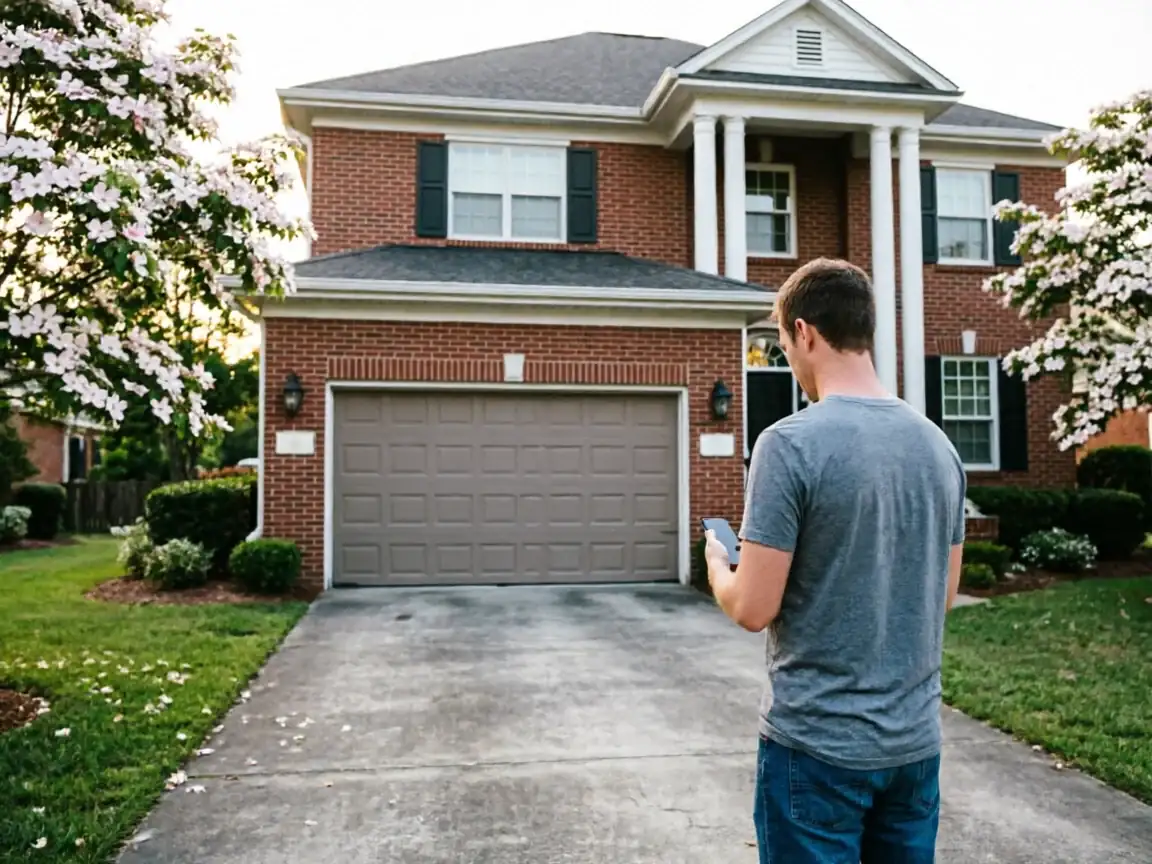
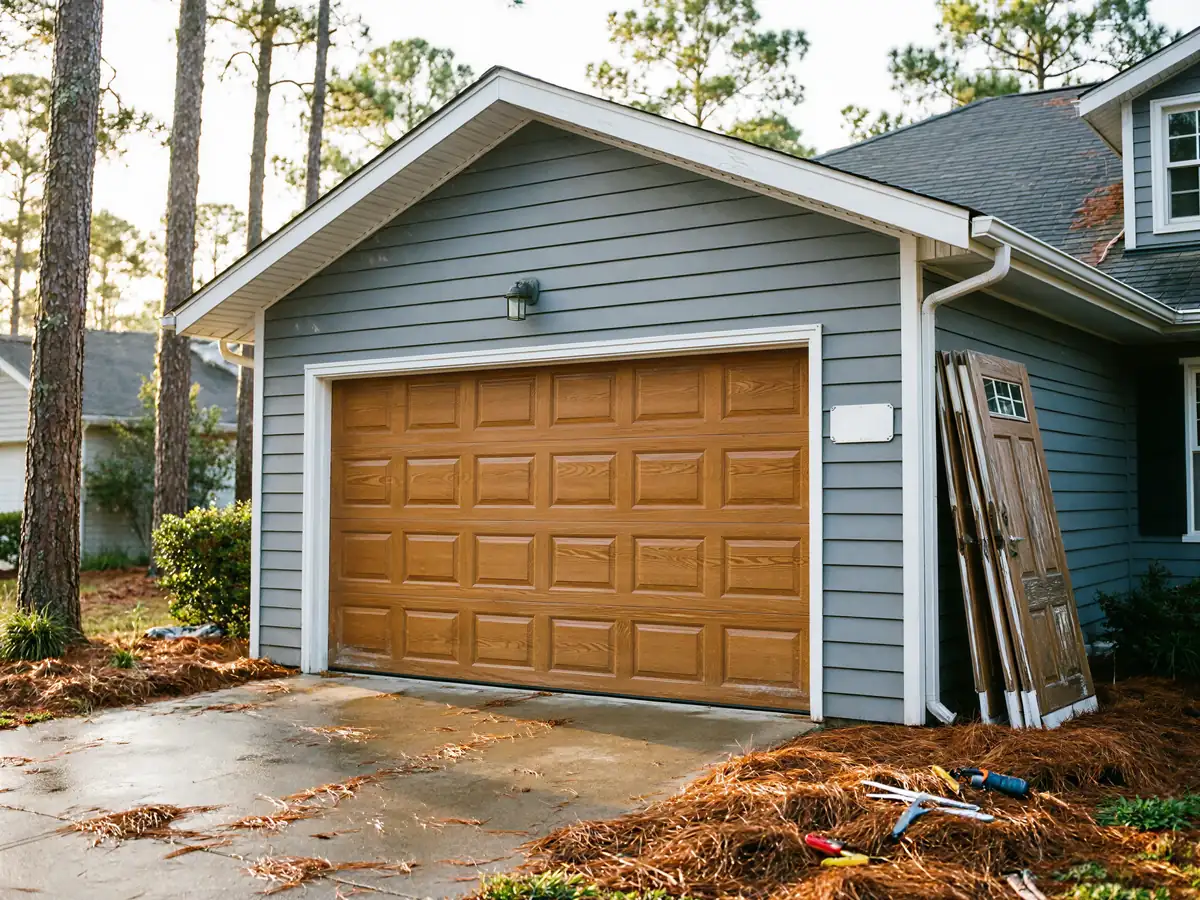
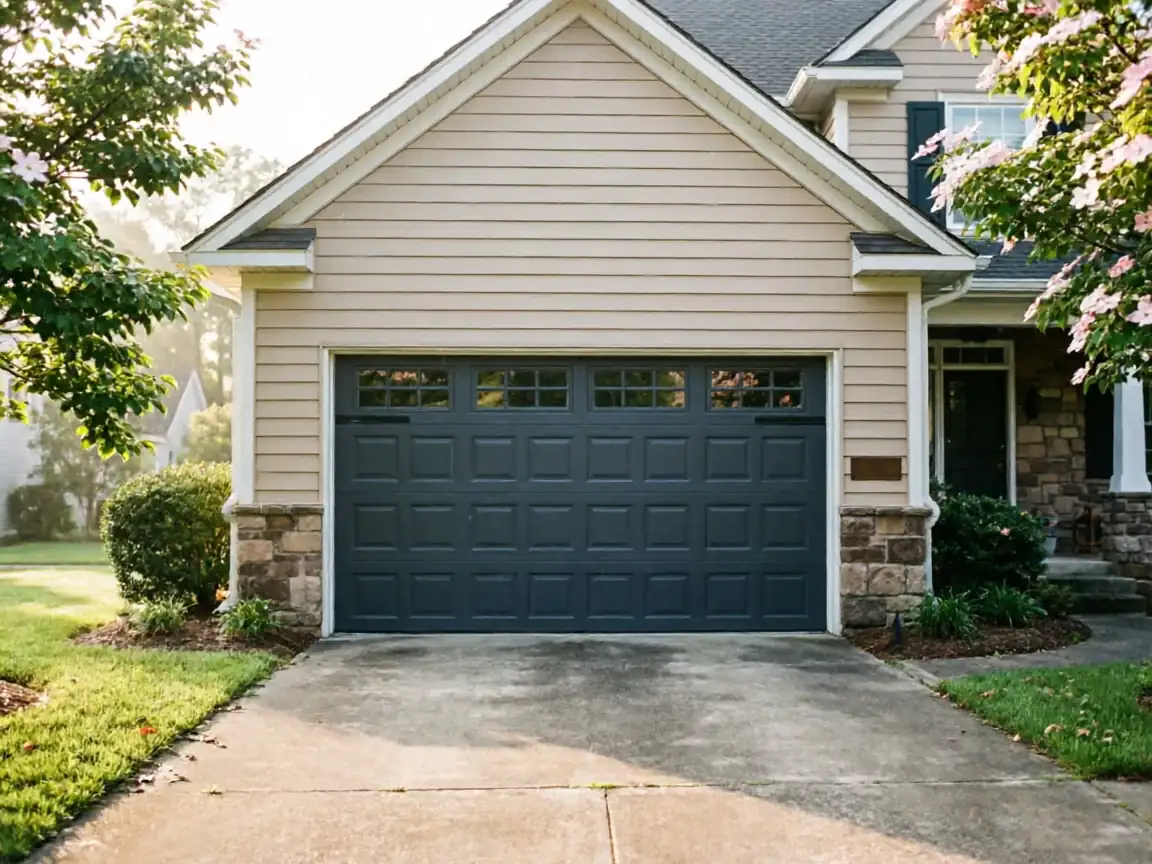
What a repair runs in Mauldin depends on what's actually failing, and the fault pattern here isn't the same as it is closer to the older parts of Greer. Mauldin's housing stock centers on 1994, newer than the wider service area's 1983 median, so you're mostly dealing with steel sectional doors on torsion spring systems rather than the one-piece wood doors and older extension-spring setups that show up on pre-1970s streets. That means parts for the job are usually still in production - torsion springs, nylon rollers, standard-lift cable - rather than obsolete hardware nobody stocks. We don't quote a number here because we haven't seen your door, but a torsion spring swap on a door from this era is a different job, with different parts cost, than replacing hardware on a door built before 1960. The one honest limitation: if your opener board has failed and it's an older proprietary model, we may need to order the part, and that adds a day or two before the job is done. We travel to Mauldin from Greer, about 11 miles out, so factor that into scheduling rather than expecting a same-hour fix.
The DIY Question
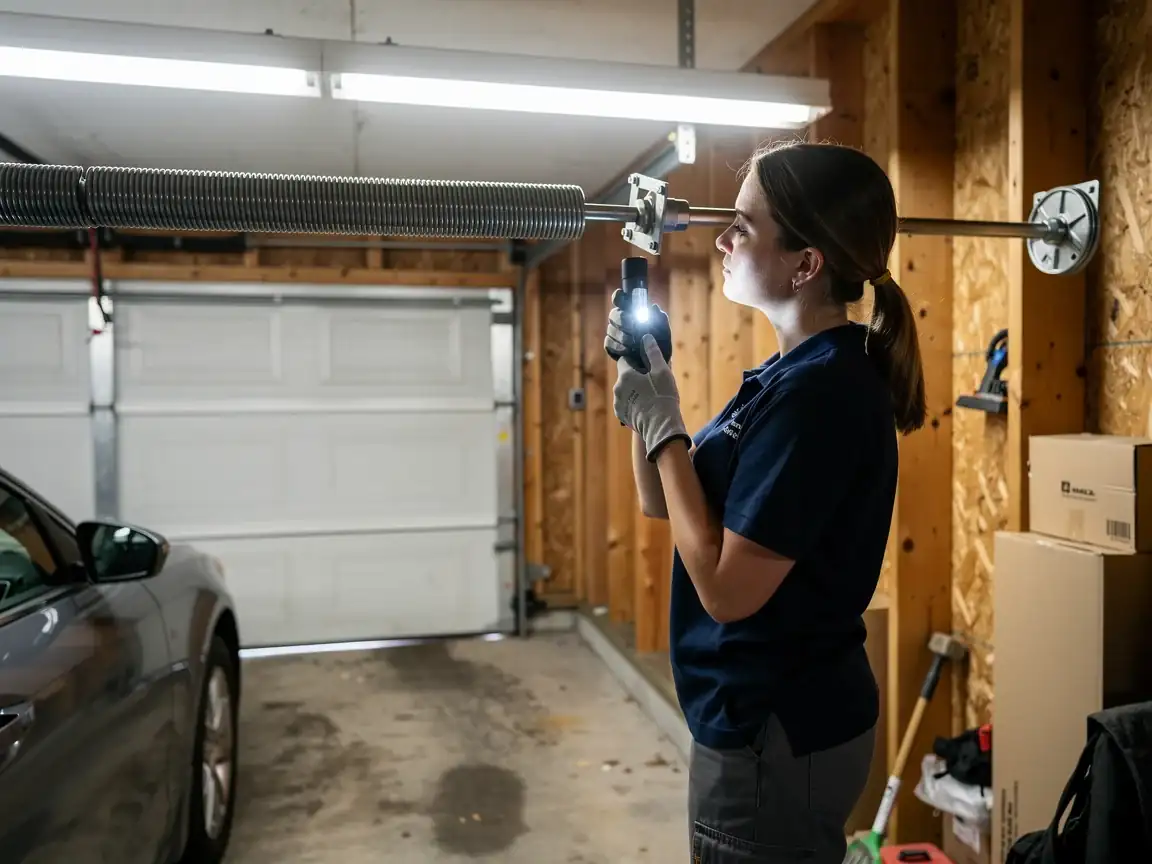
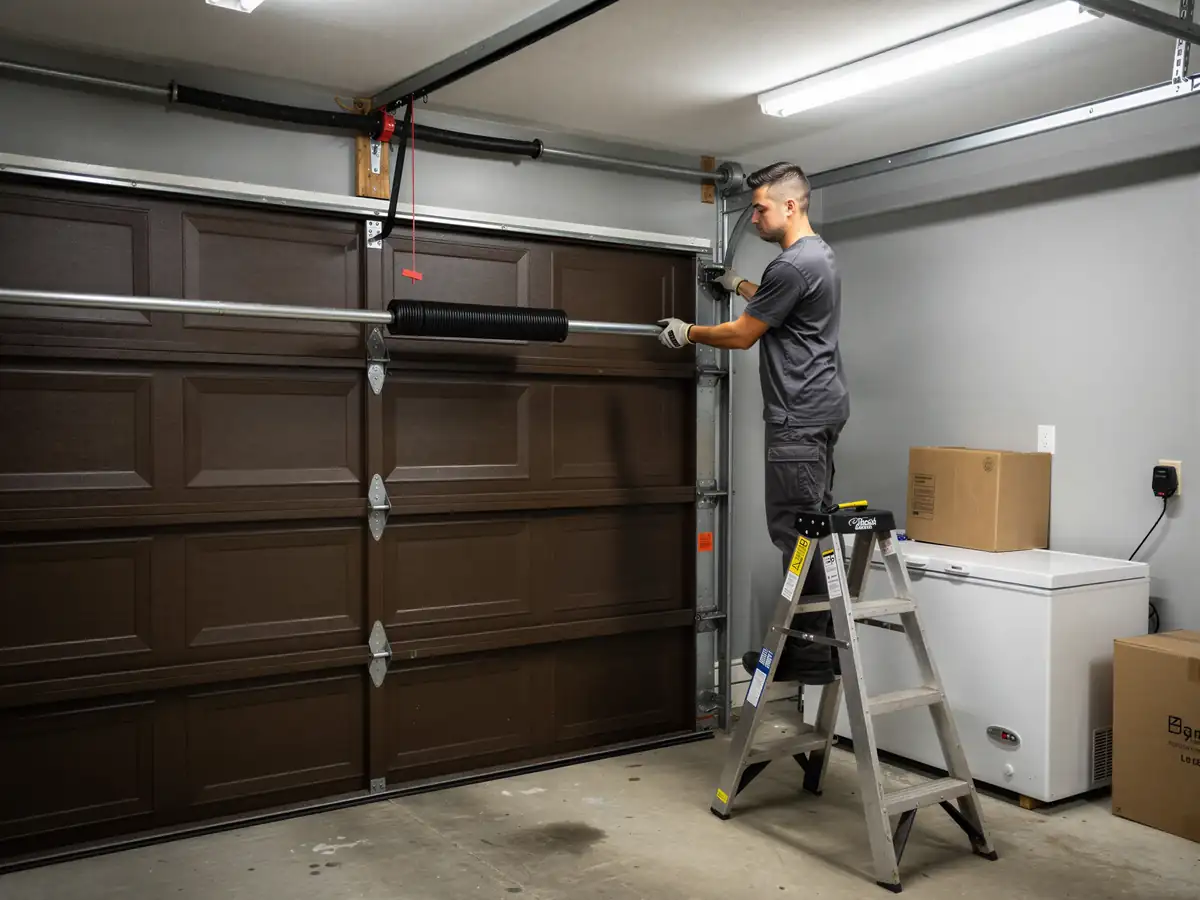
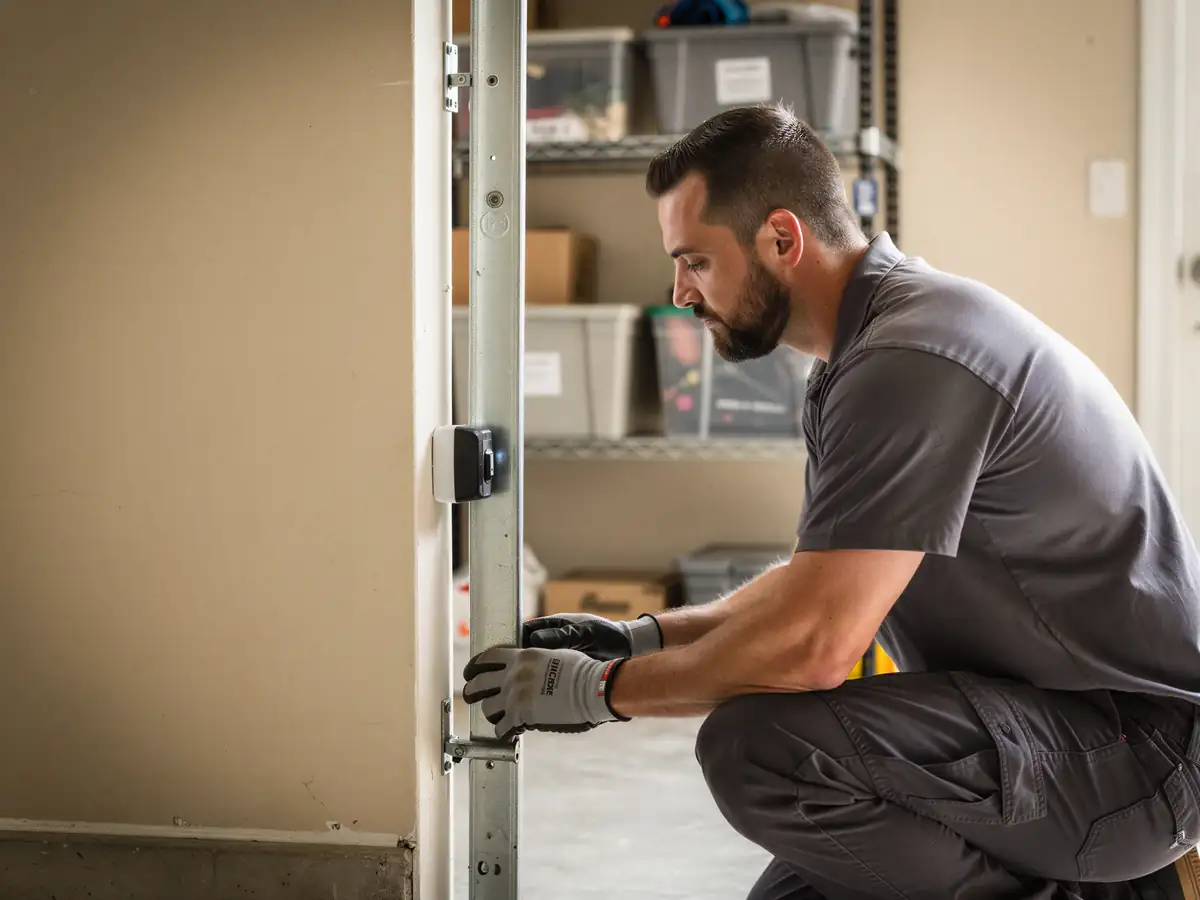
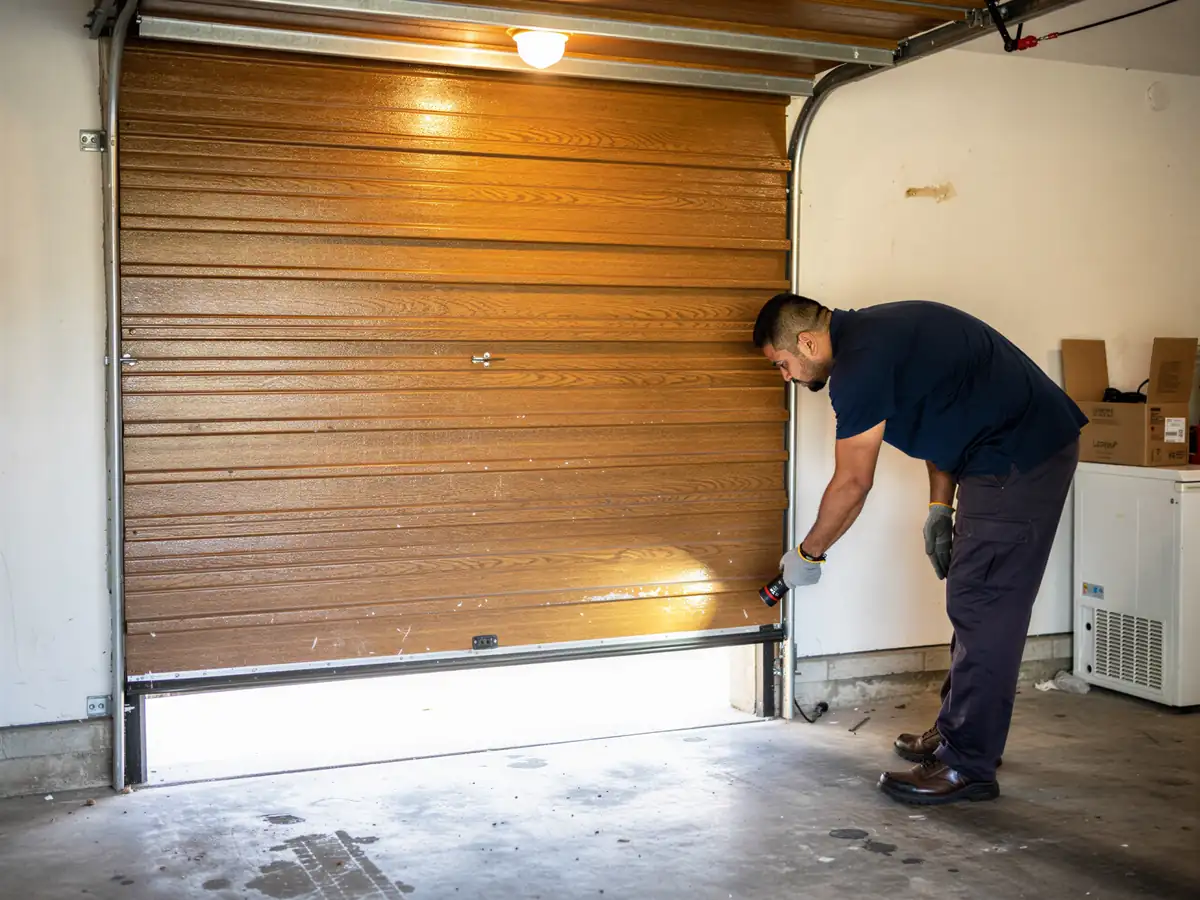
A torsion spring under tension is not a weekend project, full stop - that part holds true no matter what era the door is. But there's a narrower question worth asking for a 1990s-built door specifically: can you adjust the travel limits or lubricate the track yourself? Yes, and it's worth doing. Mauldin's housing stock runs newer gear - steel tracks, nylon rollers, standard torsion hardware - and basic maintenance like cleaning the track and checking hardware for rust is safe and useful. What isn't safe is touching the spring, the cable, or the bottom bracket. Those parts store enough force to break a wrist or worse, and that risk doesn't change with the age of the house.
What Can Go Wrong
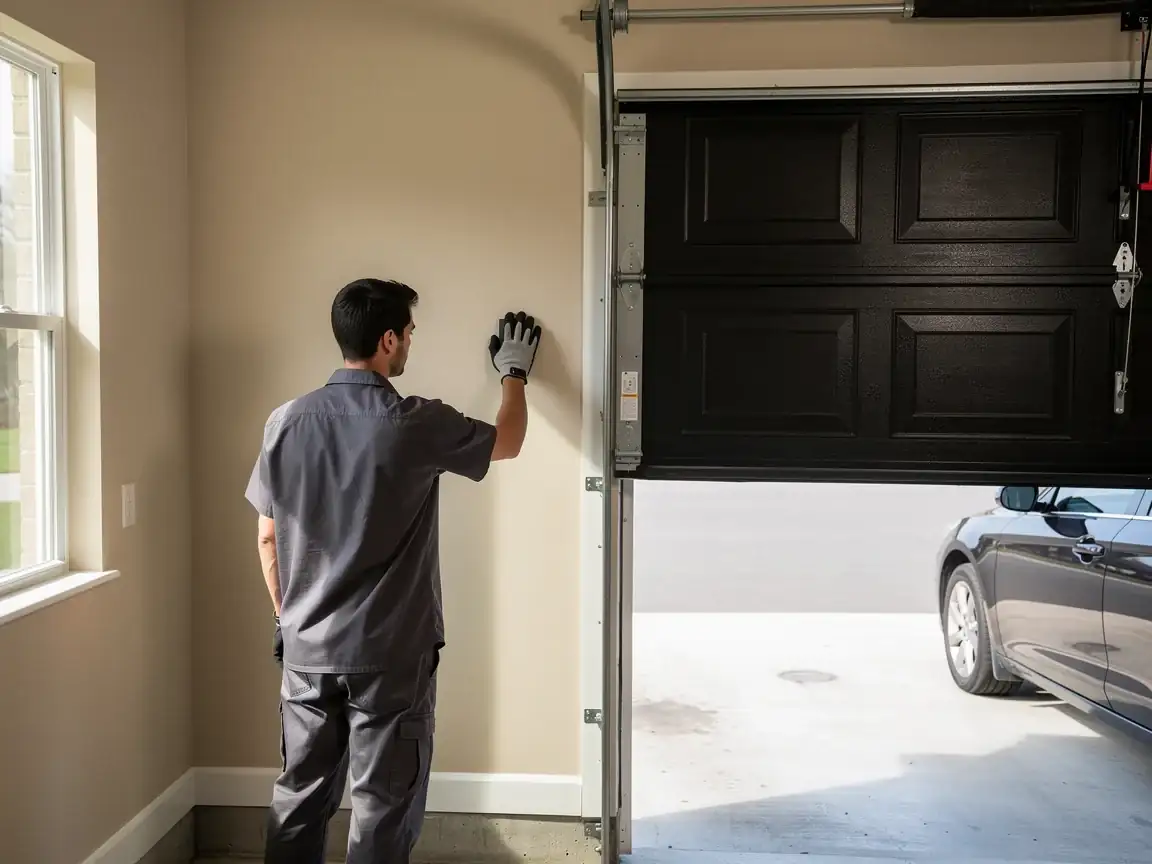
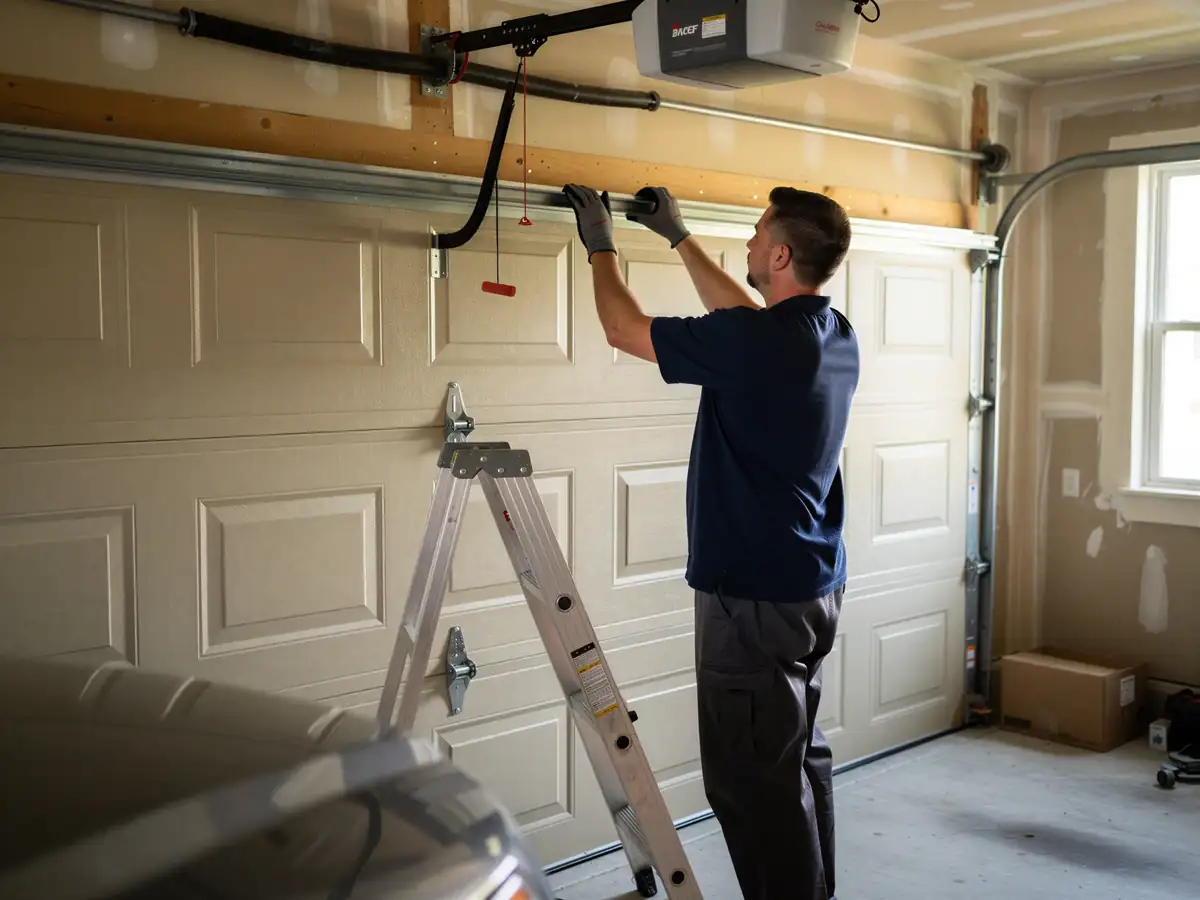
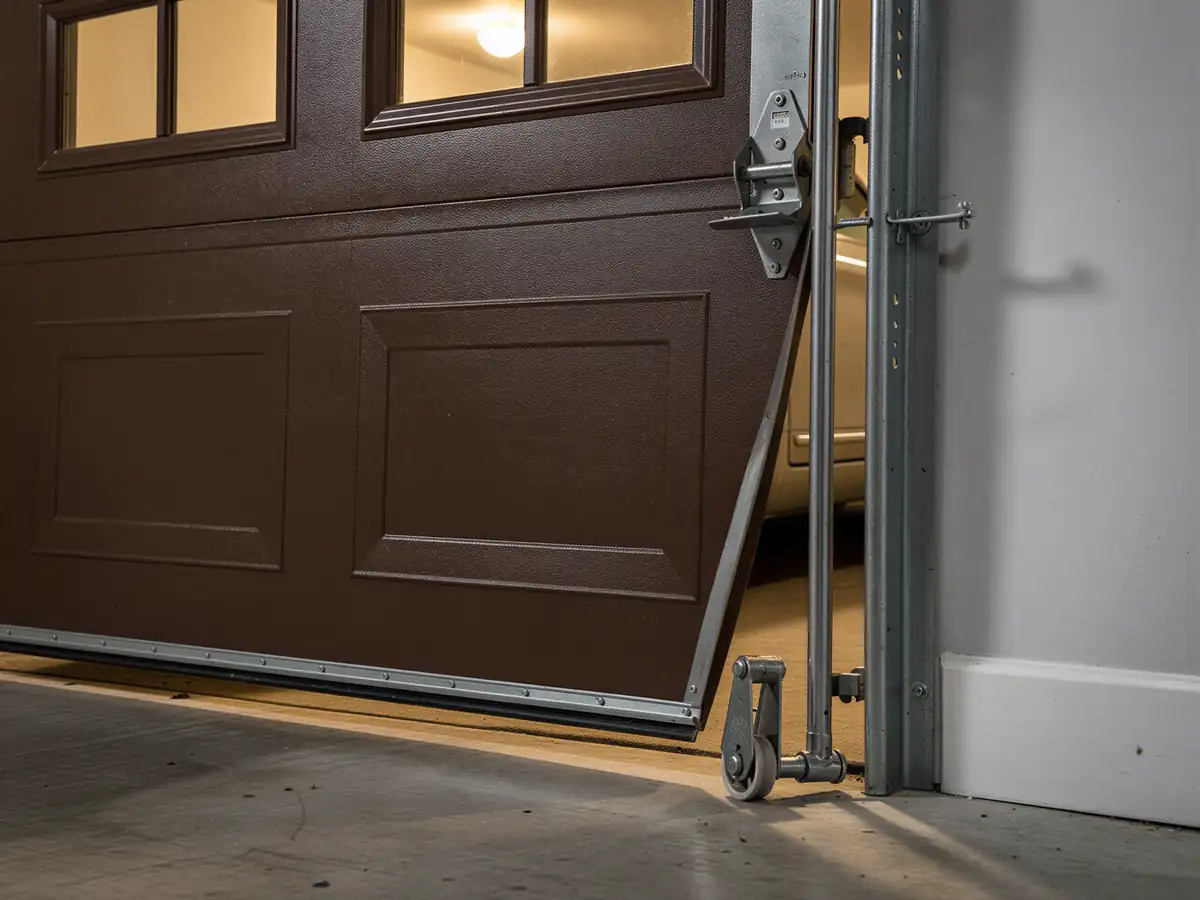
The main risk with a door from this build era is that the original opener, if it's still the one installed with the house, is now pushing 30 years old and its circuit board can fail without warning - the door just stops responding, mid-cycle sometimes. Pair that with a worn torsion spring and you get a door that drops instead of closing smoothly, which can bend a track or crack a panel on the way down. Steel panels from this era dent more easily at the bottom corners than the heavier wood doors built decades earlier, so a hard stop against the frame does real damage, not just cosmetic. The other failure we see: homeowners replace the spring but not the cable, and the cable - original to the house - goes a few months later, which means a second call that could've been one job.