The Cost of This Job
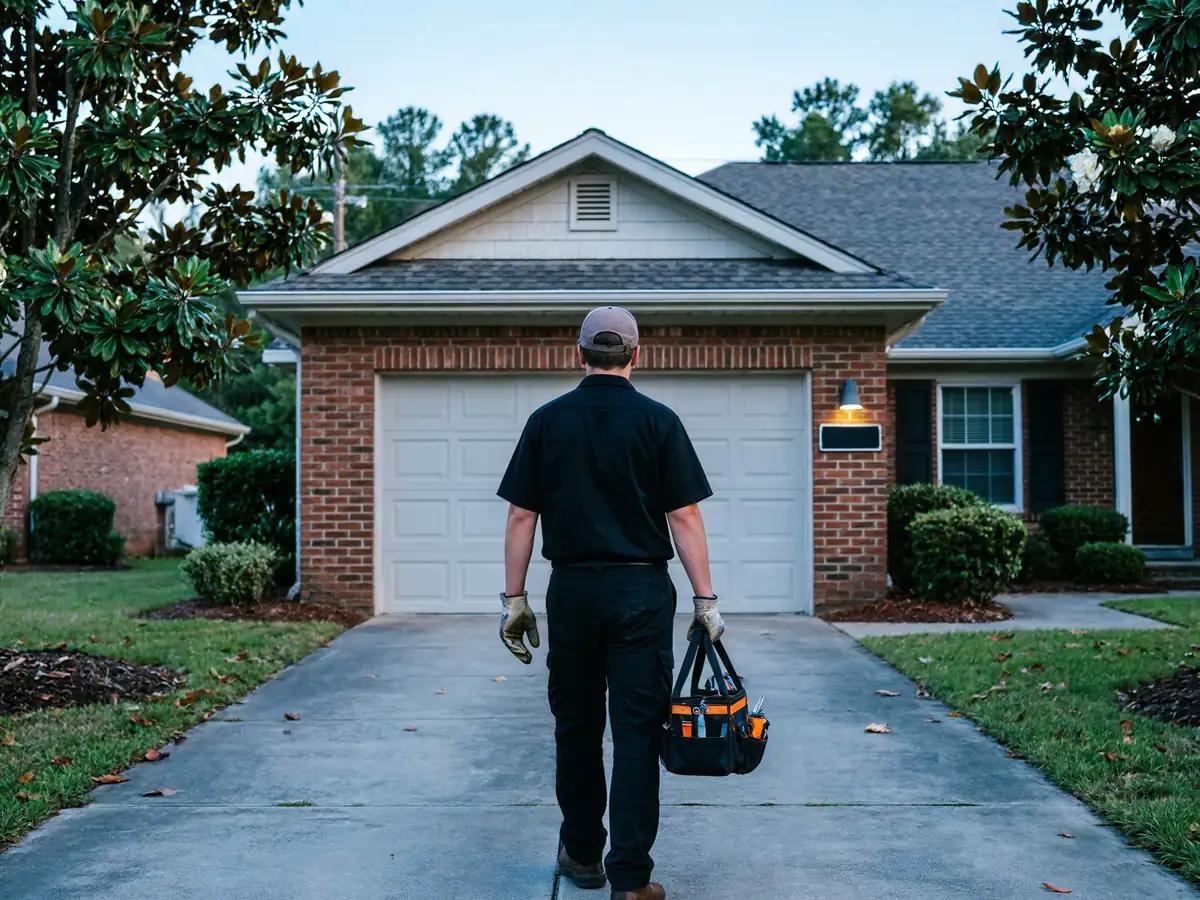
Mauldin sits eleven miles from Greer, which is close enough that a maintenance visit here runs on the same truck schedule as calls closer to home, but it's still a drive, not a walk down the block. That matters for how a maintenance call gets booked: we're not stationed in Mauldin, so a tune-up here gets slotted into a route rather than dispatched same-hour. If you're planning routine service rather than chasing an emergency, that's the right way to think about it anyway - maintenance is scheduled work, not a rush job.
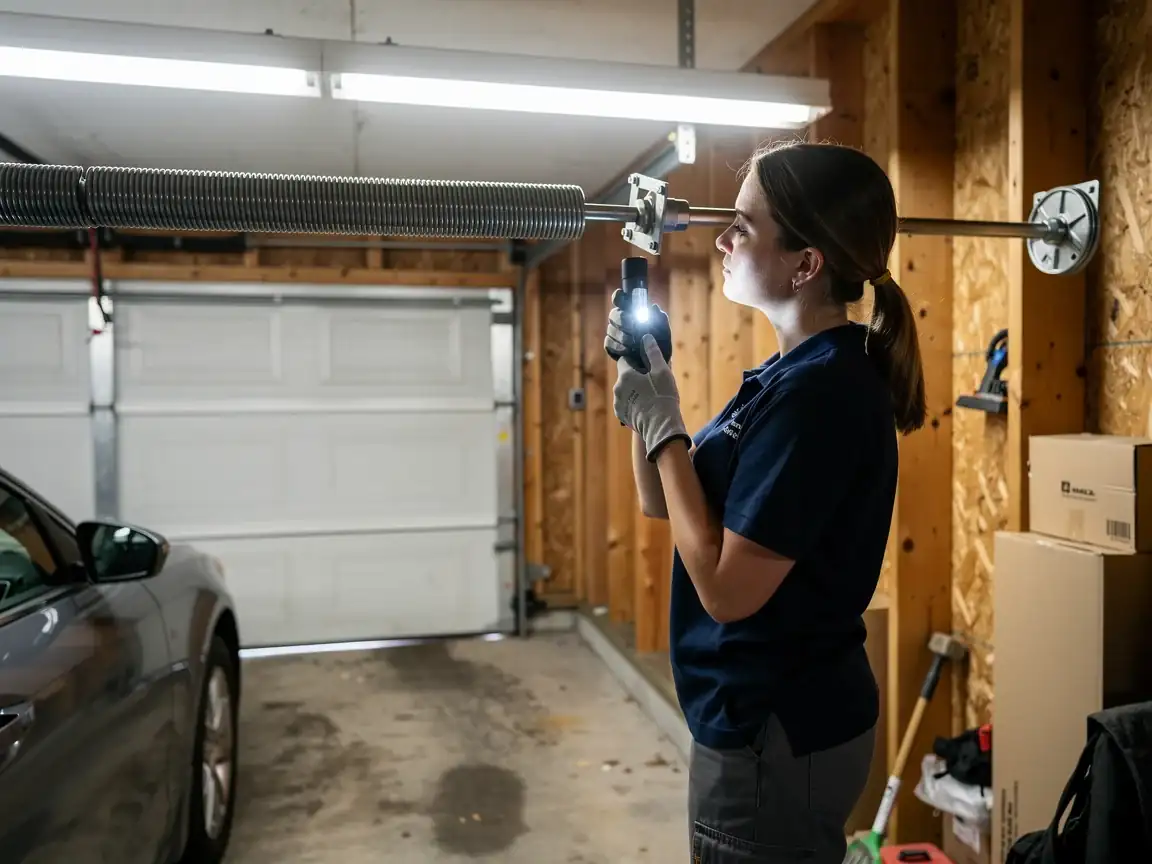
We don't have a posted price to quote you here, and we won't invent one. What we can tell you is that the job itself - lubrication, hardware inspection, spring tension check, track alignment, opener safety test - doesn't change because of the drive. The travel is a scheduling fact, not a line item that should surprise you.
The Symptom
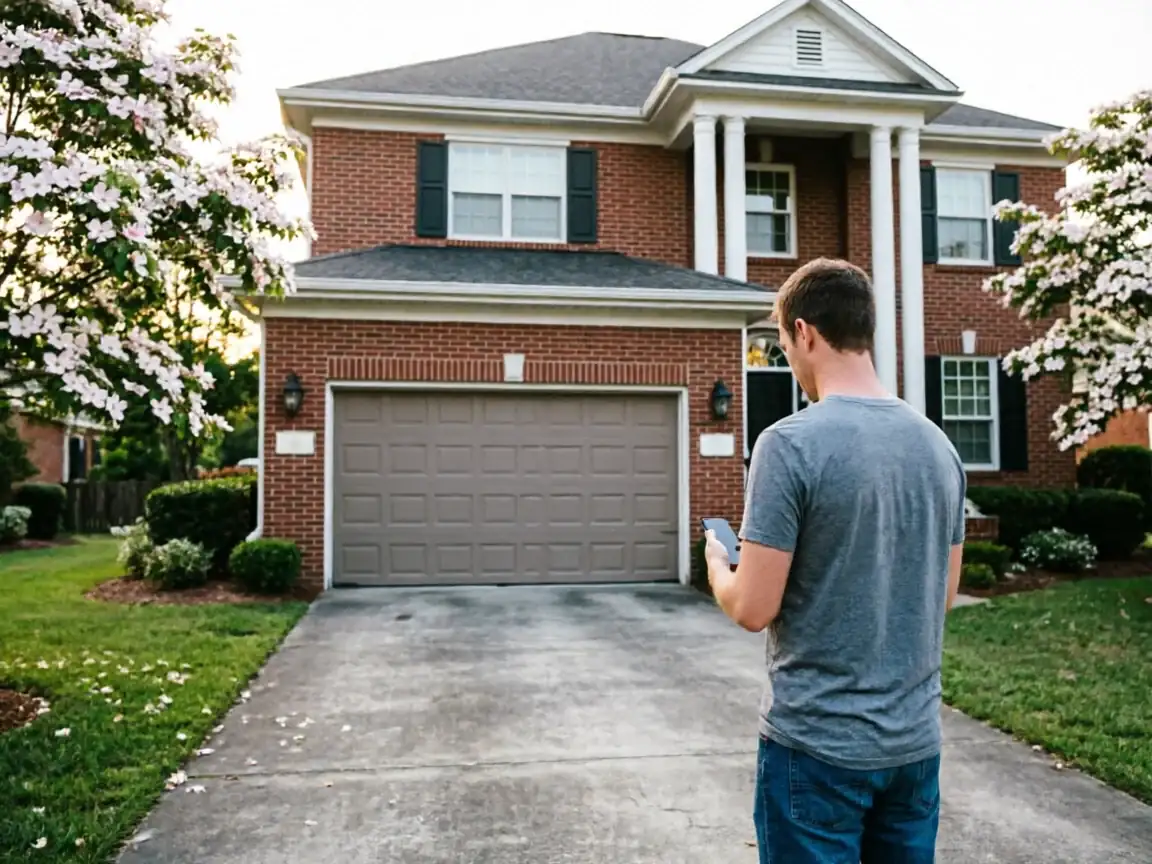
In Mauldin, where the median house was built around 1994
The symptom we hear most isn't the groan of an ancient torsion spring on a door nobody's touched in decades - it's a door that's maybe 20 to 30 years into its hardware life, starting to show its age in smaller ways. A rougher ride on the track. A click from the opener that wasn't there last year. Rollers that have gone from quiet to noisy.
- 30 years
That's a different symptom profile than the oldest pockets of the wider service area
Where houses date back to the late 1930s and the hardware itself is the problem. Here, the door and opener are usually sound; it's wear accumulating on nylon rollers, drying lubricant, and springs that have cycled tens of thousands of times without ever being looked at. Caught early, that's a maintenance visit. Left alone, it becomes a repair call.
The DIY Question
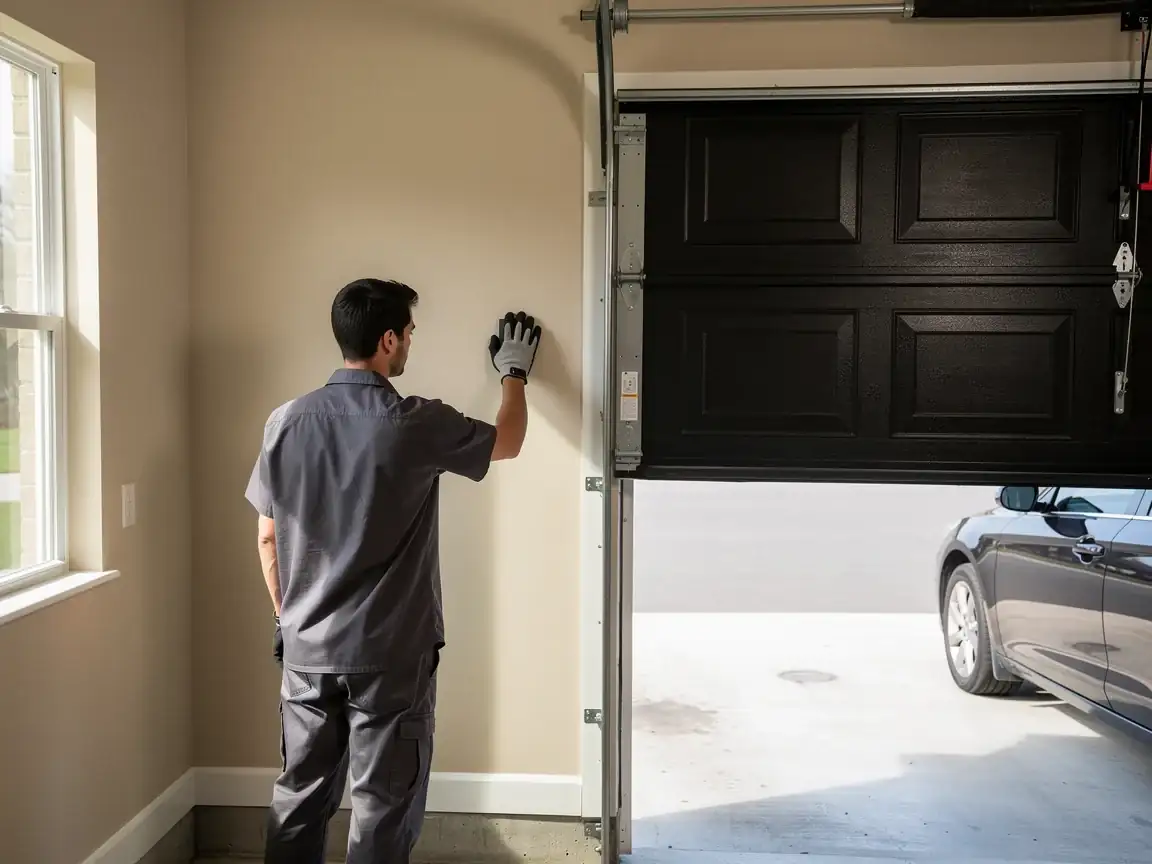
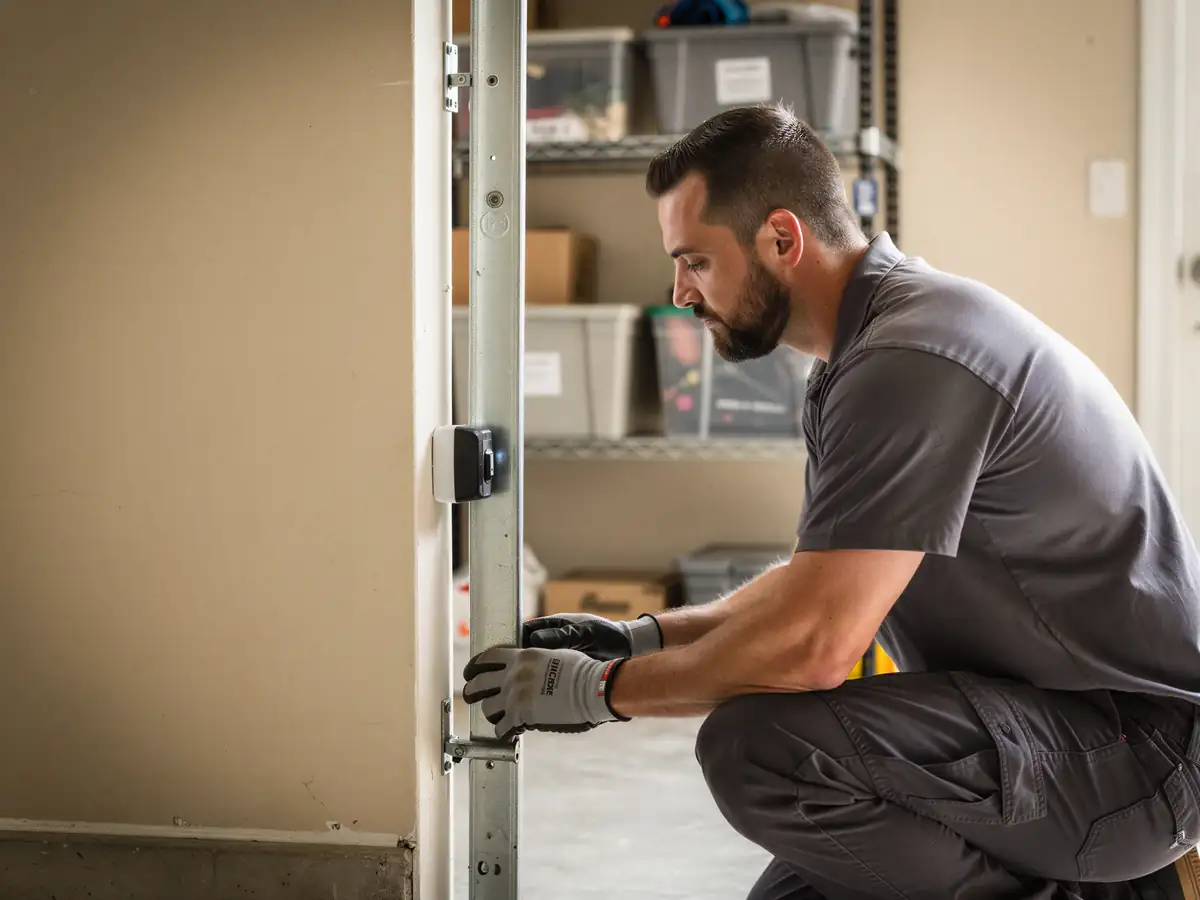
Plenty of this is reasonable to do yourself: wiping down tracks, checking that the door reverses when it hits an obstruction, listening for new noises, tightening visible hardware with a wrench. None of that requires a truck.
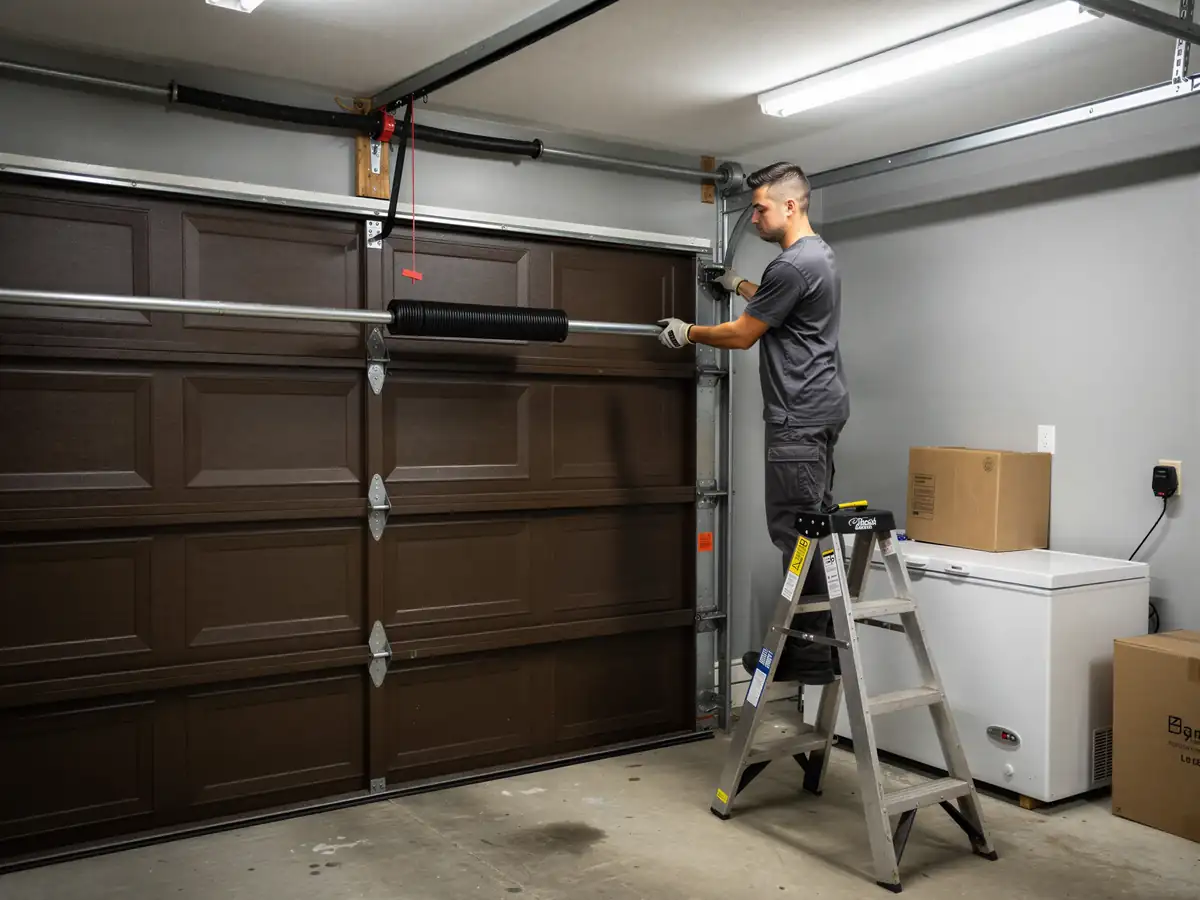
What you shouldn't touch is the torsion spring itself - loosening or adjusting it without the right bars and a clear idea of what you're doing is how people get hurt, and it's not worth the risk to save a service call. If your door is from the 1990s building wave common in Mauldin, the springs have likely never been serviced, which means they're at or past the point where a professional eye matters more than a DIY pass. We'll say plainly: a yearly lubrication and inspection catches almost everything before it's a safety issue. Skipping it for five years doesn't save you money, it just moves the cost to a repair bill.
What Can Go Wrong
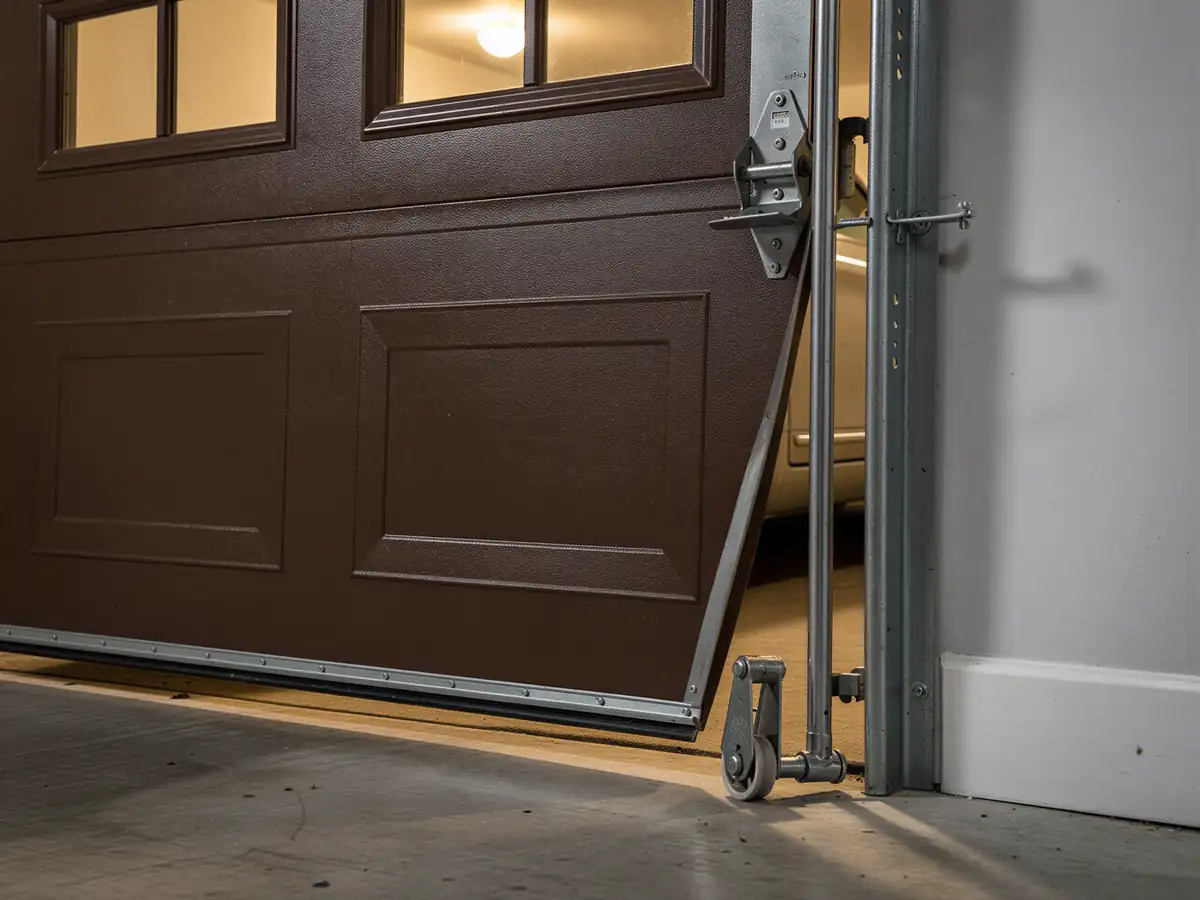
A neglected door in Mauldin doesn't usually fail dramatically - it fails gradually, and the gradual failures are the ones people ignore until a cable snaps or a spring lets go under load. Dry rollers wear unevenly and start binding in the track, which puts extra strain on the opener motor long before the opener itself is the problem. Springs that have never been lubricated corrode slightly at the coils, which changes how they flex and shortens their working life well short of what they're rated for.
The honest limitation here: maintenance won't rescue a door that's already past its service life. If a spring is corroded through or a panel is bent, a tune-up is the wrong call - replacement is the right one, and we'll tell you that instead of charging you for lubricant on a door that needs a new spring set.
What Causes It Around Here
Upstate South Carolina sits in a cold-moderate climate band
Which means Mauldin garages see real freeze-thaw swings through winter and humid heat through summer - both of which work against unlubricated metal hardware. Moisture gets into spring coils and roller shafts during humid stretches, then contracts and expands as temperatures swing, which speeds up corrosion you can't always see until the part fails.
Mauldin's housing stock, mostly built in the 1990s
Means steel doors on torsion or extension spring systems that were standard for that era - not the older hardware found in the 1930s-to-1960s pockets elsewhere in the service area. That's a more serviceable setup, but it still needs the same basic care: lubrication on a schedule, not just when something starts squeaking.