The Cost of This Job
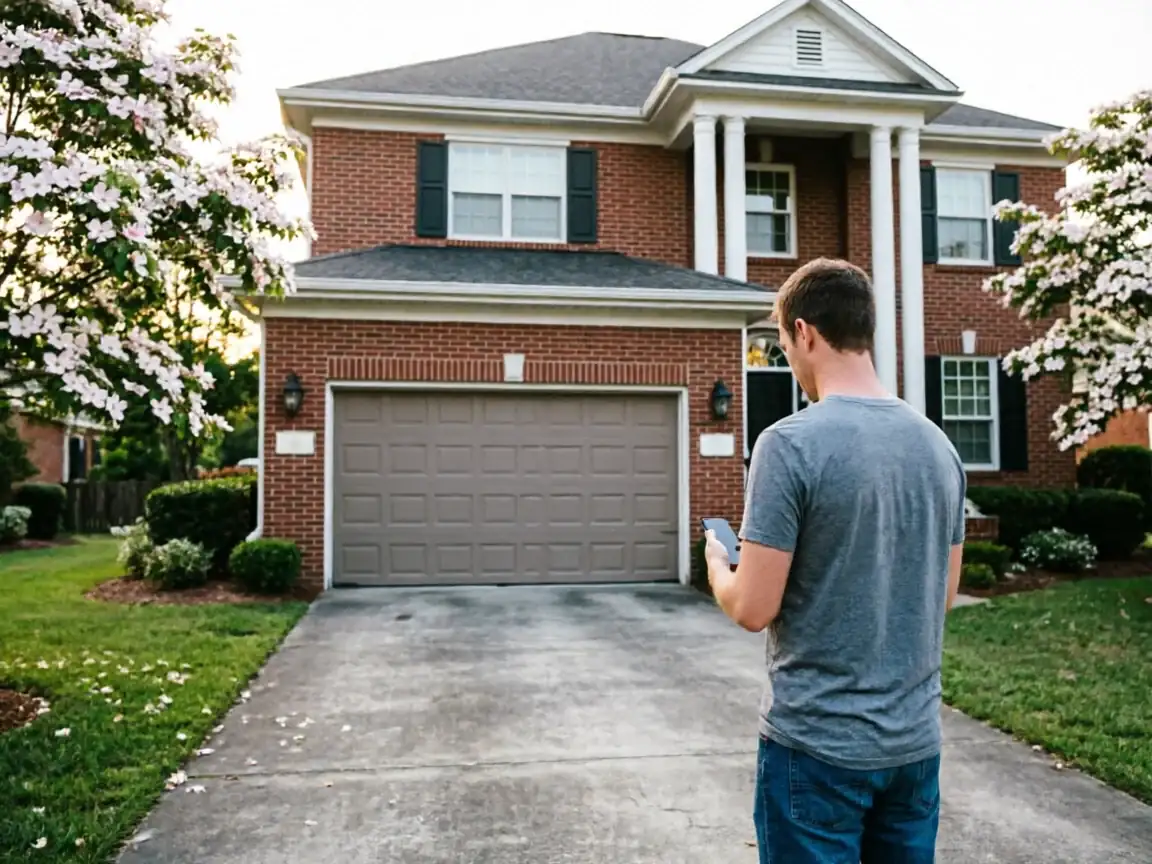
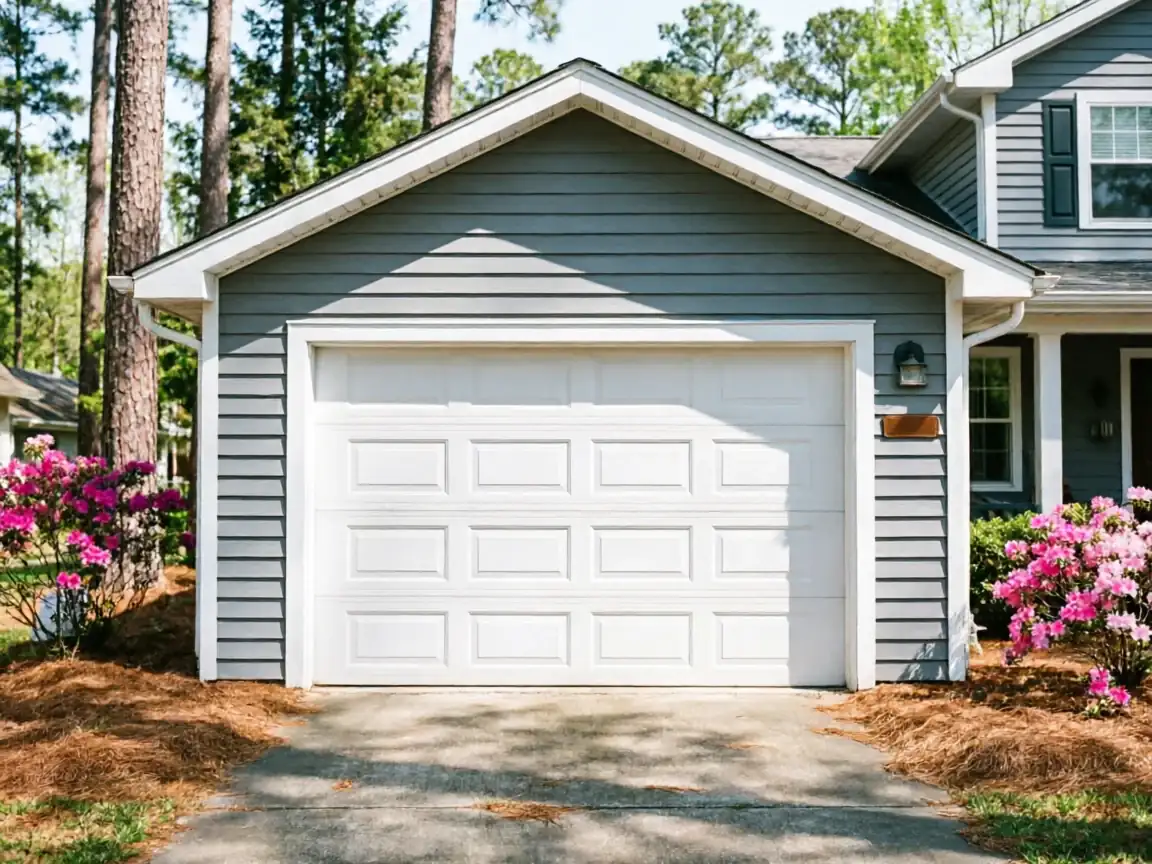
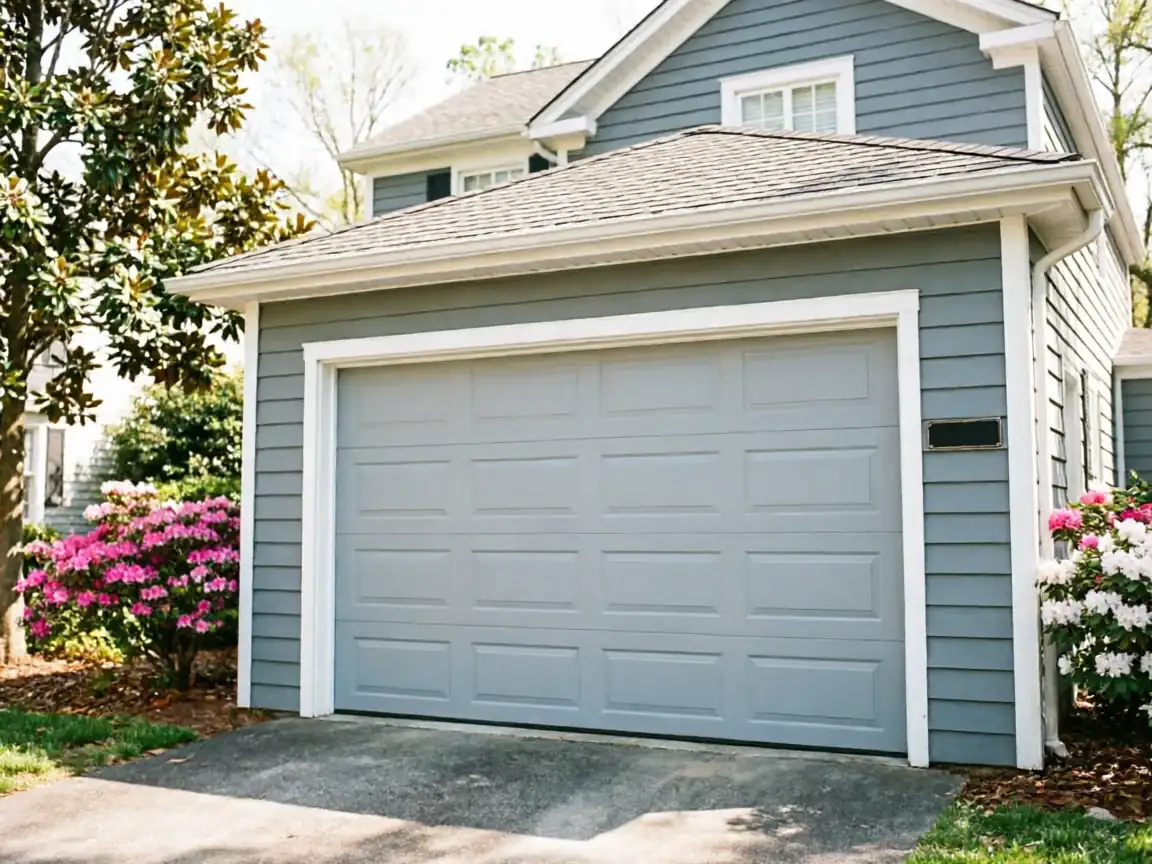
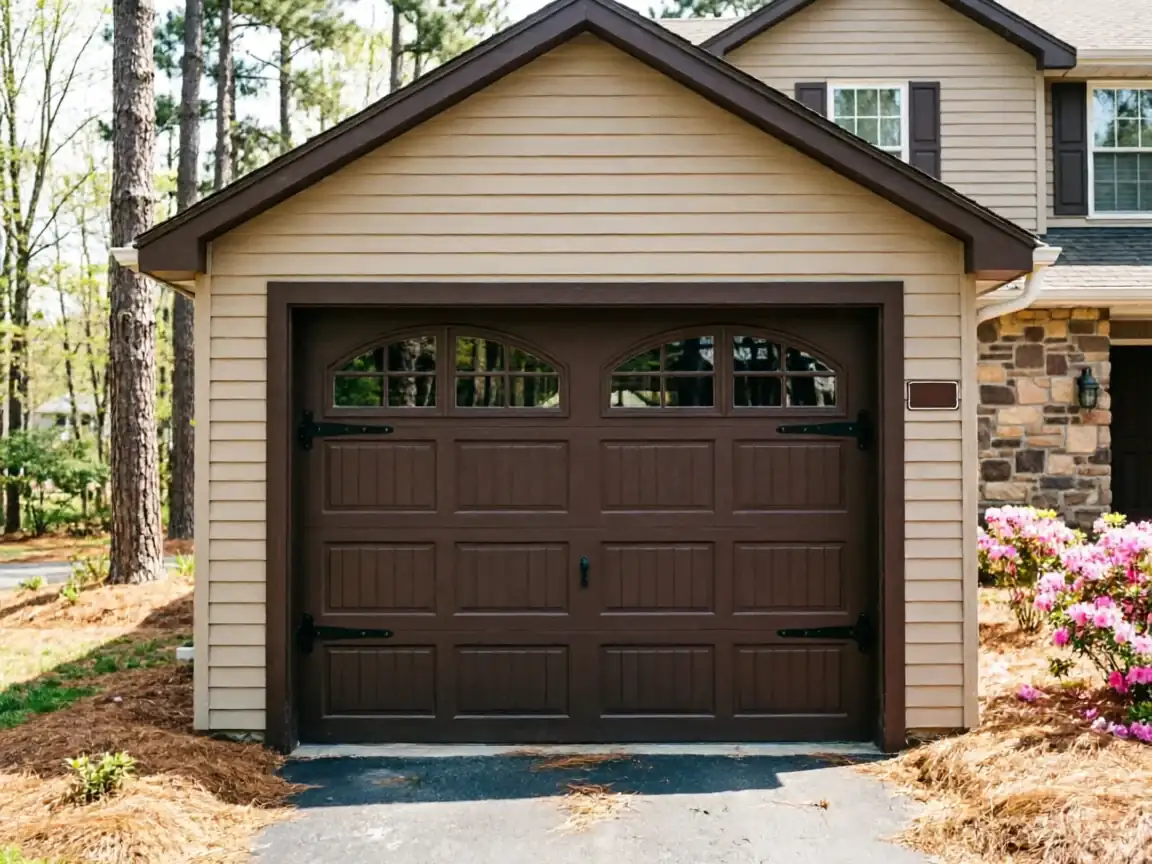
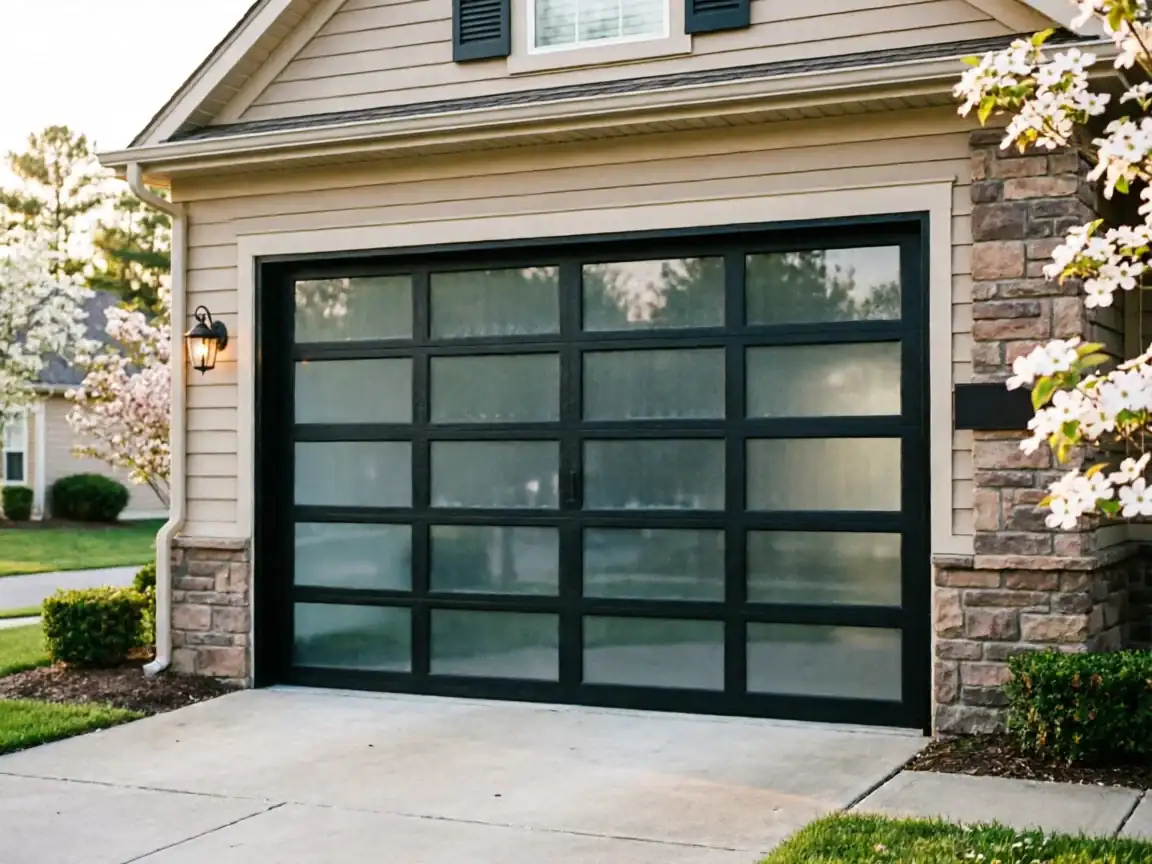
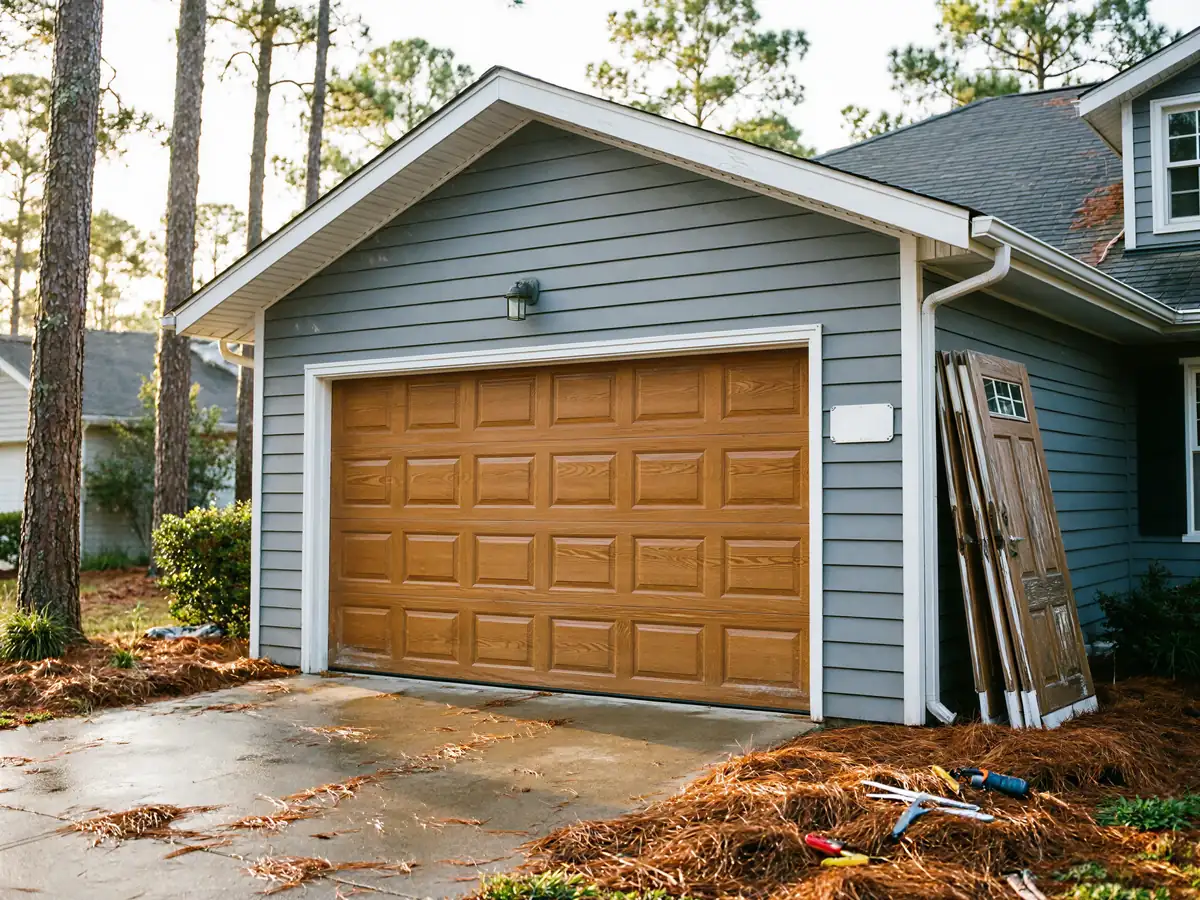
Mauldin's housing stock centers on a median build year of 1994, which puts most garages here at the standard builder-grade opening of that era: 16x7 double doors or 9x7 singles, steel sectional panels, torsion springs sized for a lighter door than what gets installed today. That matters for cost, because a straight swap onto existing track and header is a different job than widening an opening or adding insulation the original builder skipped. With median household income in Mauldin at $81,027 - well above the wider service area's $55,671 - we see more owners asking for insulated steel or composite overlay doors instead of the bare 1994 single-layer panel, and that upgrade changes the number on the invoice. We quote the job after we see the opening, the header clearance, and what's left of the original hardware, not off a phone call.
We don't install off a price list we read to you cold. A door that's structurally fine but ugly is a different estimate than a door that's rusted through at the bottom panel, and we'd rather tell you that in person than guess and be wrong.
The DIY Question
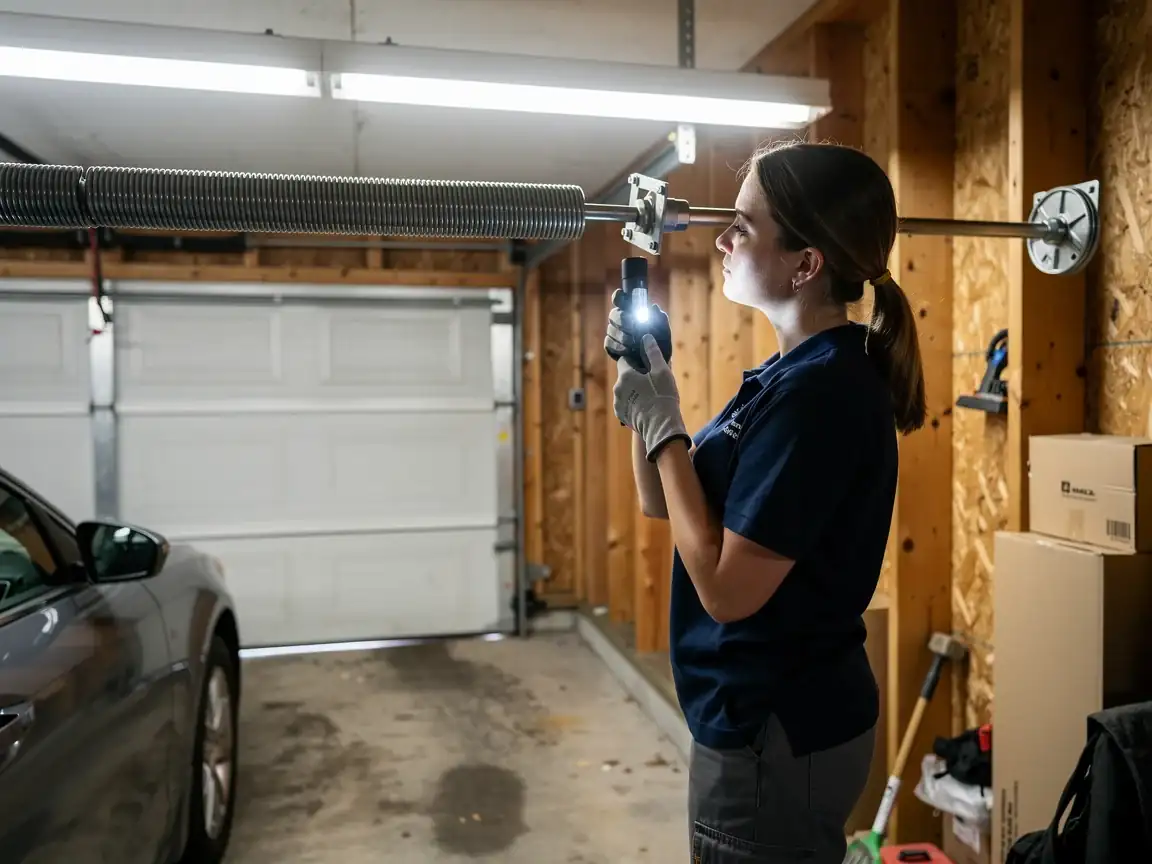
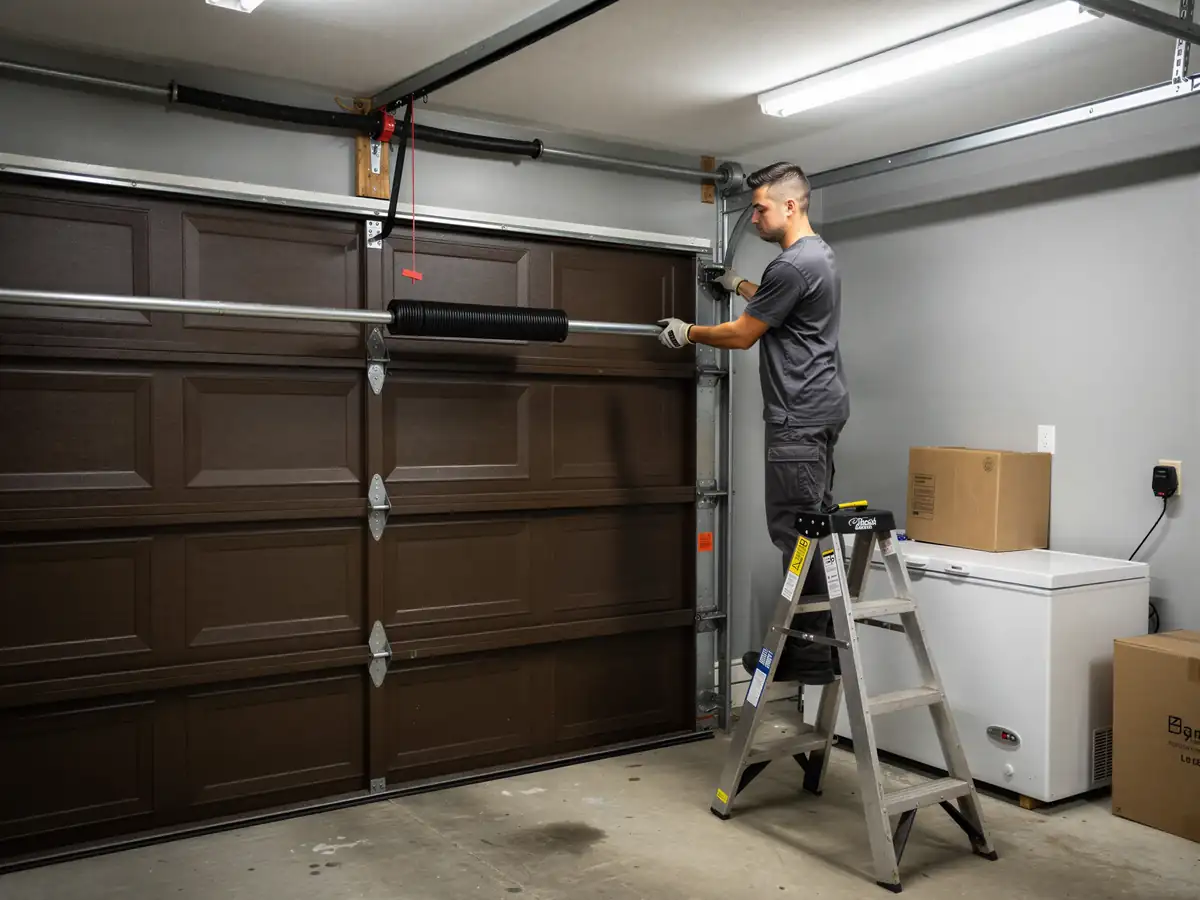
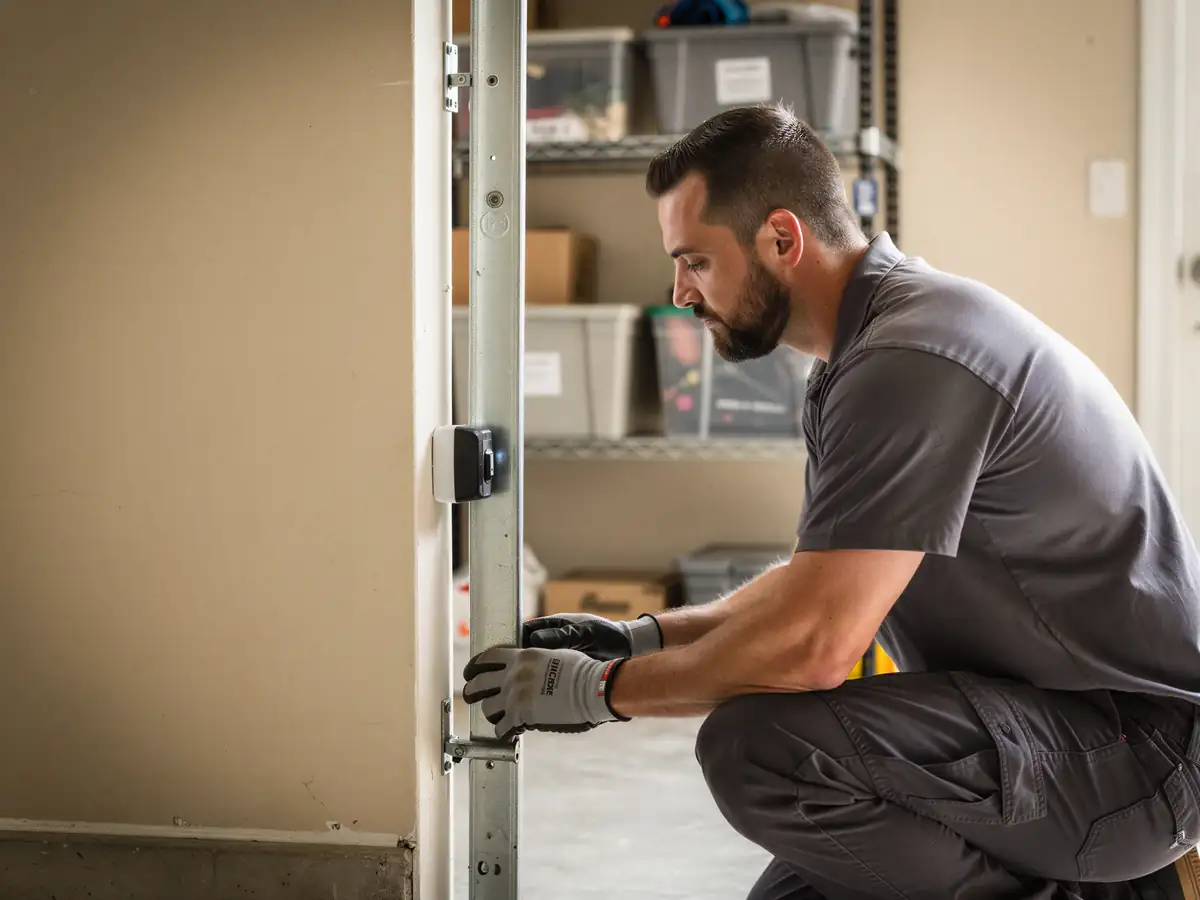
Swapping a door panel yourself on a house this age is possible if you've got the original track dimensions and a torsion spring rated for the door's actual weight - but most 1994-era installs in this area used single-layer, non-insulated steel, and the replacement doors sold today are heavier composite or double-layer insulated steel. Put a heavier door on old hardware sized for the lighter original and the spring is undersized from day one. That's not a weekend fix you walk back from cheaply; it's a cable or spring failure waiting on a timer. We'll talk you through what's safe to do yourself - weatherstrip, rollers, lubrication - and where the line is where it stops being worth the risk.
What Can Go Wrong
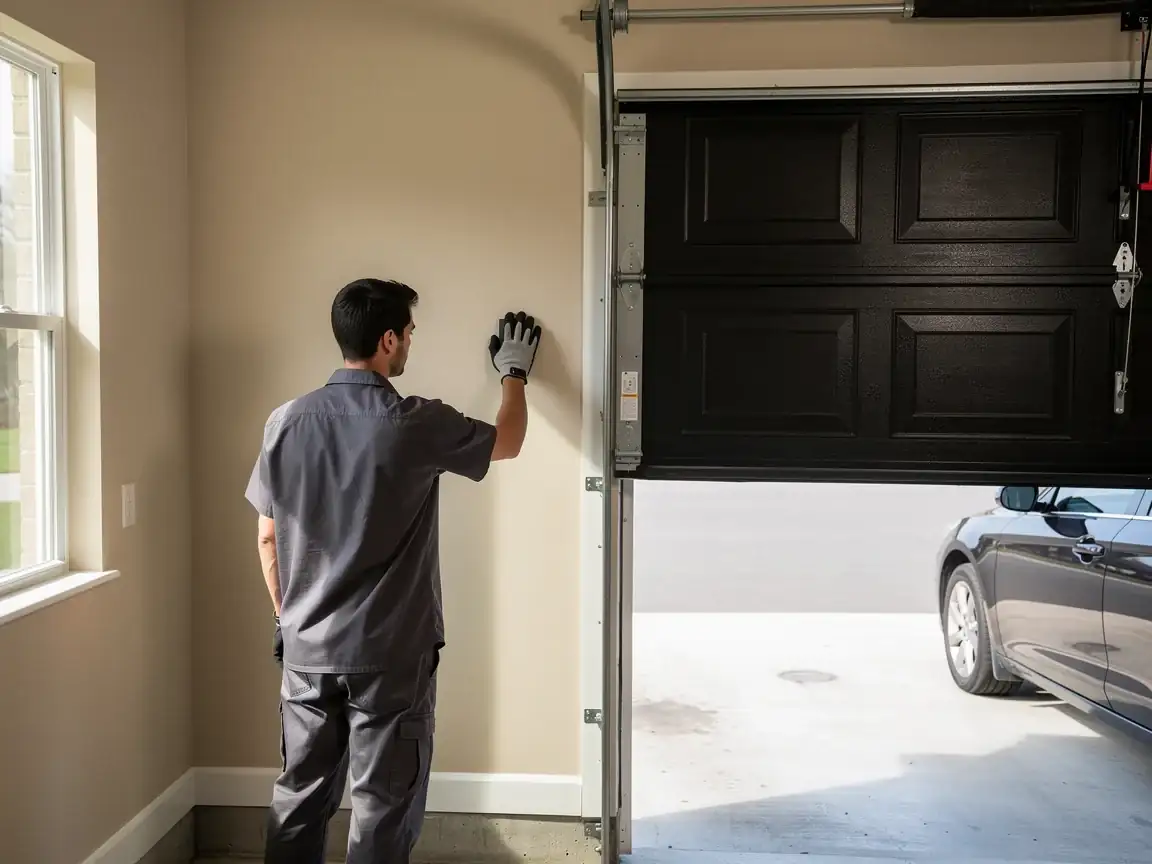
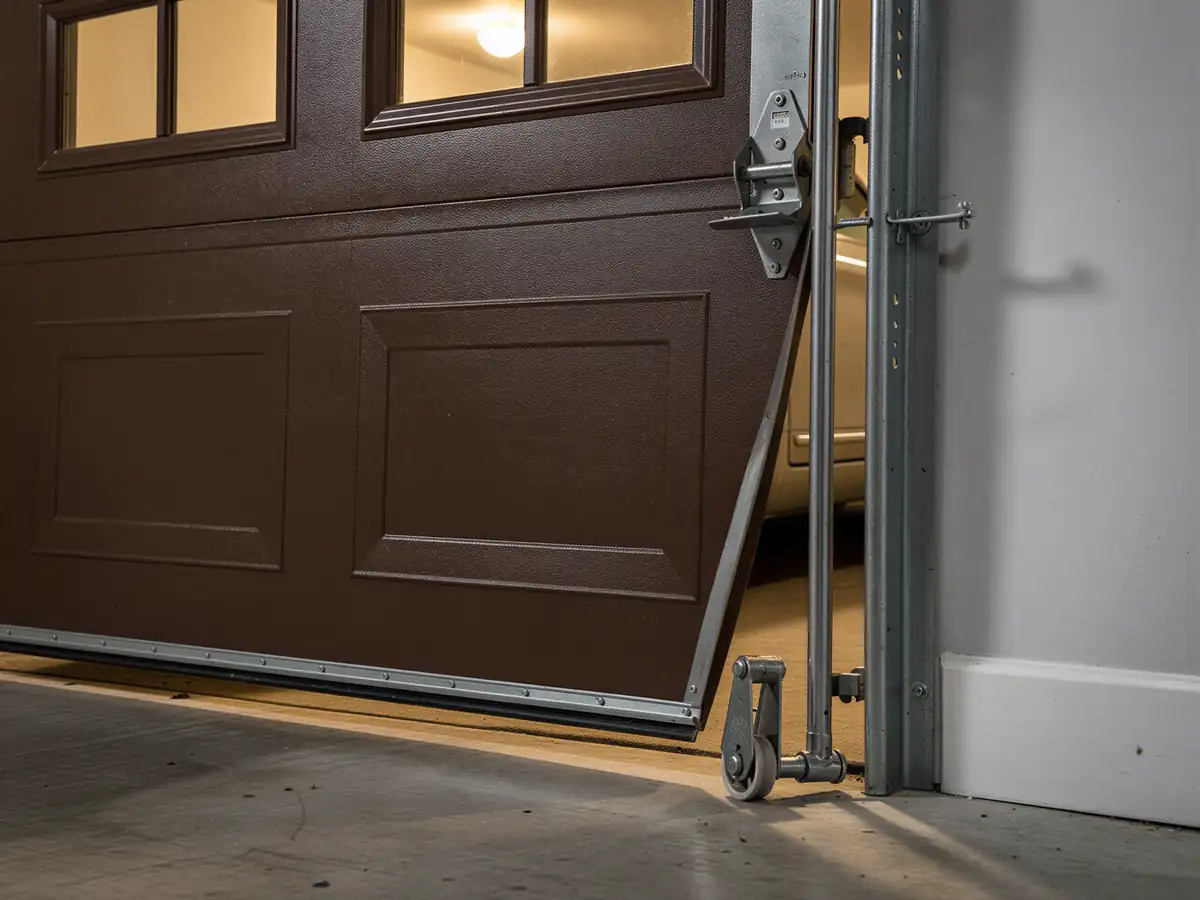
The specific failure we see tied to Mauldin's build era is a spring sized for the original lightweight steel door suddenly carrying a heavier insulated replacement, because the owner upgraded the door but kept the old torsion spring to save money. The door lifts hard, the opener strains, and eventually either the spring snaps under the mismatched load or the opener's gearing burns out trying to compensate. The other recurring issue is track alignment on houses where the garage slab has settled over three decades - not dramatic, but enough that a new door installed on an old, slightly out-of-square frame won't seal evenly at the bottom, which undercuts any insulation value you paid for.