What Can Go Wrong
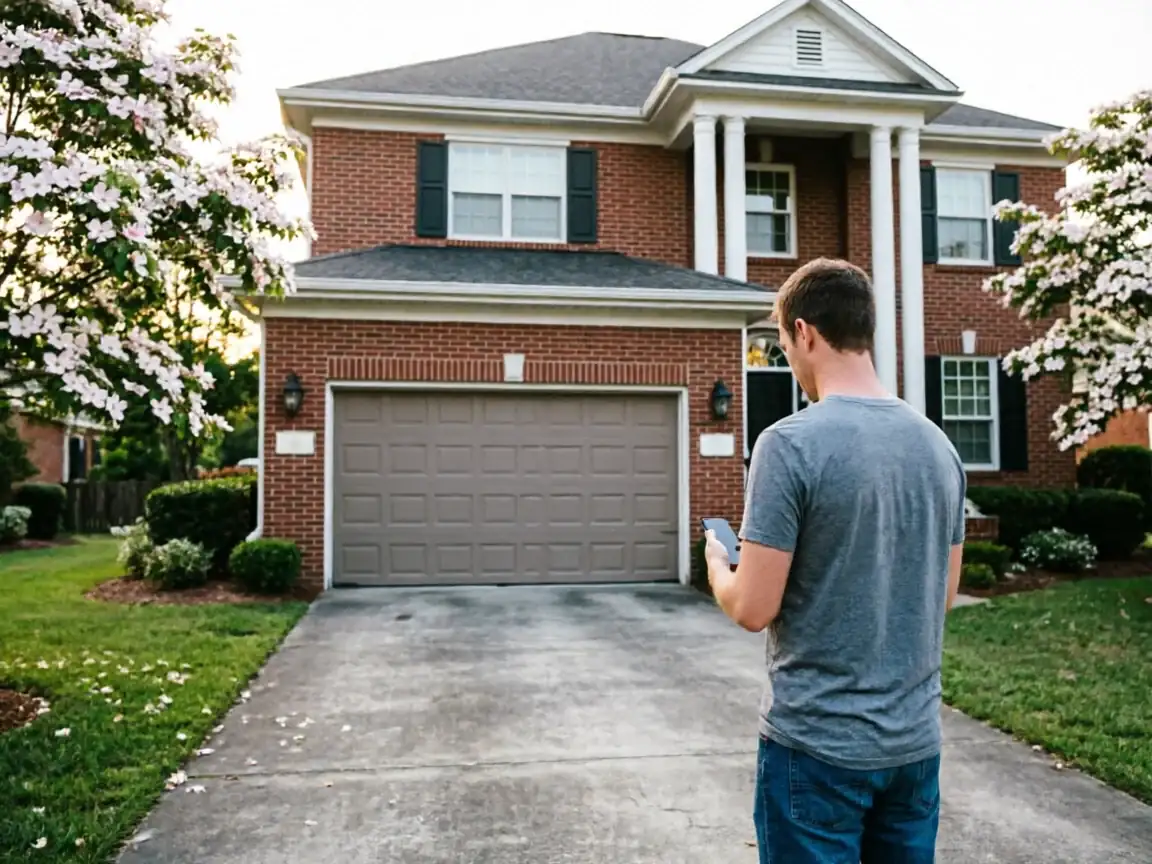
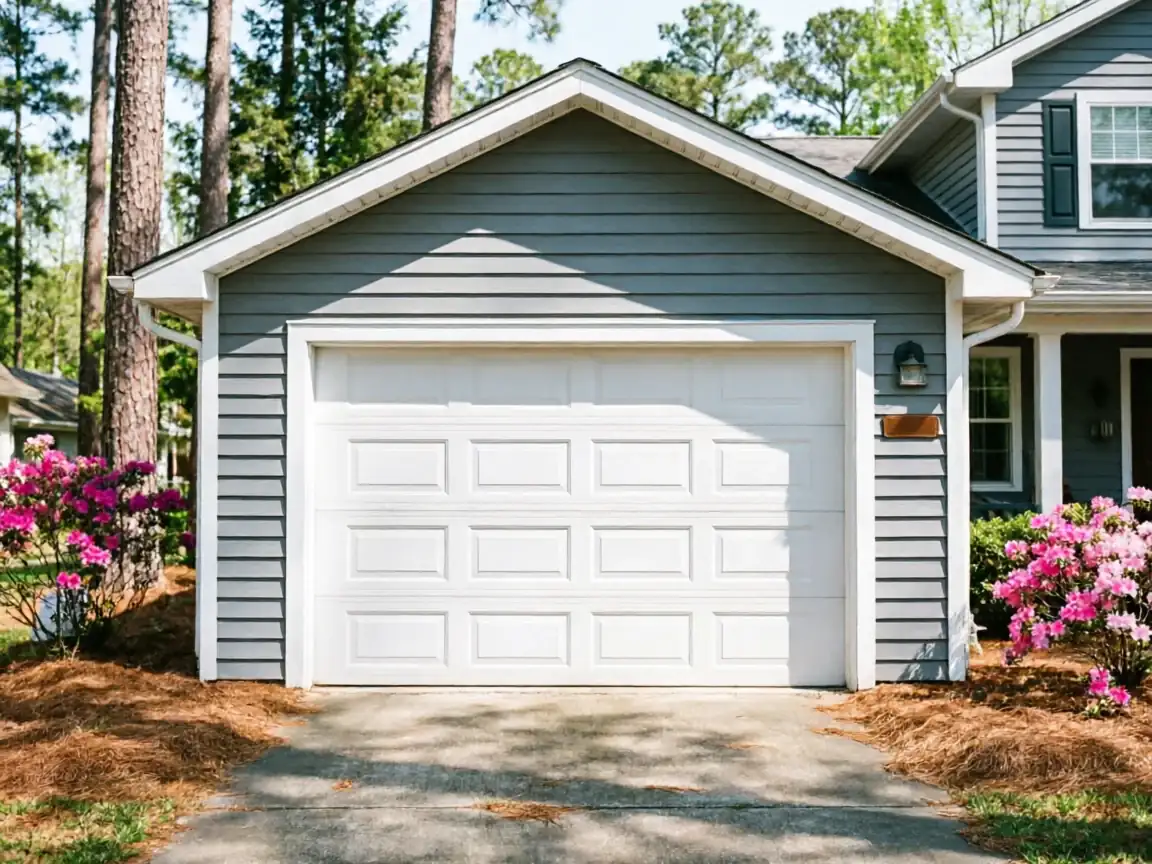
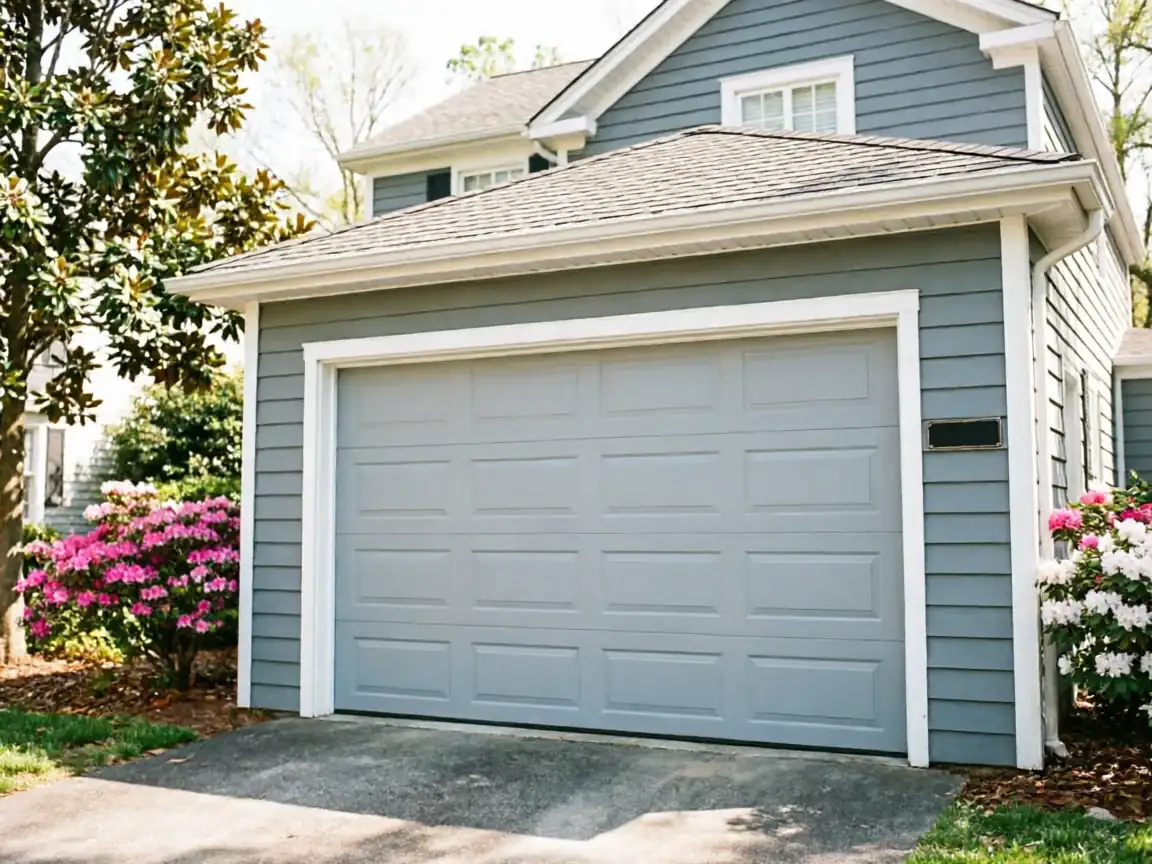
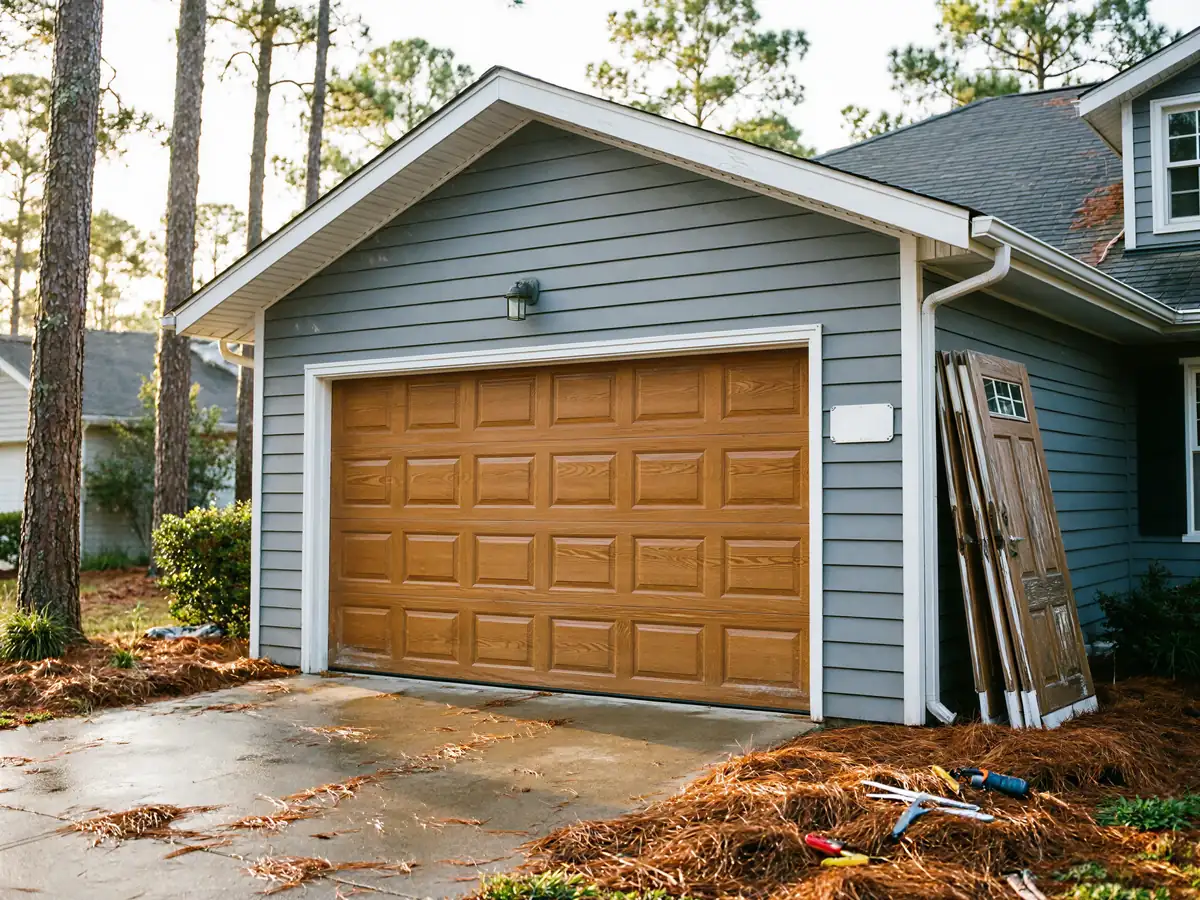
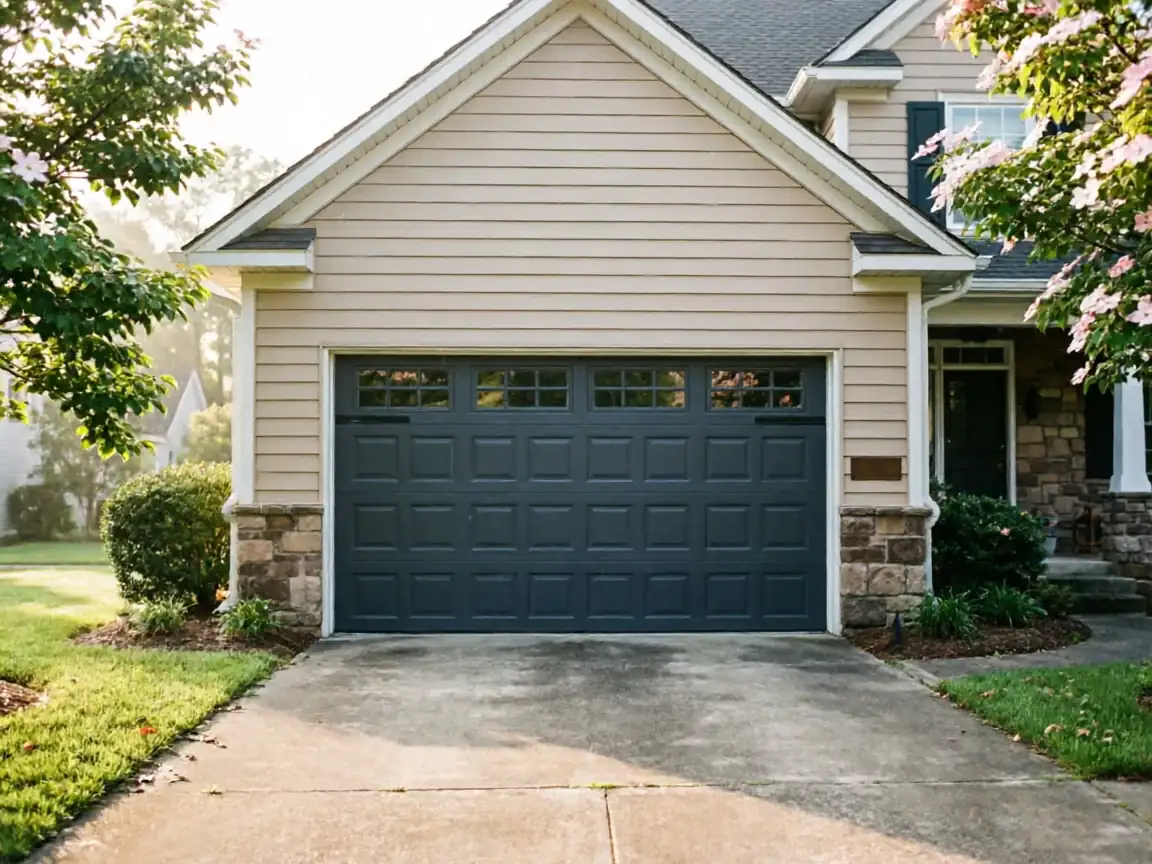
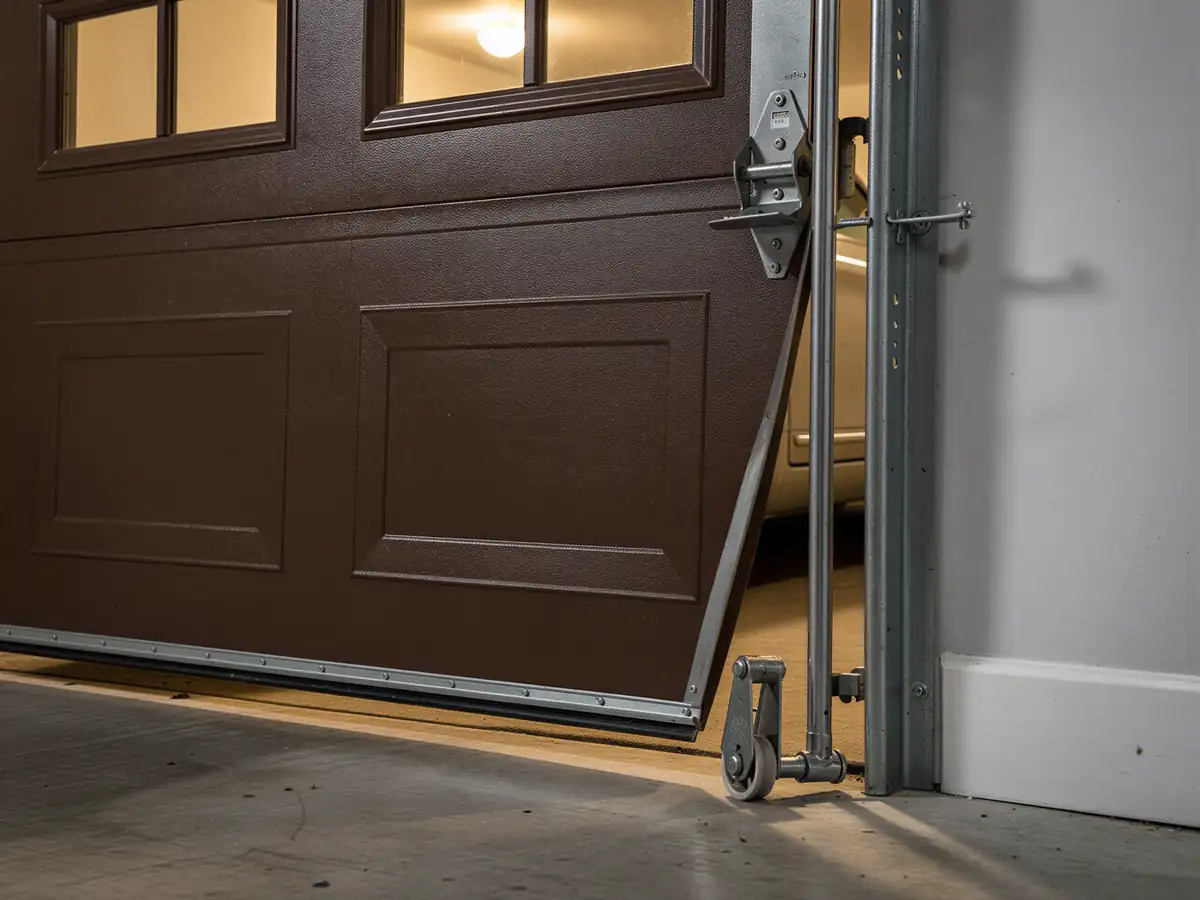
Most garages in Duncan went up around 2001, give or take a few years either side, which puts them a good two decades newer than the older pockets elsewhere in the territory. That matters here because builders in that era were already putting in wider two-car openings and factory sectional steel doors, not the narrower one-piece slabs you still find on 1960s stock. The doors are heavier panel-for-panel than people expect, and the opener that shipped with the house was often sized to the builder's minimum, not to what the door actually needs.
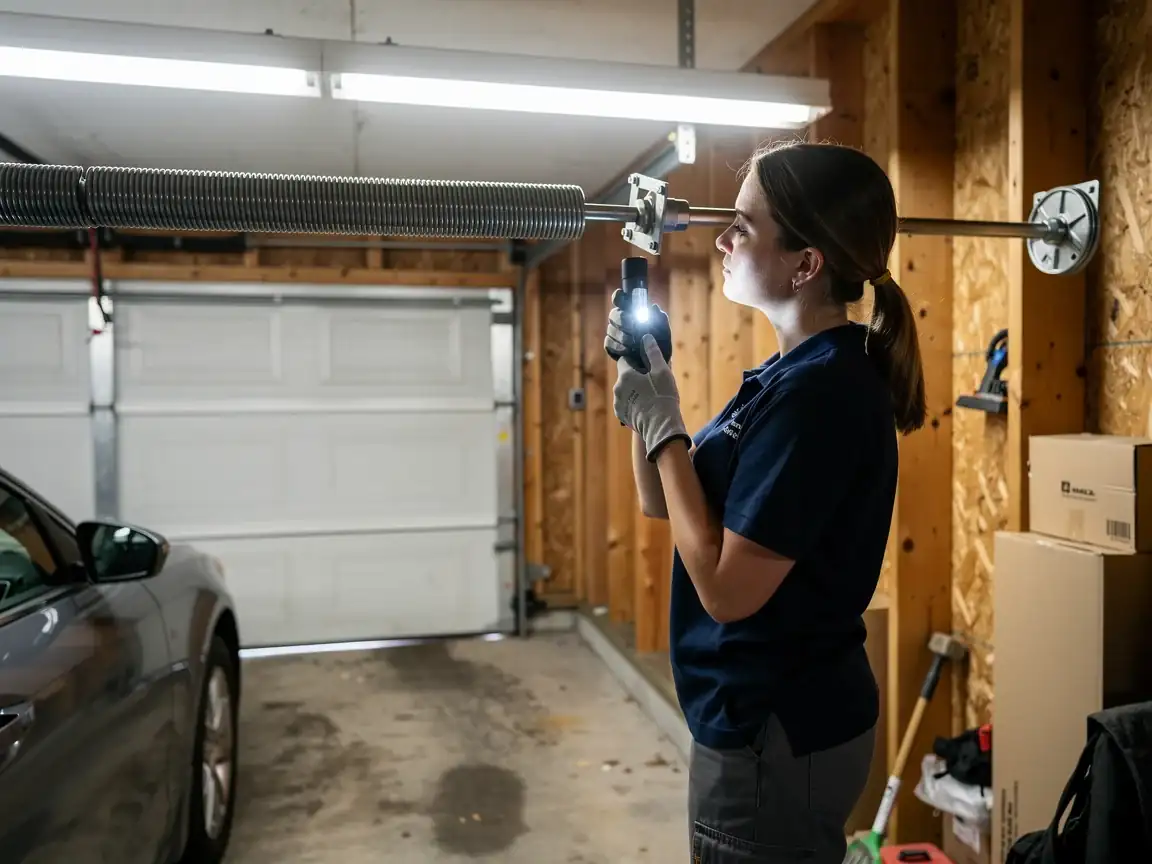
What fails first is usually the opener itself, not the door. Chain-drive units from that build window are old enough now that the gear and sprocket kit inside has worn down, and the logic board behind the keypad starts dropping the remote's signal before anything mechanical quits outright. A door that looks and moves fine can still have an opener drawing more amps than it should, which shows up as a motor that runs hot or a unit that reverses on a door with no obstruction in its path. Because these are taller, wider doors than an older cottage door, an undersized replacement opener will strain the same way the original did.
The DIY Question
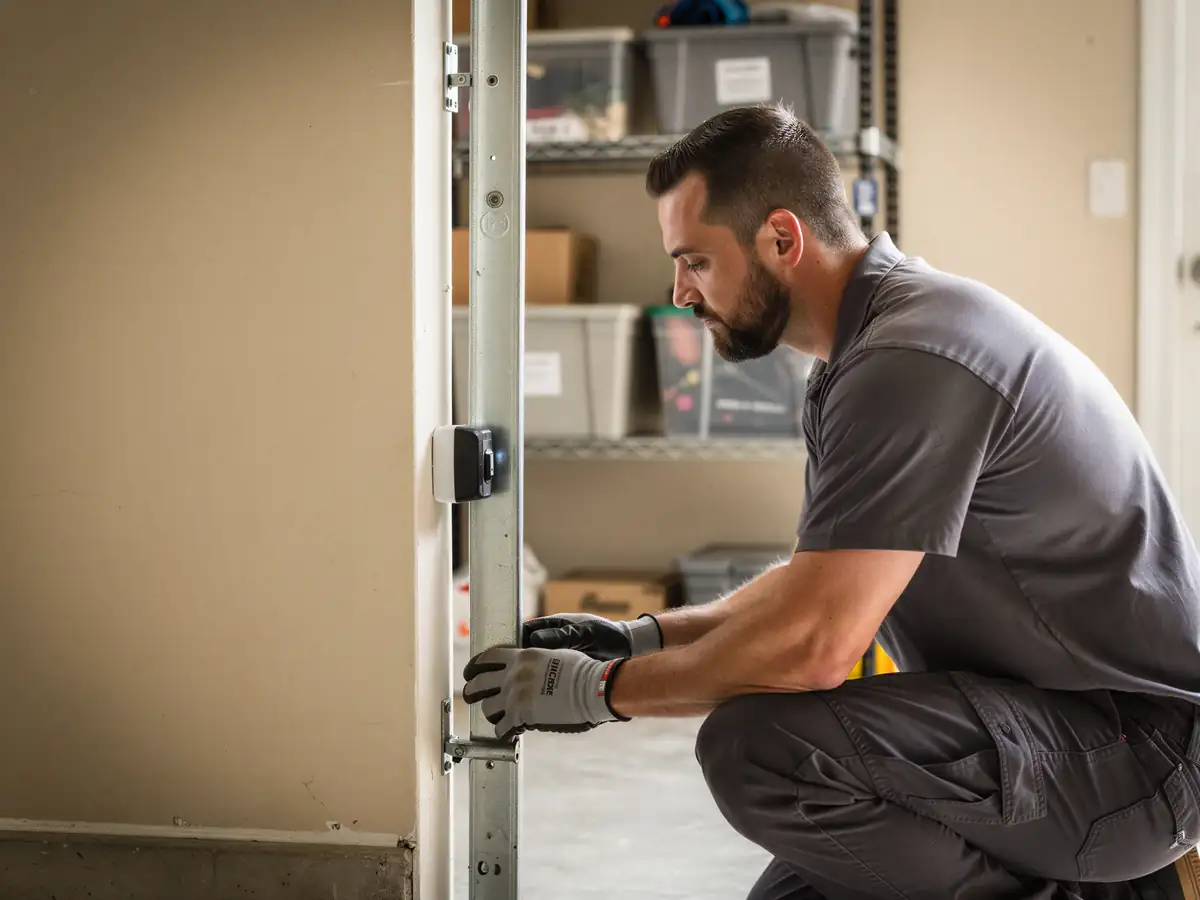
Swapping a wall console or a remote is fine to do yourself
And most Duncan homeowners already have. Where it stops being a weekend job is the opener head itself. A sectional door built to the wider 2001-era opening is heavier than the nameplate horsepower on a box-store opener might suggest, and sizing it wrong means a unit that strains on every cycle and burns out early.
The other part people skip is the travel limits and force settings
On a newer, heavier door, an opener set with factory defaults instead of the actual door weight will either slam down with too much force or stall partway up. That's not a looks-fine-runs-fine problem, it's a safety one, since the auto-reverse sensor only works if the force settings are close to correct in the first place.
We'll be straight about the limitation here
If your opener's logic board still works and the only issue is a tired chain, that's a cheaper fix than a full swap, and we'll say so on site rather than sell you a new unit you don't need.
The Cost of This Job
We don't post a flat number here because the opener you need depends on door weight and whether you want battery backup for the climate here, which runs cold-moderate with winter outages that can leave a chain-drive opener dead right when you need the door most. What we can say is that Duncan's median household income, at $51,596, sits a bit below the service area's broader $55,671, and that's reflected in which openers we end up quoting most often here: mid-range belt-drive units rather than the top-tier smart models.
The honest trade-off is this: a belt-drive opener costs more up front than a chain-drive but runs quieter and needs less adjustment over the years, which matters more on a heavier 2001-era sectional door than it would on a lighter older one. Battery backup adds to the quote but means the door still opens in a power cut. We'll walk through the options on site against the actual door, not a guess from a phone call.
Booking a Visit
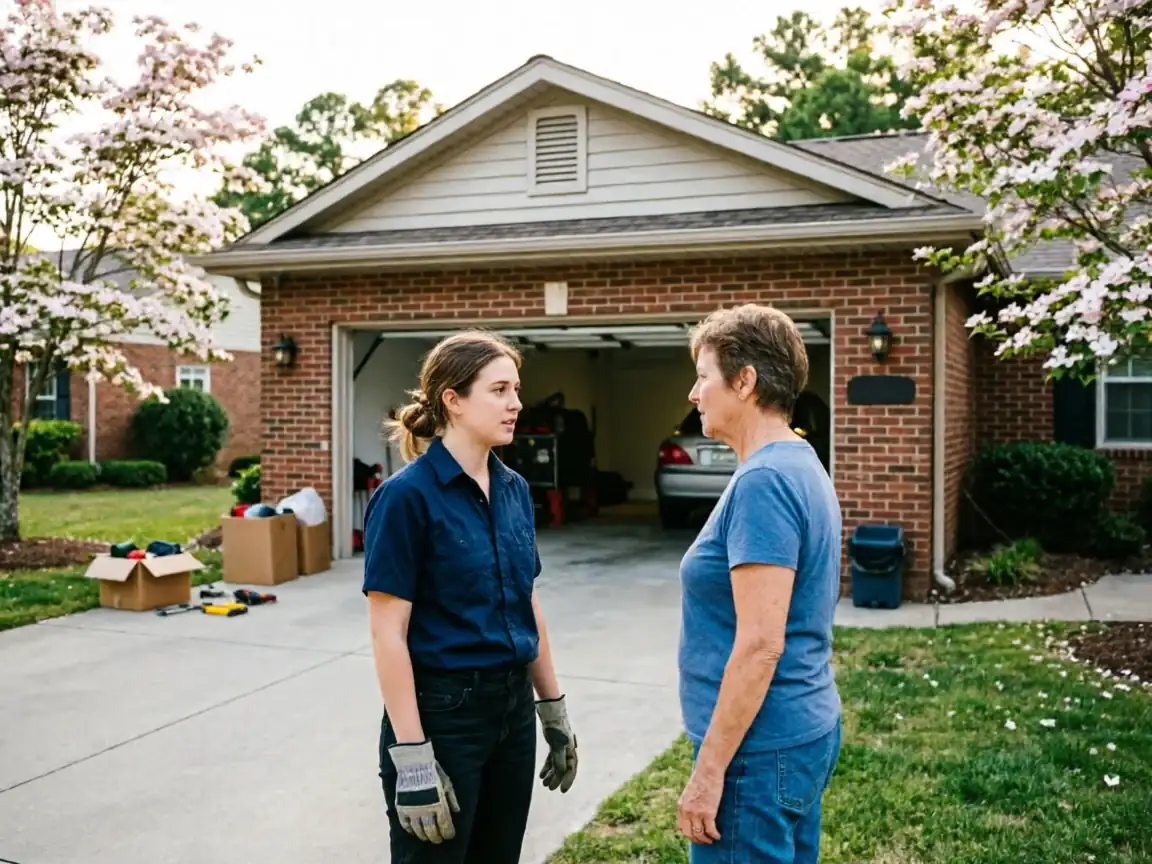
Duncan sits about 5 miles from our base in Greer, close enough that an opener install here fits into the same day's route without it being a special trip. We don't run a branch or a drop point in Duncan itself, so every job starts with a truck coming out from Greer, loaded for whatever the opener swap needs once we've seen the door.
If you're not sure whether your opener needs replacing or just adjusting, tell us the age of the house and what the opener is doing wrong, and we can usually get a read on it before we're even on site. You can see where Duncan sits in our coverage on the service area page, and if you're also weighing other door work alongside the opener, our main opener installation page for Greer covers the broader service in more detail.
What the Fix Involves
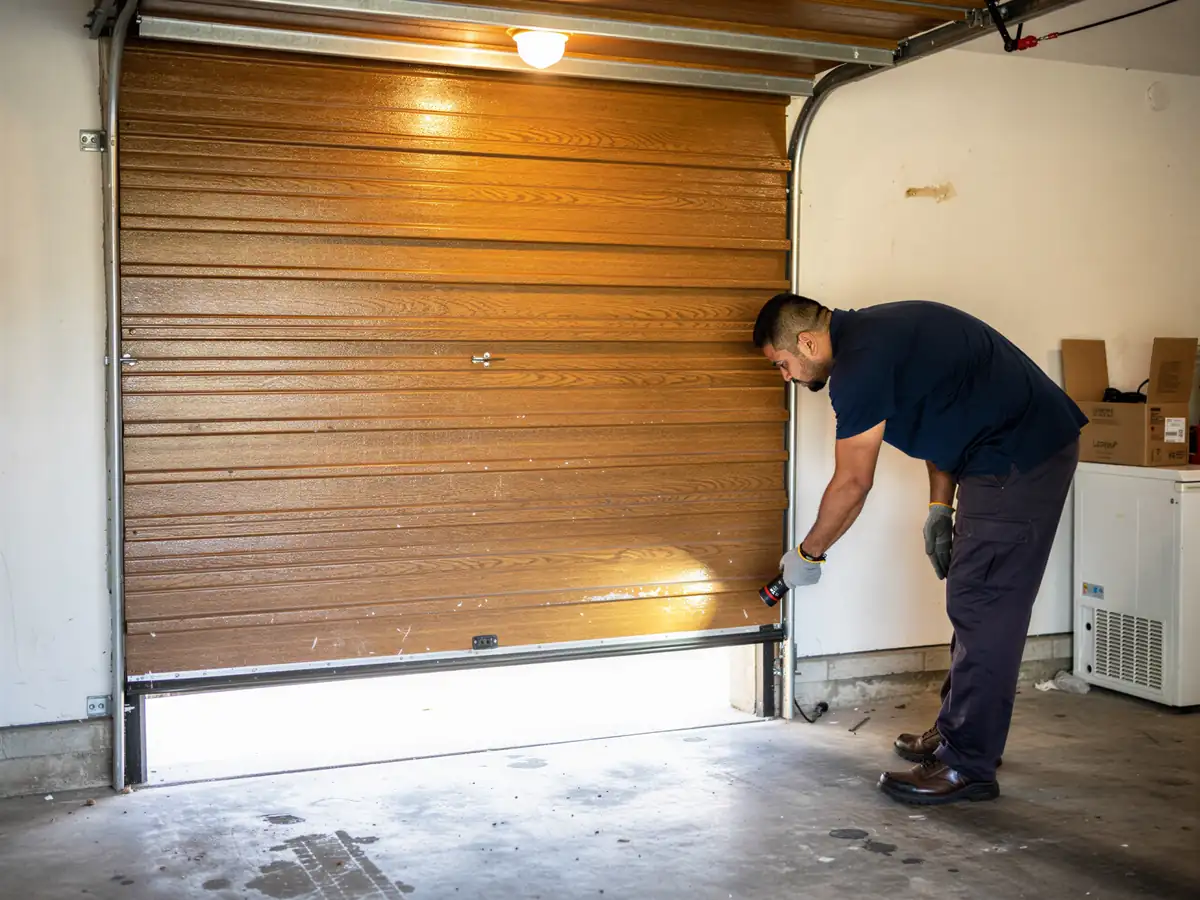
On a typical Duncan install, we start by checking the door itself before touching the opener
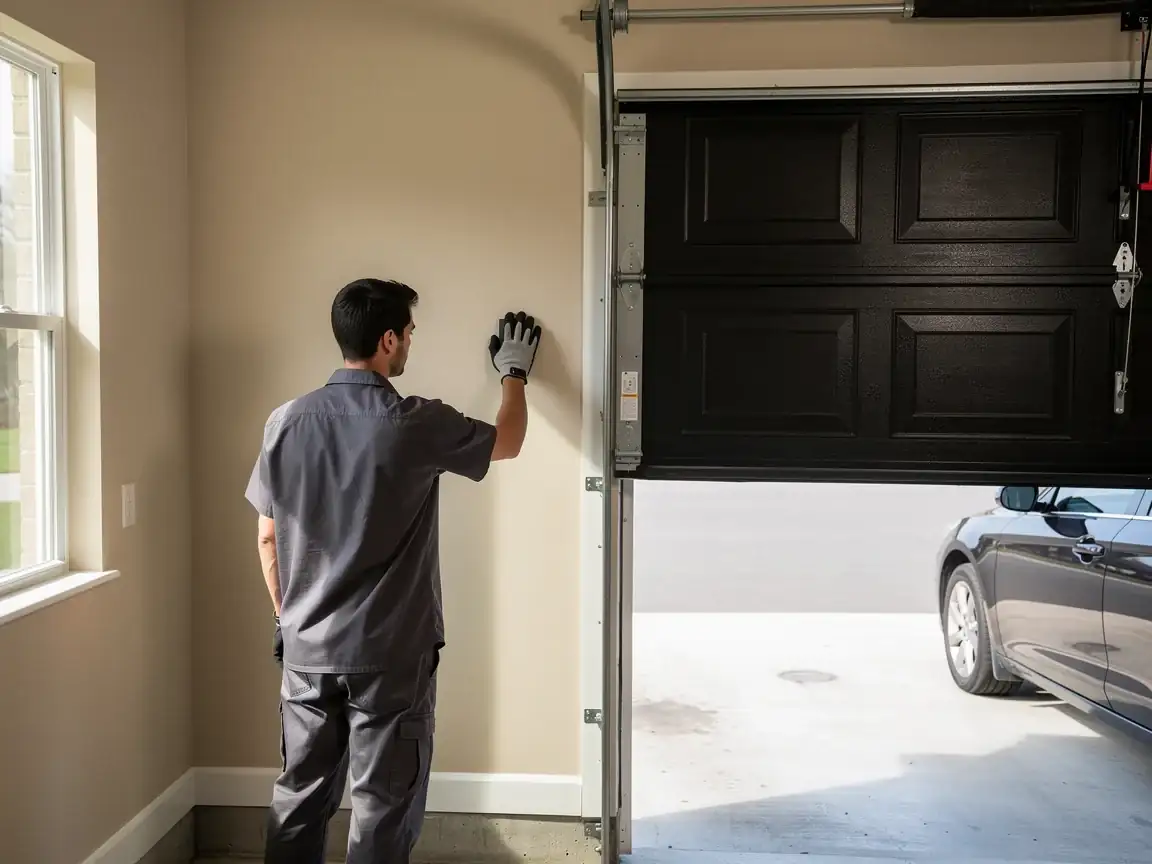
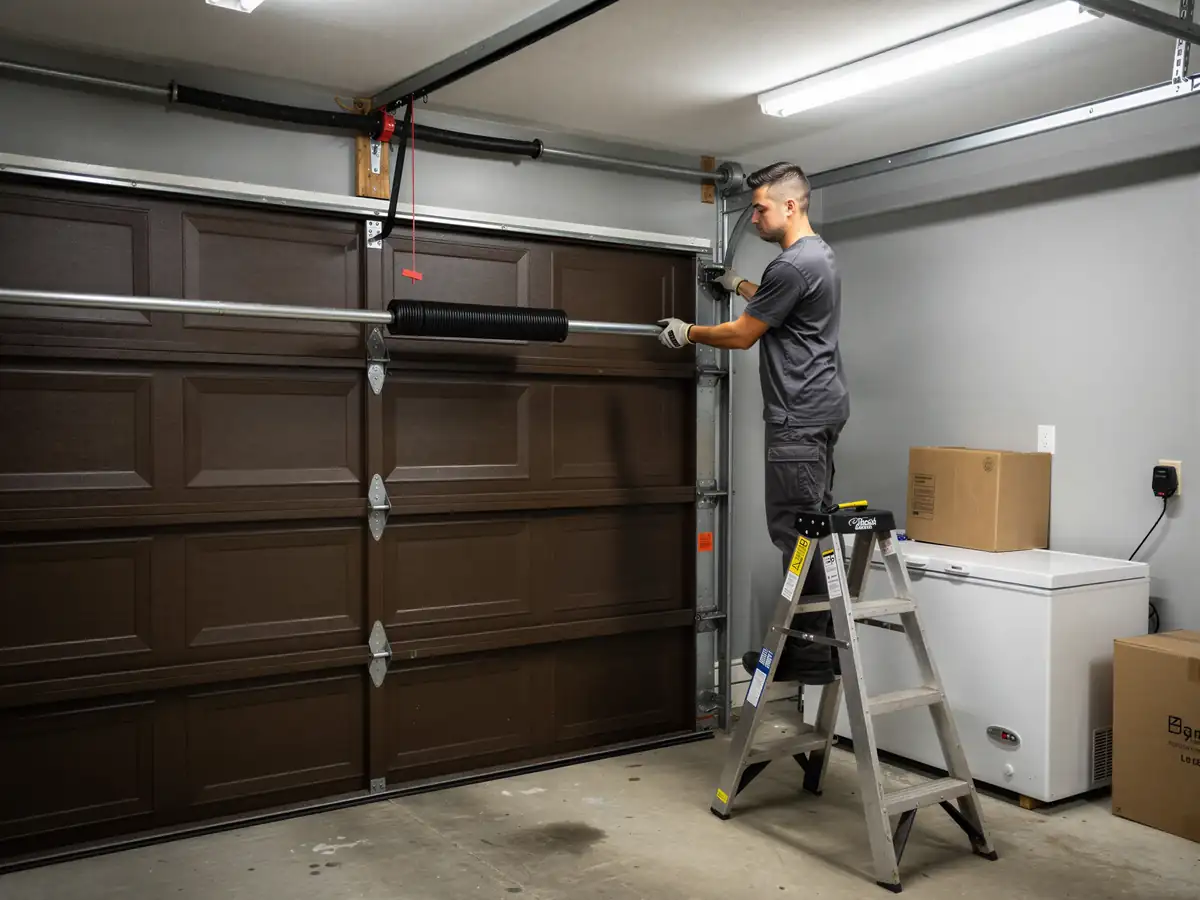
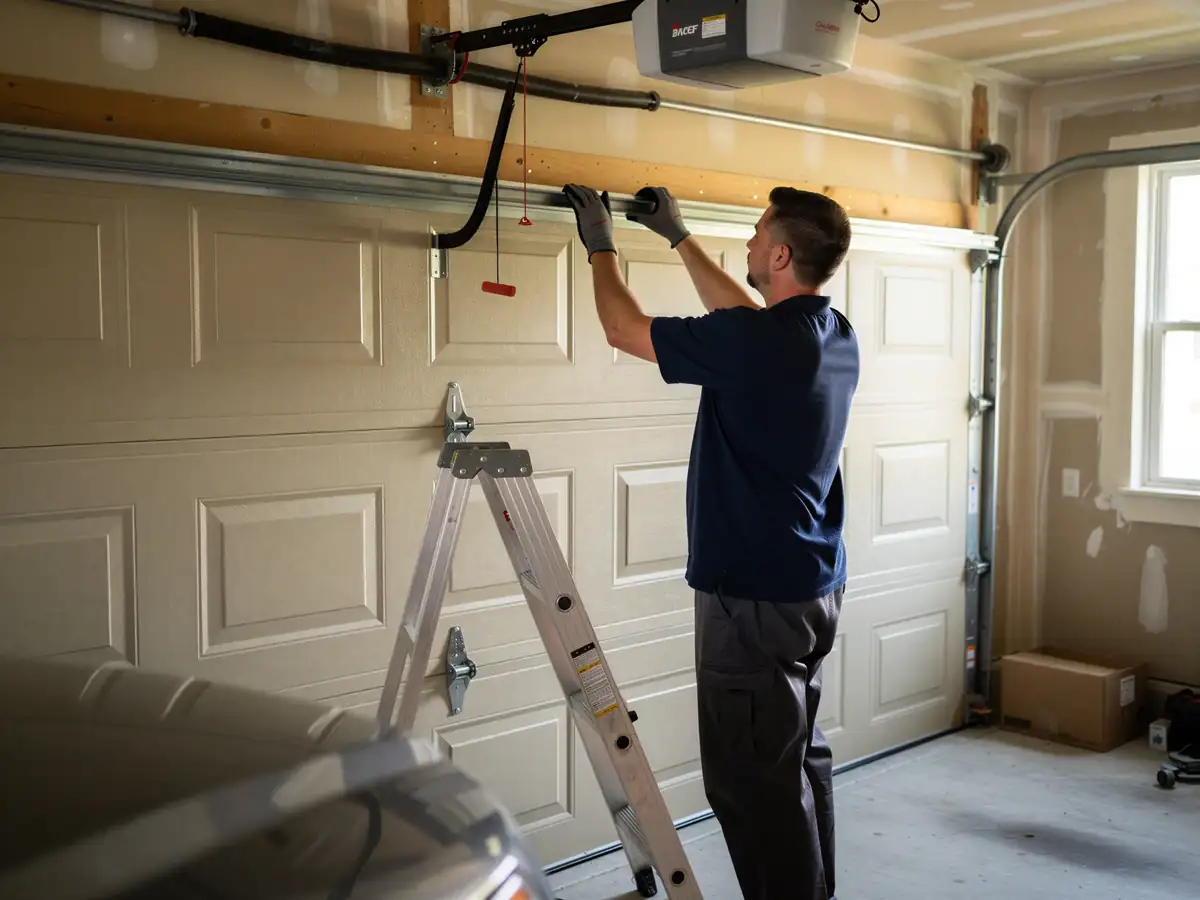
Since a heavier 2001-era sectional door needs the opener matched to its actual weight, not a generic size. We pull the old unit, mount the new rail and head, and set the travel limits against the real door rather than factory defaults, which is the step that gets skipped most often in a rushed job.
Force and auto-reverse get tested with the door moving, not just checked on paper
Because a door this size and weight needs the safety reverse to trigger well before full resistance. If you're adding battery backup, that unit gets wired in and tested on a simulated outage before we leave. The whole job usually wraps in under half a day, though a door with worn track or hardware alongside the opener issue can run longer once we're into it.