What Can Go Wrong
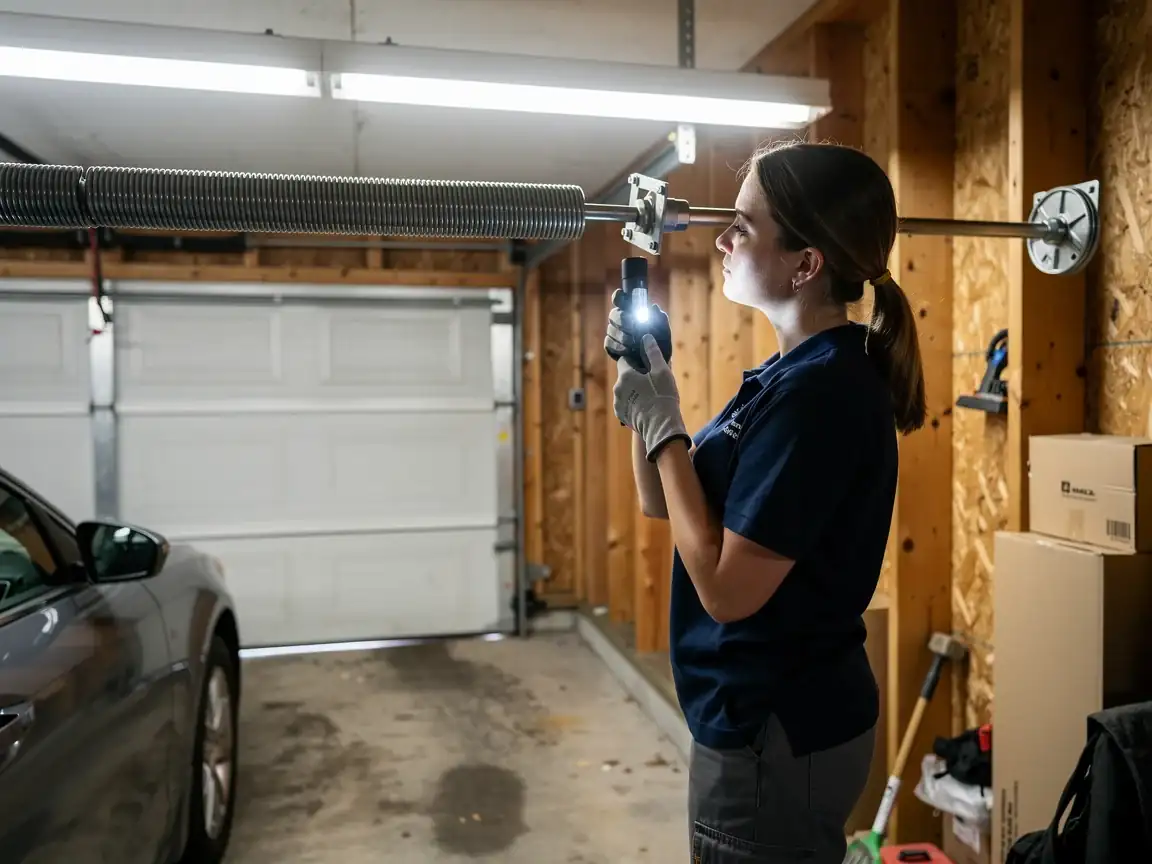
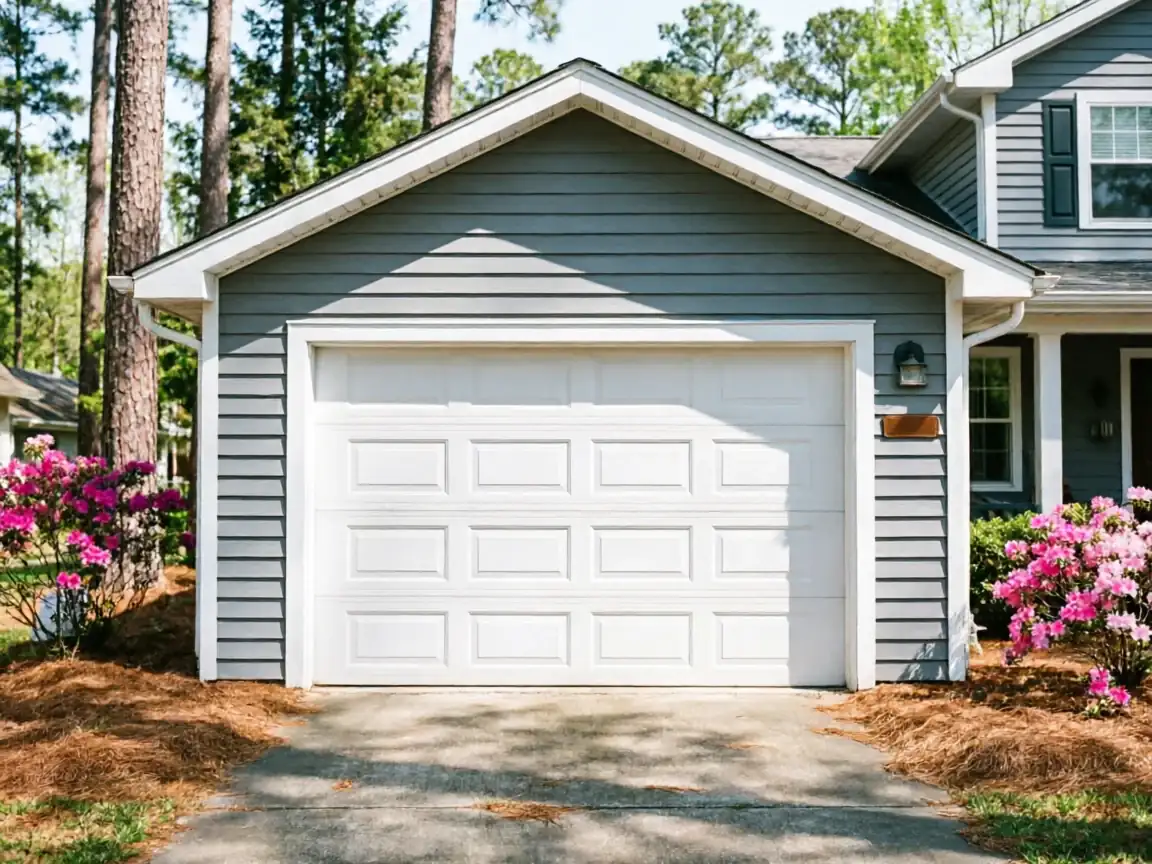
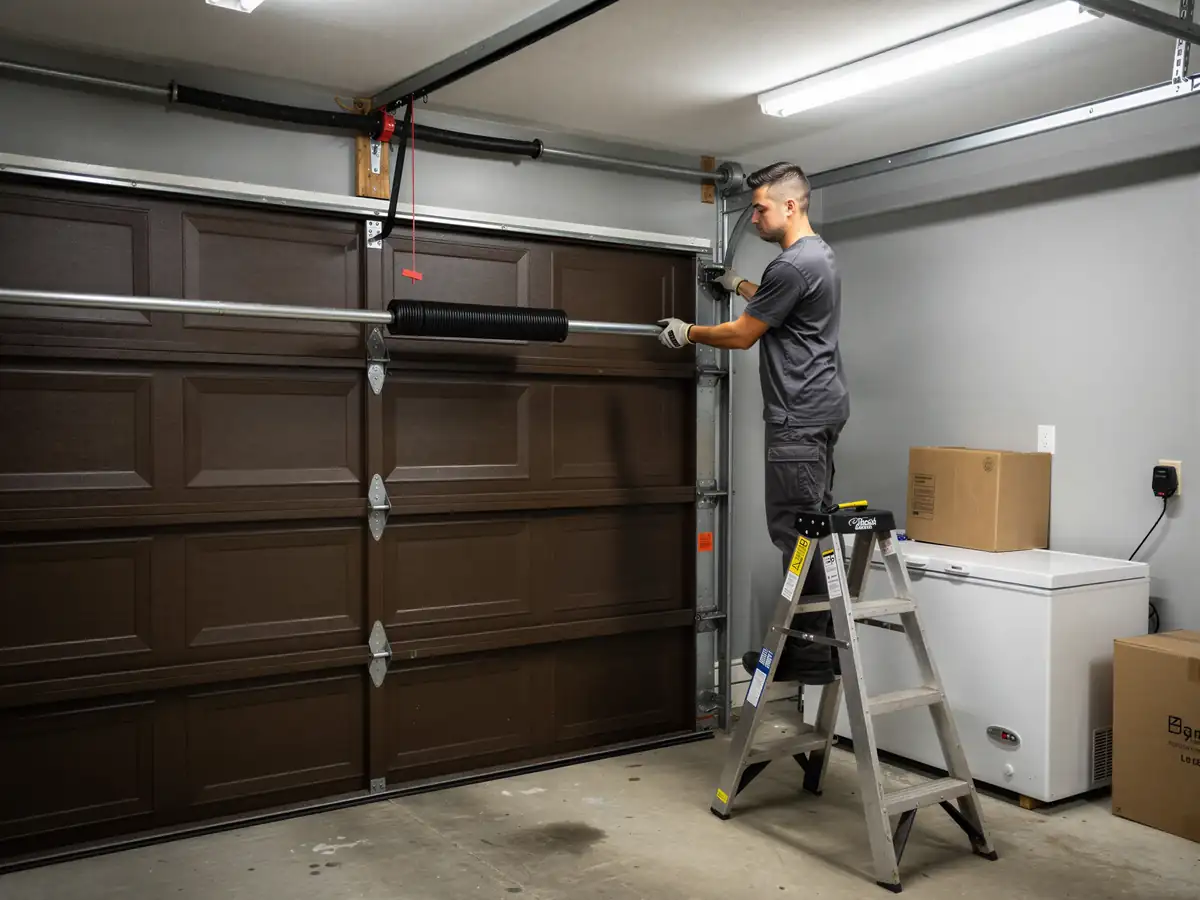
Most houses in Duncan were built around 2001, a good two decades newer than the median year for this whole service area, which sits closer to 1983. That matters for springs. By 2001, builders had mostly moved away from the old side-mounted extension springs you still find on 1960s and 70s stock and were hanging a torsion spring (or a pair of them) on a shaft above the door head. That's the setup you're most likely dealing with if your house went up in that early-2000s wave.
Torsion springs fail differently than extension springs. They don't fling apart and hit the ceiling, but they do lose tension slowly, cycle by cycle, until the door starts dropping unevenly or the opener strains to lift it. A snapped torsion spring usually announces itself with a bang and a door that won't budge, or one that slams down the last foot of travel because nothing is holding the weight.
Cold, damp winters here work on the coil over the years. Rust at the wind points of a torsion spring is common on doors that have sat a while without any lubrication, and a rusted coil breaks sooner than a clean one under the same load. If your door's original to a house from that 2001-ish build wave, the spring is old enough that wear, not a fluke, is usually the reason it's going.
The DIY Question
A torsion spring is wound under serious tension and held on a bar with winding cones
Loosening or tightening that cone without the right bars and without knowing how many quarter-turns the spring needs is how people get hurt, and it's the single biggest reason this isn't a weekend job. Extension springs, the older style, are a bit more forgiving to look at but still carry enough stored force to do damage if the safety cable is missing or frayed.
What you can reasonably do yourself
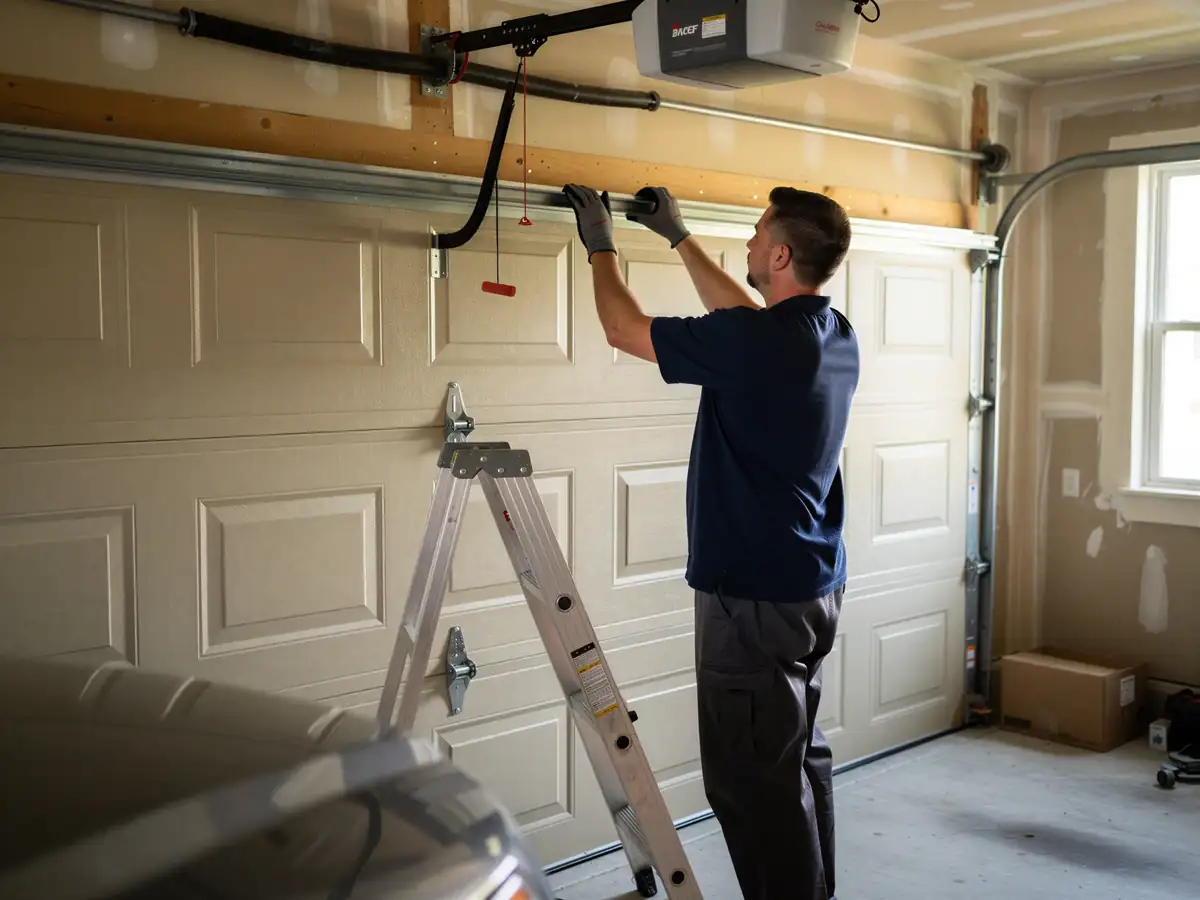
Check if the door is a torsion or extension setup (torsion springs sit on a bar above the door, dead center; extension springs run along the horizontal tracks on each side). You can also look for obvious gaps in a torsion coil or a stretched, hanging extension spring. That tells you what you're dealing with before anyone comes out.
What you shouldn't do
Cut a spring that's still under tension, remove the winding cone, or try to rebalance the door by adjusting spring tension without clamps and the right bar set. We'd rather talk you through what you're looking at over the phone than have you find out the hard way why this job has a bad reputation.
The Cost of This Job
We don't have a flat number to post here that fits every door in Duncan, because torsion and extension setups price differently, and a door that's also fighting a bent track or a worn cable costs more than a clean spring swap. What we can tell you is that the job scope follows the housing era: a single-torsion-spring door from the early 2000s is usually a more straightforward swap than an older extension-spring door with worn pulleys and a frayed safety cable, which tends to need more parts replaced at once.
If your opener has been grinding to lift a heavy door for months before the spring finally gave out, the motor and gears may be worn too, and that's worth mentioning up front rather than after the bill. We'll tell you plainly if a repair isn't worth doing versus a straight swap for new springs, rather than stack parts onto an old door just to make the invoice bigger.
Booking a Visit
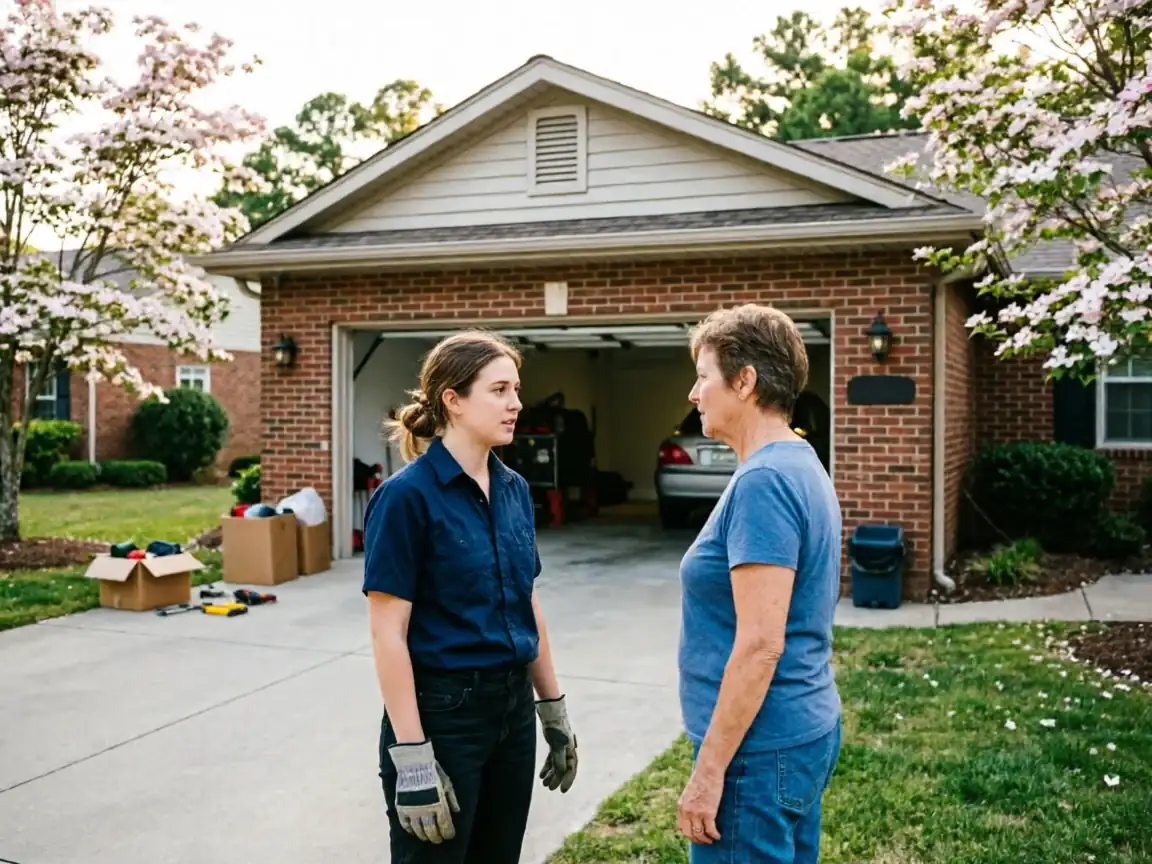
We run out of Greer, about 5 miles from Duncan, so a visit here isn't a same-block call, it's a short drive down. That's worth knowing if you're comparing us against someone closer: we're not based in Duncan and don't claim to be, but the distance is short enough that it isn't a factor in how fast we can get the job scheduled.
When you call, have the door's age and whether it's torsion or extension ready if you can. Given that most of Duncan's housing dates to around 2001, chances are good you're looking at torsion, but we've seen older extension setups on lots that predate the main build wave, so it's worth a look rather than an assumption. You can see more about how we cover this part of the area on our Duncan service area page, and if you need work beyond a spring swap, our main Greer spring repair page covers the broader service.
What the Fix Involves
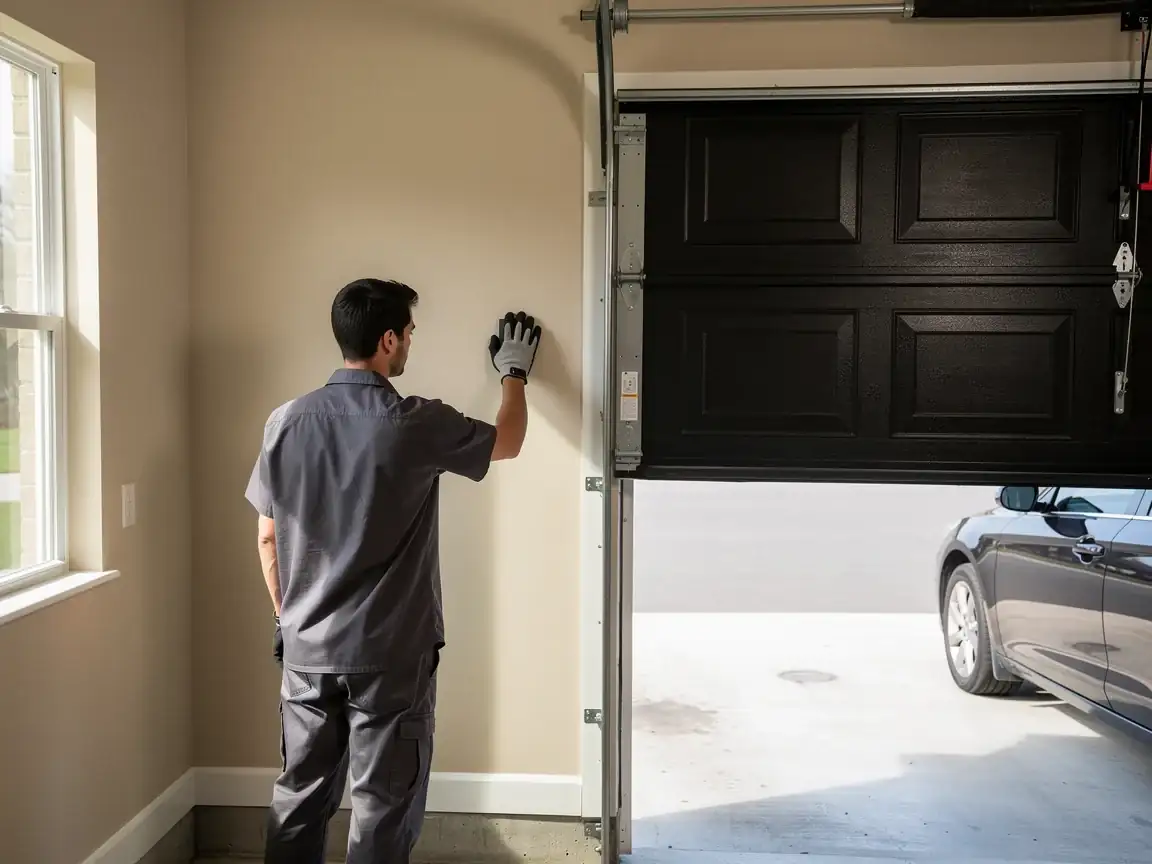
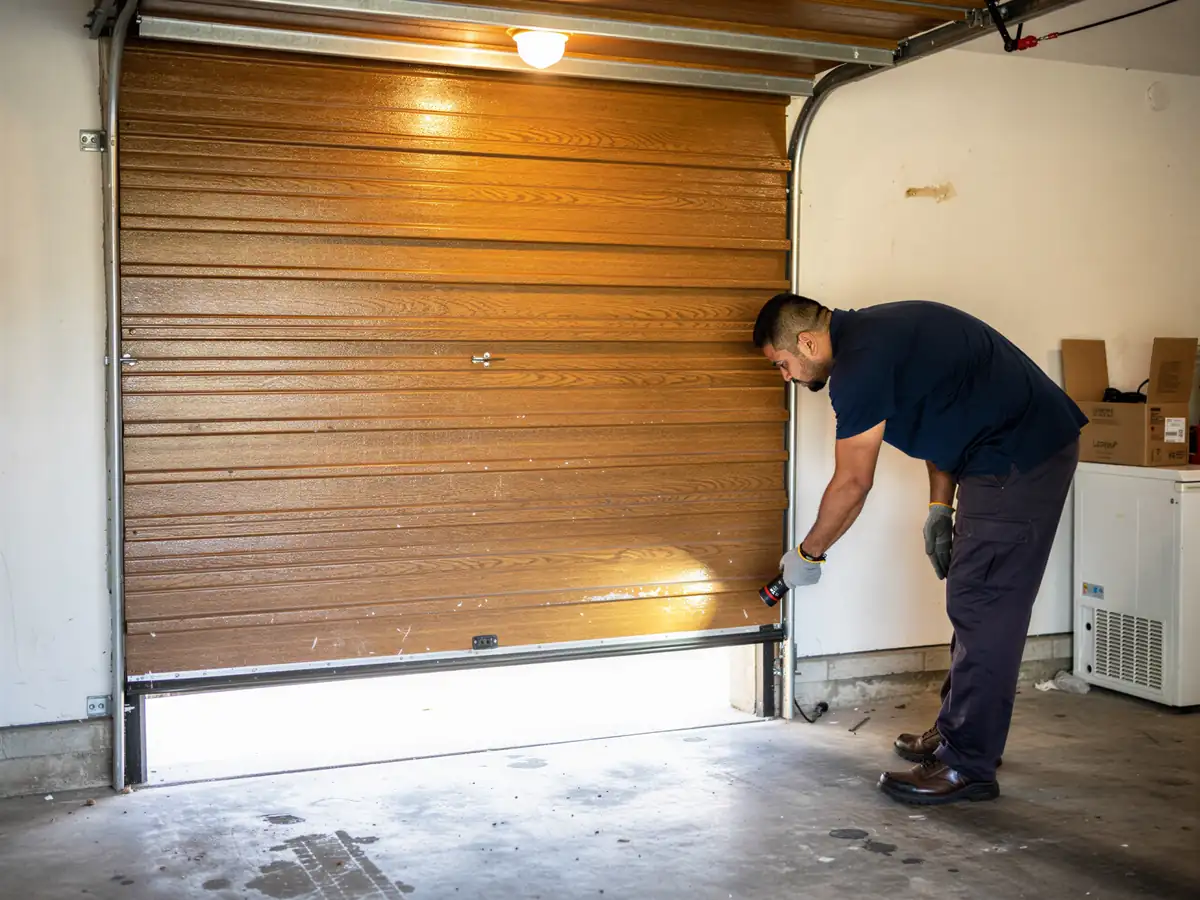
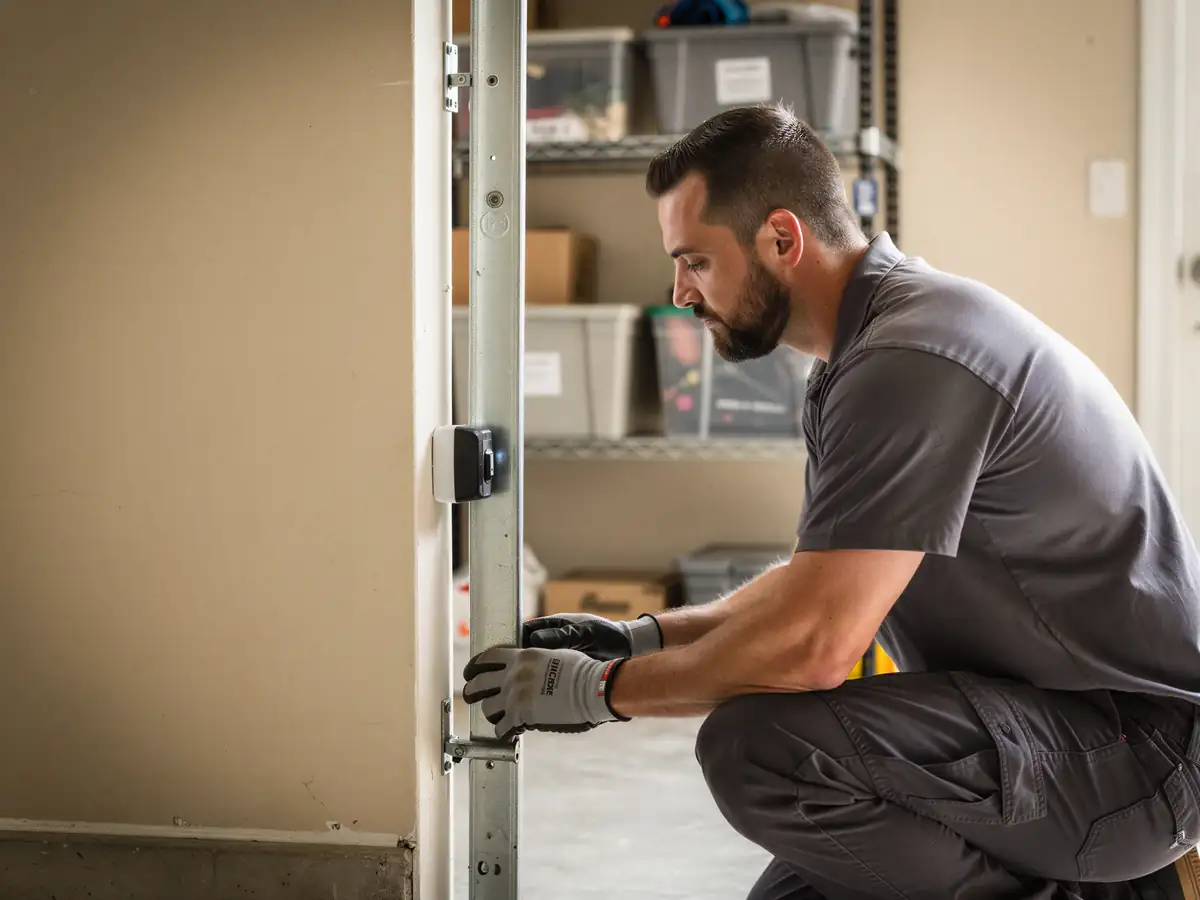
For a torsion setup, the job means clamping the door in place, unwinding the old spring safely, pulling it off the shaft
And winding on a new one matched to the door's weight and the drum size already on the shaft. We check the cable drums and bearing plates while we're up there, since a spring failure sometimes takes a toll on nearby hardware, especially on a door that's been running unbalanced for a while before it broke.
For an extension setup
Which you're more likely to find on an older lot, the fix is swapping both springs as a pair, never just the broken one, and confirming the safety cables run through each spring so a future break doesn't let the coil fly. We balance the door afterward by hand, checking it holds steady about halfway open with the opener disconnected. If it doesn't hold, the spring weight is wrong for the door, and that gets corrected before we leave, not left for you to notice later.