What Can Go Wrong
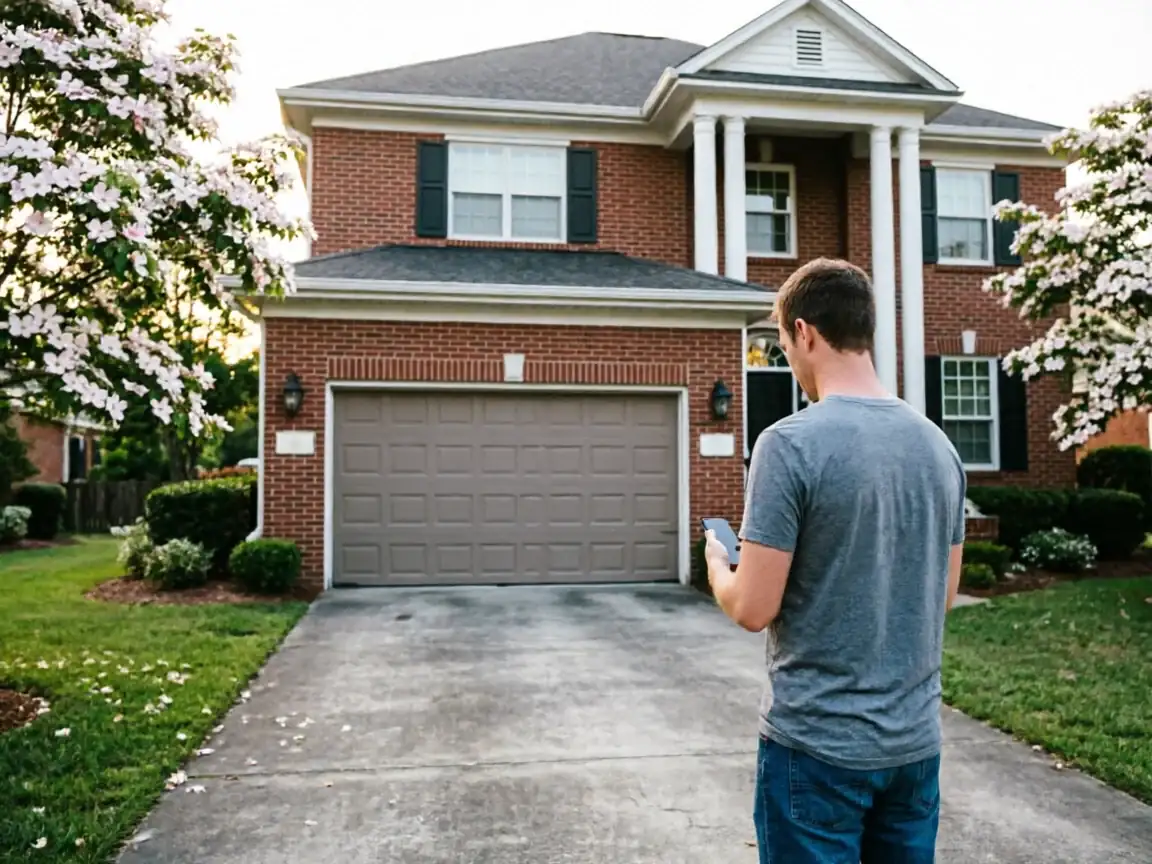
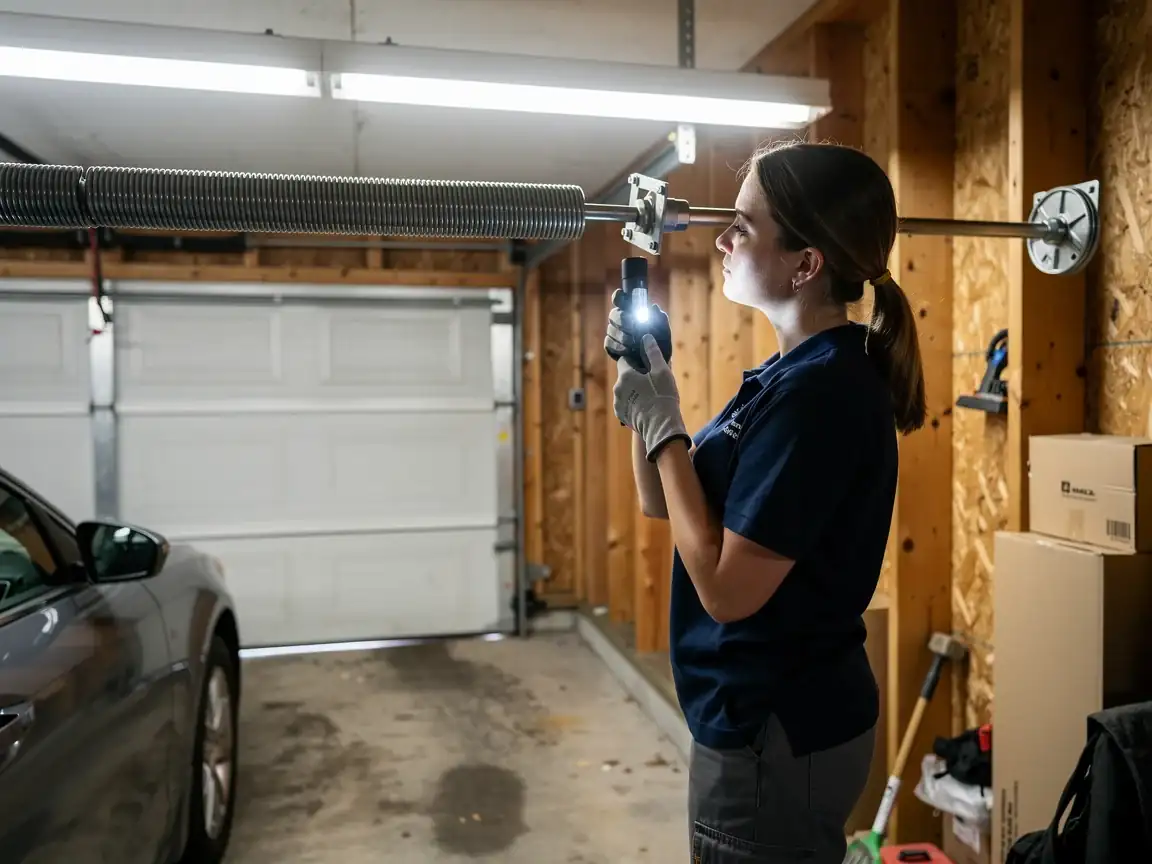
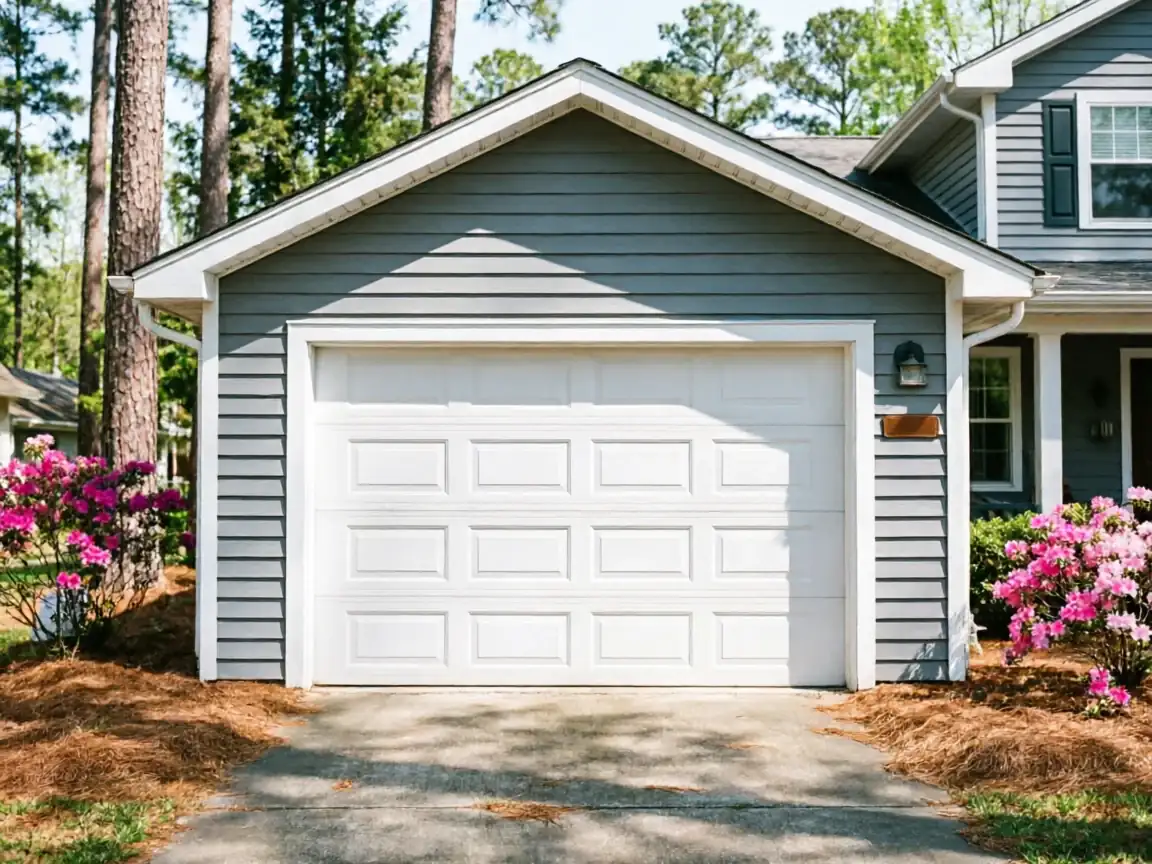
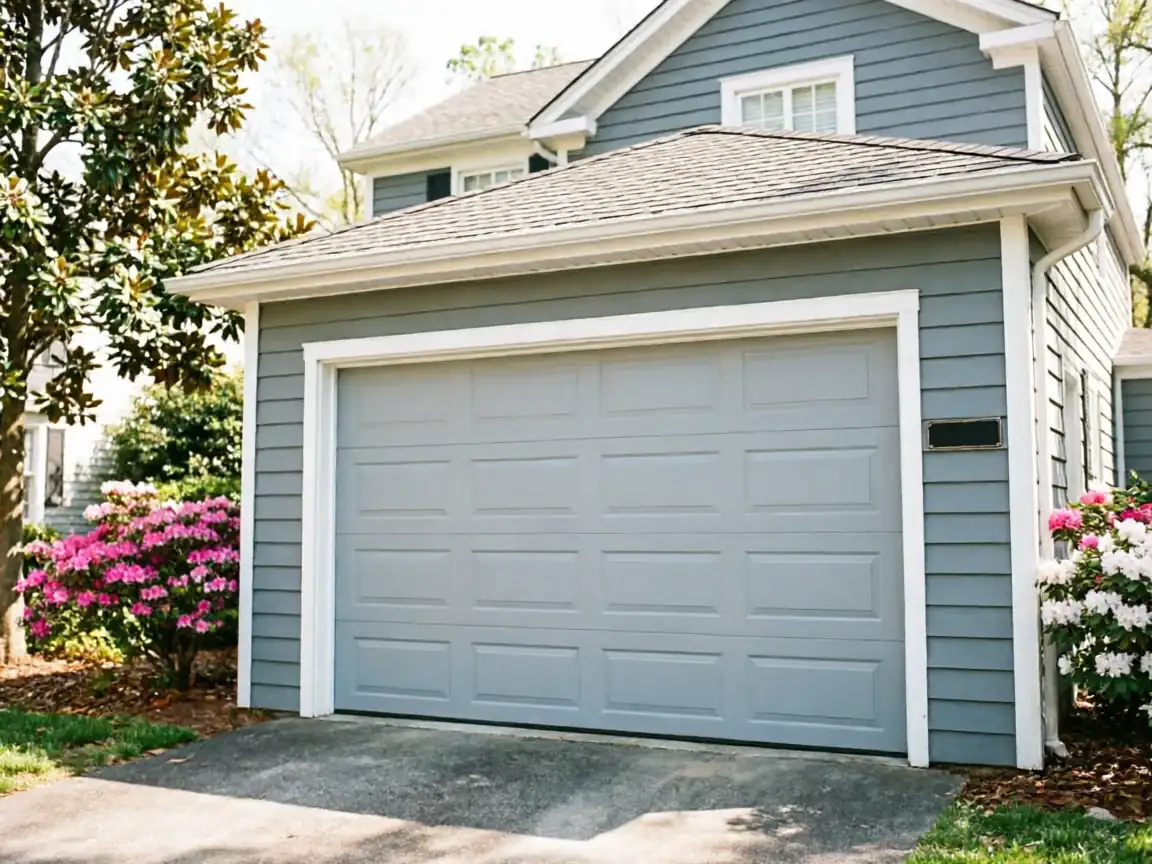
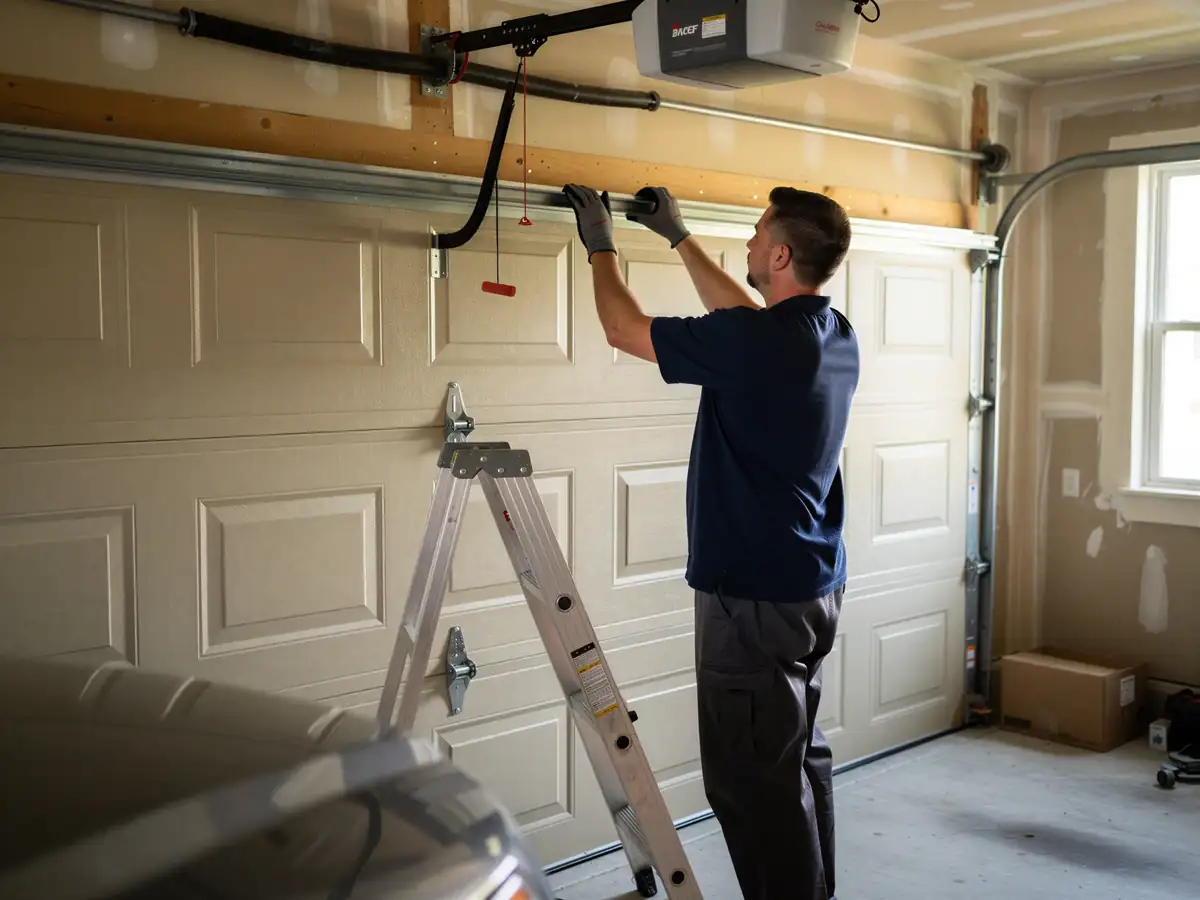
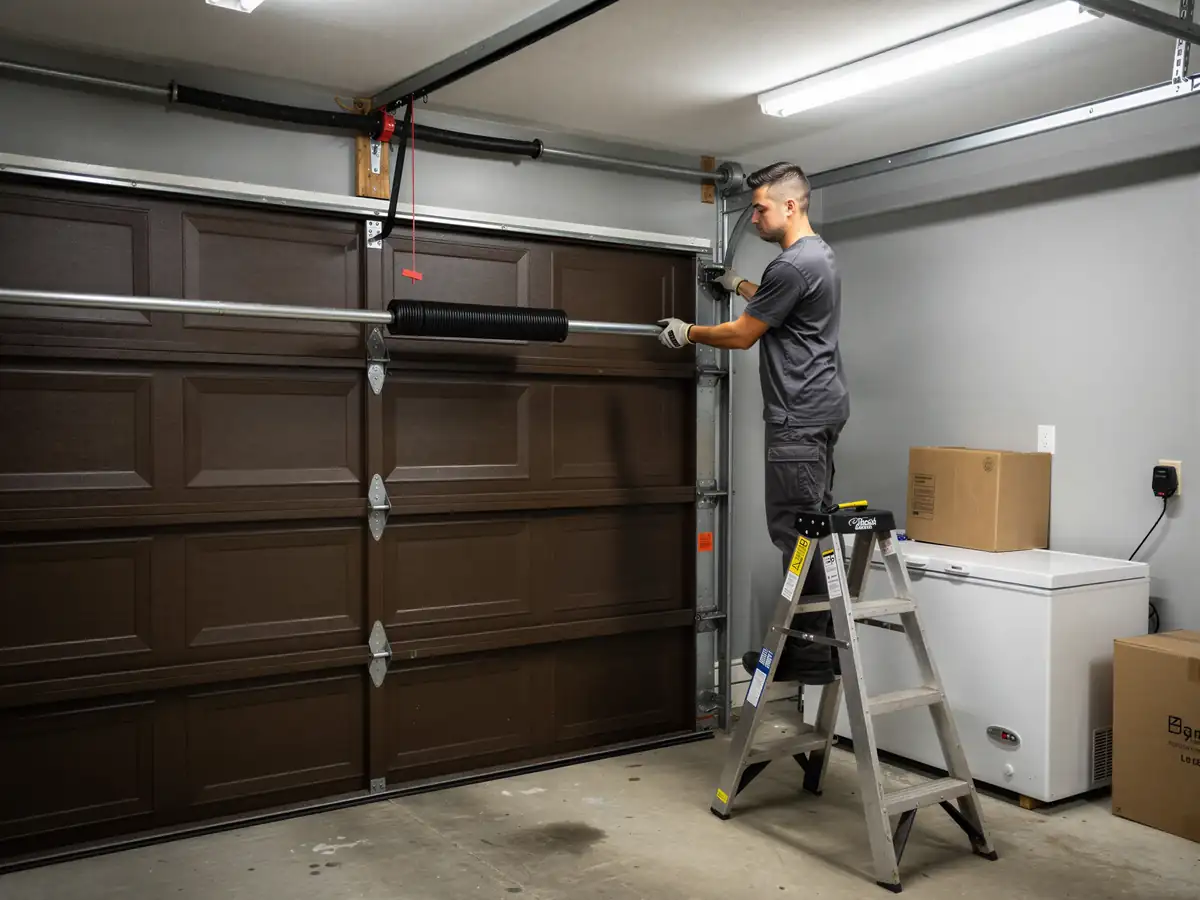
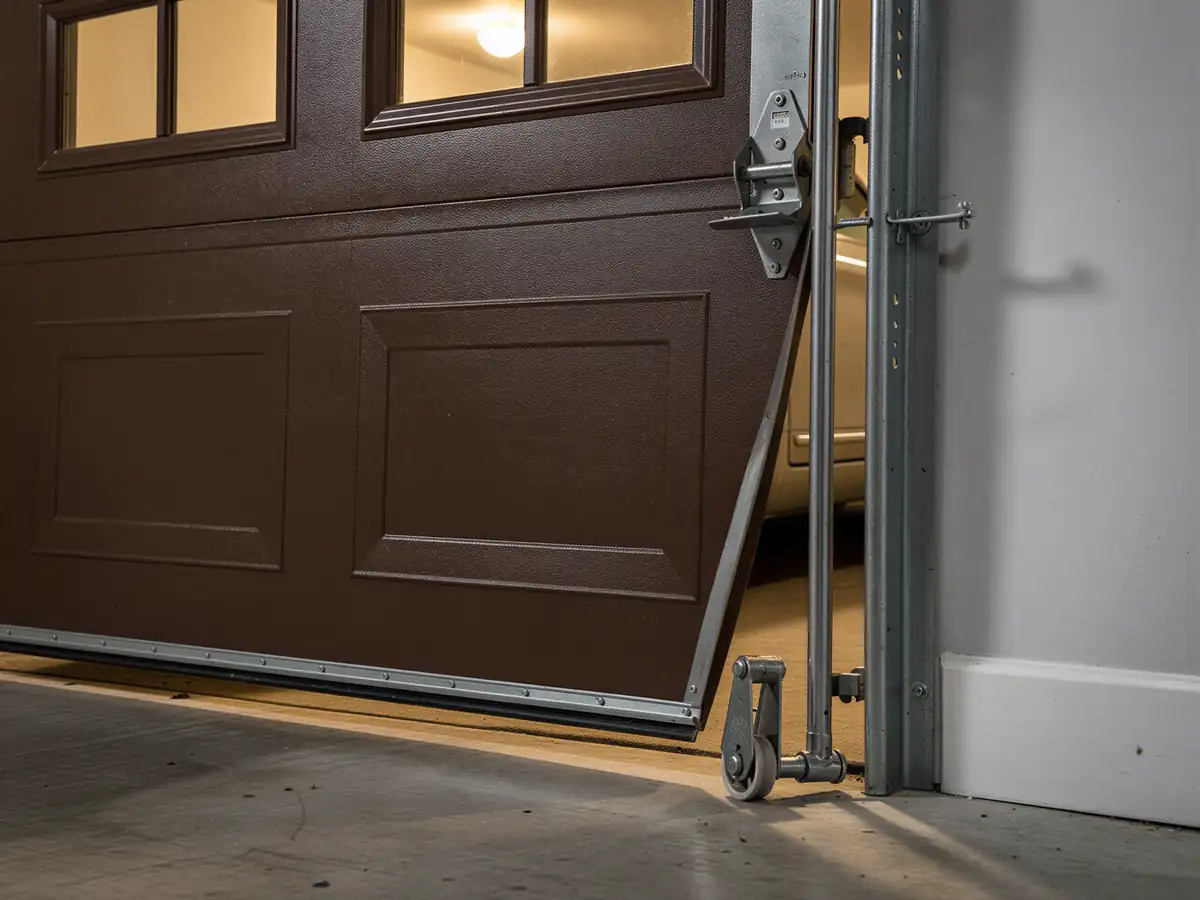
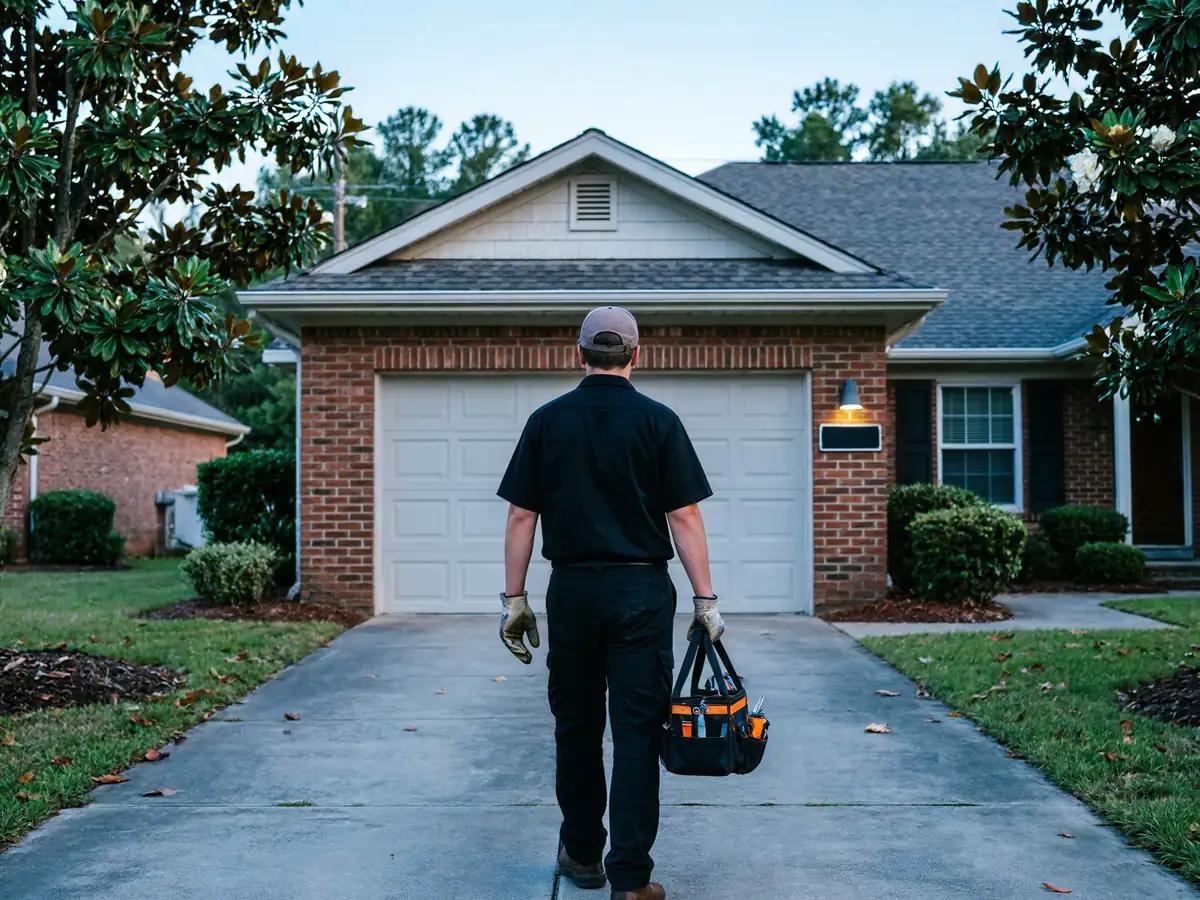
Most houses in Five Forks were built around 2003, which puts this neighborhood well ahead of the 1983 median for the wider Greer service area. That later build date matters for what breaks. Doors from the early 2000s almost always came with torsion springs rated for steel sectional doors, not the older extension-spring setups you still find on pre-1980s stock elsewhere in the area. Torsion springs fail differently - a clean snap, often loud, sometimes bending the top section if the door was mid-travel. With Five Forks' median household income sitting far above the area figure of $55,671, a lot of these garages also carry heavier insulated doors and dual-opener setups on wider bays, which puts more strain on cables and drums when a spring lets go. We also see rollers binding on track that was installed to code for a 2000s build but has gone twenty-plus years without lubrication. None of this is exotic. It's just what happens to hardware that's old enough to wear but young enough that owners haven't expected trouble yet.
Parts We Carry
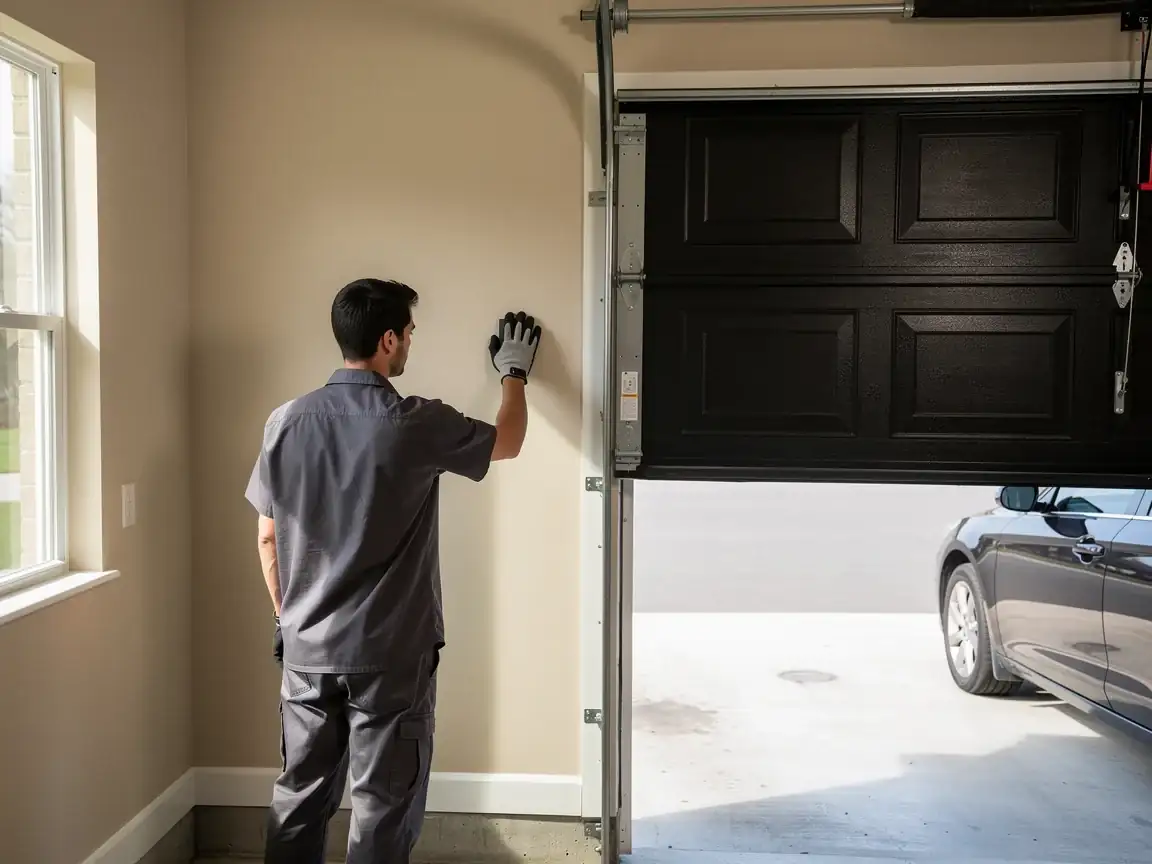
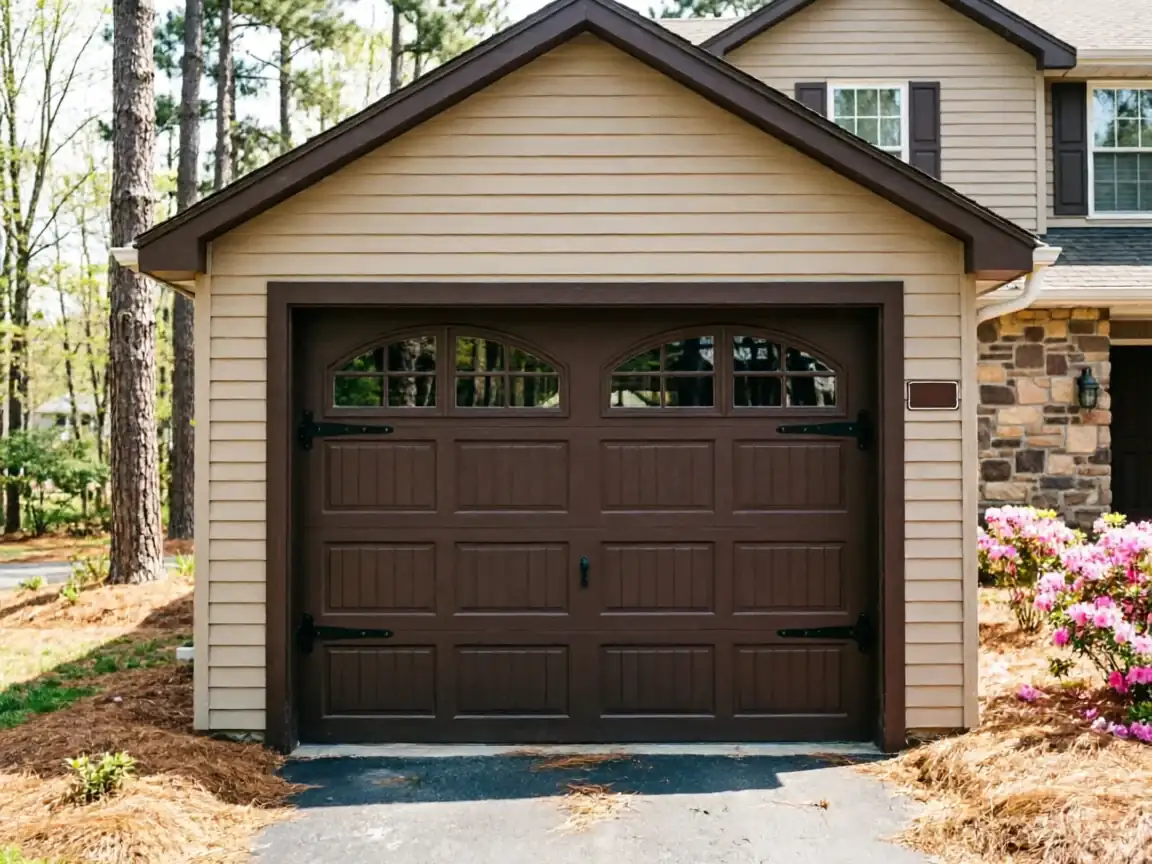
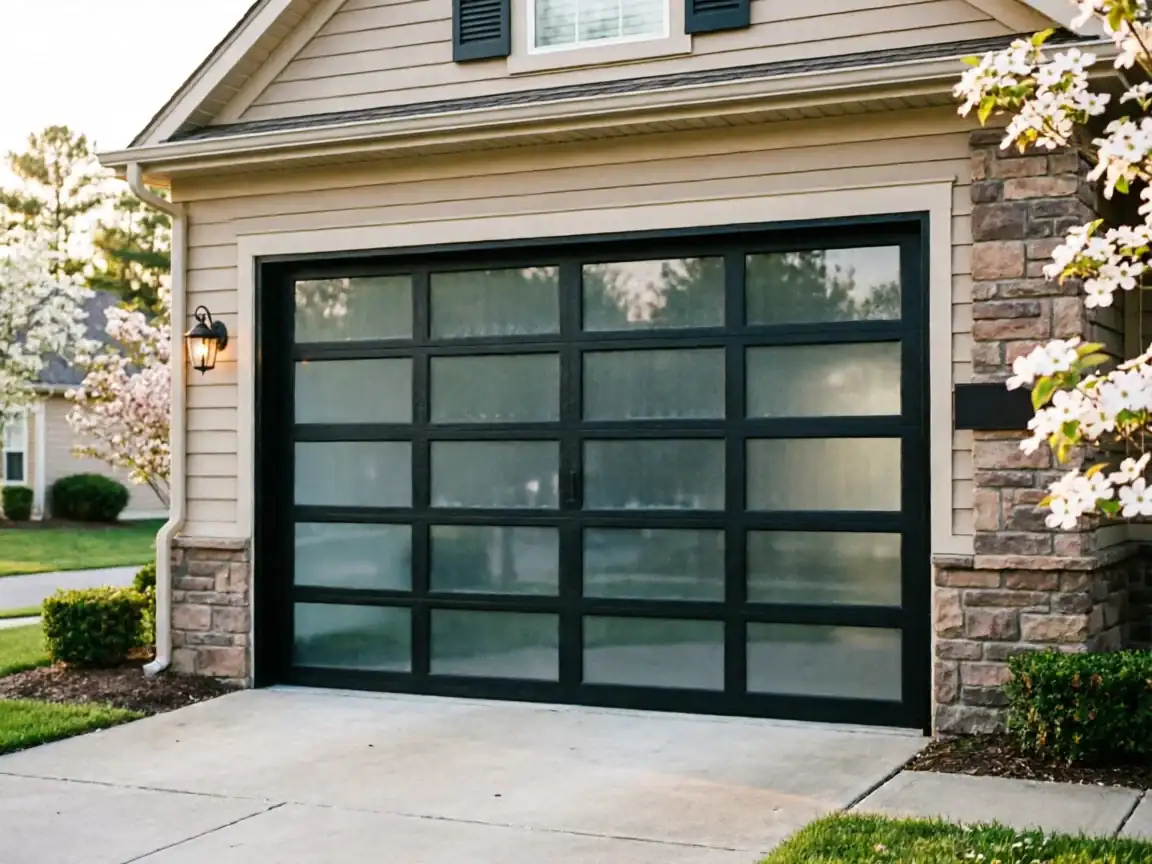
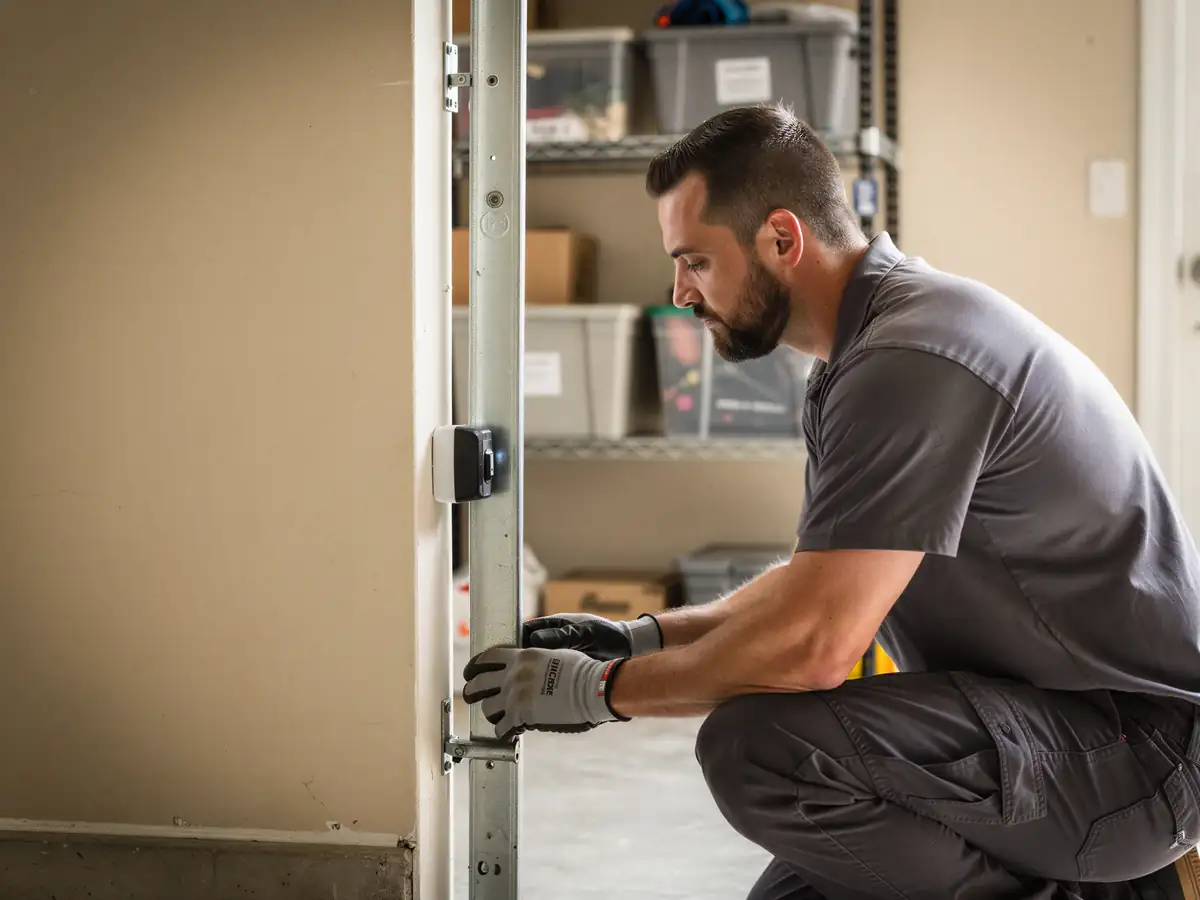
We stock torsion springs in the wire sizes and wind patterns that match doors built in the early 2000s, along with matching cables, drums, and end bearing plates, since that's the hardware most common on a build-year-2003 neighborhood like this one. We carry rollers and hinges sized for standard steel sectional panels, plus the mounting brackets for belt and chain-drive openers from that era. What we don't keep on the truck is anything specific to custom or architectural doors - oversized carriage-style doors or oak-look composite panels sometimes need a part ordered from the manufacturer, and we'll tell you that at the door instead of pretending otherwise. For a straightforward torsion spring or cable job on a standard door, we carry what's needed and don't need a second trip.
What Causes It Around Here
Greer's service area sits in a cold-moderate climate band, and that swing between summer humidity and winter cold is hard on steel hardware that's now two decades old in Five Forks - galvanized coatings on springs and cables start to give out right around the twenty-year mark, which lines up with when this neighborhood's original hardware is due. We're about 8 miles out from Greer to reach Five Forks, so the drive isn't the issue - it's that a lot of these doors are hitting the age where the factory spring was only ever rated for so many cycles, and nobody tracks that number until the door won't open. Combine that with the larger door openings common on higher-value lots here, and the springs are working harder per cycle than a standard single-car door would. That's the pattern we see most: original 2003-ish hardware, aged out, on a door that's bigger than average for the area.