What Can Go Wrong
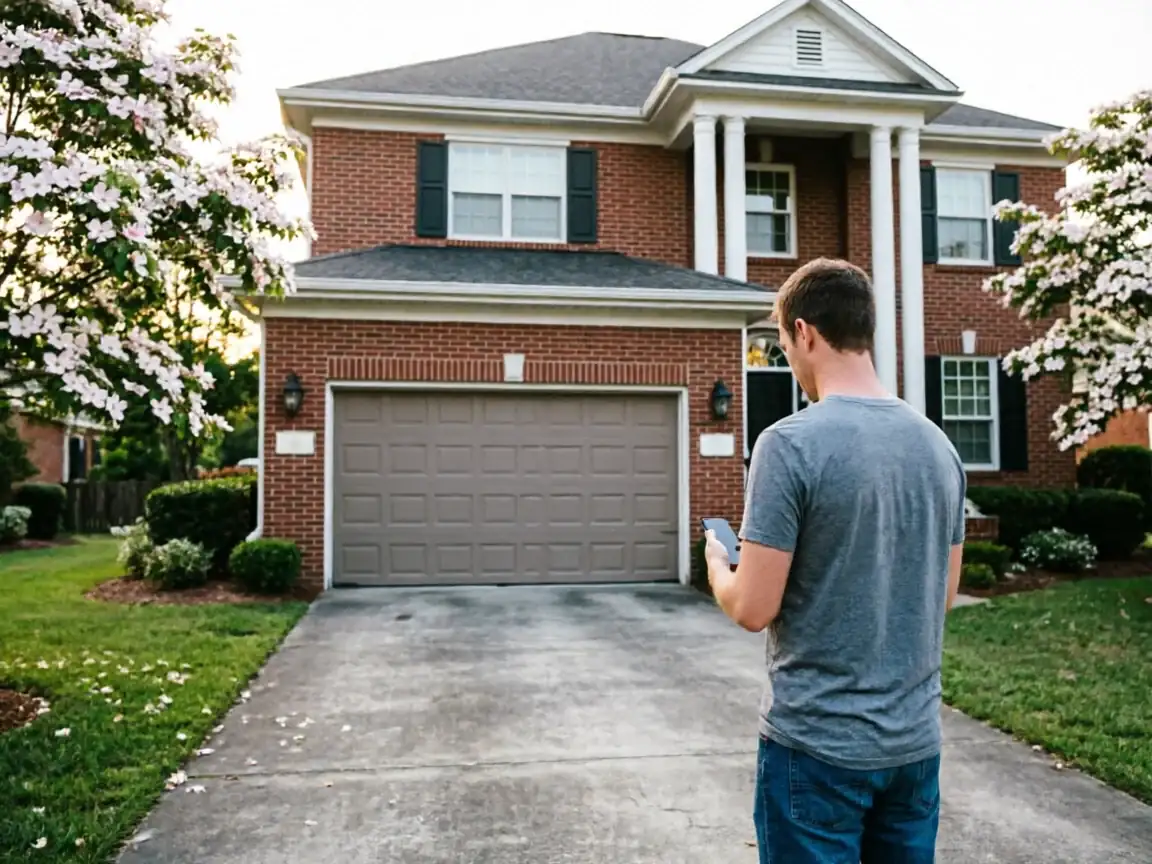
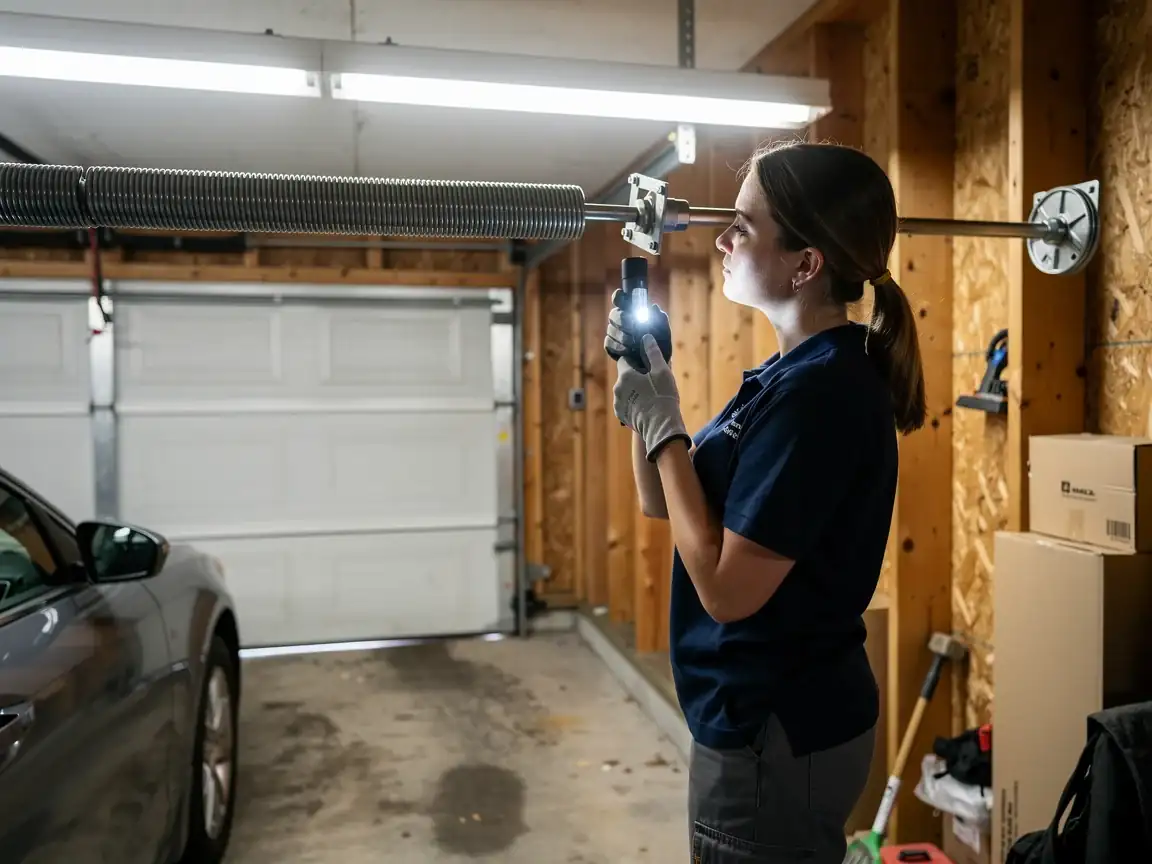
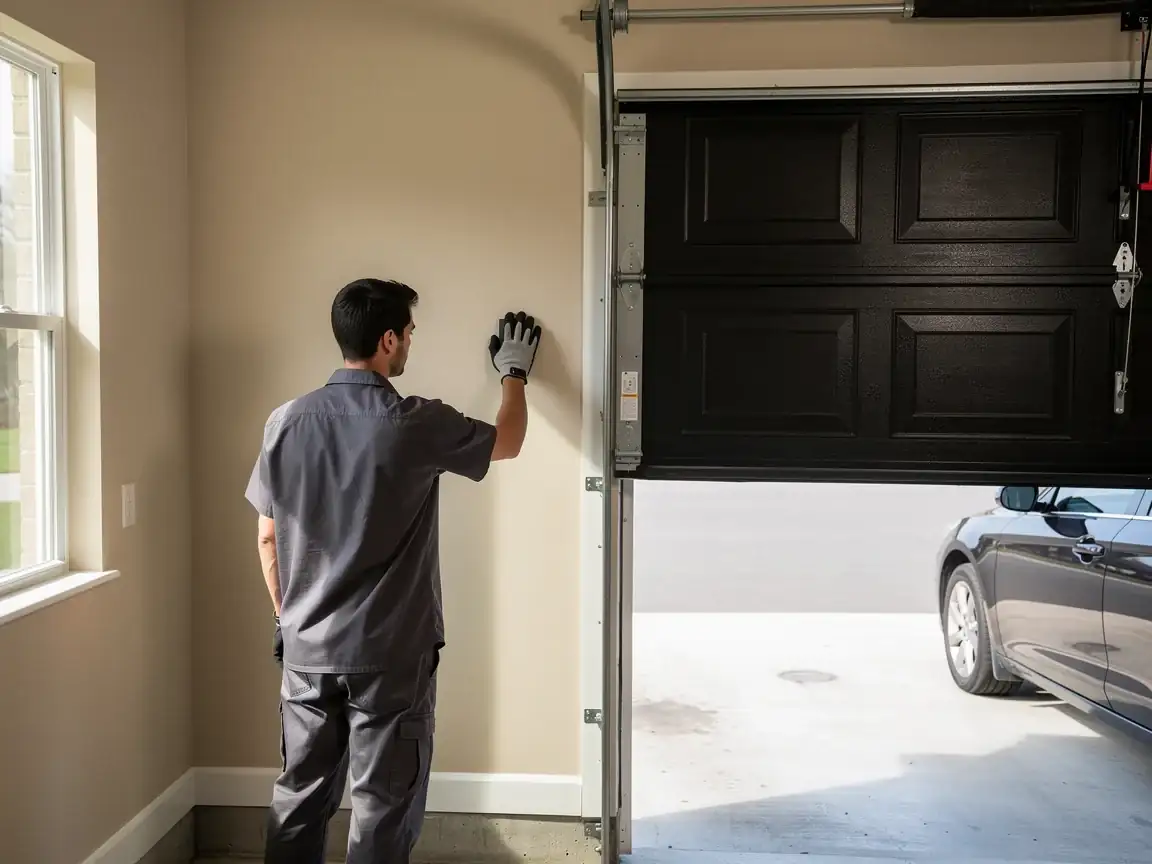
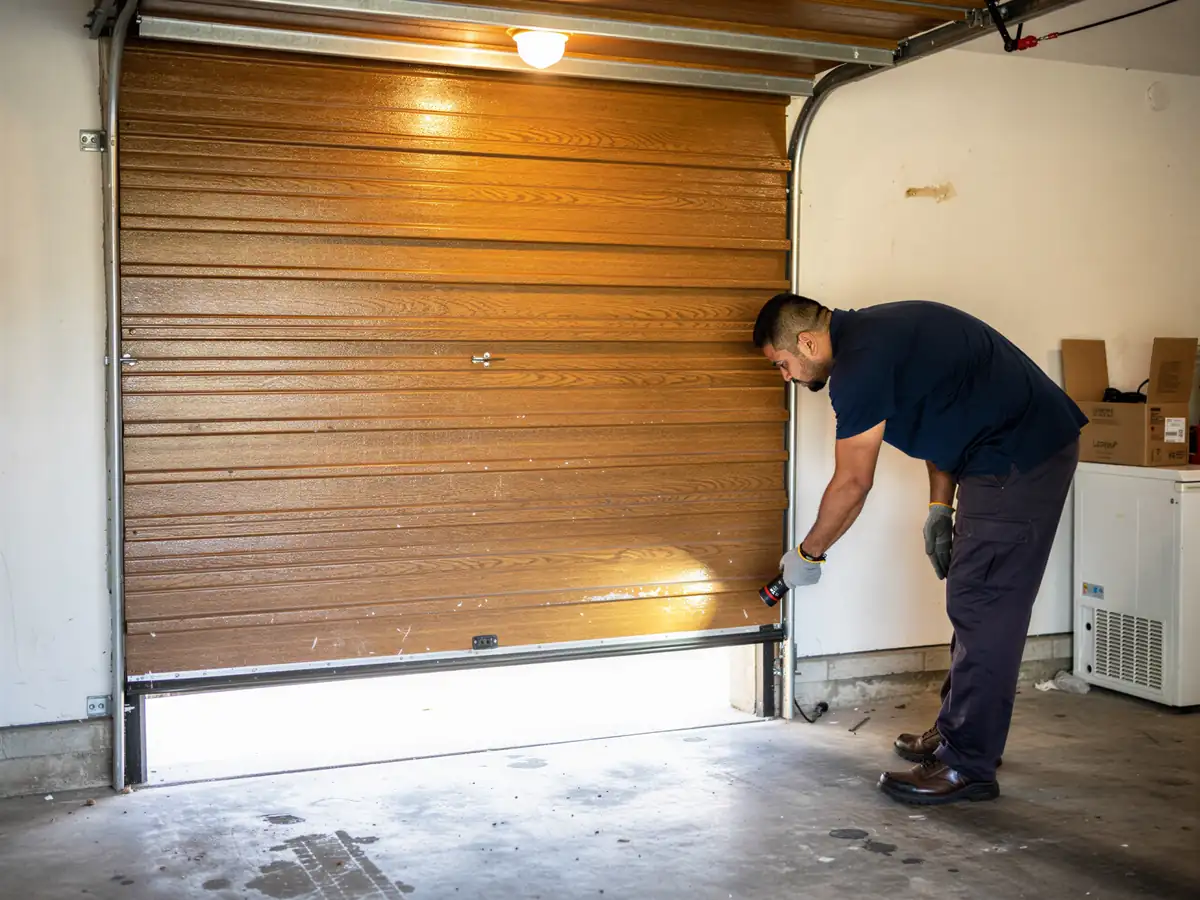
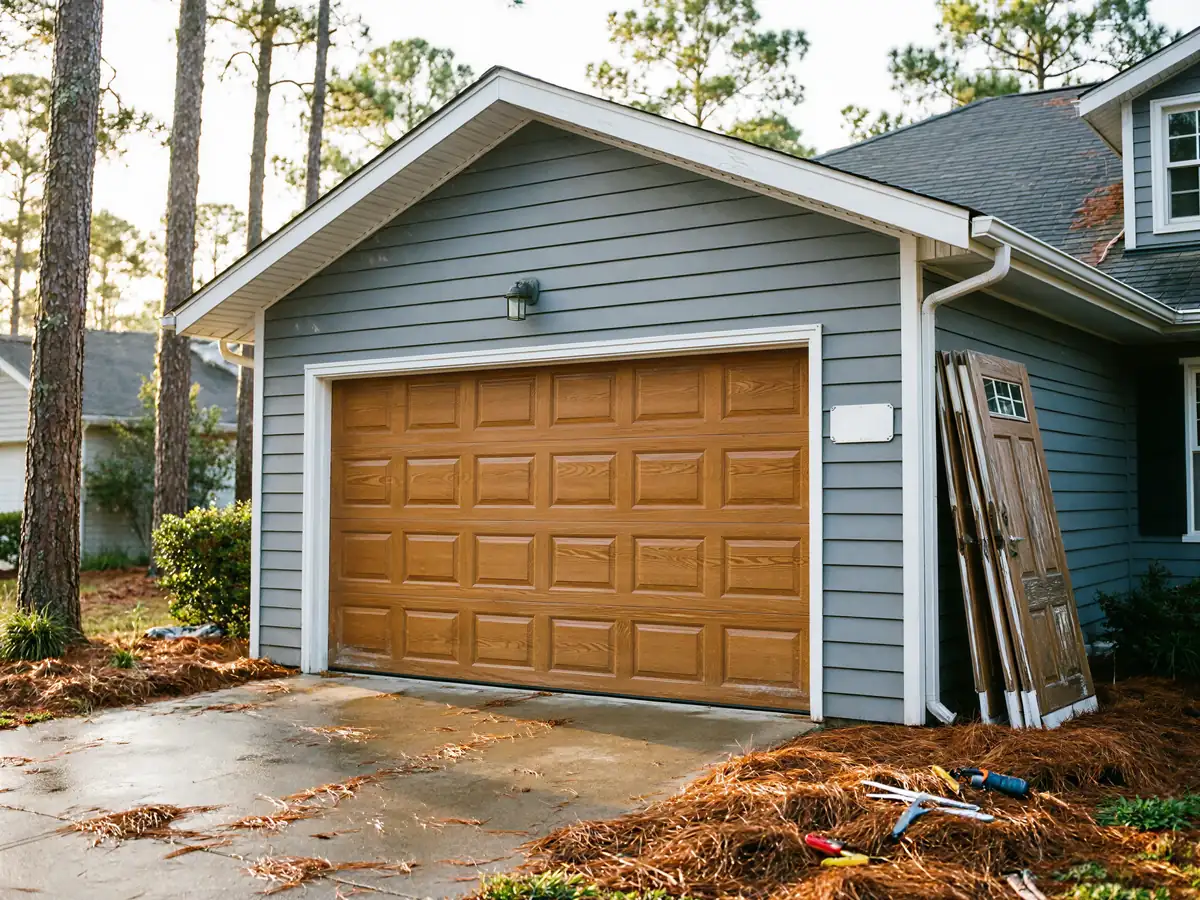
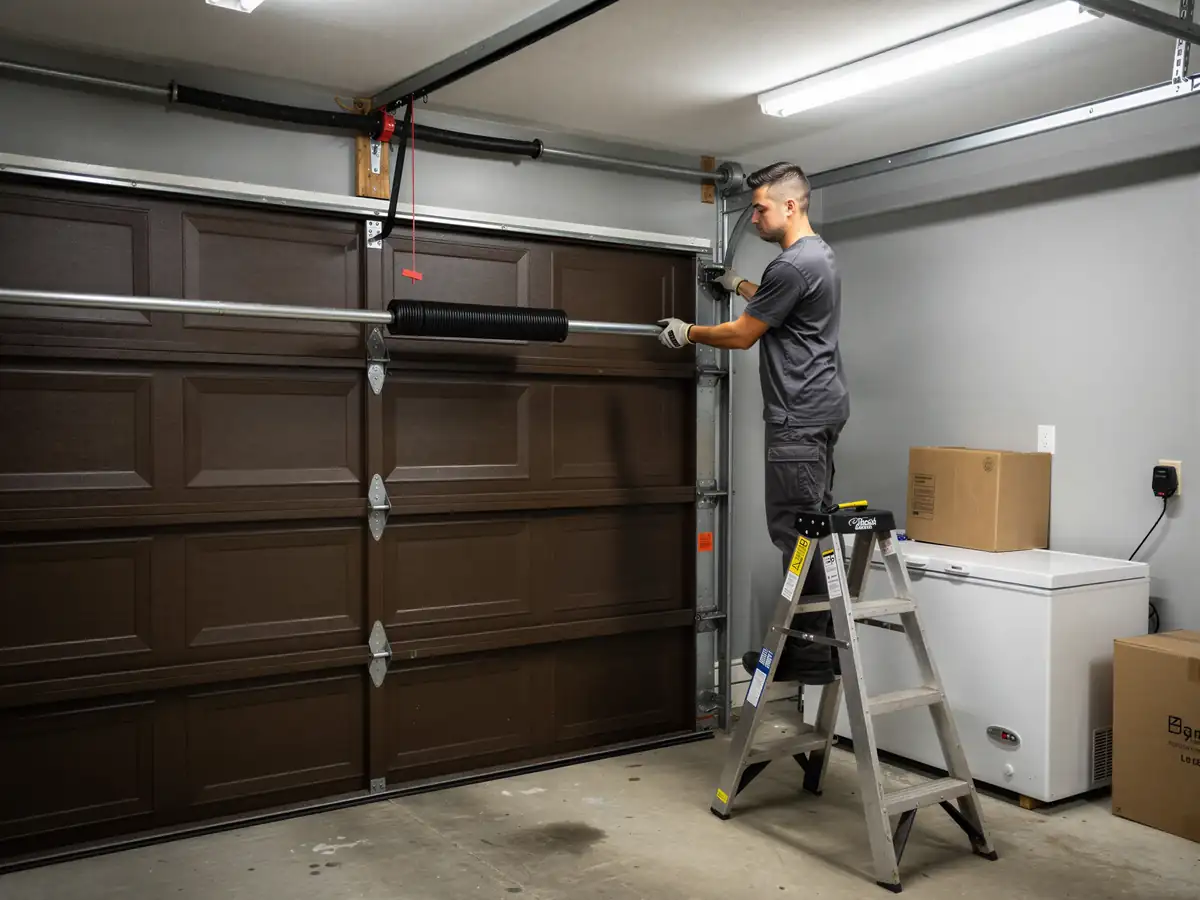
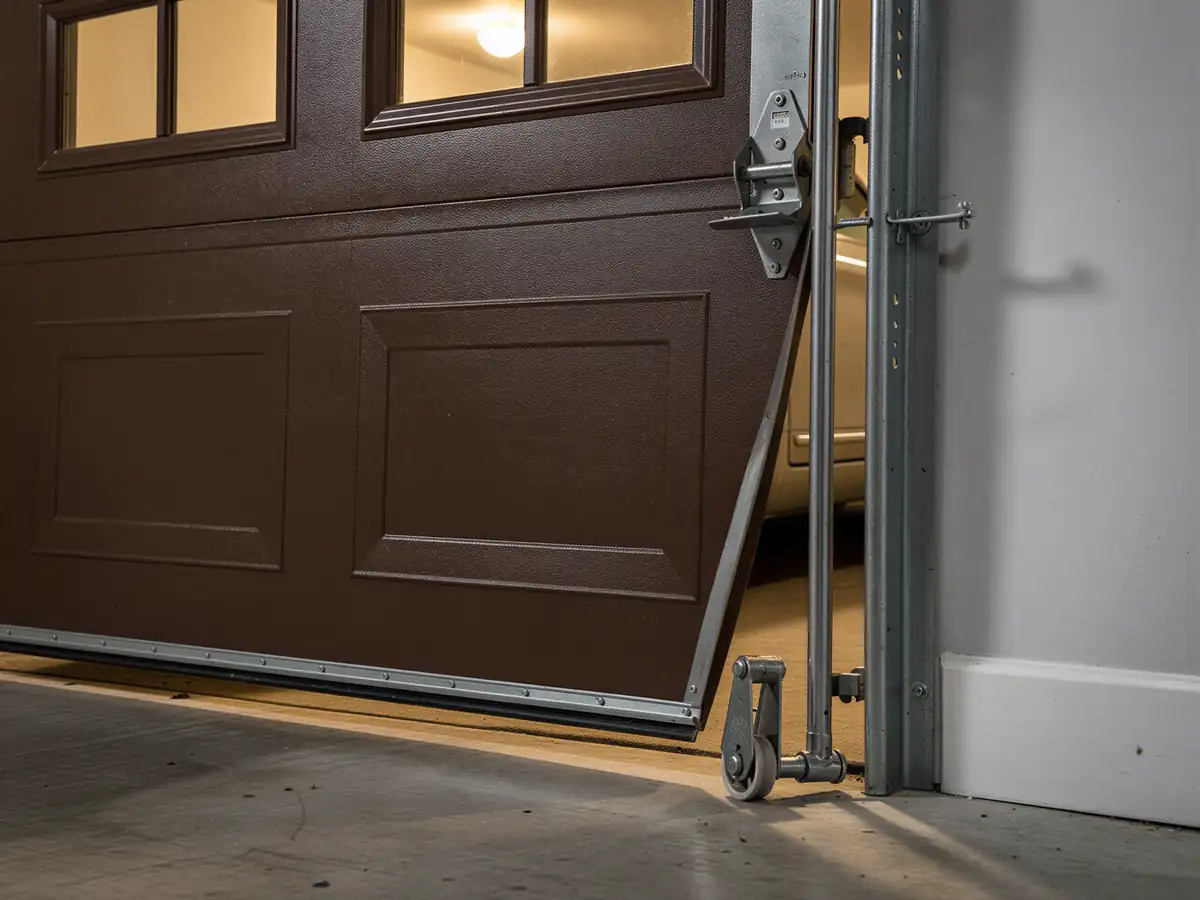
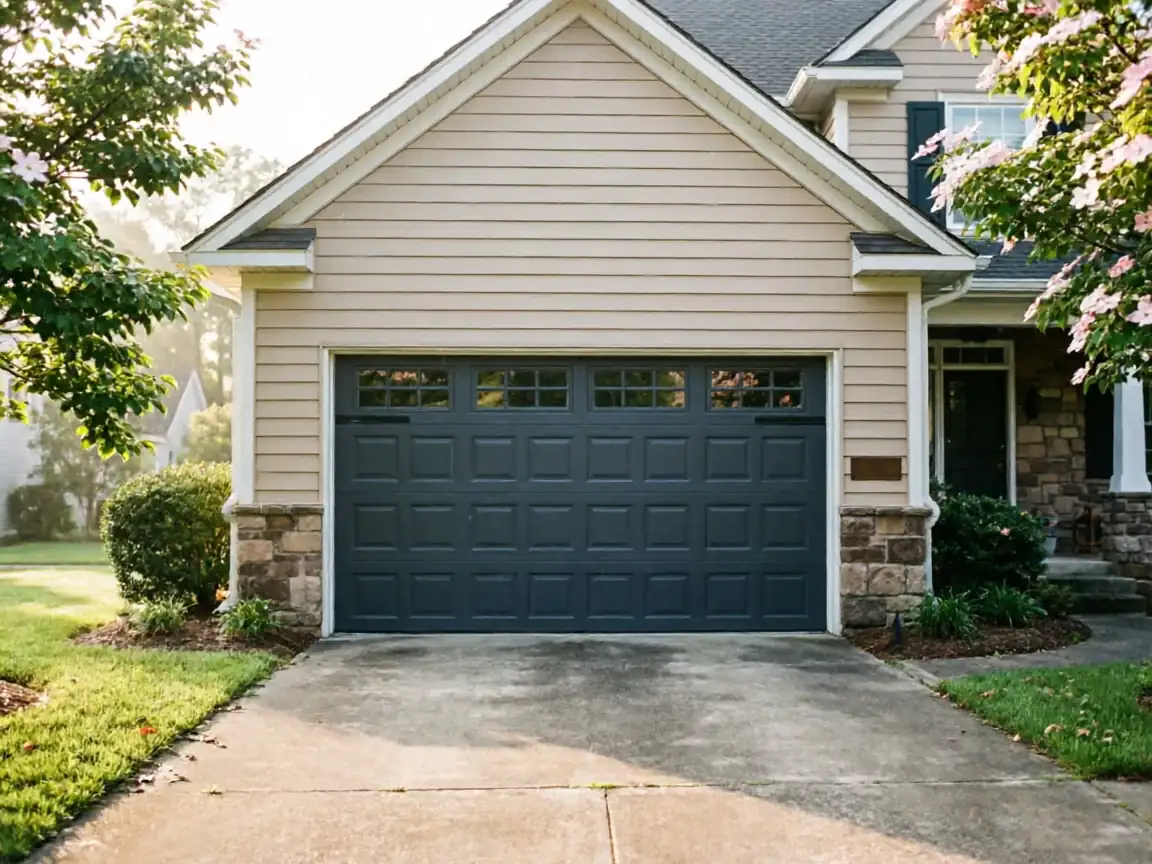
Most houses in Five Forks went up around 2003, which puts the original garage door hardware at roughly two decades old rather than four. That matters because a lot of what came with the house is still on it - the factory opener, the stock torsion spring, the steel rollers nobody swapped for nylon. Two decades is long enough for a spring to be near the end of its cycle count but not long enough for most owners to have thought about it. We see openers that still work fine but grind on startup, torsion springs that are original and due, and weatherstripping gone brittle at the bottom panel. Because the build era here skews newer than a lot of the area we cover out of Greer, you're less likely to be dealing with a one-piece door on obsolete hardware and more likely dealing with a sectional steel door whose first set of parts has simply run its course. The failure mode is usually sudden - a spring lets go on a Tuesday morning - rather than a slow decline you'd catch coming. We won't pretend every noisy door is an emergency; sometimes it's just old rollers and a can of lithium grease.
Parts We Carry
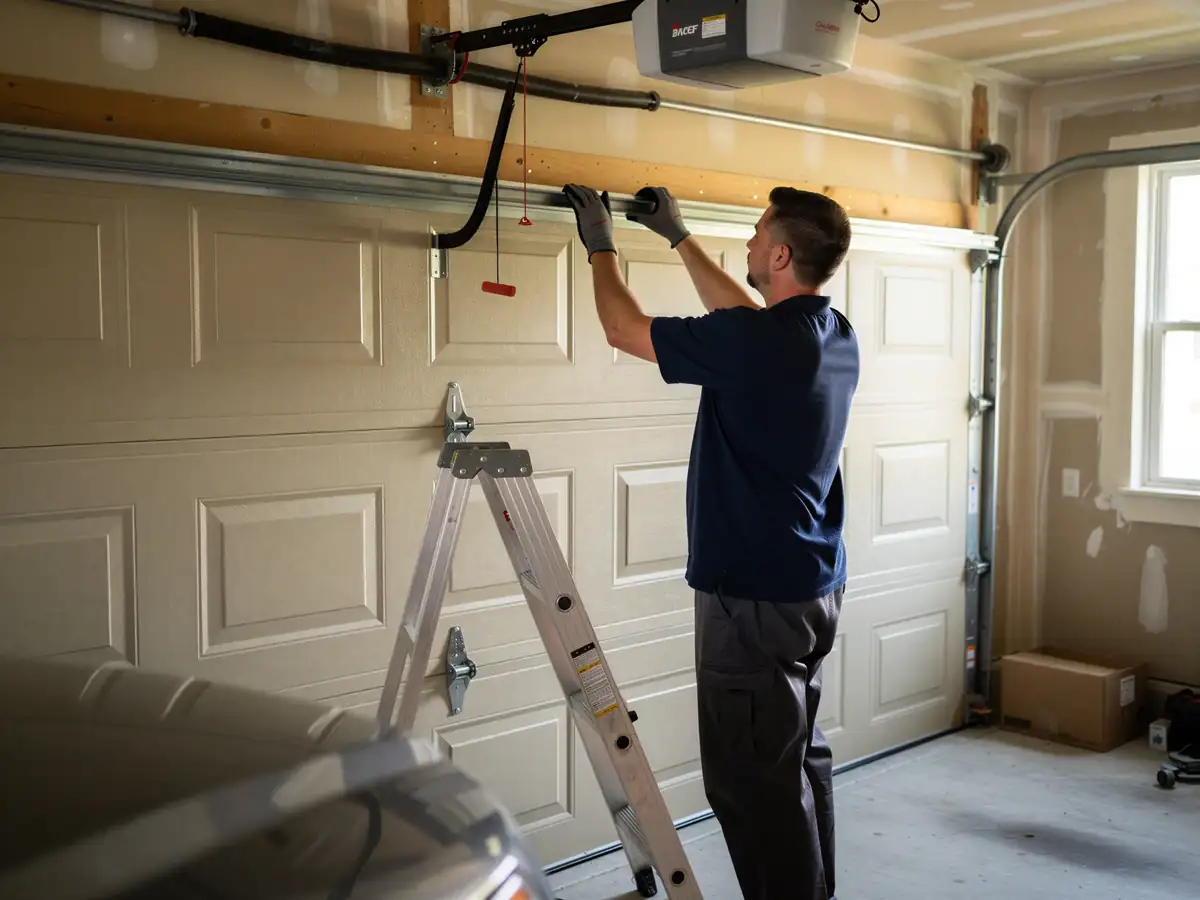
For the doors common in Five Forks we stock standard torsion springs sized for a typical sectional steel door, galvanized cable, steel and nylon rollers, and the sensor and drive-gear kits that fit the mid-2000s opener models still running in a lot of these garages. We also carry weatherstrip and bottom seal stock sized for the door widths typical of this build era. What we don't keep on the truck is anything proprietary to a discontinued smart-opener board - those get special-ordered once we've confirmed the exact model, and that's the one place a repair here can take longer than a same-day visit.
What Causes It Around Here
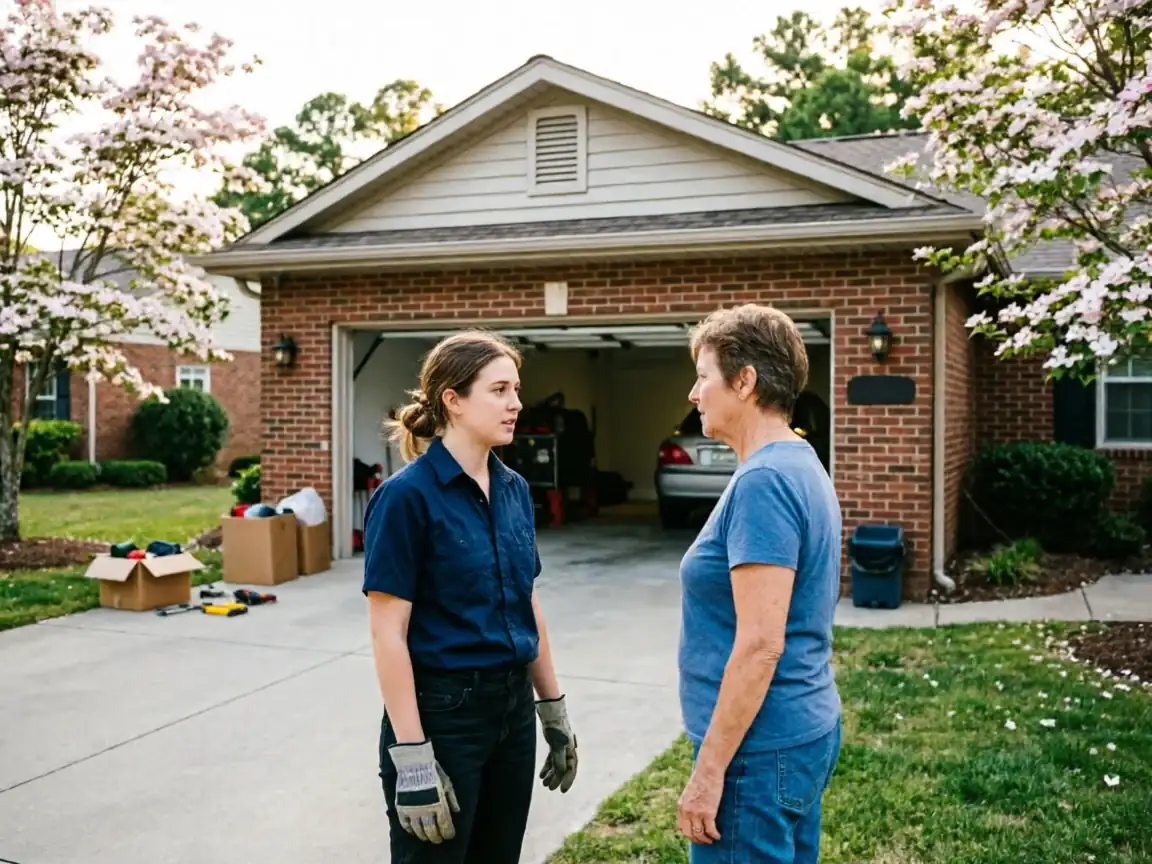
The climate here runs cold and moderate rather than extreme, so we're not dealing with the kind of heat-cycle fatigue that shortens spring life in hotter regions, or the freeze-thaw swings that crack panels in harsher winter zones. What drives failures in Five Forks is closer to simple mechanical wear hitting a consistent age band at once - a neighborhood built out largely in one stretch means a lot of torsion springs and opener drive gears are approaching the same point in their service life within a few years of each other. Household income here runs well above the wider service area's median, and we see that reflected less in why doors break and more in what people ask for when they replace one - insulated steel over bare steel, quieter belt-drive openers over the original chain drive. None of that changes the physics of a worn spring, but it does shape which fix gets chosen once we're standing in the garage.