What Can Go Wrong
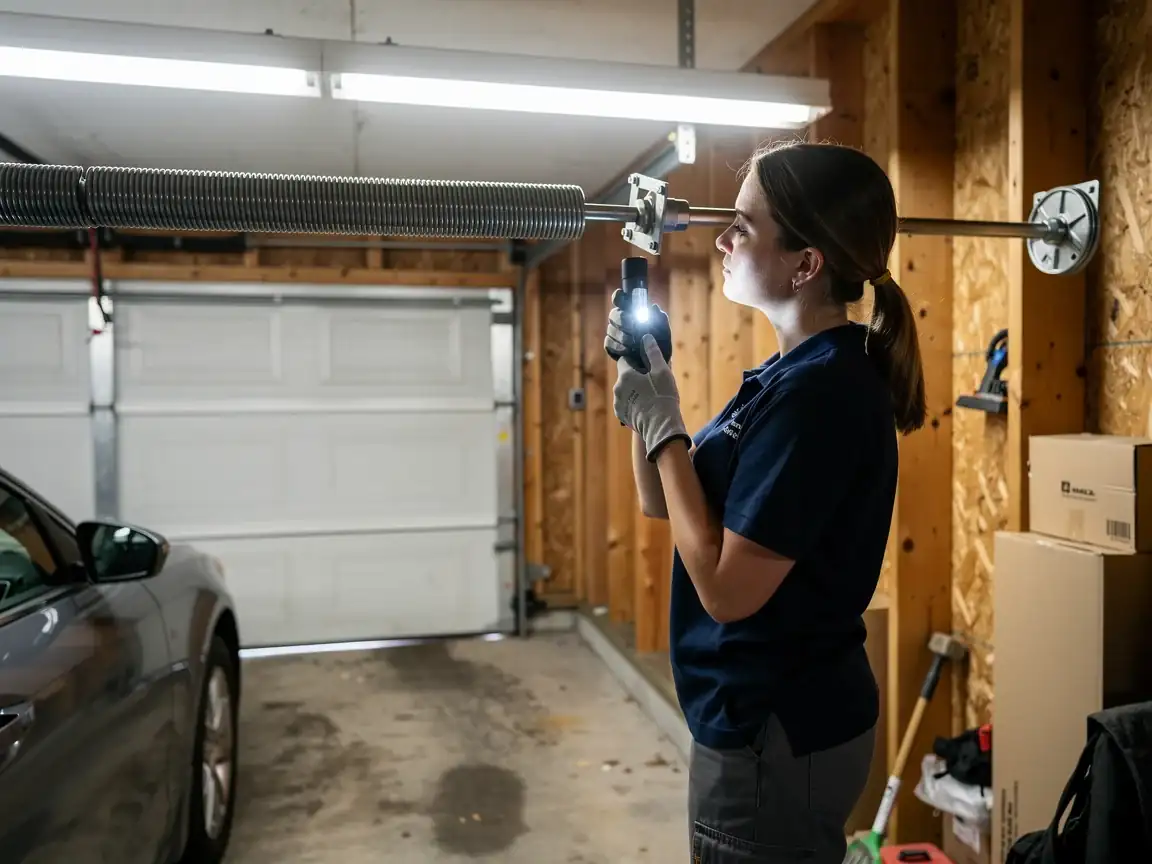
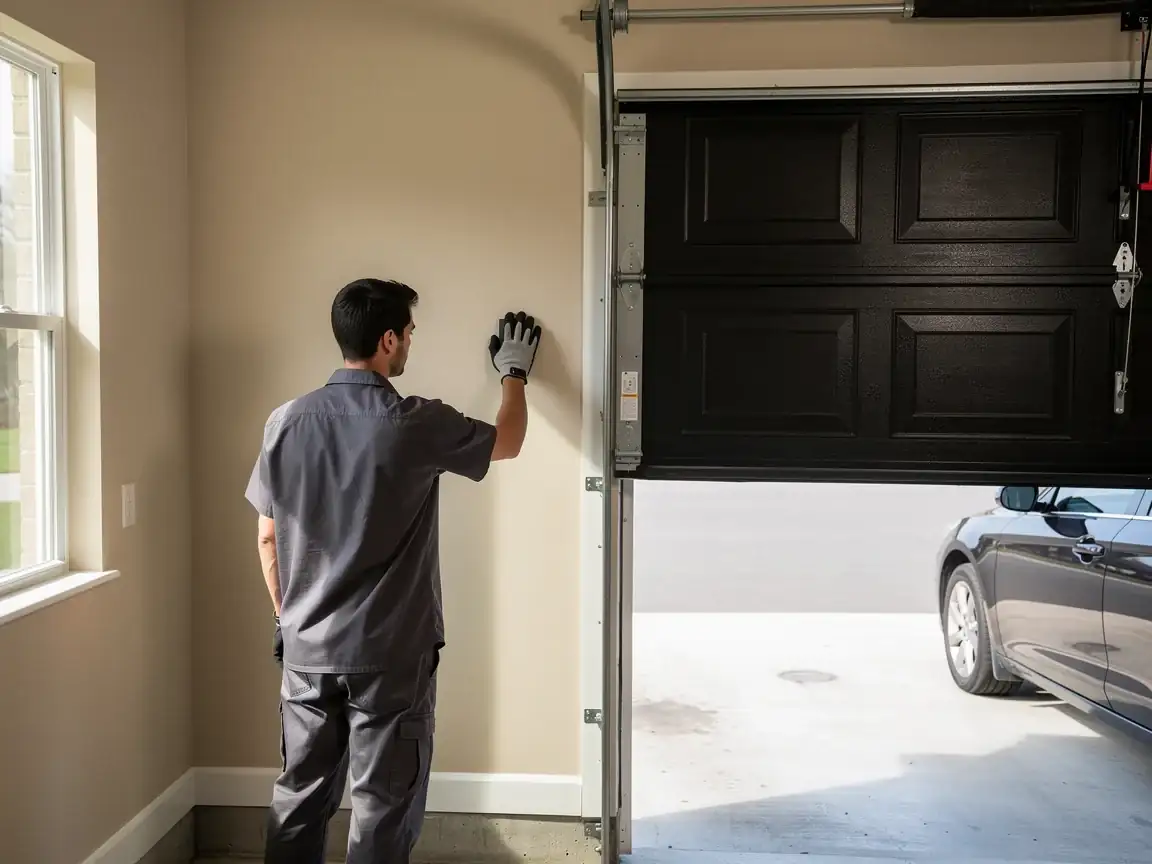
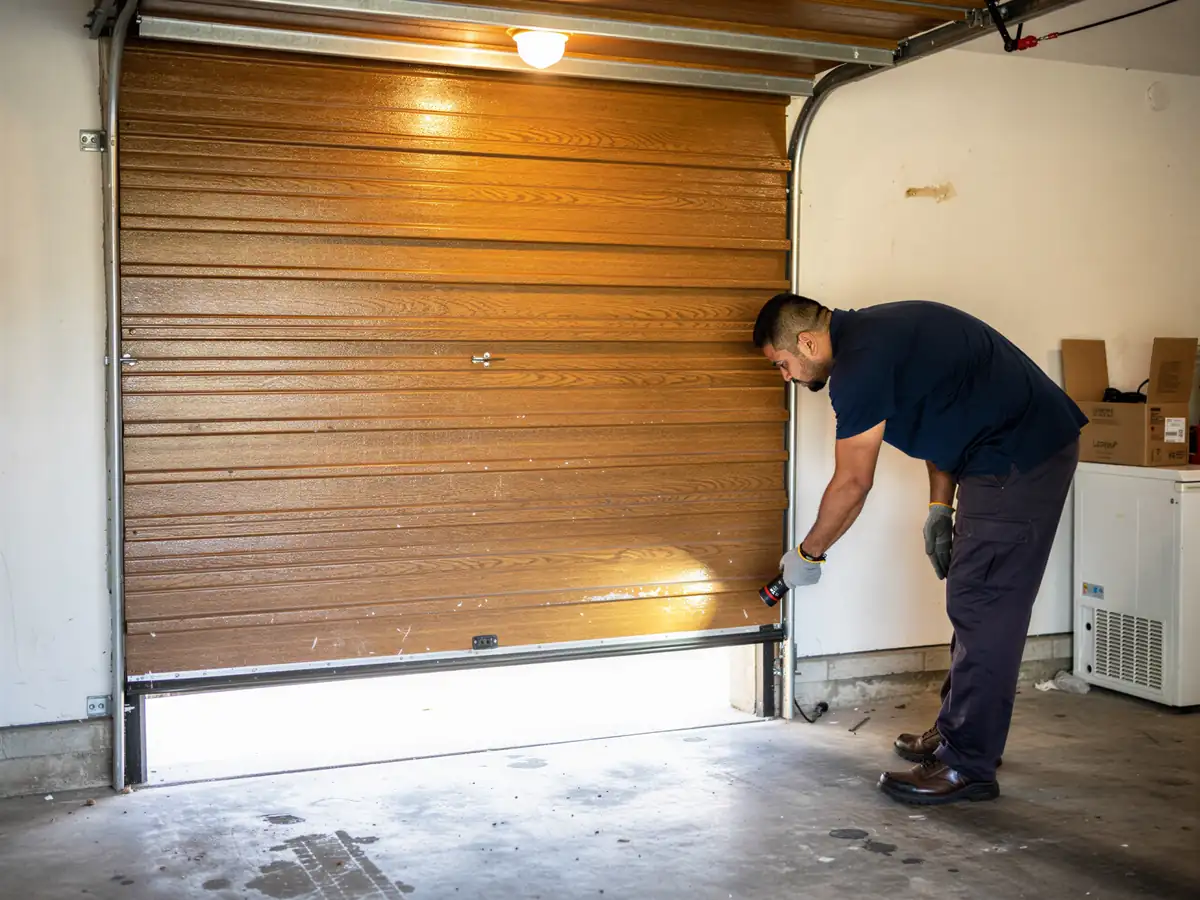
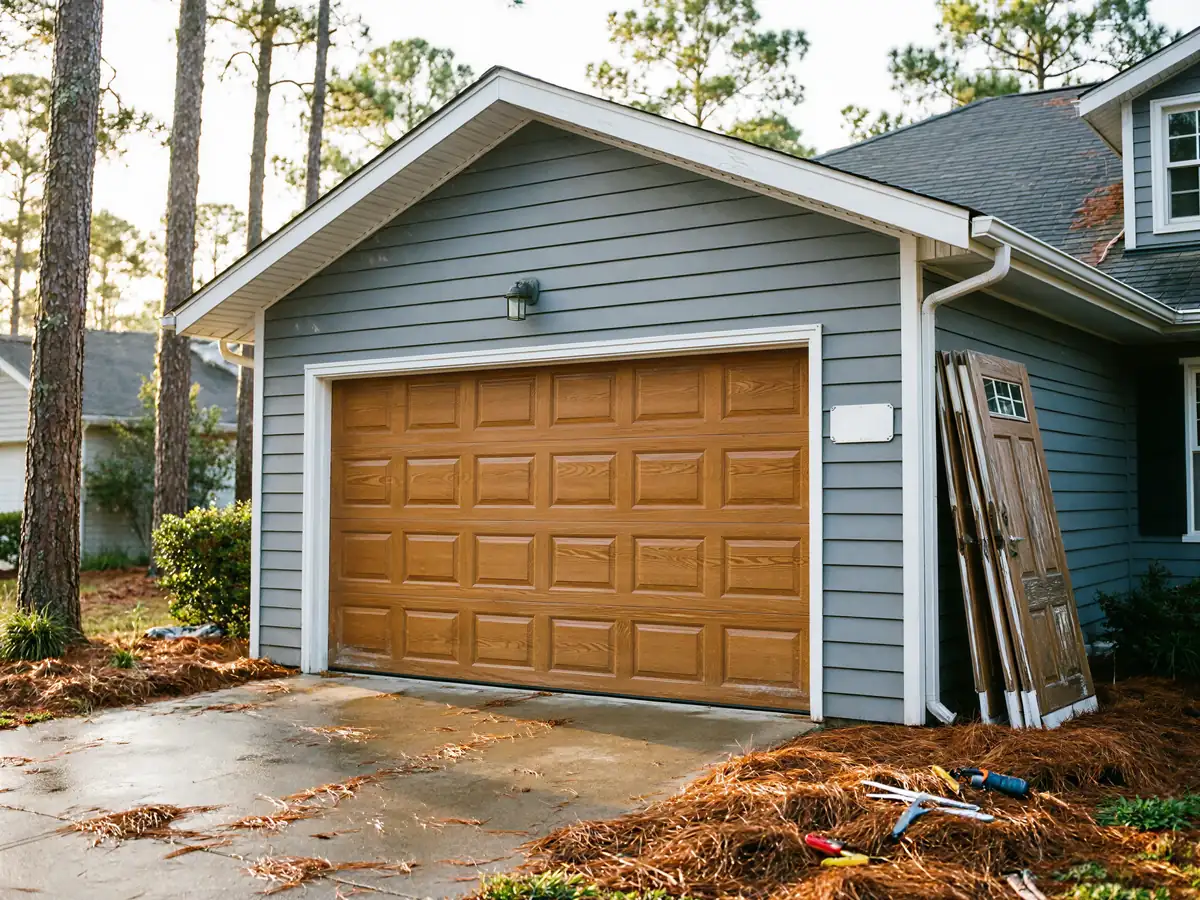
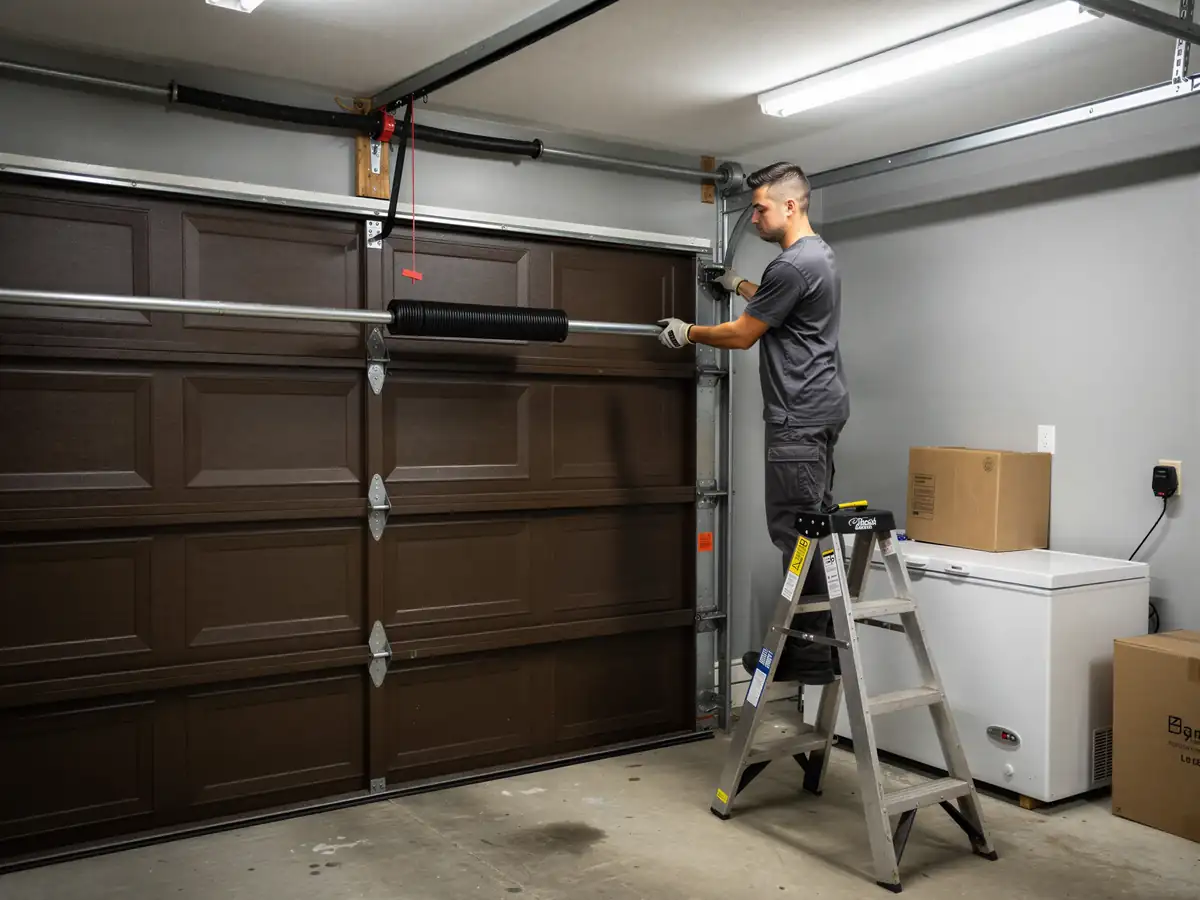
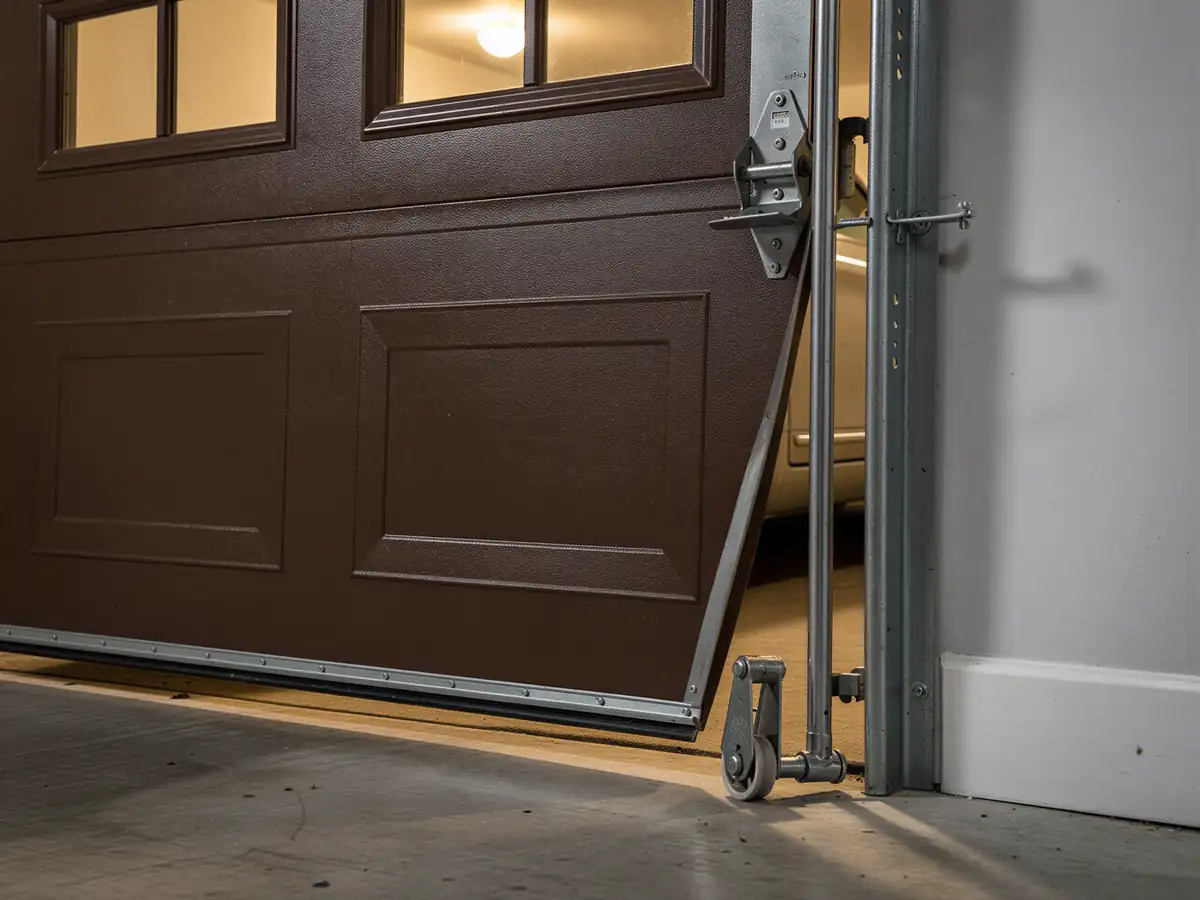
Five Forks is a small place as these suburbs go - about 6,442 households, which means we're not running dozens of off-track calls a week out here the way we might in a bigger pocket of the service area. When we do get called, it's usually one of a few things. A roller jumps the track when a cable snaps or a spring goes, and the door tips sideways in the opening. Sometimes a track bracket works loose from the framing and the whole rail shifts a half inch, which is enough to throw rollers out on every cycle. Newer builds out here - most of this area went up well after 2000 - tend to have factory steel track that's still true, so when a door comes off here it's rarely the track itself that's bent out of shape. More often it's a backed-out lag screw, a roller that's worn through its tread, or a spring that let go unevenly and yanked one side of the door down. The door looks the same as an older one that's off-track, but the fix starts from a different place because the hardware underneath hasn't had decades to loosen or corrode.
Parts We Carry
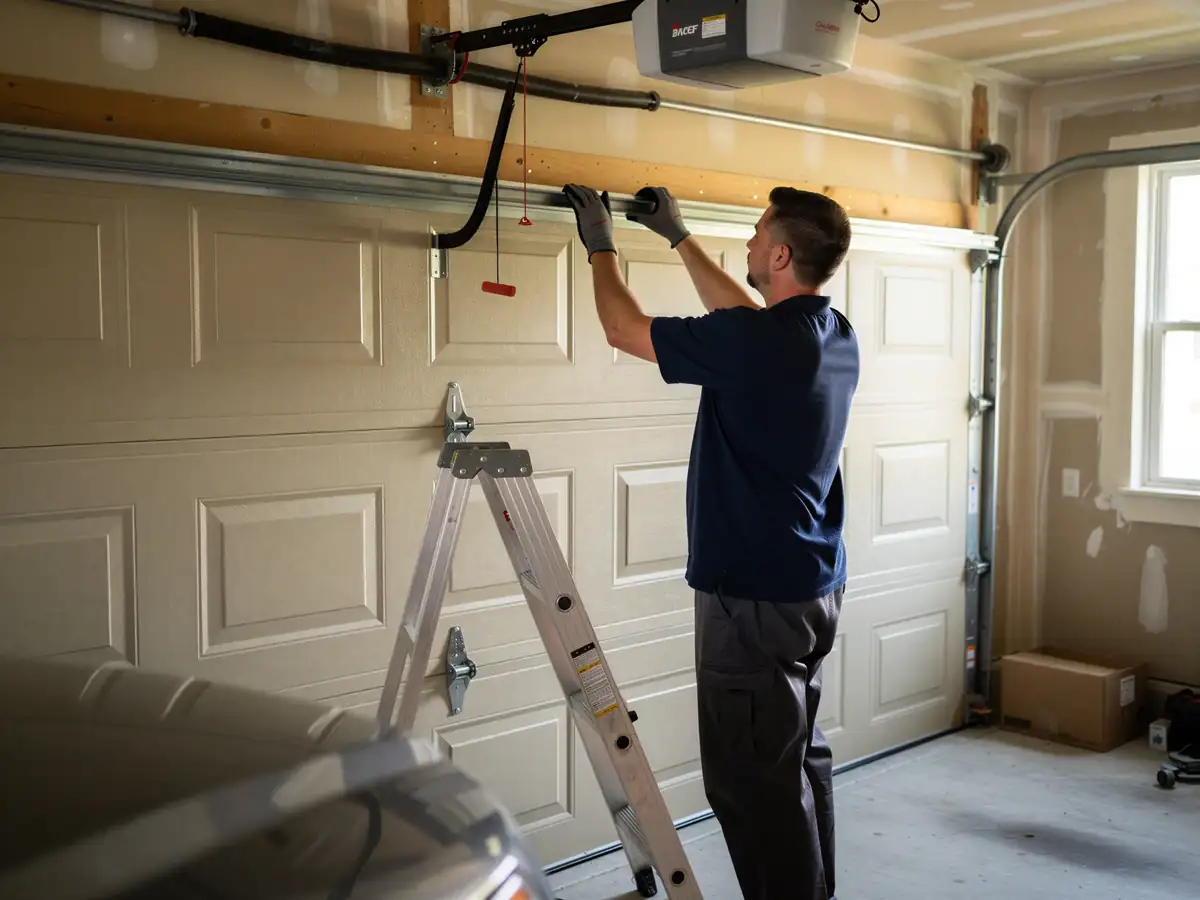
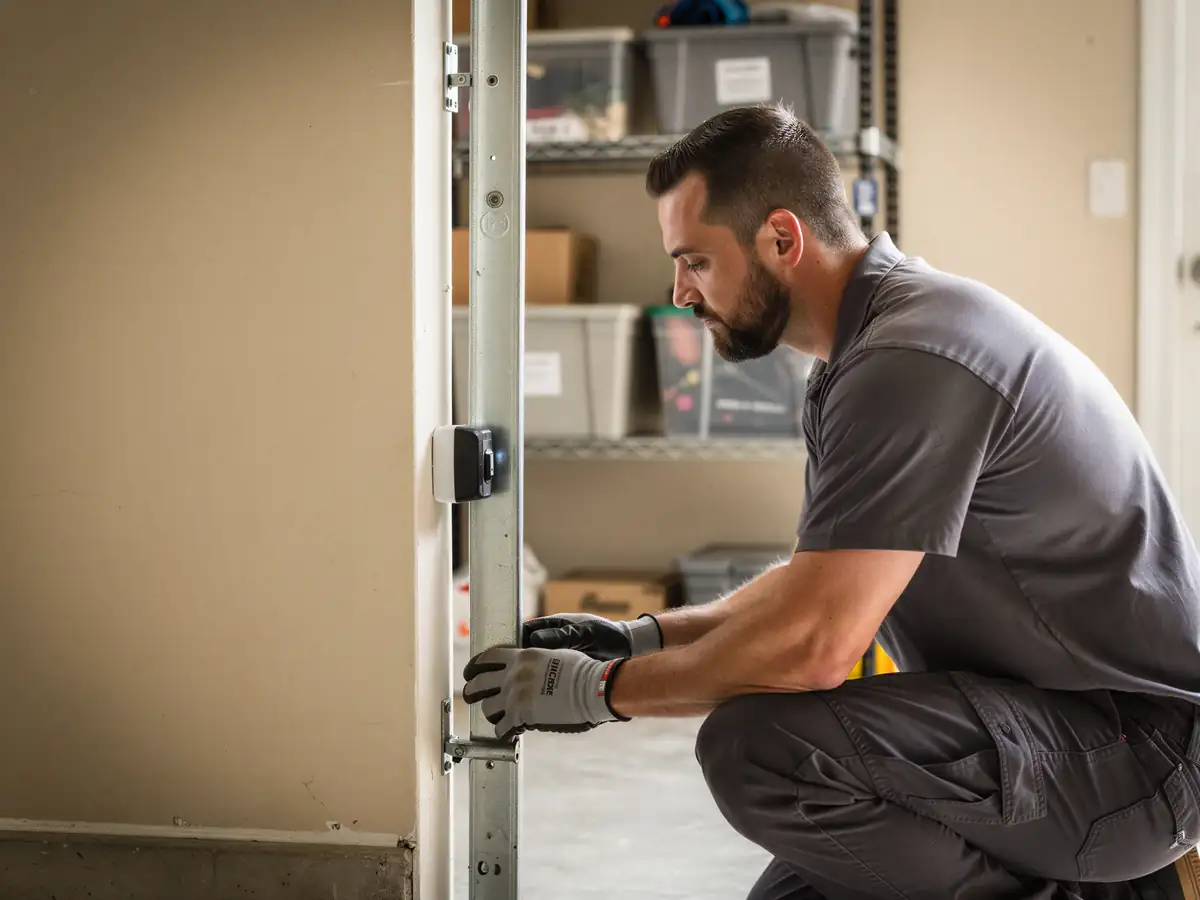
We keep the roller sizes, track sections, and cable gauges that match the double and single-car doors common to construction from the late 1990s through the 2000s, which covers most of what's built out this way. Nylon rollers are the standard swap now - quieter, and they don't develop the flat-spot wear that steel rollers get over time. We also carry replacement end bearing plates and the lag hardware that holds track brackets to the jamb, since a stripped-out screw hole is as common a cause of a wandering track as anything else. What we don't stock on the truck is track for older low-headroom setups or odd foreign-brand doors - that's a special-order part, and we'll tell you the lead time up front rather than make you wait around guessing.
What Causes It Around Here
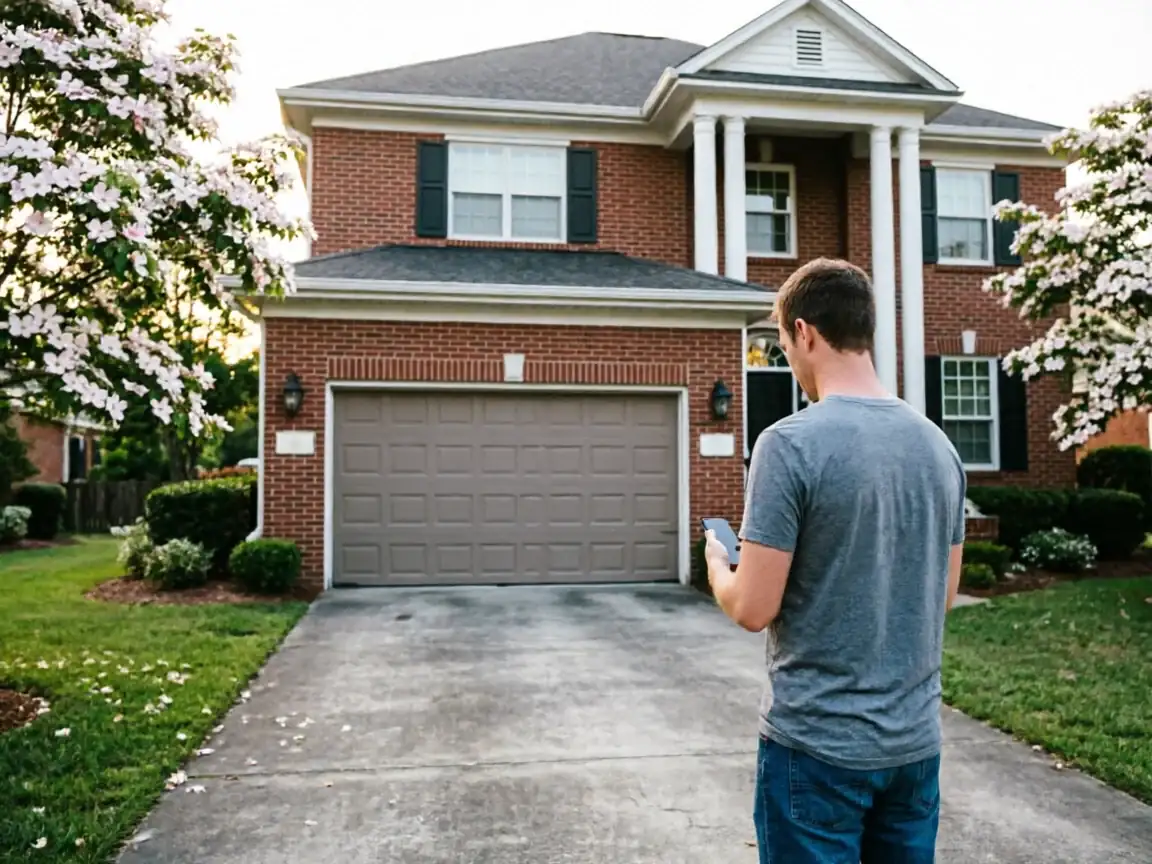
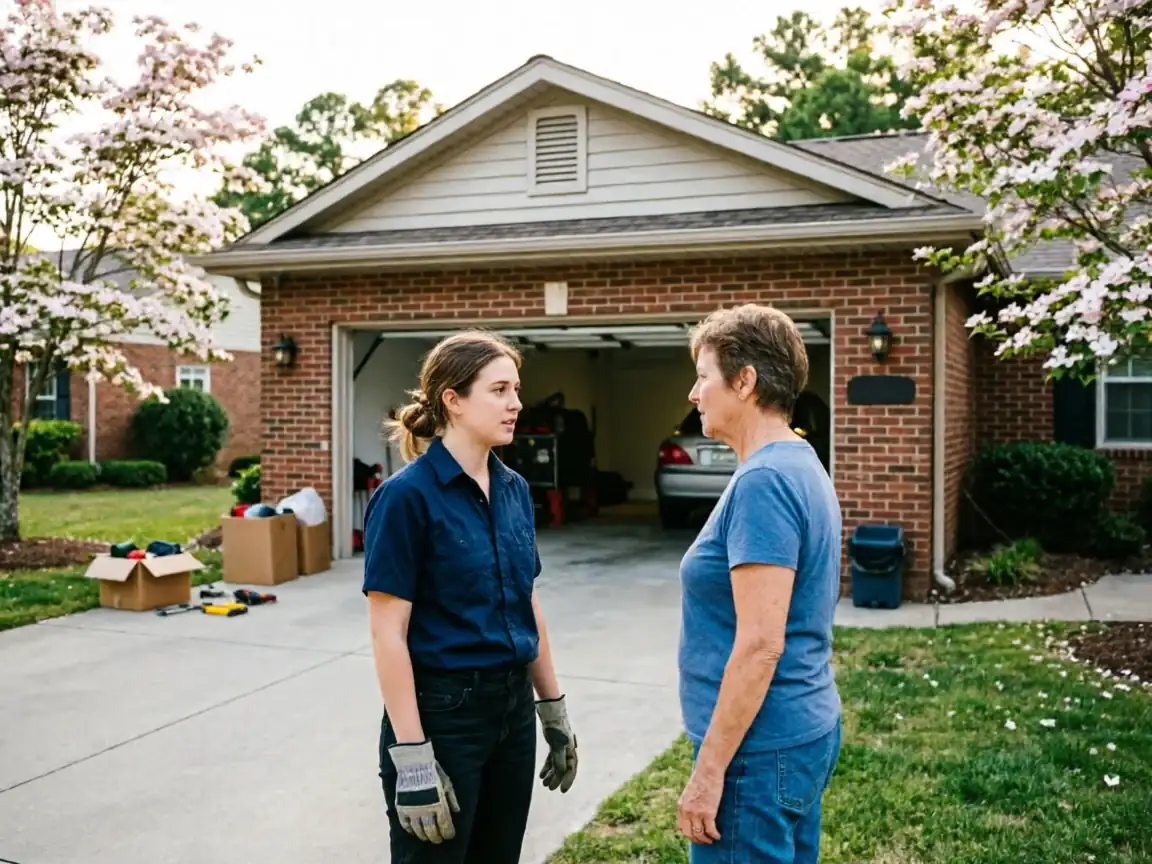
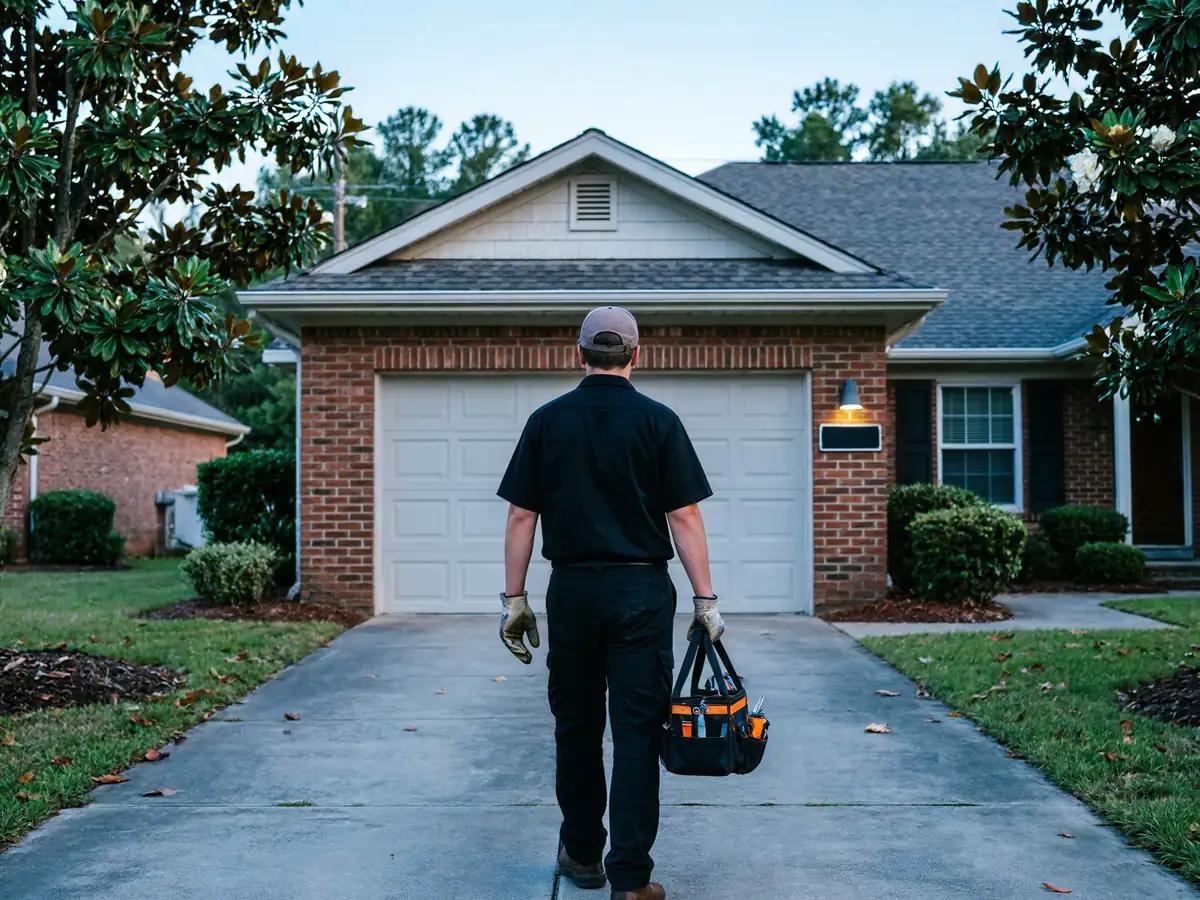
The climate here is the cold-moderate band typical of the upstate - not brutal, but enough freeze-thaw swing through winter that metal fatigues over the years, cables stretch a hair, and brackets work loose faster than in a true warm climate. Combine that with housing stock that leans newer - Five Forks sits closer to a 2003 median build year than the 1983 median you'd find across the wider Greer service area - and what you get is less rust-driven failure and more mechanical wear: a worn roller, a bracket backed out of newer but still wood-framed construction, a cable that's seen one too many freeze cycles. It's an 8-mile run out from Greer for us, so we're not based in Five Forks itself, but the pattern of calls out here is consistent enough that we know what we're usually dealing with before we pull into the driveway.