What Can Go Wrong
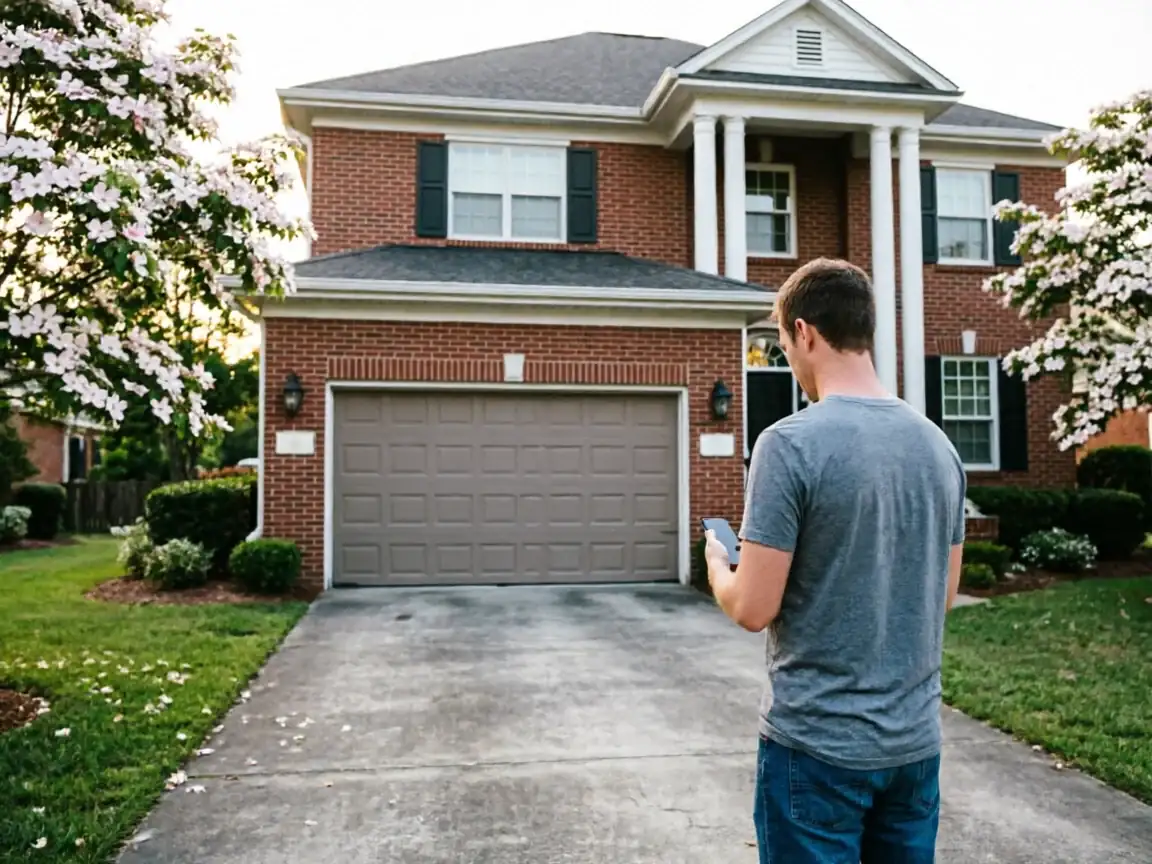
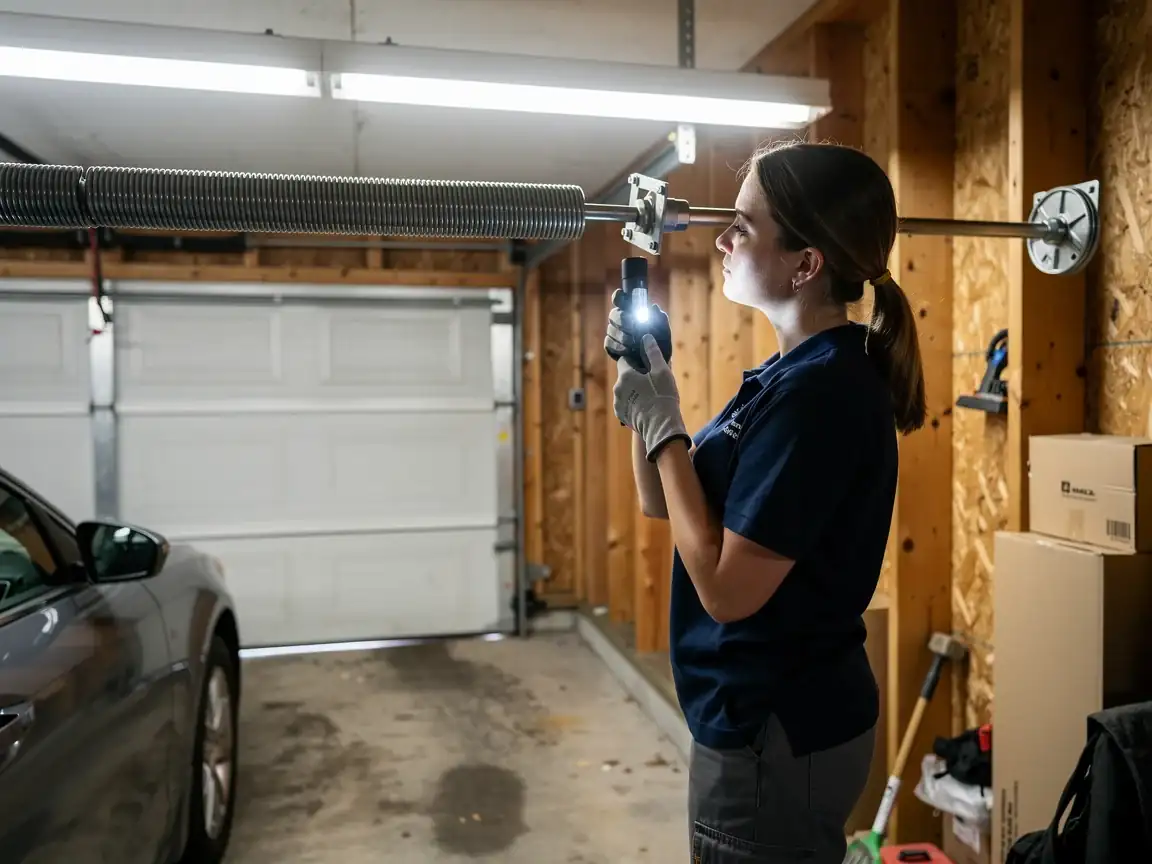
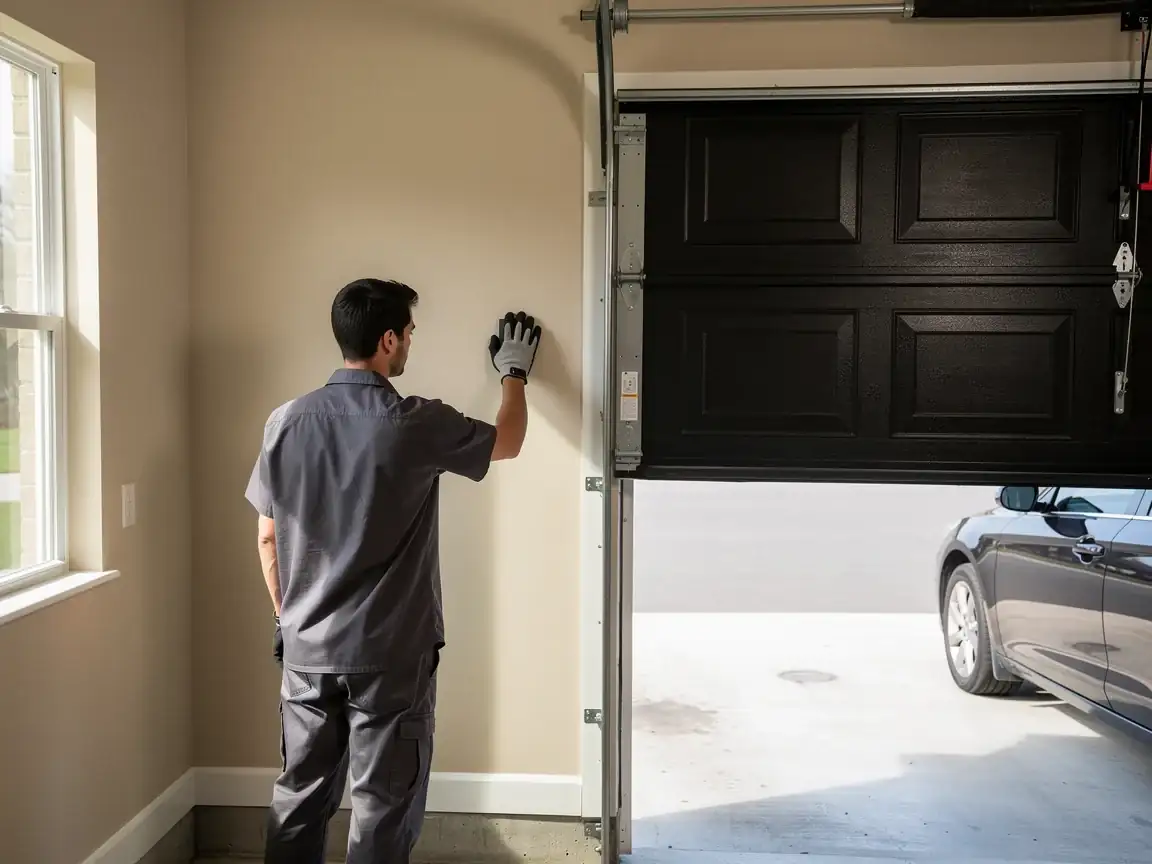
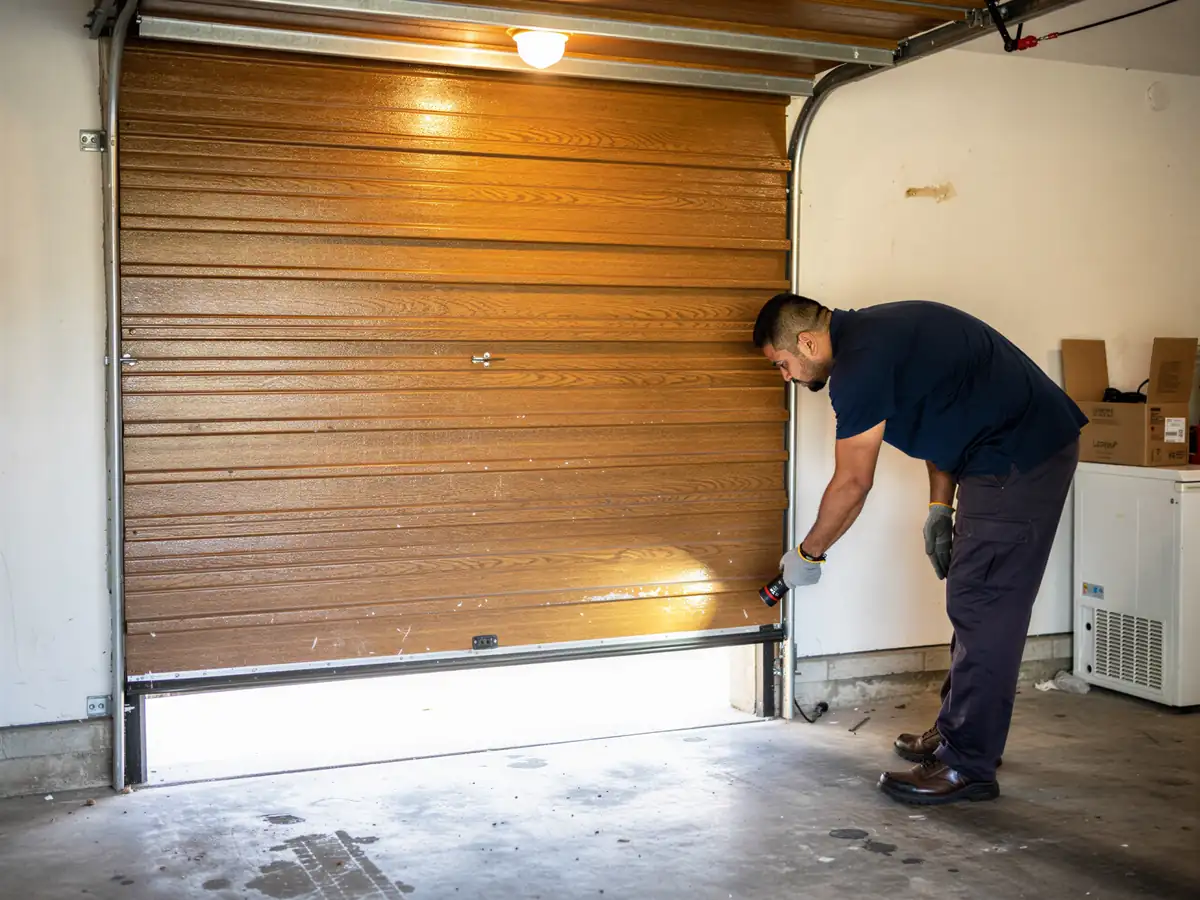
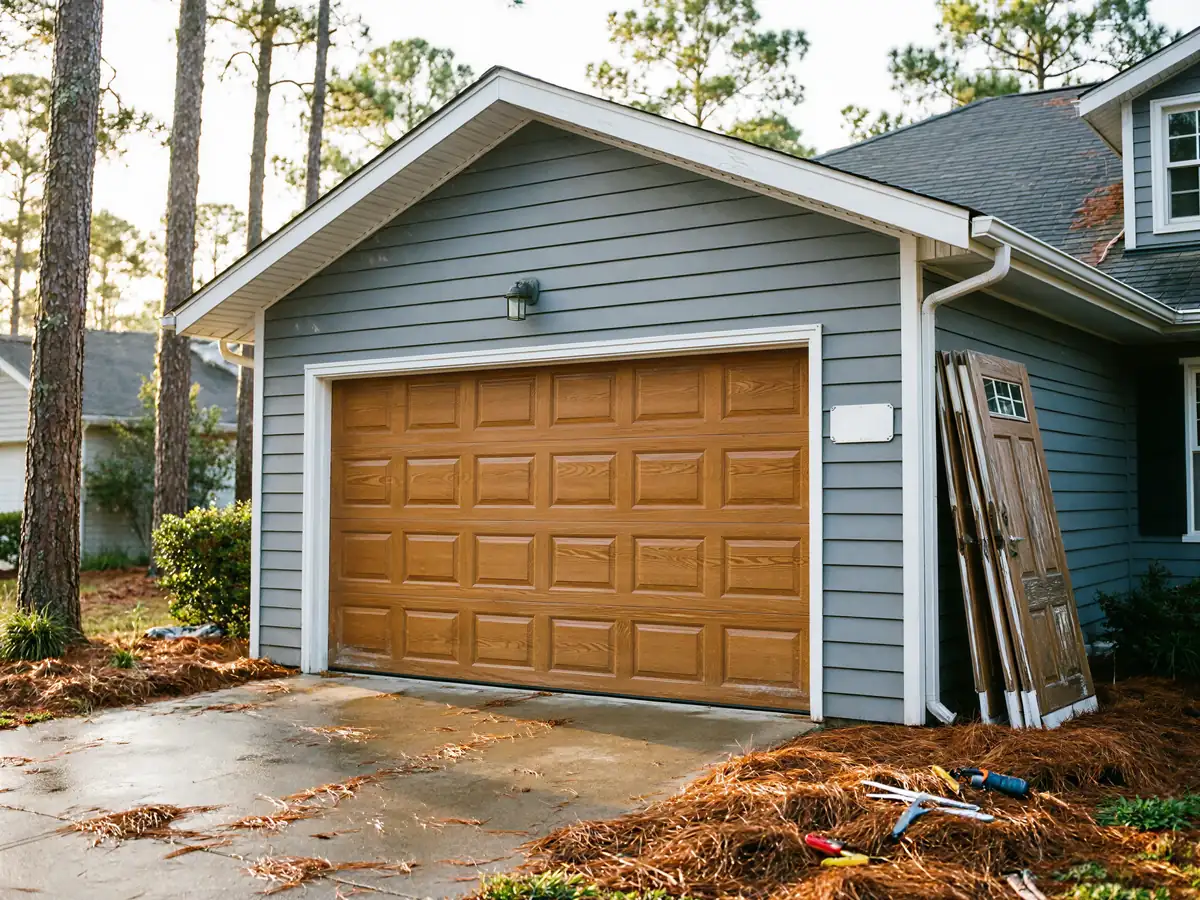
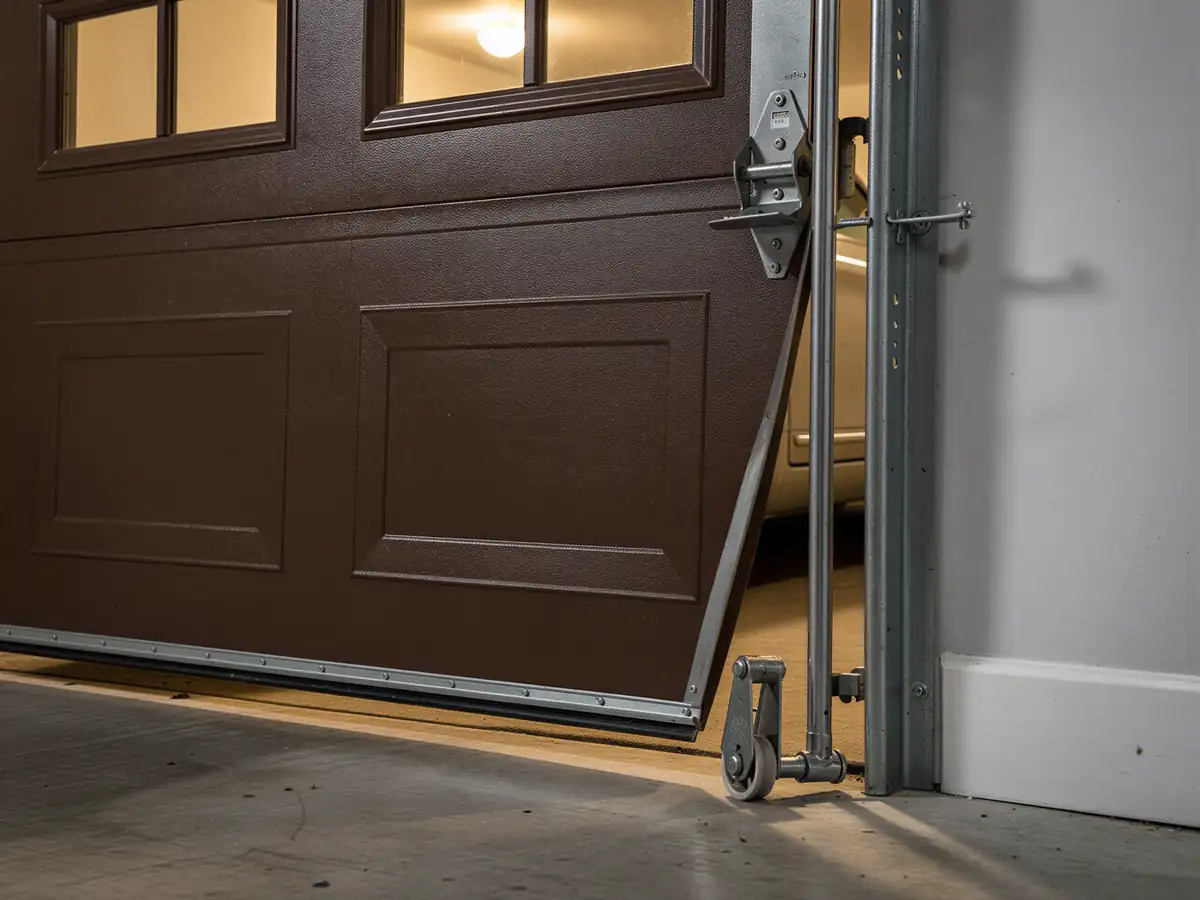
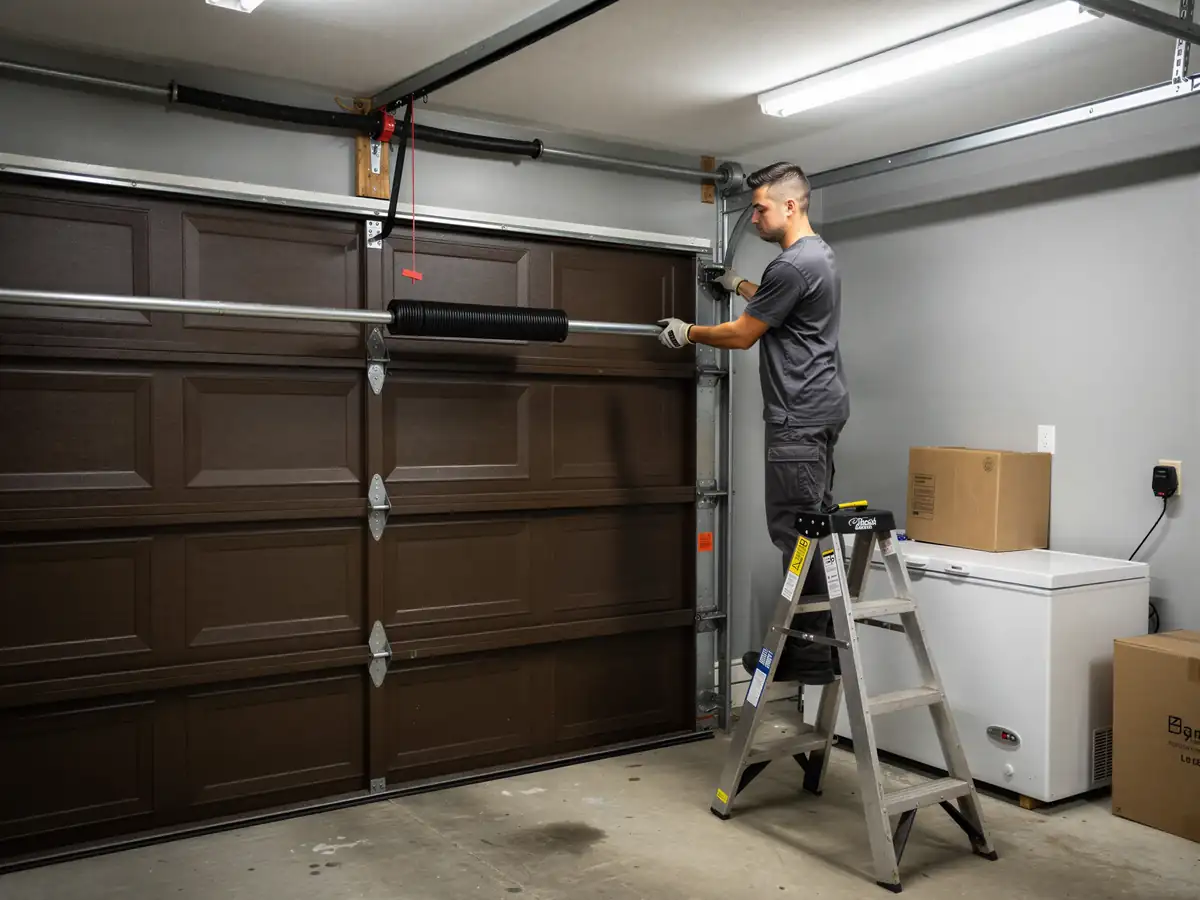
Greer's housing stock as a whole spans 1938 to 2013 with a median build year of 1983, but Five Forks skews much newer - most of what's out here went up closer to 2003. That twenty-year gap matters for springs. A door from the early 1980s often still has its original torsion spring, sagging and undersized for the door weight by now. A door from 2003 usually has a factory-matched torsion spring that was sized correctly on day one, so when it fails, it's wear and cycle count catching up with it, not a mismatch. The failure still looks the same from the outside - the door won't lift, or it drops fast when the cable catches a worn spring mid-coil - but the cause and the fix lean different. We also see more double-car doors on these newer builds, which means two springs instead of one, and if one goes, the other usually isn't far behind. A door that lifts unevenly on one side, or that bangs down the last foot of travel, is telling you a spring is losing tension, not that the opener is failing.
Parts We Carry
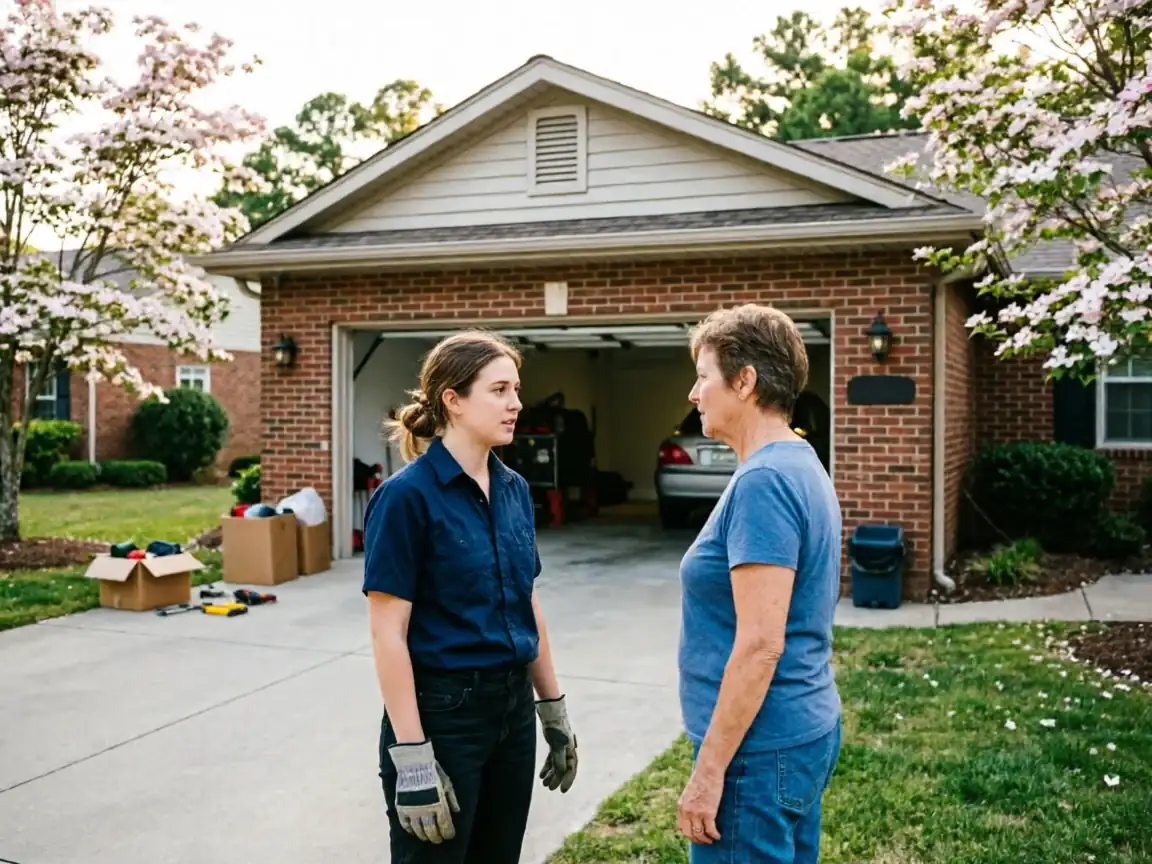
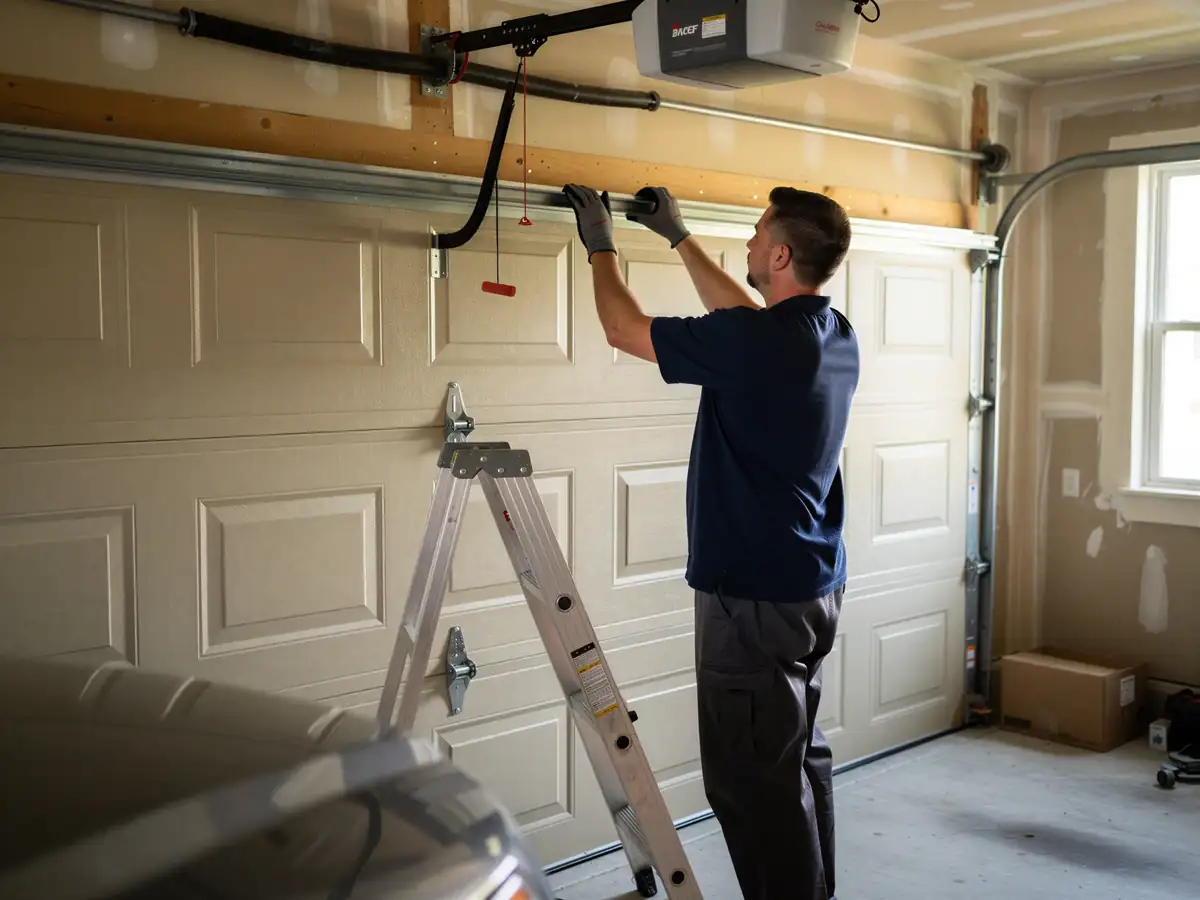
We stock standard torsion springs in the sizes that cover most single and double garage doors, plus the safety cables that run through the spring in case it ever snaps under tension. What we don't keep on the truck is every oddball size - a heavier insulated door, which shows up more on newer builds with higher household incomes like this stretch of the service area, can need a spring built to its specific weight and drum size, and that sometimes means a short order wait rather than a same-visit swap. We'll tell you straight if your door is one of those instead of pretending we've got it in the van.
What Causes It Around Here
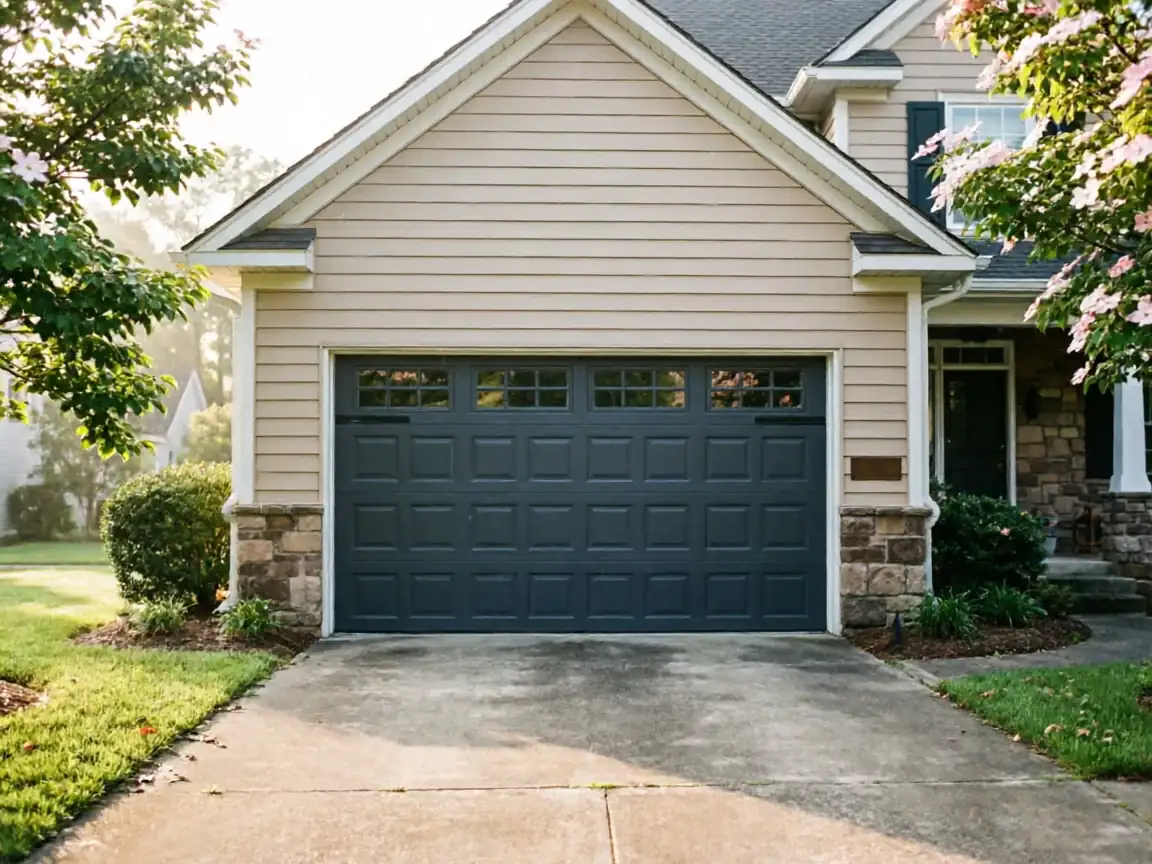
Five Forks households report a median income well above the wider Greer service area's $55,671, and that tracks with what we see on these doors - more insulated steel sections, more double-door garages, heavier doors overall. Heavier doors put more steady load on a torsion spring over the years, so even a newer spring on a newer build can wear out from pure cycle count rather than age. The service area overall runs about 97,161 households against roughly 48,742 owner-occupied houses, and Five Forks' own household count of 6,442 is a small, newer slice of that - which is part of why the springs failing here don't match the pattern you'd expect on an older block of Greer.