What Can Go Wrong
Five Forks households run a median income around $140,668, well above the $55,671 median across the wider Greer service area. That gap matters for one reason: it changes where the repair-or-replace line falls. A homeowner on a tighter budget patches a dying opener - a new logic board, a new sensor - and keeps going another few years. At Five Forks income levels, most people skip that step. If the opener is acting up at all, they're asking about a new unit, not a repair ticket.
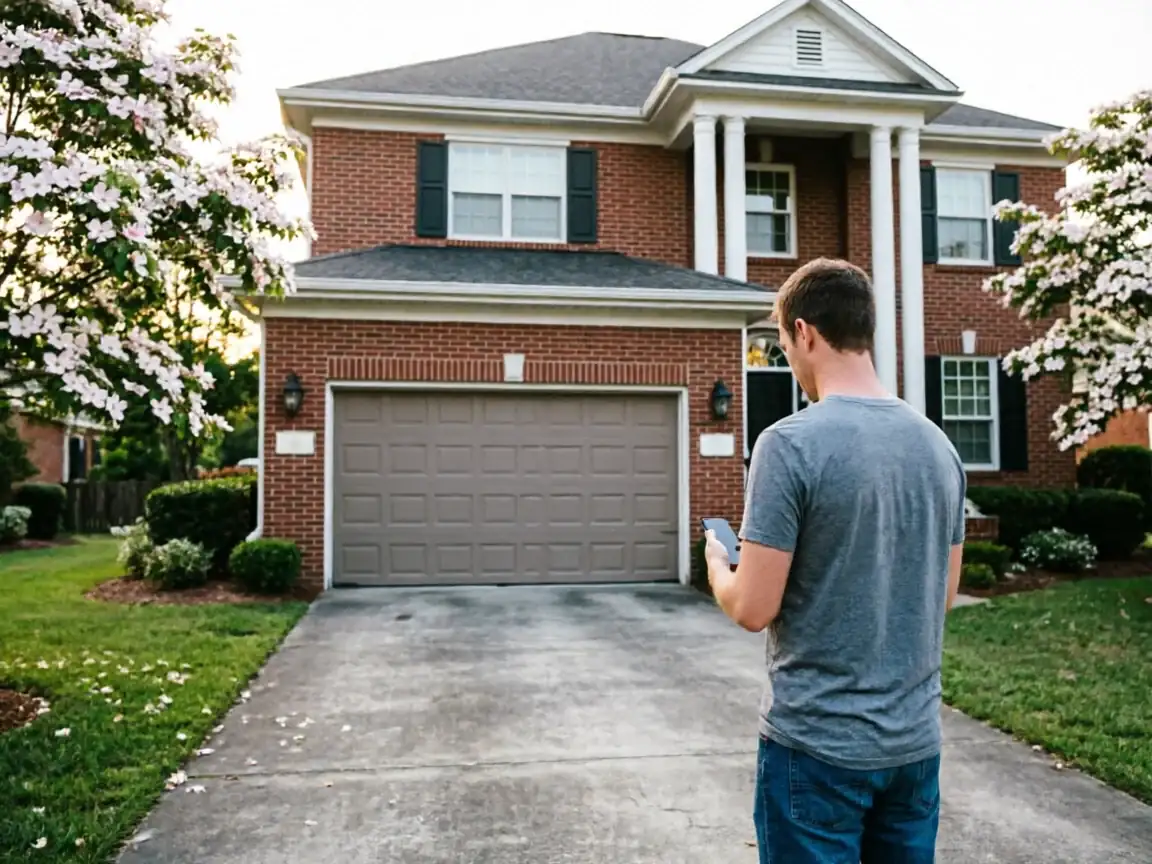
The houses here are also younger than a lot of what we see elsewhere in the territory. Median build year in Five Forks is 2003, compared to a service-area range running from 1938 up through 2013 with a median closer to 1983. That means most openers going bad right now are first-generation chain or belt-drive units from the early 2000s - pre-Wi-Fi, pre-rolling-code-refresh, with keypads that have worn out and circuit boards that just stop taking a signal. It's not a structural problem. It's an electronics problem, and it's reaching the end of its life at the same time across a lot of driveways built in the same few years.
What the Fix Involves
Swapping an opener on a 2003-era door is usually straightforward because the track and header clearance were built to a standard that's still common
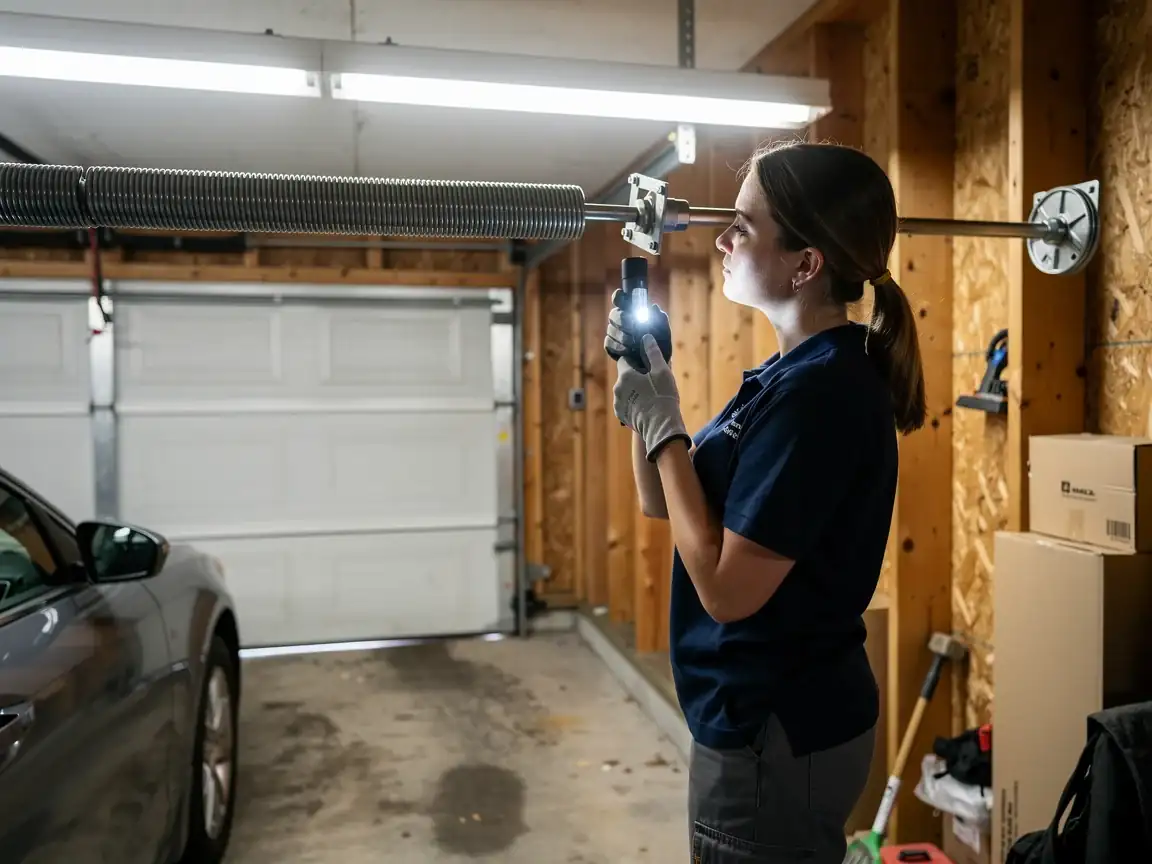
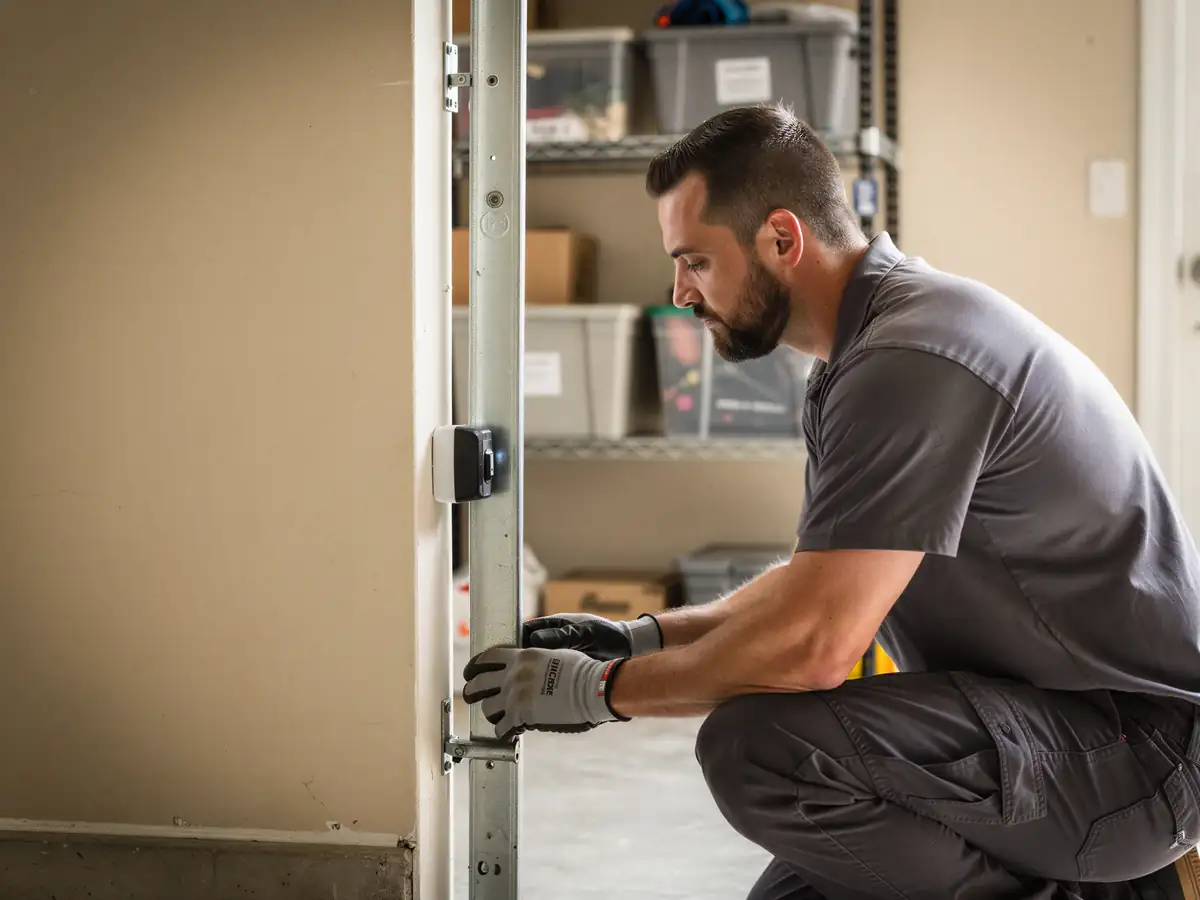
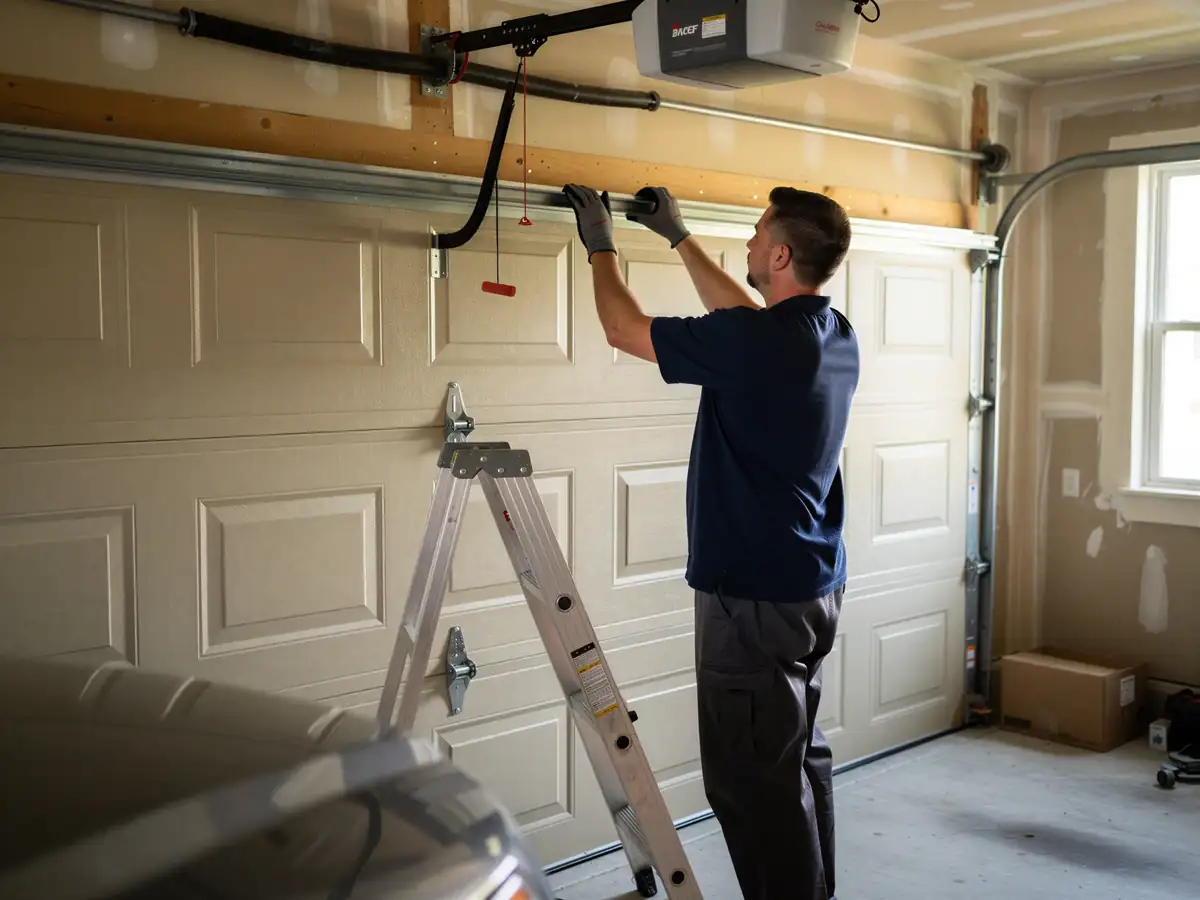
We pull the old unit, check the rail length against the new motor head, and confirm the door's spring is still carrying its share of the weight - an opener should never be doing the lifting a spring is supposed to do. If the spring is tired, we say so before we hang a new motor on a door that's fighting it.
We set the travel limits, pair the remotes and keypad
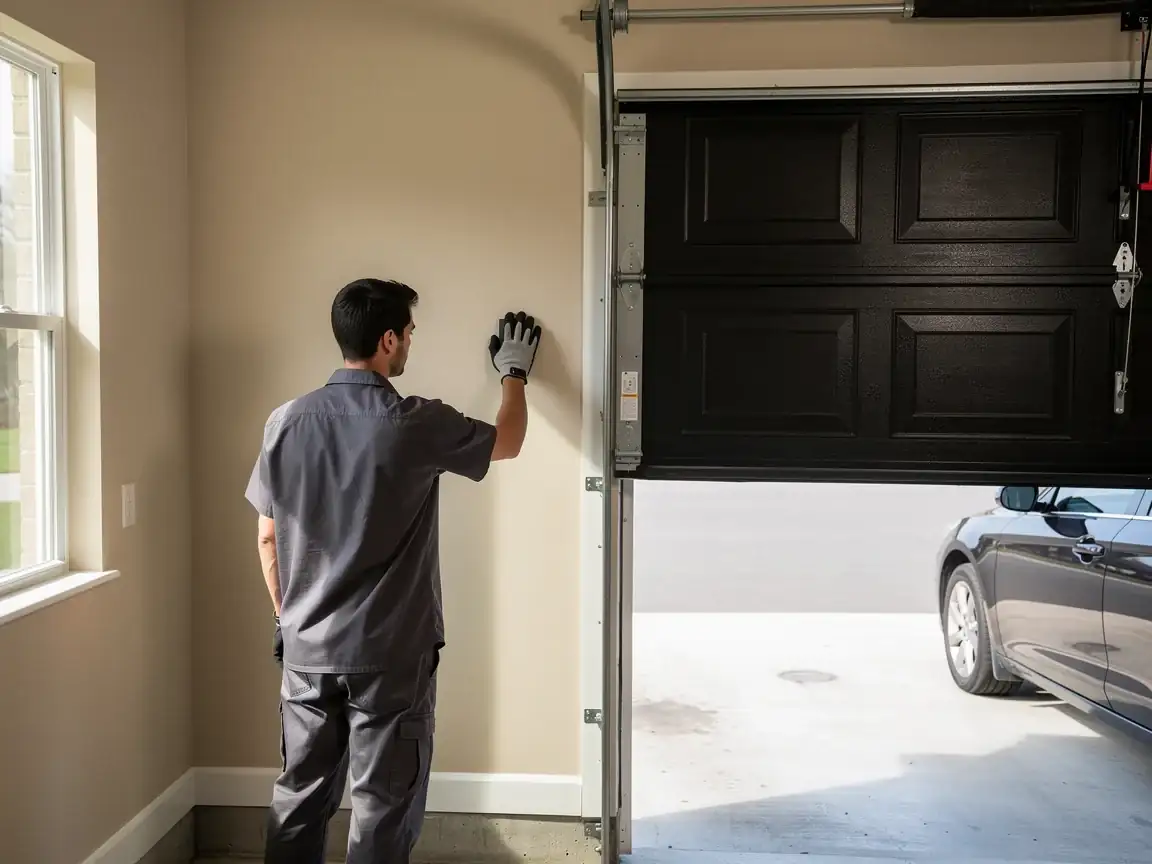
And test the safety reversal sensors since those are the part most likely to have drifted out of alignment on an older bracket. For a Five Forks install, the honest limitation is this: we don't stock every proprietary remote or wall console on the truck, so if a homeowner wants to match a specific smart-home system exactly, that part sometimes has to be special-ordered rather than installed same visit.
Parts We Carry
We carry belt-drive and chain-drive motor heads, standard rail kits, safety sensor pairs, wall consoles, and keypad units sized for the track heights common on homes built in the early 2000s, which is most of what's in Five Forks. Given the income band out here, more of these installs land on mid-to-upper-tier motor units with battery backup rather than the base chain-drive models - not because the older doors need it, but because that's the tier homeowners at this income level tend to choose once they're replacing anyway.
We don't carry every brand's proprietary smart hub on the truck, so a system tied tightly to one manufacturer's app ecosystem may need a part ordered ahead. For a straight motor swap on a standard track, we're usually equipped to do it in one trip from Greer.
What Causes It Around Here
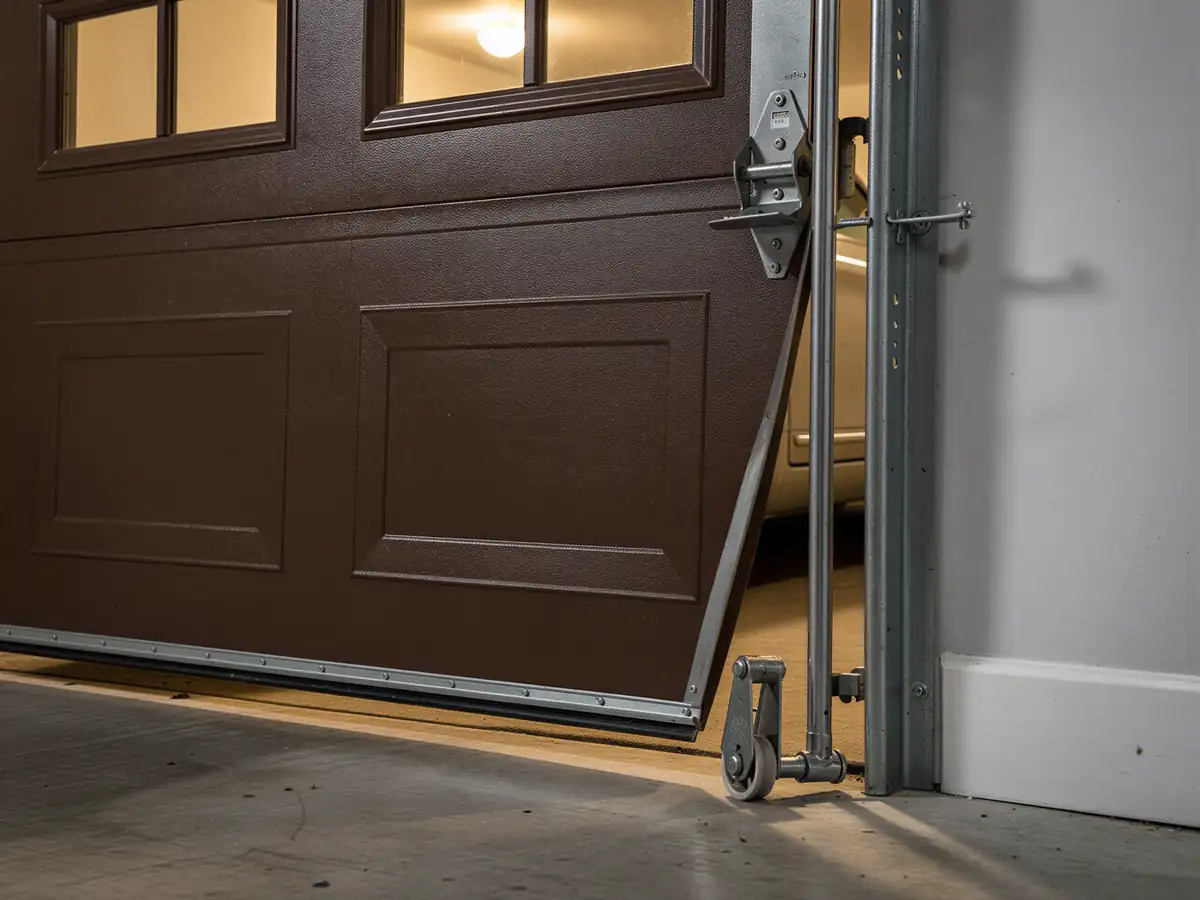
The climate band here is cold-moderate, which isn't brutal but it's enough that a garage sitting through winter mornings puts real strain on an opener's gears if the door itself has any drag in the track - cold grease thickens, and a motor built for smooth summer operation starts working harder on frosty mornings. On a house from 2003, that opener has had twenty-plus winters of that cycle.
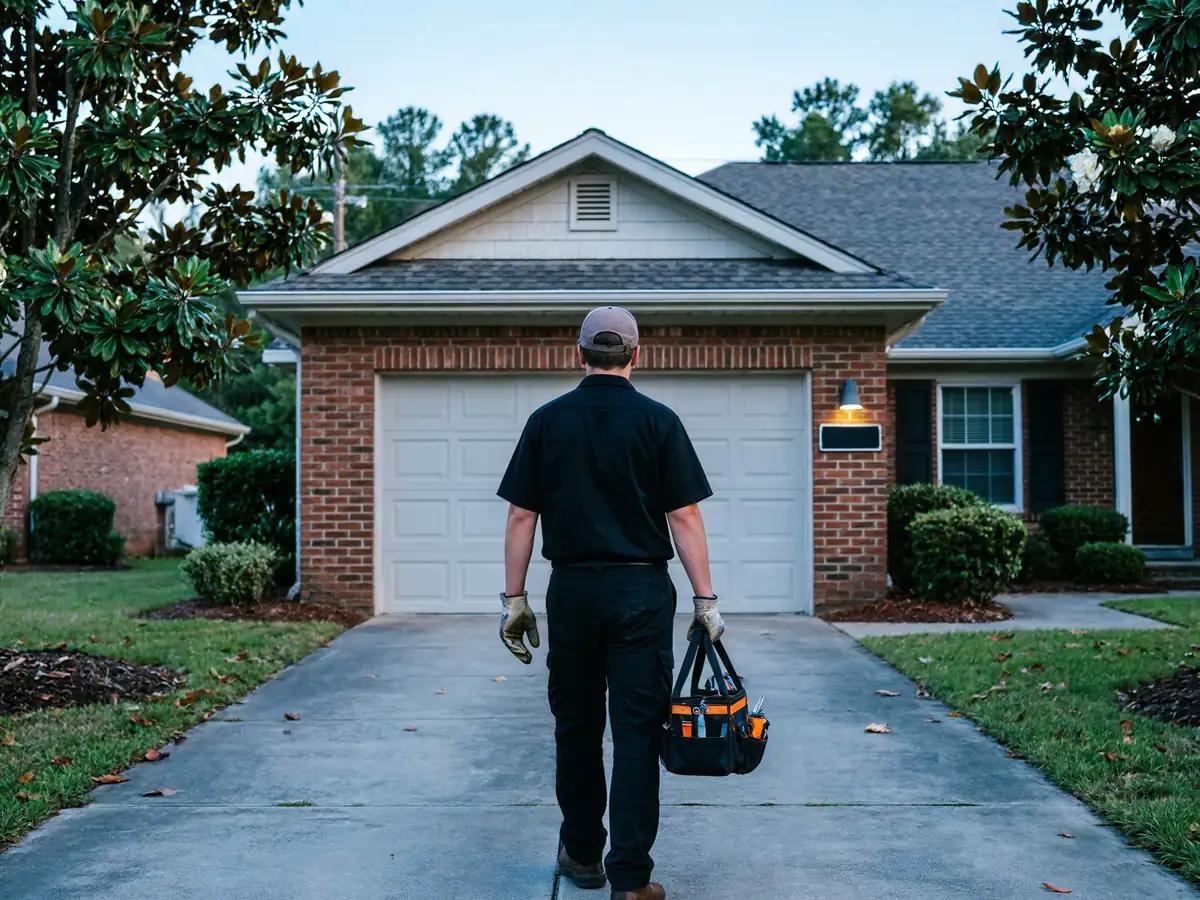
Five Forks sits about 8 miles from Greer, close enough that we're out here regularly without it changing the math on the job - no separate trip charge baked in for distance, no different crew. The failures we see match the housing stock: electronics aging out on units installed when the house was built, not structural door problems. That's a different repair conversation than we'd have in a neighborhood where the median house went up in the 1950s with original hardware - this is newer stock reaching its first real equipment turnover.