What Can Go Wrong
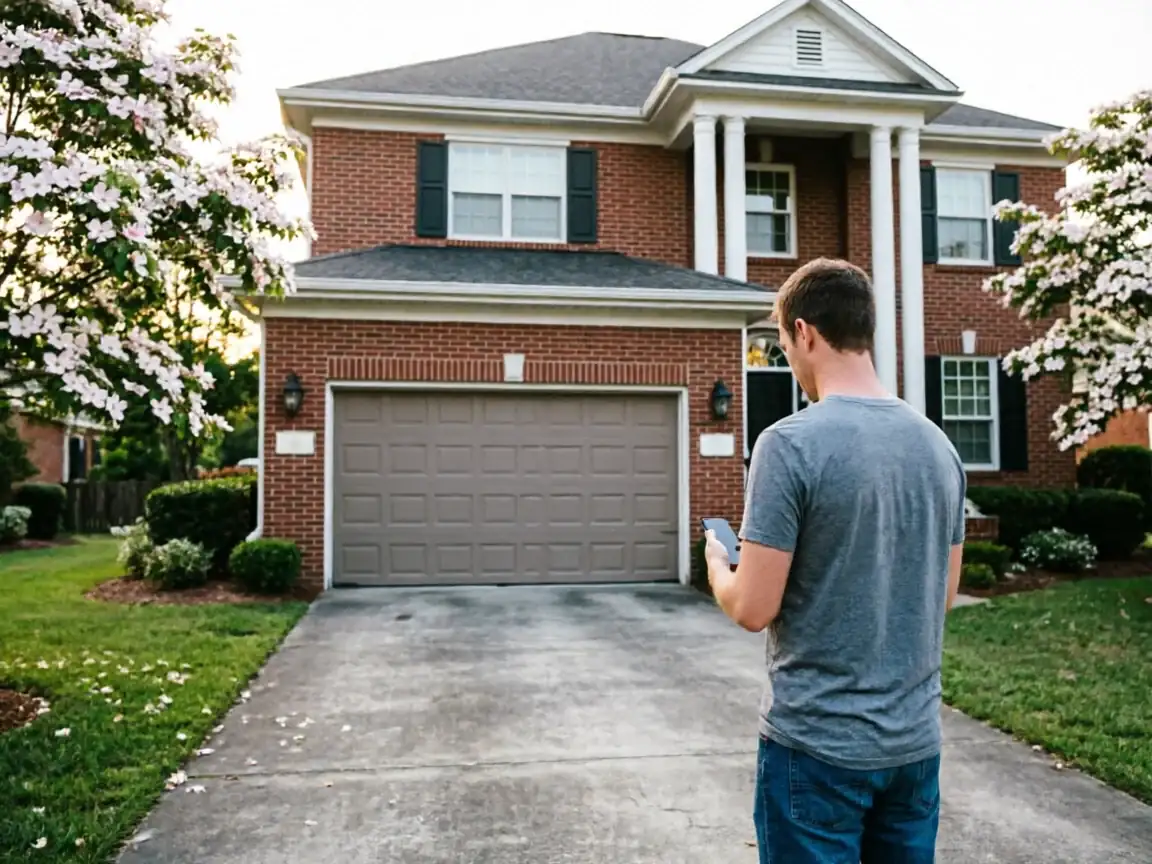
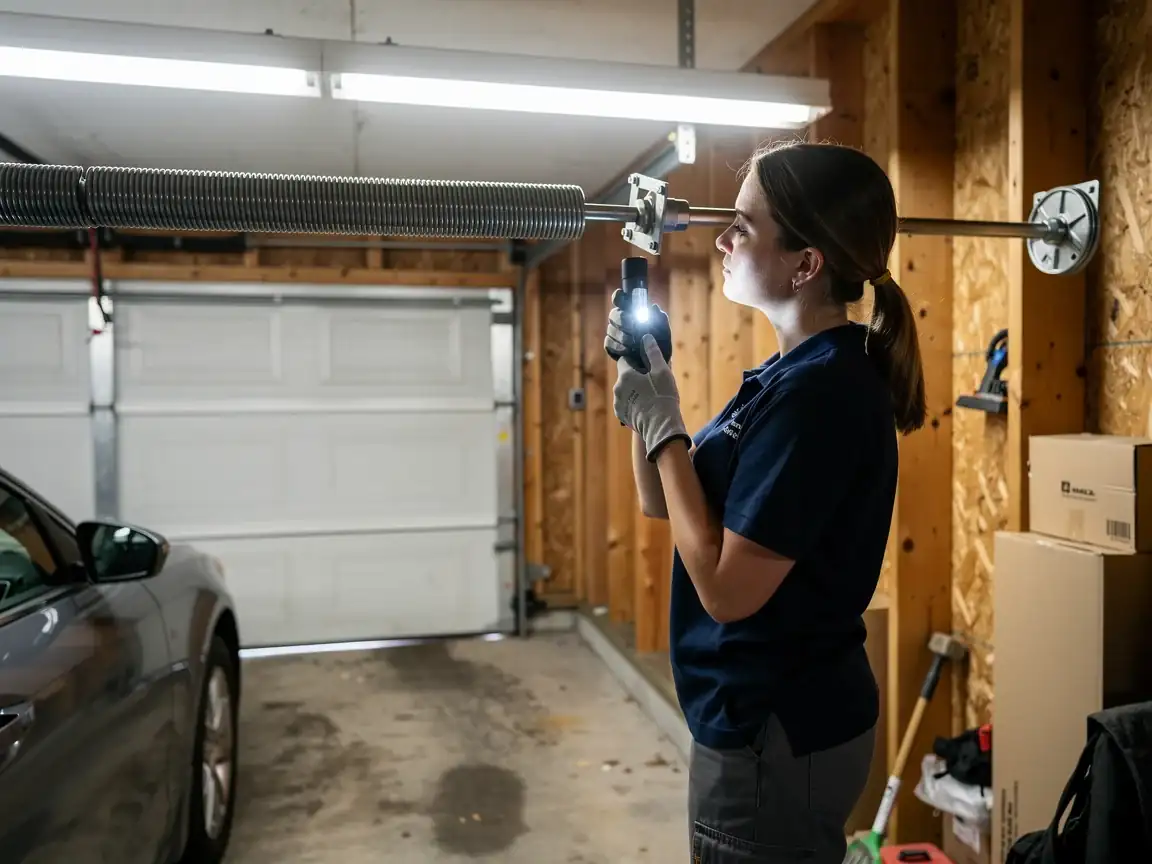
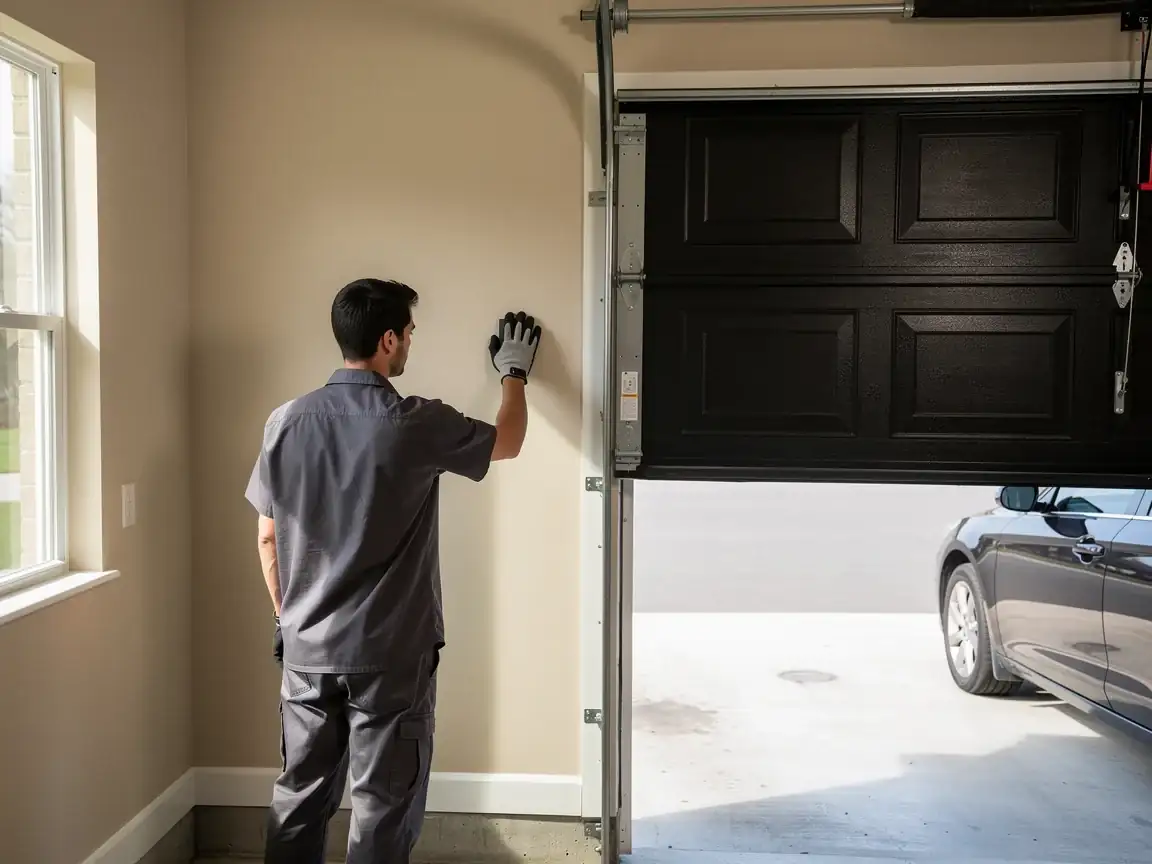
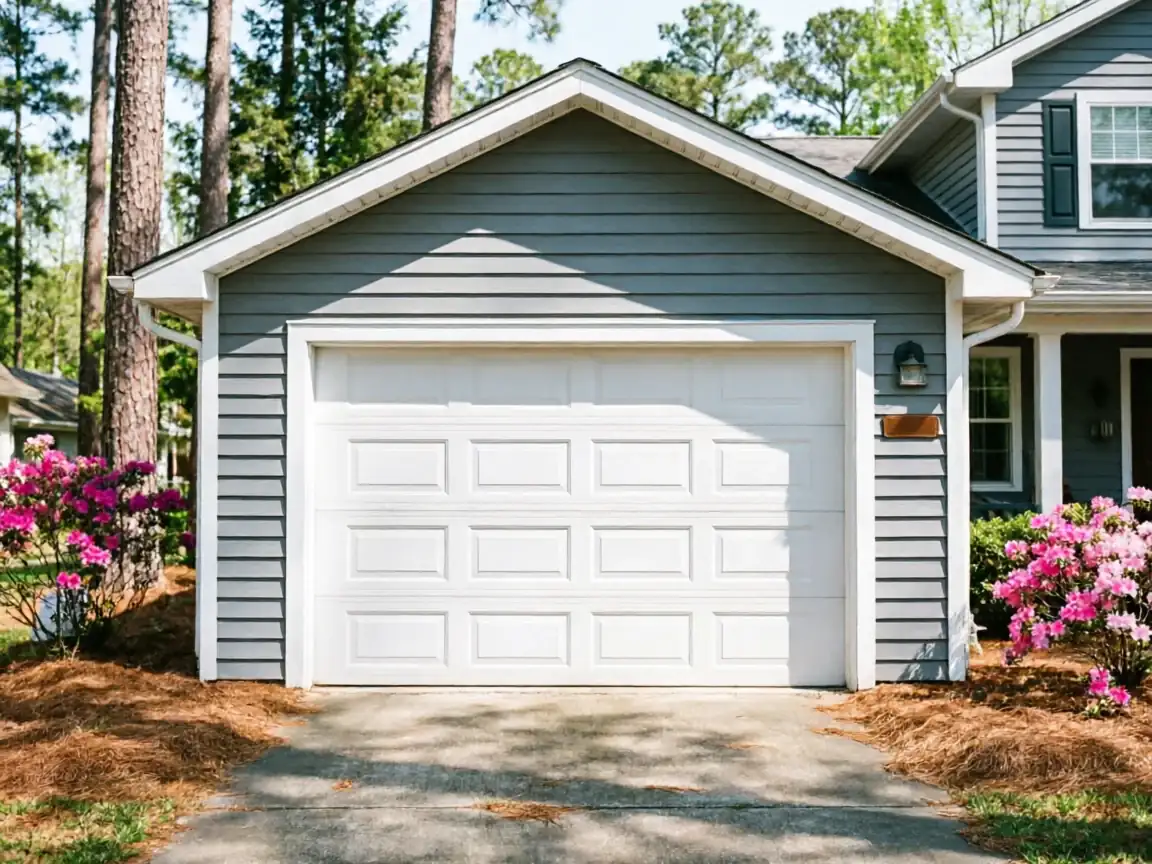
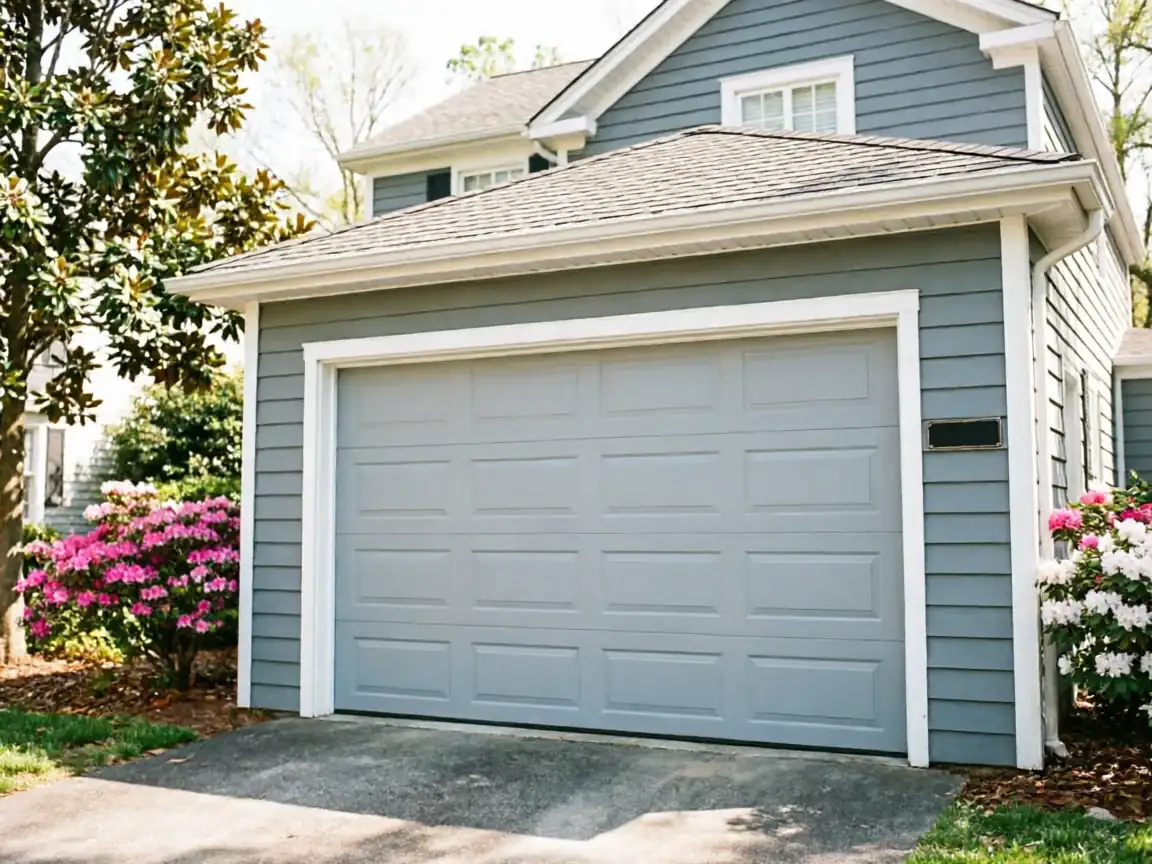
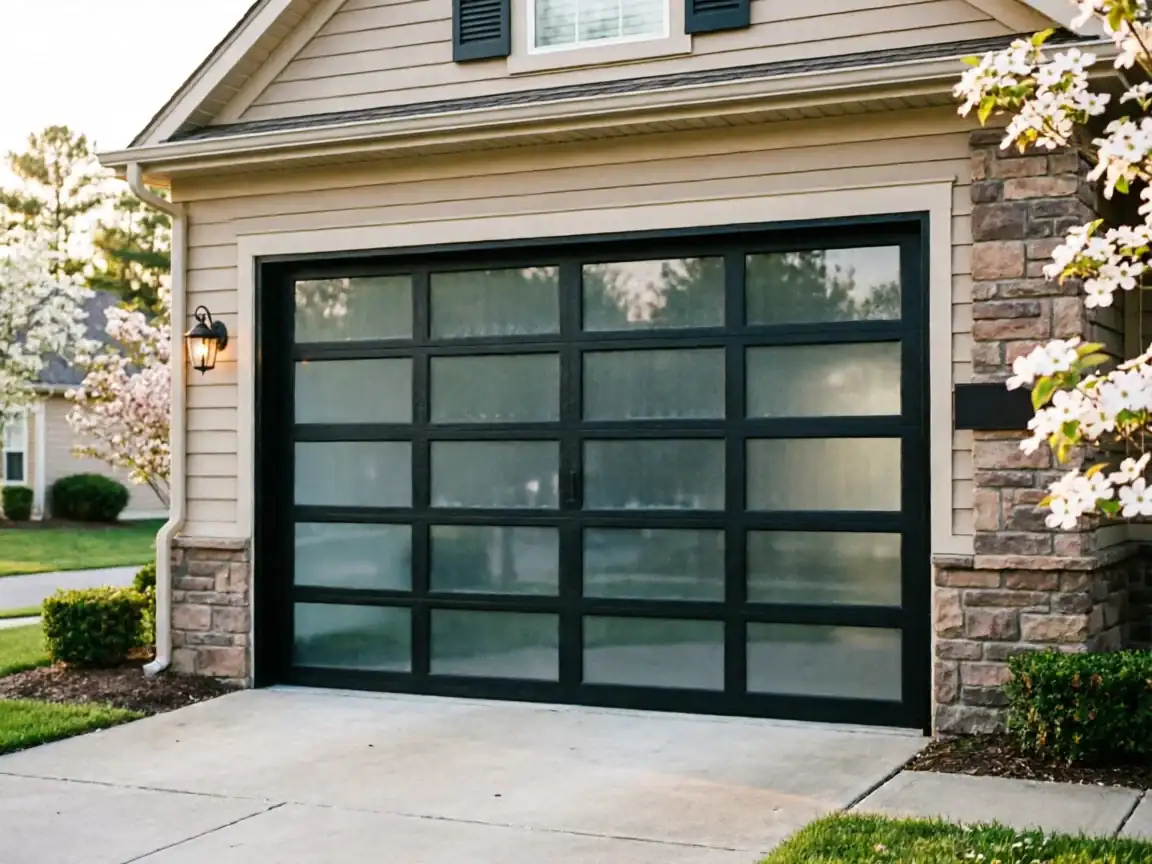
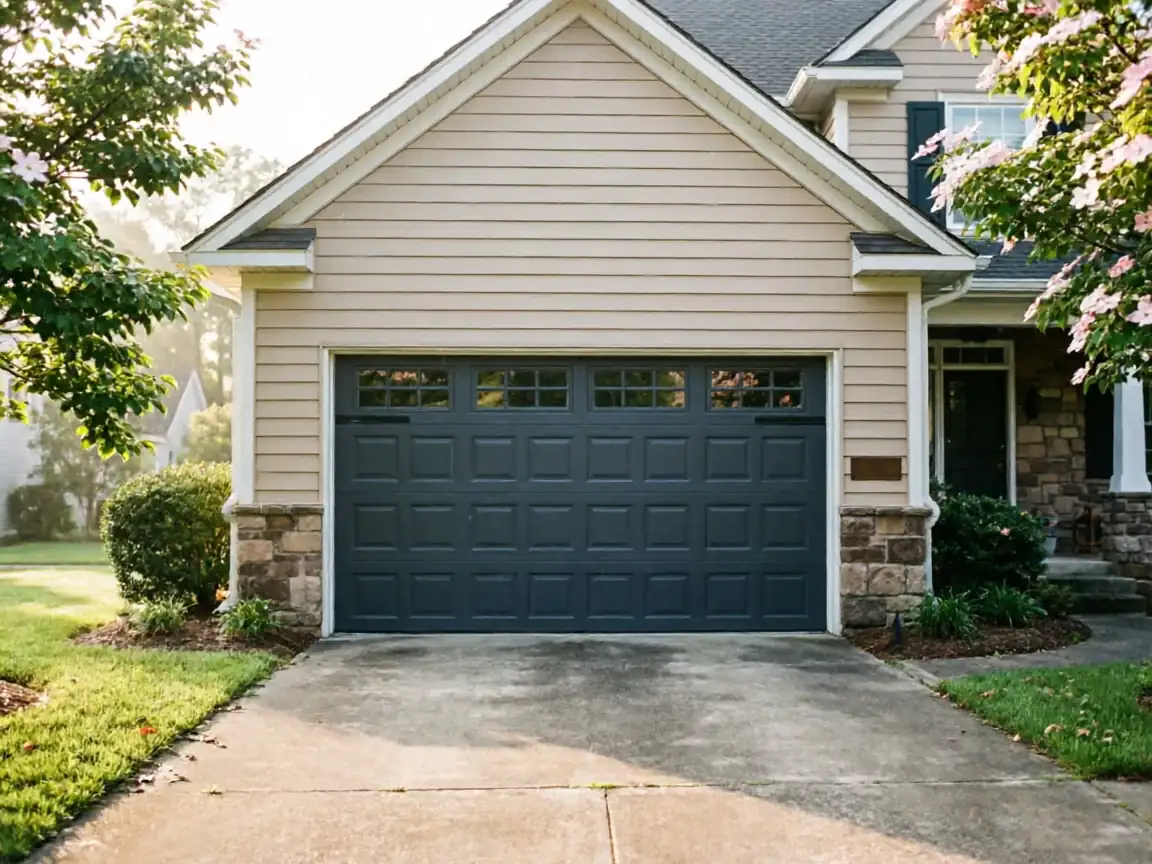
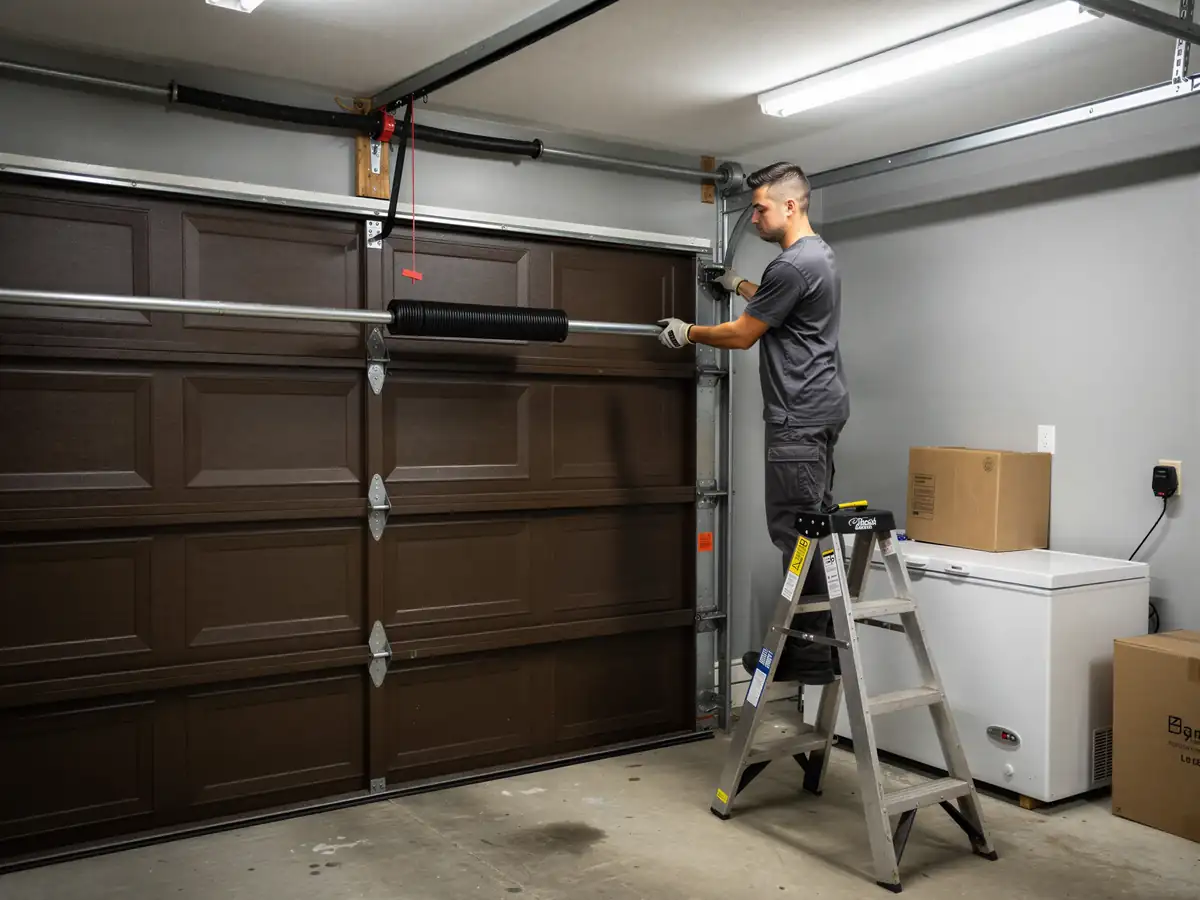
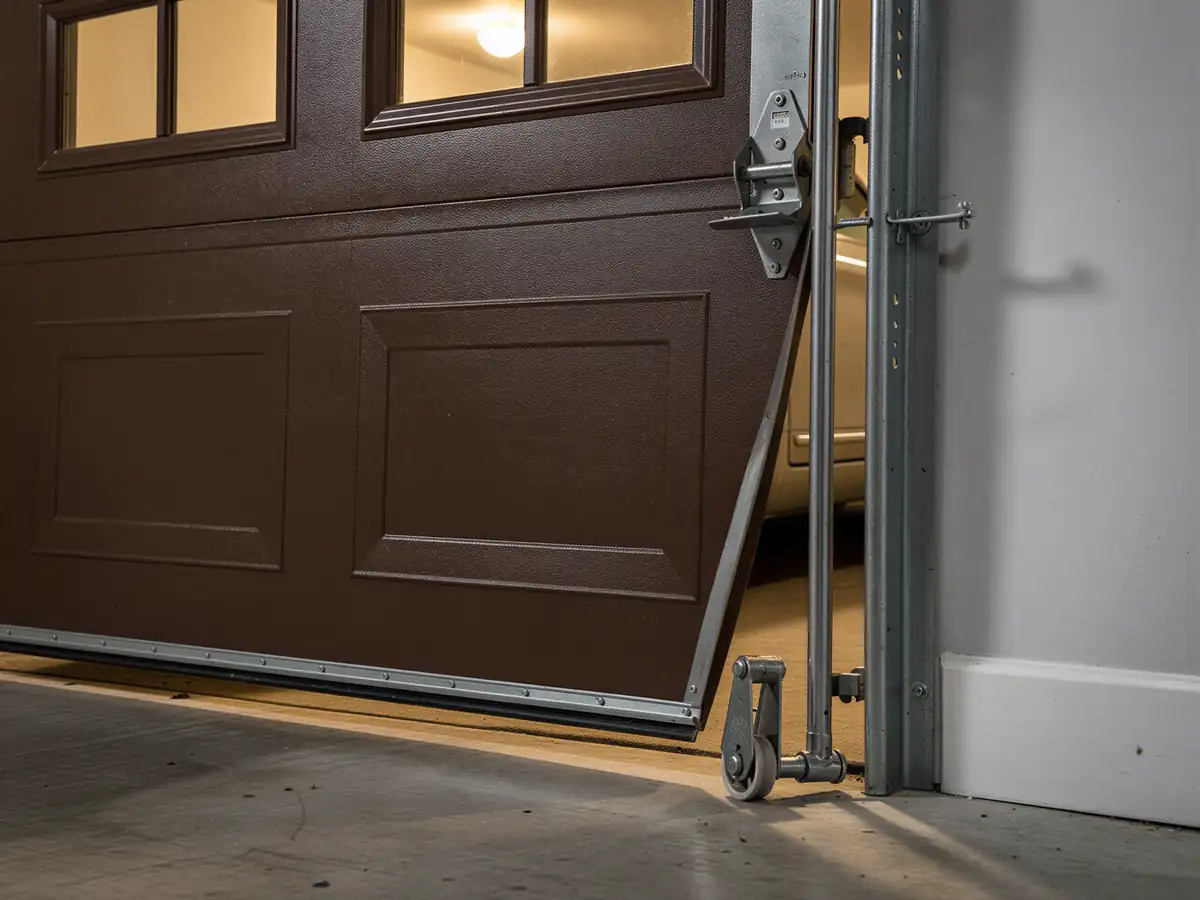
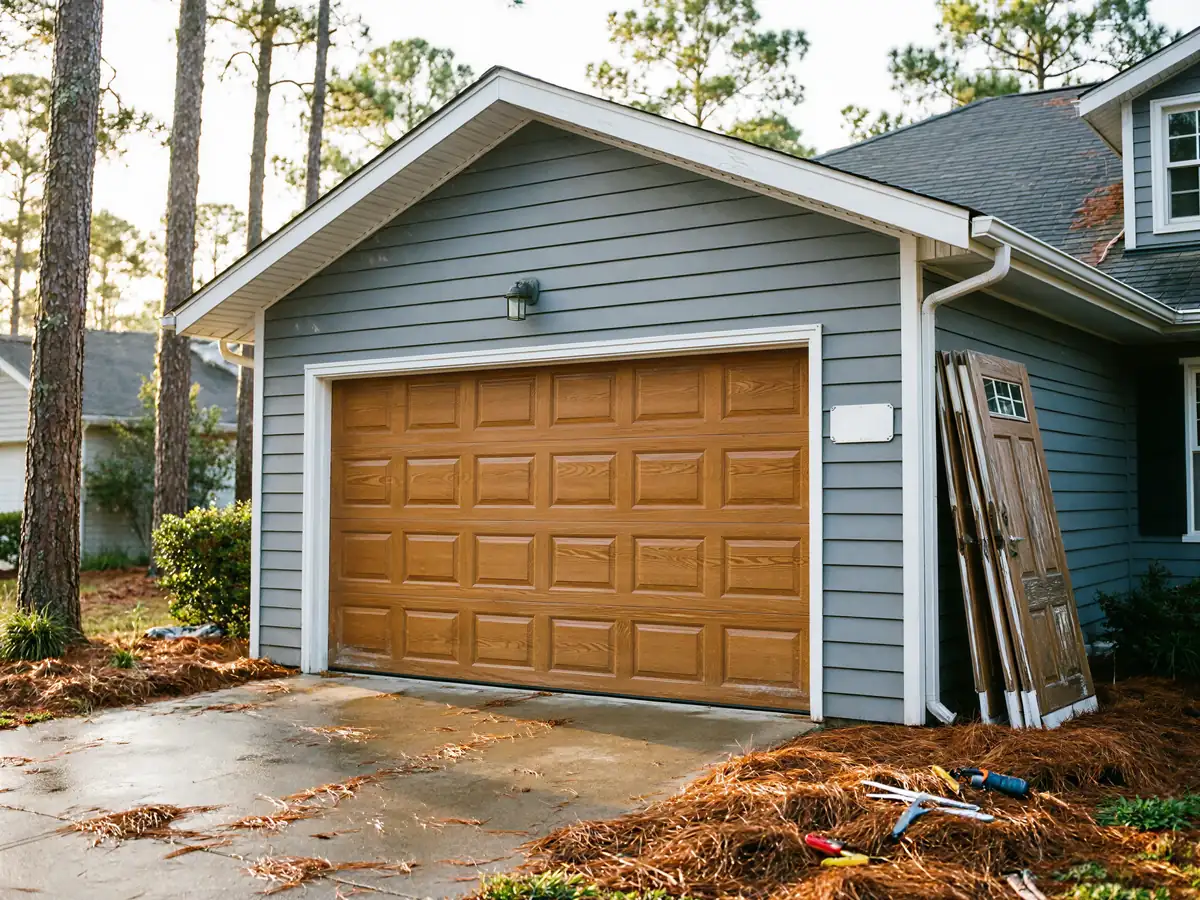
Most houses in Five Forks went up around the early 2000s, which means the garage doors on them are steel sectional units, usually 16 feet wide for a two-car bay, hung on torsion springs rather than the older extension-spring setups you'd find on a house from the 1960s. These doors aren't failing from age the way older stock does - at roughly two decades old, the common problems are worn rollers, a torsion spring nearing the end of its cycle count, and track that's gone slightly out of plumb from years of use. What you don't usually see here is the warped wood or rusted-through steel panel that shows up on a 1970s door. When a homeowner in this part of the service area calls about installation, it's more often a spring that let go without warning, or a door that's cosmetically dated and the owner wants something that matches a renovated house. Builder-grade doors from that era were functional but plain - thin steel, minimal insulation, basic hardware - and a lot of what we see is people upgrading rather than limping an old door along. A door failing a lift test, panels that have never been painted, or an opener original to the house are the three signs that tell us replacement makes more sense than another repair call.
Parts We Carry
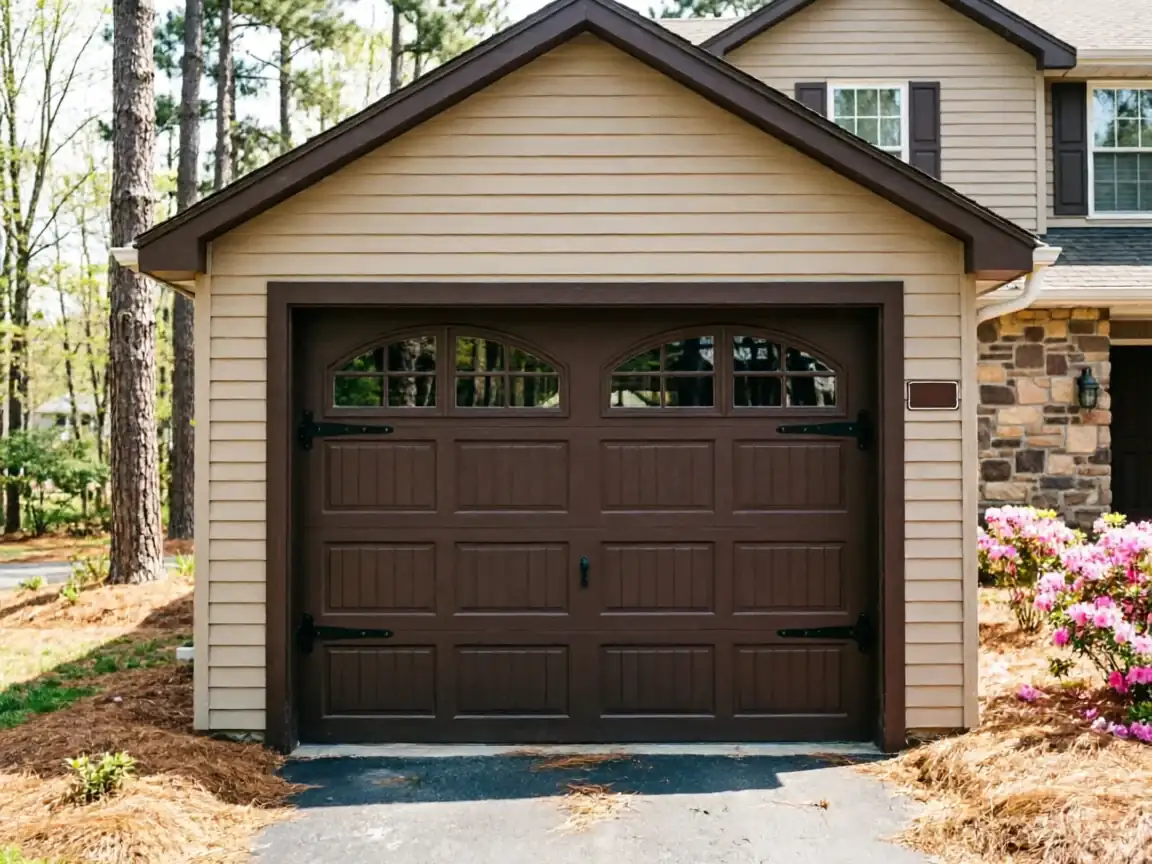
For this neighborhood's housing stock we stock steel sectional doors in the common 16x7 and 9x7 sizes, both insulated and non-insulated, since household incomes here run well above the wider service area's median of $55,671 and owners more often ask for the insulated and higher-end finish options rather than the bare builder-grade panel. Torsion springs get matched to door weight at time of install, not pulled off a shelf by door size alone. We also carry standard galvanized track, nylon and steel rollers, and openers with battery backup and rolling-code security, which are a more common ask on newer construction than on an older house with a door that's never had a smart opener at all. What we don't stock on the truck is custom wood or carriage-style doors outside standard sizing - those are special order, and if that's what you want, the lead time is longer than a standard steel install.
What Causes It Around Here
Five Forks sits about 8 miles from our Greer base, inside a service area that runs from newer build like this out to housing stock going back to the late 1930s, so the failures we see shift block by block depending on when that section was built. Here specifically, with a median build year around 2003, the doors are young enough that outright structural failure is rare - what we're usually responding to is a spring at the end of its rated cycle count, or an opener that's original to the house and finally quitting. The region sits in a cold-moderate climate band, which means freeze-thaw cycling on exposed hardware and track alignment drifting with seasonal temperature swings, more than the heat-driven panel warping you'd see further south. With roughly 6,442 households in this immediate area, it's a smaller, newer pocket than most of what the wider service area covers, and that newer stock is exactly why installation calls here skew toward upgrades and cosmetic replacement rather than emergency repair.