What Can Go Wrong
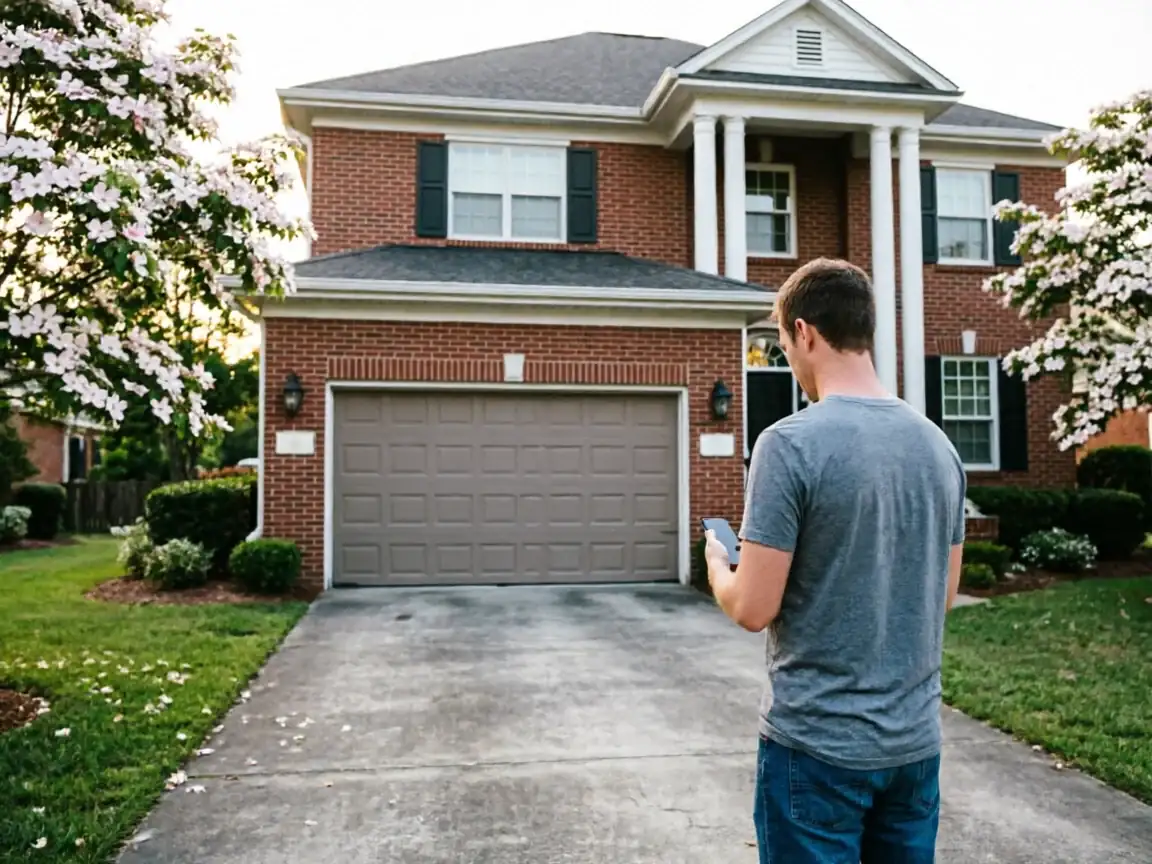
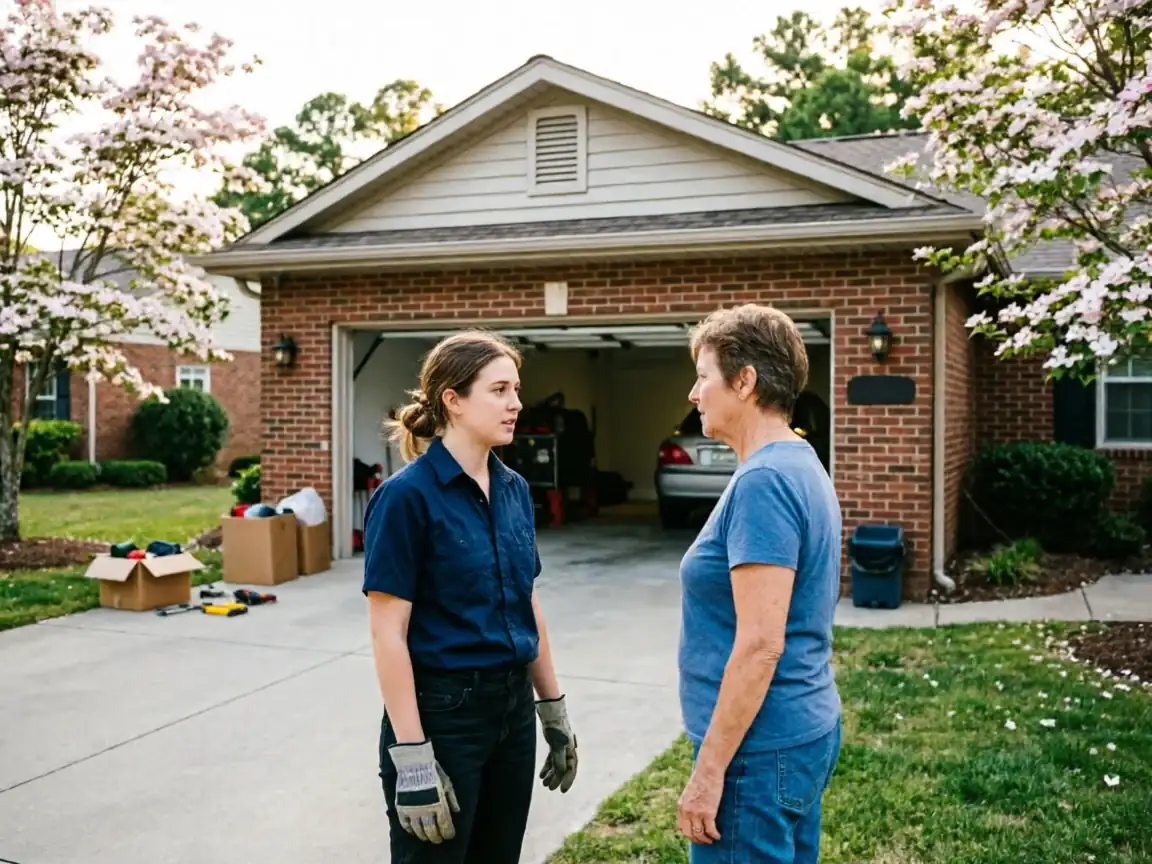
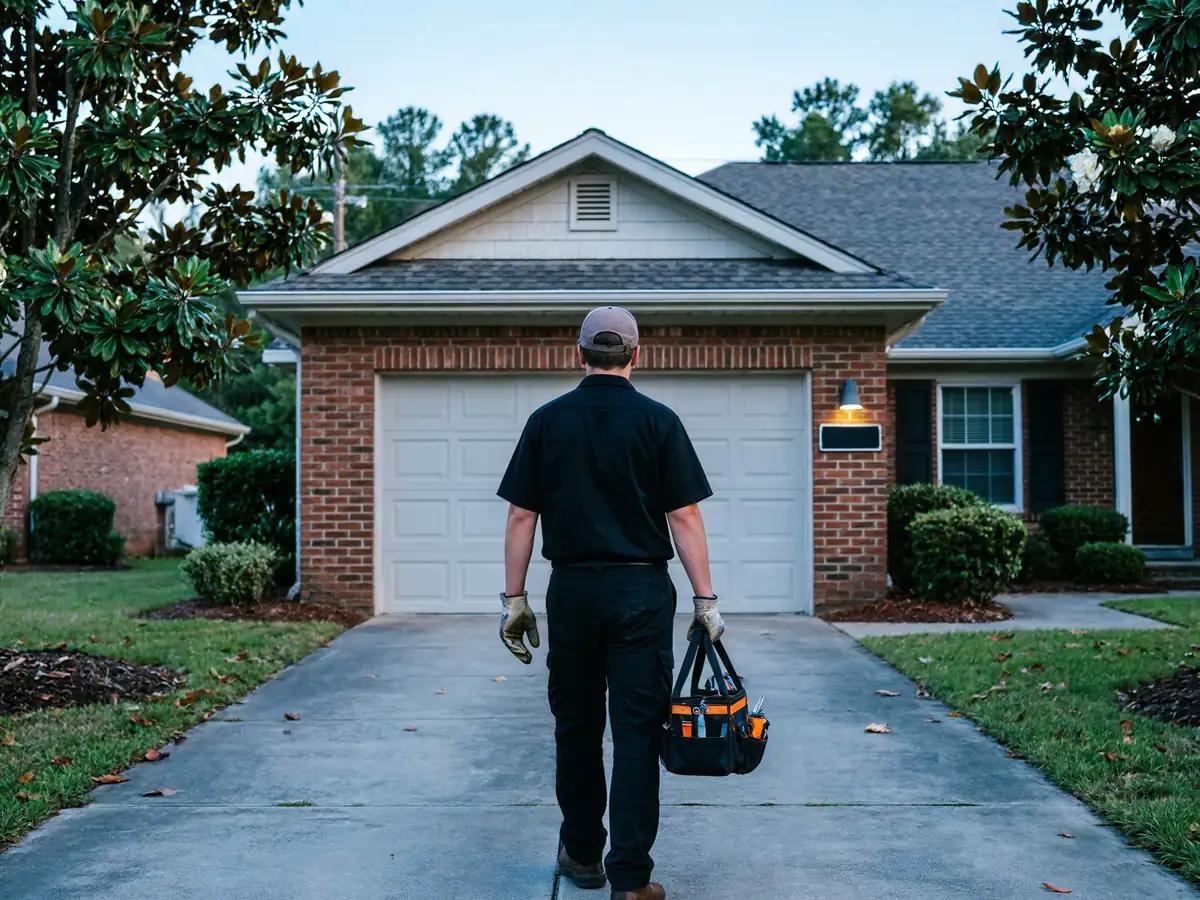
The drive out to Five Forks from our Greer shop runs about eight miles, and it shapes how we load the truck before we leave. Most of the houses we service once we get there went up around 2003 - decades newer than the mix you'll find across the rest of the territory, where some stock dates back to 1938. That means we're rarely dealing with the old side-mounted torsion hardware you find in older sections. Instead, the calls here tend to be newer steel doors on standard torsion springs, with openers that are now pushing fifteen to twenty years old.
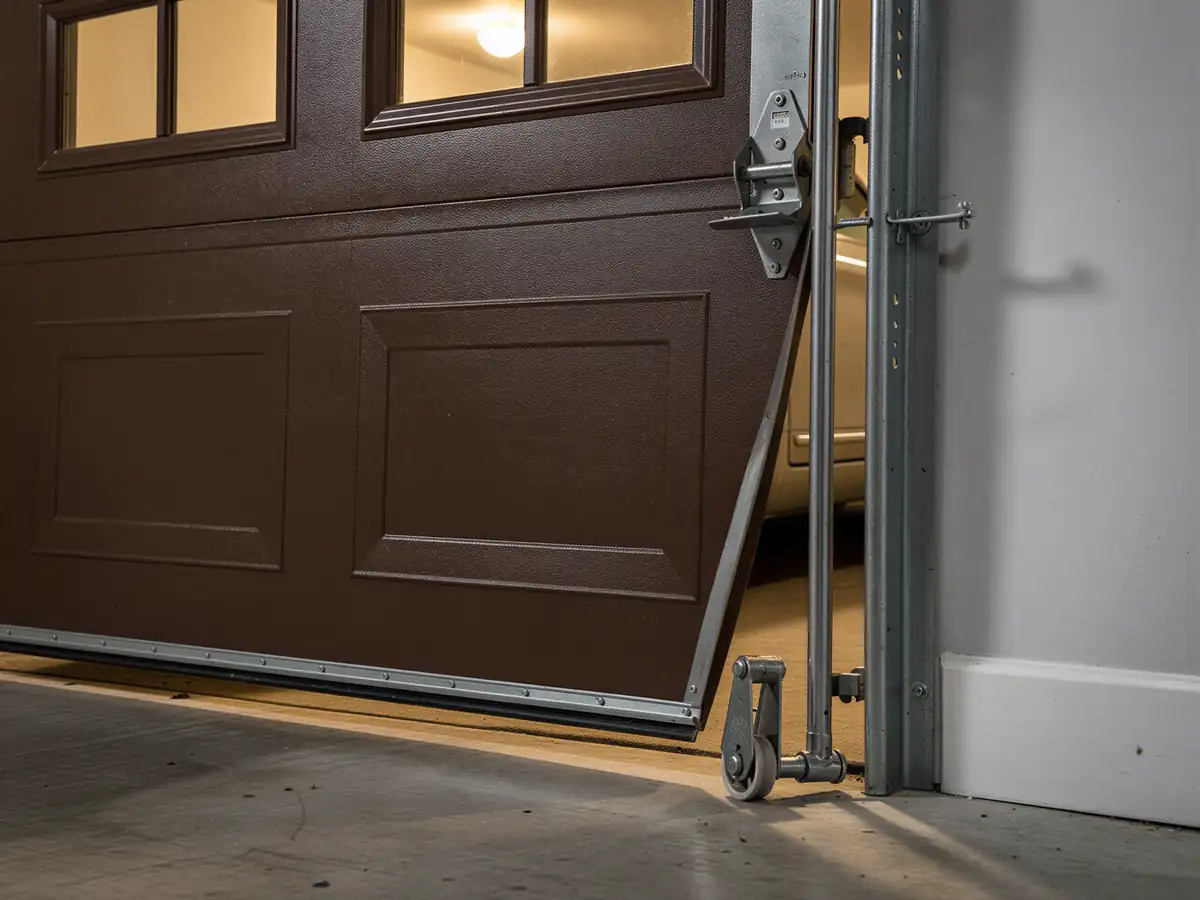
What goes wrong tends to follow from that age, not from neglect. Circuit boards on early-2000s openers start failing intermittently before they fail completely - a door that works some mornings and not others. Nylon rollers on doors from that era wear down to the point where the door rattles going up, even though the spring and cable are fine. Weatherstripping installed when the house was built has usually hardened by now and no longer seals against the slab.
We also see worn end bearing plates more often here than you'd expect for houses this age, likely from original builder-grade hardware that was never top shelf to begin with.
What the Fix Involves
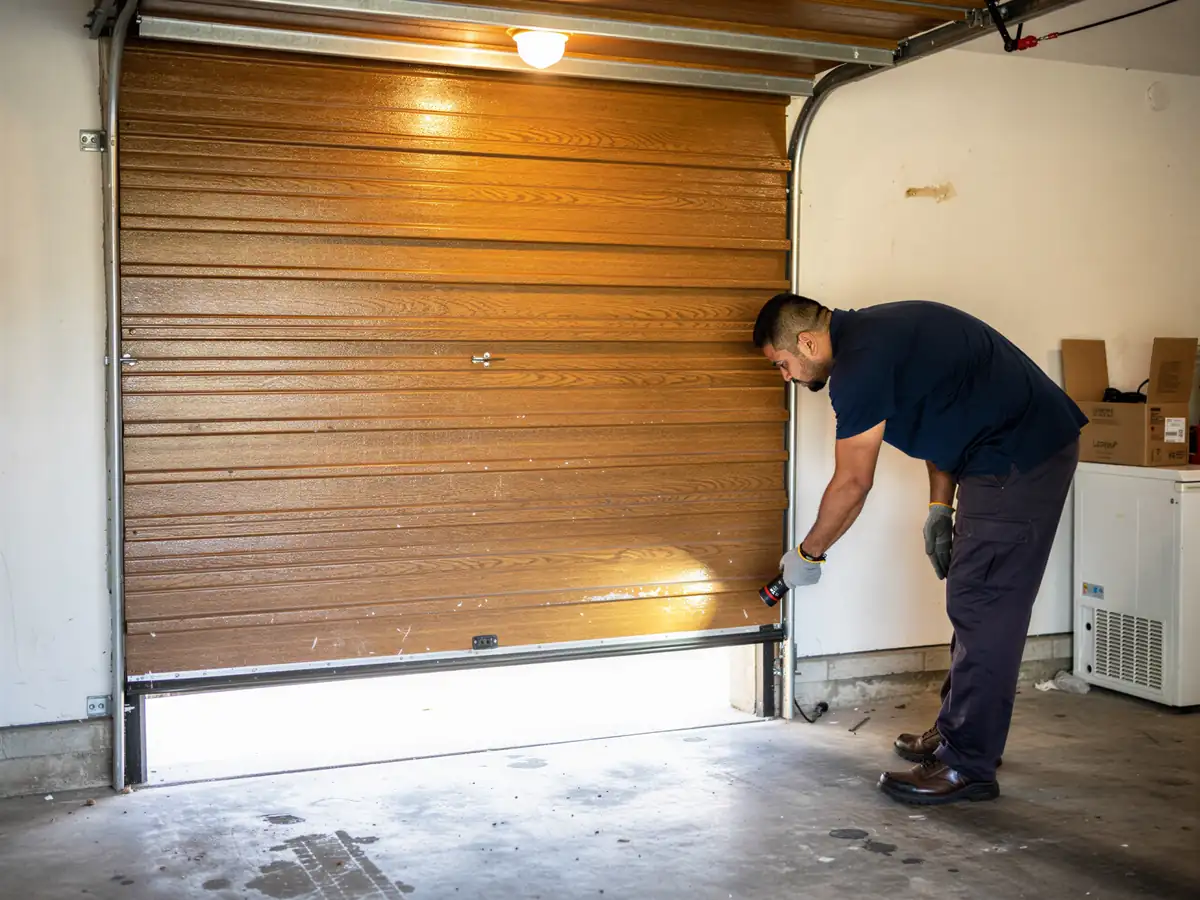
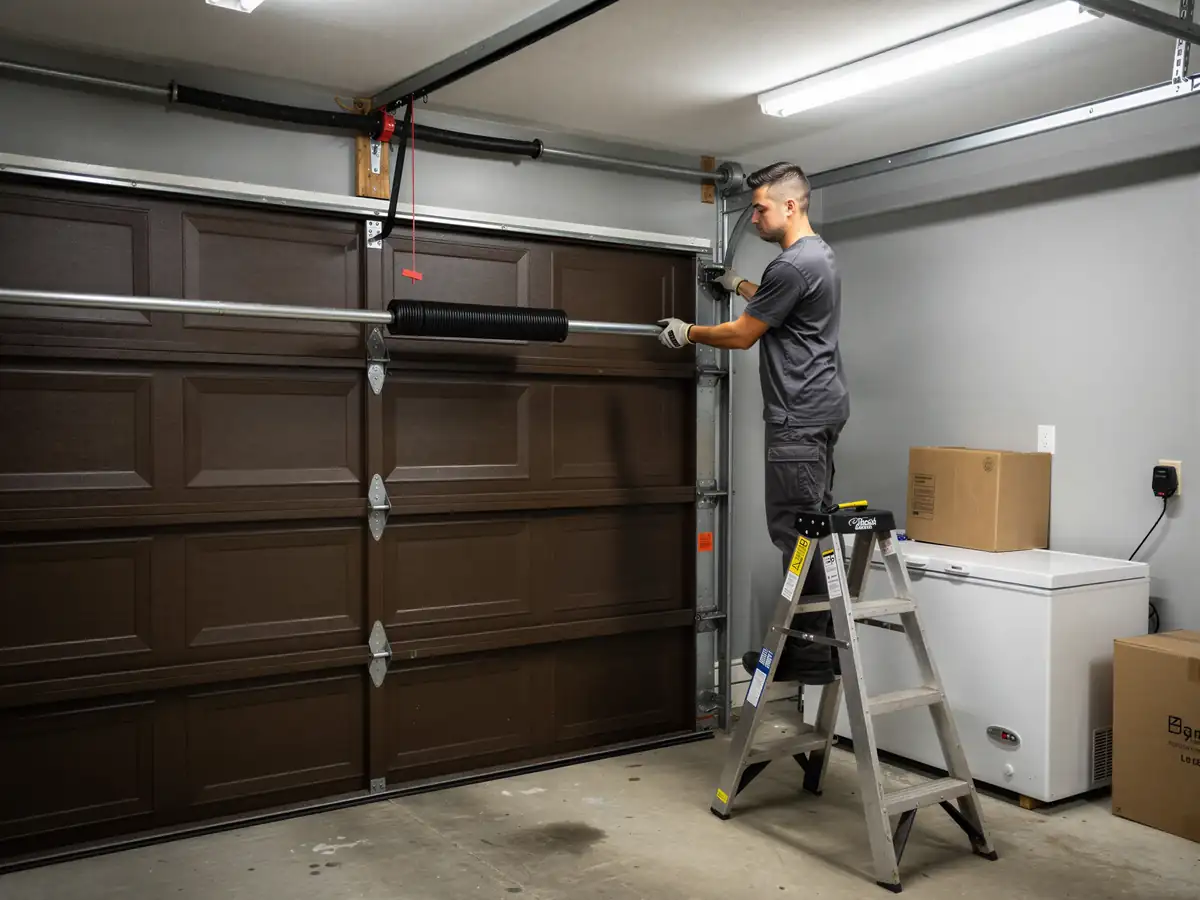
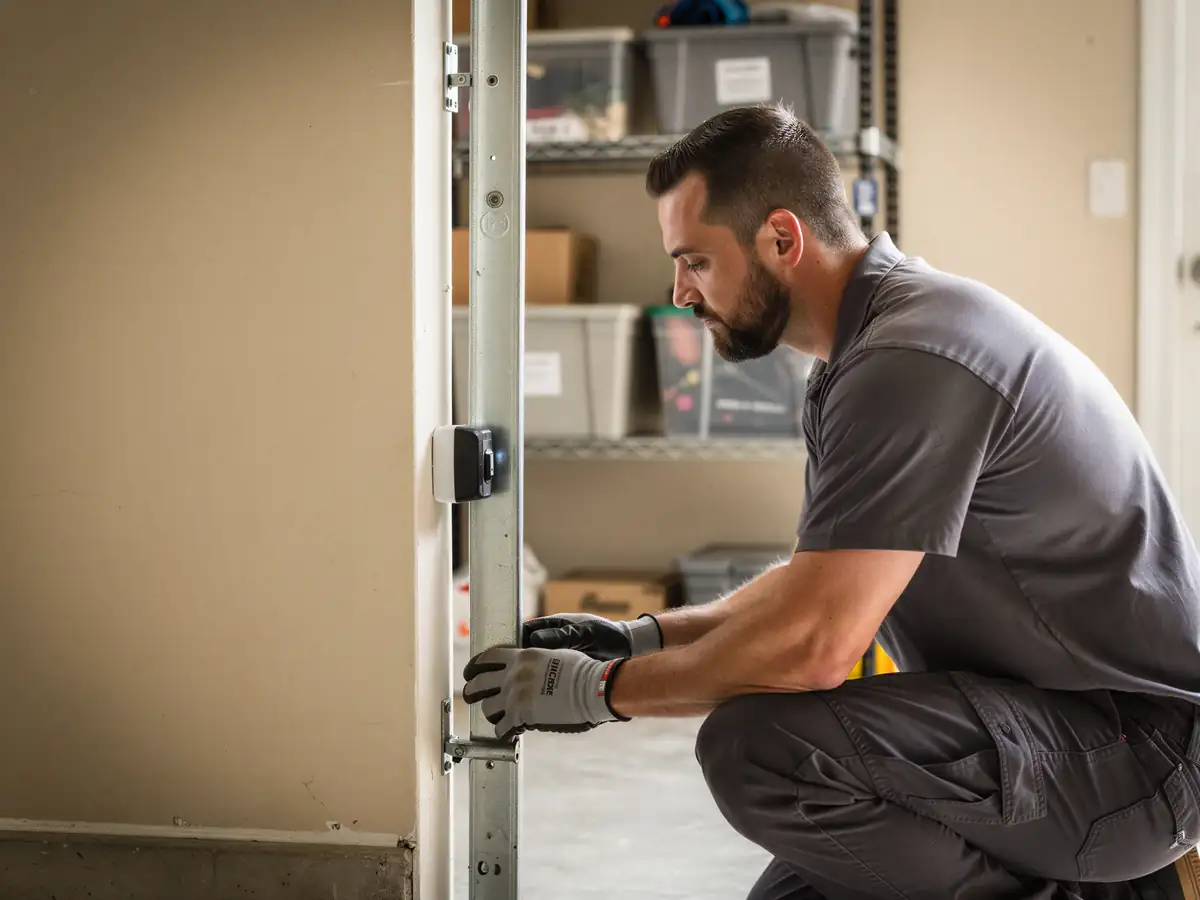
A maintenance visit here starts with the spring and cable
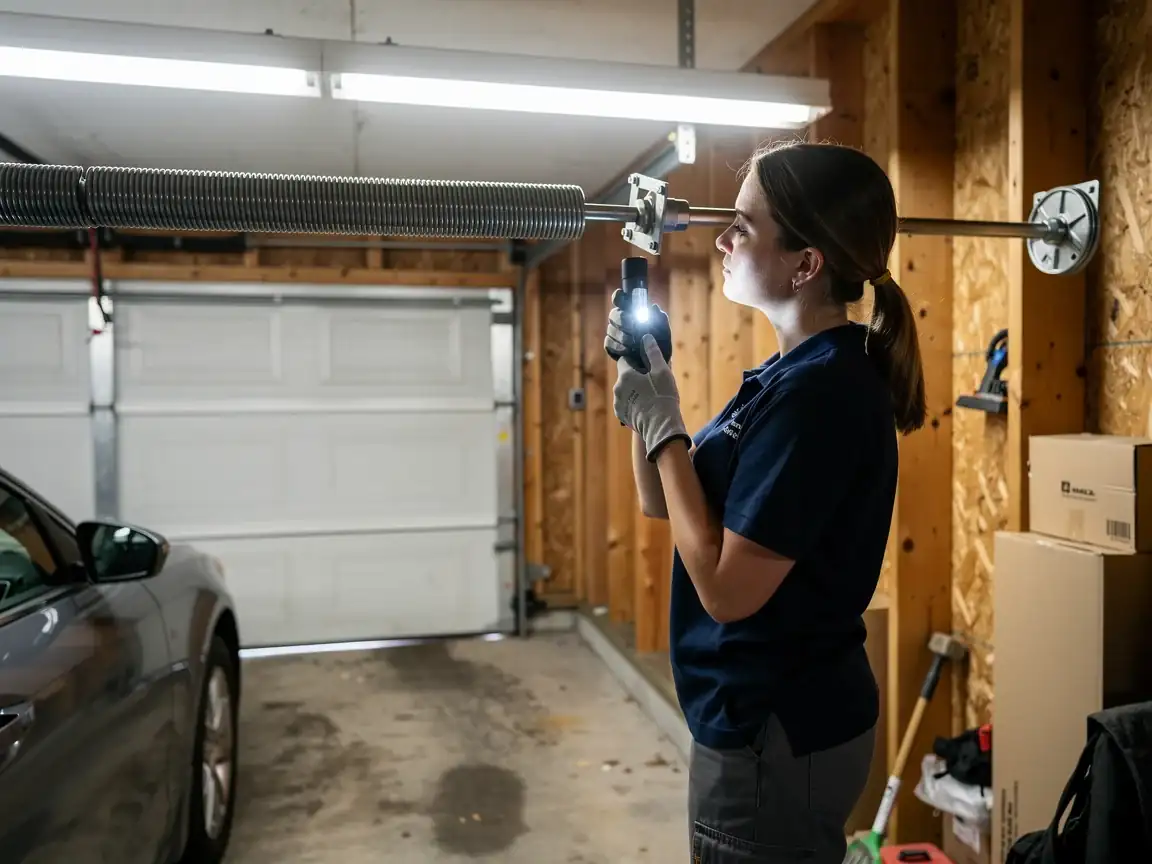
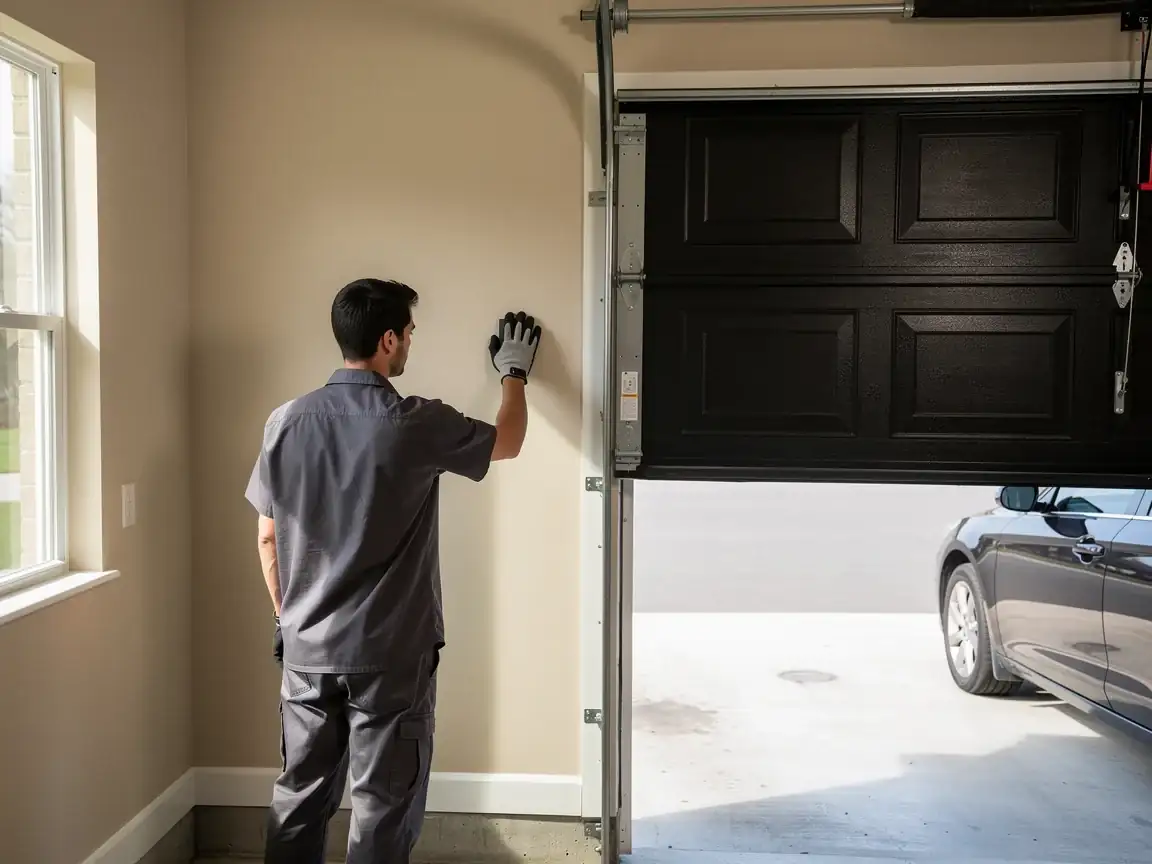
Because torsion springs built into early-2000s doors are now well into their working life and showing wear before they snap. We check cable fray at the drum, test spring tension against the door's balance, and look at the bottom brackets for corrosion. Then we move to the track - checking alignment, since houses settling over twenty years can throw a track out of true by a few degrees, which shows up as a door that binds partway through its cycle.
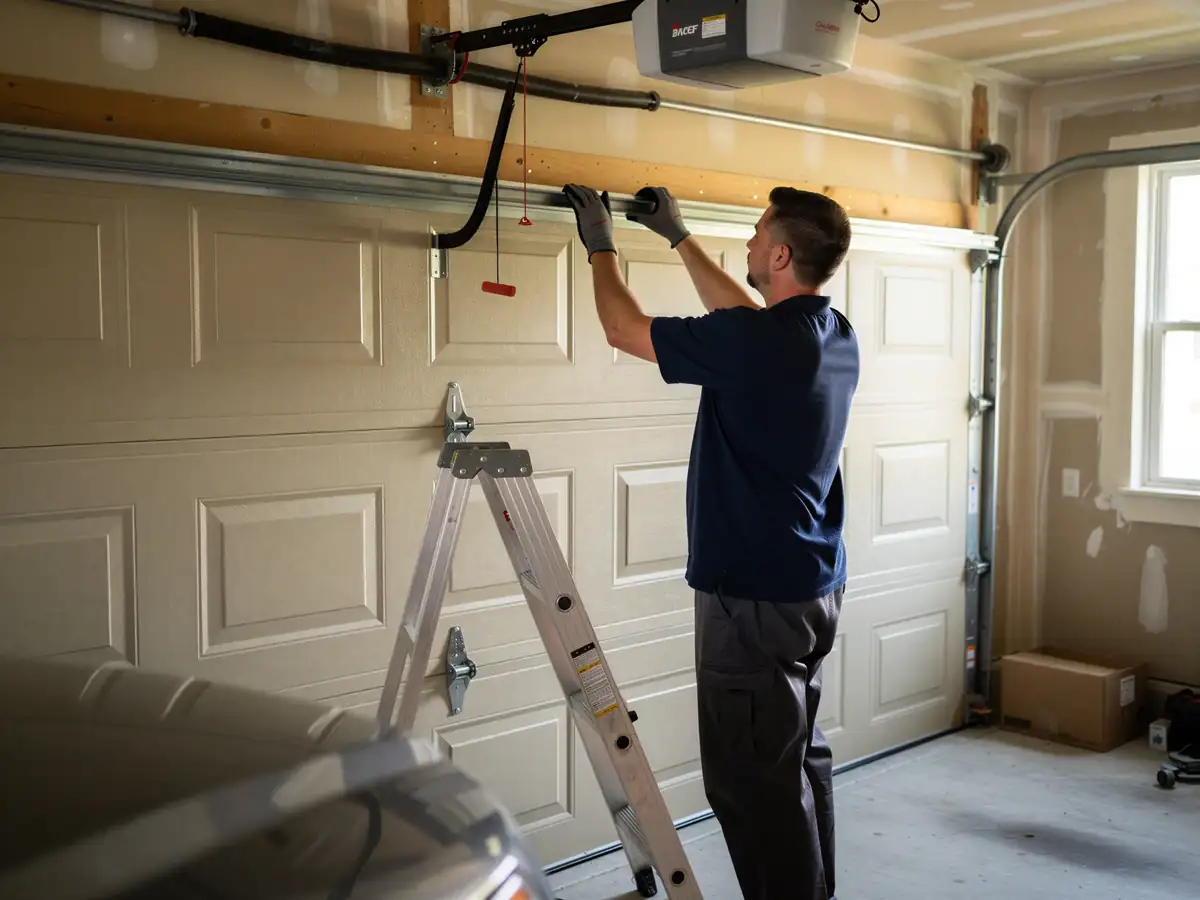
On the opener, we test the travel limits and force settings
Since boards from this era drift out of calibration gradually rather than failing outright. We lubricate hinges, rollers, and the torsion bar, and we check the photo-eye sensors, which are a common point of failure on openers in this age bracket.
One honest limit here
If the opener's logic board is already failing intermittently, a maintenance visit can clean and adjust around it, but it won't extend the life of a board that's on its way out. At that point replacement is the better spend than another service call six months from now.
Parts We Carry
Because every maintenance call to Five Forks is a drive from Greer, the truck carries the parts that cover what we actually find on 2000s-era doors: steel rollers, standard torsion springs sized for single and double residential doors, galvanized lift cables, and end bearing plates. We stock weatherstripping in the common widths that fit builder-grade doors from that period, along with photo-eye sensor pairs and standard limit switches for the opener models still common in houses this age.
We don't carry every discontinued part for every opener brand on the truck - some circuit boards for older models have to be ordered once we've confirmed the fault, which can add a few days to a repair if that's what's needed. For a routine maintenance visit, though, what's on the truck covers nearly everything we run into: tightening, lubricating, balancing, and swapping the wear parts that give out first on doors in this age range.
What Causes It Around Here
The climate here sits in the cold-moderate band common to the whole service area, which means seasonal temperature swings that expand and contract steel tracks and stiffen lubricant on springs and rollers. On doors this age, that cycling matters more than it would on a brand-new door, because the factory lubricant has long since broken down and original hardware tolerances have loosened with twenty years of use.
Five Forks also has a higher median household income, near $140,668, compared with roughly $55,671 across the wider service area - which in practice means more owners opt for maintenance before something breaks rather than after, and more two-car households running their doors multiple times a day. With about 6,442 households in the area, that adds up to steady wear on openers and springs that are already approaching the end of a normal service life, which is exactly the age bracket where a yearly check catches problems while they're still cheap to fix.